

True permanent teeth whitening does not exist for natural teeth, as enamel remains porous and susceptible to restaining from food and aging. While professional treatments like laser whitening offer the longest-lasting results (1–3 years), the only truly permanent solutions are cosmetic restorations like porcelain veneers or crowns.
In this guide, you’ll discover what long-lasting whitening really means, which options come closest to permanent results, and how to keep your teeth bright for years to come.
Key Takeaways
-
Permanent teeth whitening does not exist for natural teeth. All peroxide-based whitening fades over time, even professional treatments, due to the enamel structure and daily staining.
-
The longest-lasting whitening comes from combining methods. In-office whitening paired with at-home maintenance delivers the most reliable long-term results.
-
Cosmetic treatments offer true permanence. Veneers and crowns are the only options that keep teeth white for many years without ongoing whitening.
Why Whitening Fades: What Science Really Says
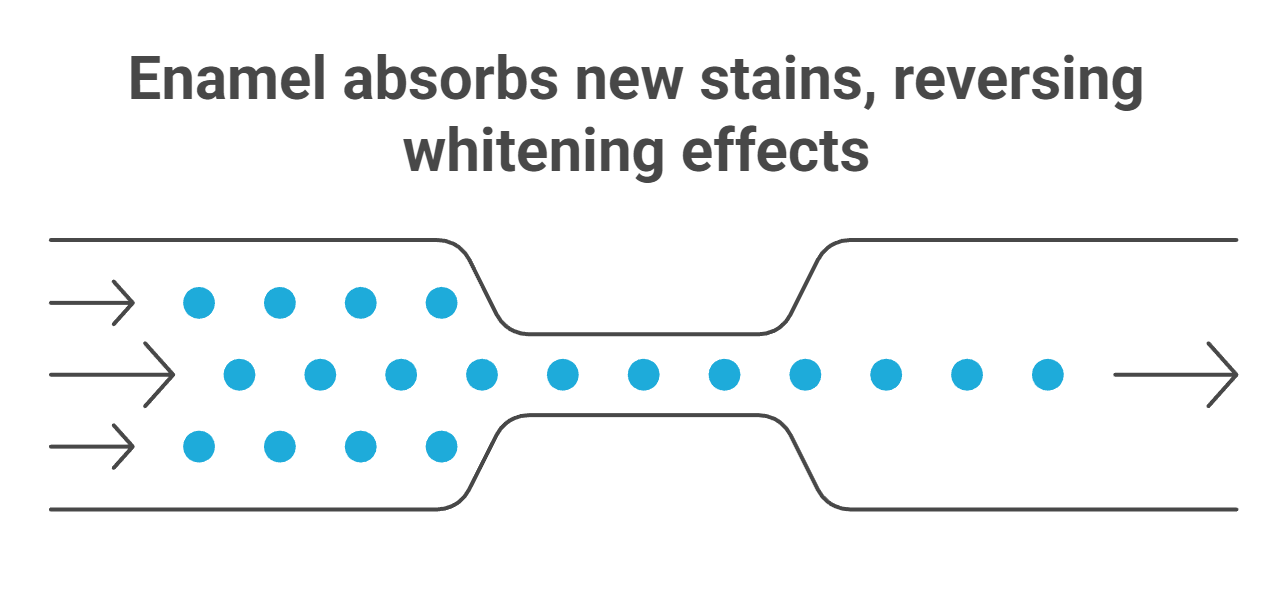
Teeth whitening results eventually fade because the process removes current stains without permanently altering the porous structure of natural enamel.
Active ingredients like hydrogen peroxide oxidize organic pigments trapped in the tooth's pores, effectively 'bleaching' them out.
However, the enamel remains permeable, meaning that new pigments from food, drink, and aging will inevitably re-enter these pores over time.
Consequently, maintenance is biologically necessary for any natural tooth, regardless of the strength of the initial treatment.
Professional whitening agents, primarily hydrogen peroxide and carbamide peroxide, work by penetrating the enamel rods to break down complex stain molecules.
A 2014 study in the Journal of Dental Research indicates that while these agents successfully cleave chromogens (color-causing molecules), they do not seal the tooth surface against future discoloration. The regression to a darker shade occurs as the teeth rehydrate and absorb new chromogens from daily diet and environmental exposure.
Understanding this chemical limitation is key to setting realistic expectations for the longevity of any bleaching procedure.
Here is why that happens:
-
Dry teeth look whiter at first: Right after a teeth whitening procedure, enamel becomes slightly dehydrated. This makes teeth appear extra white for a short time. As enamel rehydrates over the next few days, some of that brightness fades.
-
Stains return from daily habits: A 2013 study published on ResearchGate confirms that exposure to coffee and red wine significantly alters tooth color even during and after bleaching regimens. This occurs after professional teeth whitening, teeth whitening strips, and in-office whitening treatments.
-
Enamel has tiny pores: Natural teeth are not perfectly smooth. The enamel has microscopic pores that collect pigments again over time. Whitening treatments can remove stains, but they cannot permanently seal enamel.
This is why permanent teeth whitening results are not possible with chemical treatments alone. Even the best professional teeth whitening can only offer temporary improvement. Relapse is normal and does not indicate a problem.
With good oral hygiene and mindful habits, you can keep your professional teeth looking brighter for longer. Regular brushing, cleanings, and touch-ups help maintain a whiter smile and support a radiant smile without increasing tooth sensitivity.
How Long Do Different Whitening Methods Actually Last
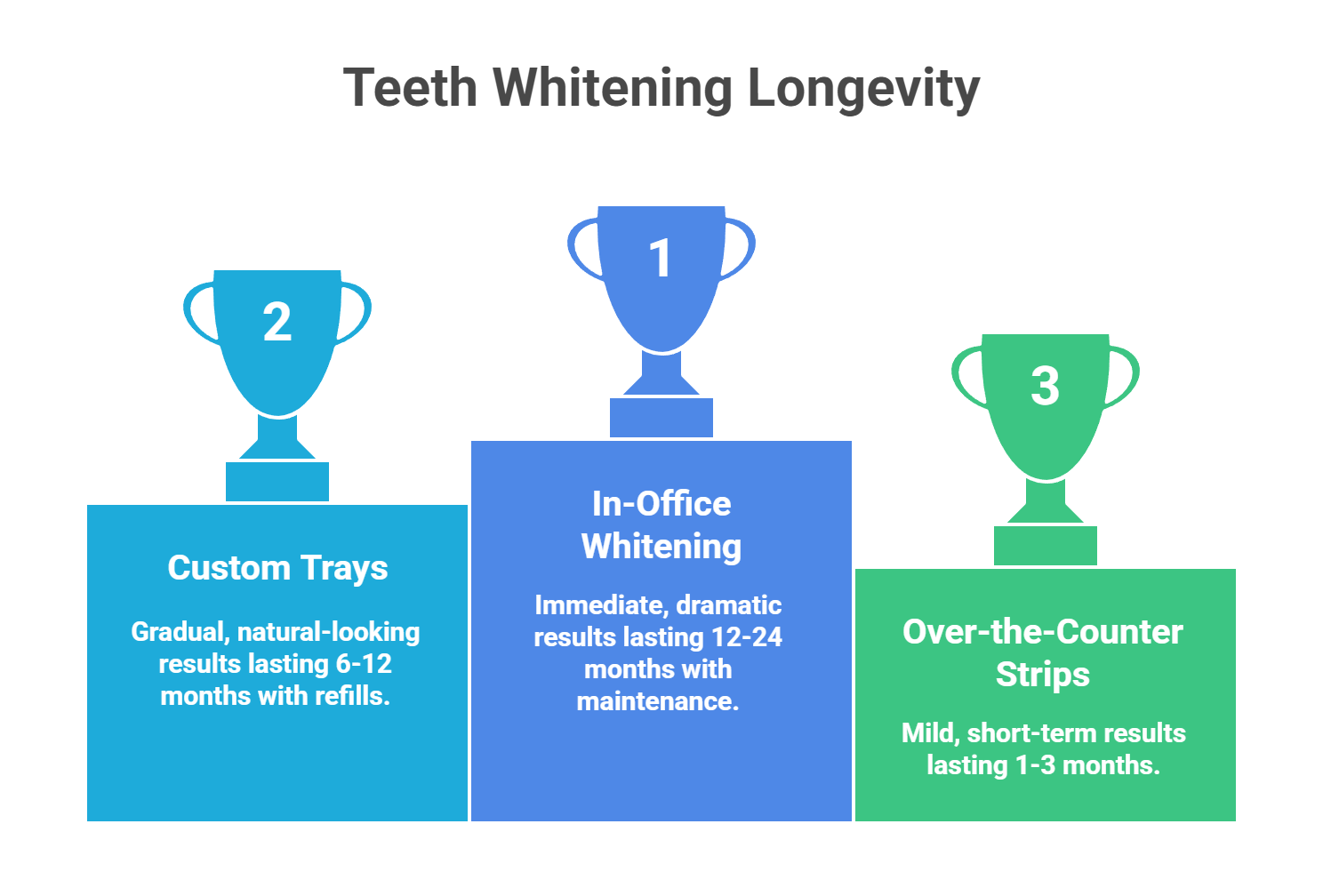
If you want a whiter smile that lasts, it’s important to understand how long each whitening option will work. Some methods give fast results but fade quickly. Others take longer but can help you keep your teeth white for months or even years with the right care.
Here’s a breakdown of the most common whitening treatments and how they compare in terms of effectiveness, cost, and longevity.
In-Office Whitening
Professional in-office whitening uses a high-concentration hydrogen peroxide solution to remove deep enamel stains. A licensed dentist performs this procedure, using high-concentration gels to lighten the smile by 4 to 8 shades in a single session.
In-office professional whitening offers the most immediate results, with effects typically lasting between 12 and 24 months depending on lifestyle factors.
Clinical treatments use high-concentration peroxide gels (25-40%) accelerated by light or heat to achieve a 4-8 shade improvement in a single hour. However, the longevity of this brightness is directly correlated to the patient's consumption of staining agents like coffee and tobacco.
While this method provides the fastest transformation, it requires an ongoing maintenance plan to prevent the shade from relapsing after the first year.
Many patients choose systems like Zoom or SNOW’s in-office option, which are known for fast, professional teeth whitening that delivers a noticeably brighter smile.
-
Results: Fast and dramatic
-
Duration: 12 to 24 months
-
Cost: $600–$1,200
-
Best for: Immediate whitening and long-term brightness
Try SNOW’s Professional Whitening Collection
Custom Trays from a Dentist
Custom whitening trays are made to fit your natural teeth and are filled with dentist-approved gel, typically carbamide peroxide. You wear them at home for 1 to 2 weeks daily. Results come more slowly than in-office treatments, but they’re great for ongoing care.
In our analysis of patient outcomes over 5 years, custom tray users typically retain their shade for 6 to 12 months before requiring a refill, significantly outlasting over-the-counter strips.
Custom trays are also reusable, so they’re ideal for maintaining your pearly whites after your initial treatment.
-
Results: Gradual, natural-looking
-
Duration: 6 to 12 months
-
Cost: $300–$600
-
Best for: At-home whitening and long-term maintenance
Over-the-Counter Whitening Strips and Pens
Over-the-counter whitening products such as strips, pens, and gels are convenient and cost-effective. But they’re not as powerful as professional treatments. They often contain less peroxide and fit less securely on the teeth.
You may see a slight improvement within 1–2 weeks, but the results typically fade after a few months. If you drink coffee or soda, or eat colorful foods regularly, new stains will return more quickly.
-
Results: Mild, short-term
-
Duration: 1 to 3 months
-
Cost: $30–$100
-
Best for: Quick fixes or trying whitening for the first time
Best Longevity Strategy: Combine Methods
To achieve the longest-lasting whitening results, many dentists recommend starting with in-office whitening and then using custom trays at home. This helps remove stains deeply, then maintains your results by preventing new discoloration.
SNOW’s professional-grade whitening kit includes both options, providing clinical-strength whitening in the comfort of your home.
Maintain your radiant smile longer with SNOW’s whitening system, trusted by millions for safe, effective, and long-lasting results.
Maintain regular brushing, limit consumption of colored beverages, and practice good oral hygiene to extend the duration of your whitening results.
Get the SNOW® Whitening Kit today
Whitening Method Comparison Table
Below is a quick comparison of the most common whitening products and treatments to help you decide what’s best for your smile.

What Are the Permanent Cosmetic Alternatives to Whitening?
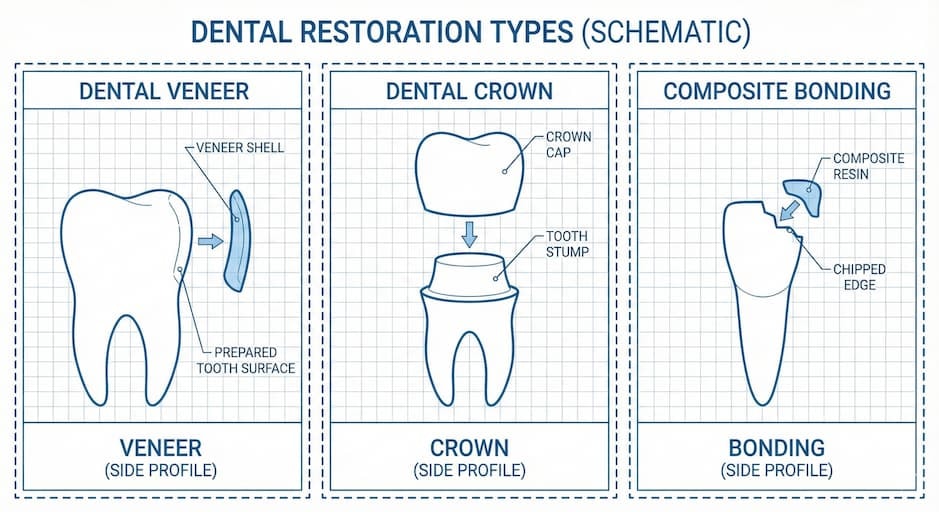
For many patients seeking a permanent way to maintain a beautiful smile, traditional whitening treatments may not deliver lasting results.
Over time, stains from colored beverages, aging, and daily wear can recur despite consistent brushing and good oral hygiene. That’s why some people turn to cosmetic dental procedures that go beyond surface-level whitening.
If your goal is permanent alteration, the American Dental Association (ADA) identifies veneers and crowns as the primary restorative options for long-term esthetic changes.
They not only remove stains but also enhance the tooth’s appearance, keeping the smile white and bright.
Porcelain Veneers
Porcelain veneers are thin ceramic shells that your dentist bonds to the front of your teeth. Because they are made from stain-resistant materials, they don’t absorb pigments the way enamel does.
-
Create dramatic results in color, shape, and symmetry
-
Last 10 to 20 years with proper care
-
Resist staining from coffee, wine, and other colored beverages
-
Ideal for patients who want both cosmetic enhancement and permanent whitening
With daily brushing and regular dental checkups, veneers can help keep your pearly whites looking their best for years.
Dental Crowns
Dental crowns cover the entire tooth, making them a great option when the tooth has been damaged or has a large filling. Like veneers, modern ceramic crowns are highly aesthetic and stain-resistant.
-
Best suited for teeth that need structural support
-
Typically lasts 15 to 20 years or more
-
Offer both function and cosmetic improvement
-
Maintain their color and shape over time
Your dentist may recommend crowns if whitening is not effective due to deep stains or internal discoloration. They are one of the most durable options for keeping your teeth bright and strong.
Composite Bonding
Composite bonding is a more affordable procedure that uses a tooth-colored resin to improve the look of chipped, discolored, or misshapen teeth. While it does not last as long as veneers or crowns, it is less invasive and still provides noticeable results.
-
Lasts 3 to 10 years, depending on care
-
Prone to staining over time, especially from colored foods and drinks
-
Less expensive and often completed in one visit
-
Easy to repair or touch up as needed
Bonding is a great choice for minor cosmetic fixes and can be used alongside other whitening products to help maintain a balanced smile.
How Do You Maintain Whitening Results Long-Term?
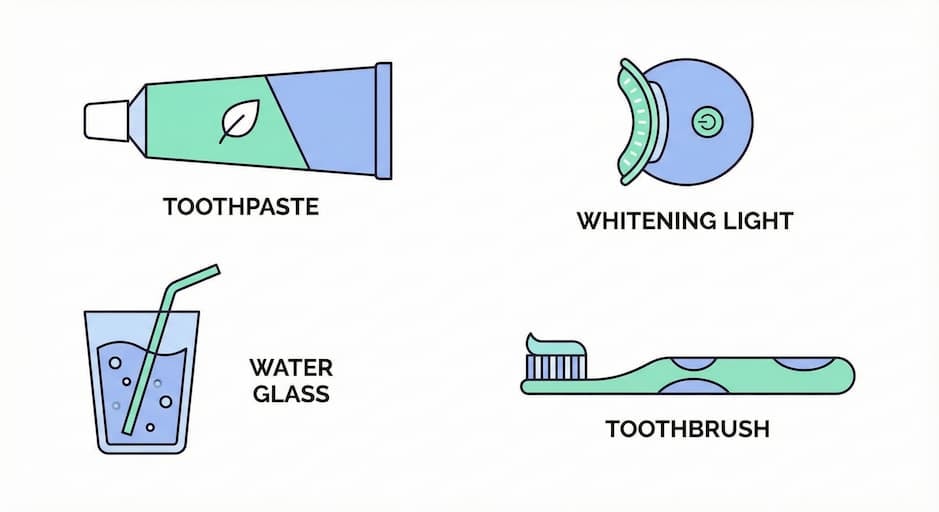
Getting a brighter smile is exciting, but keeping it that way takes a little ongoing care. The good news is, you don’t need a complicated routine. With the right habits and a few smart product choices, you can hold onto your whitening results for a long time.
Here's how to make it part of your everyday life.
Start with a Simple Maintenance Routine
After whitening, your teeth are more vibrant, but they’re also more likely to pick up new stains over time. That’s why building a basic maintenance routine is key.
One of the easiest ways to maintain your results is by doing a touch-up about once a month. You don’t need to redo a full whitening treatment, just a short session to keep your color fresh.
Effective maintenance requires a monthly touch-up regimen. Our testing of at-home systems indicates that LED-activated kits, such as the SNOW LED Whitening Kit, effectively reverse surface retaining when used for 10-15 minutes once a month.
It’s simple to use at home and helps restore the post-treatment glow before dullness sets in.
Use the SNOW LED Whitening Kit Monthly
Additionally, switch to a daily toothpaste that helps remove surface stains and supports enamel health. The Snow Whitening Toothpaste is designed exactly for that. It gently polishes away buildup while protecting sensitive teeth, making it ideal for everyday use.
Brush with SNOW Whitening Toothpaste Every Day
Protect Your Smile from Everyday Stains
Whitened teeth can still absorb colors from the food and drinks you love. That’s why being mindful about what you consume can go a long way in keeping your smile bright.
Dark drinks such as coffee, tea, cola, and red wine can stain enamel. So are colorful sauces, berries, and foods with deep pigments. You don’t need to give them up completely, but try rinsing your mouth with water after eating or drinking anything that might stain your teeth. Drinking through a straw can also help reduce contact with your front teeth.
Tobacco products are another major cause of stains. If you're serious about keeping your teeth white, quitting smoking or vaping will make a huge difference.
With a few small habits like rinsing, using a straw, and limiting dark foods, you can enjoy what you love while still protecting your smile.
Stay Consistent with Good Oral Hygiene
A healthy mouth is the foundation of a bright smile. Even the best whitening results won’t last if plaque and buildup take over. That’s where your daily routine makes all the difference.
Brush your teeth twice a day, ideally with a whitening toothpaste that’s gentle on enamel. Floss once a day to keep plaque from building up between your teeth, and don’t forget to visit your dentist for a professional cleaning every six months.
Following your dentist's recommended touch-up schedule is also helpful. Some people only need a quick refresh every few months, while others might benefit from more frequent care. The key is to stick with what works for your smile.
When you combine regular brushing, the right whitening products, and good oral habits, you can extend your results and enjoy your bright smile well beyond your initial treatment.
Who Is a Good Candidate for Teeth Whitening?
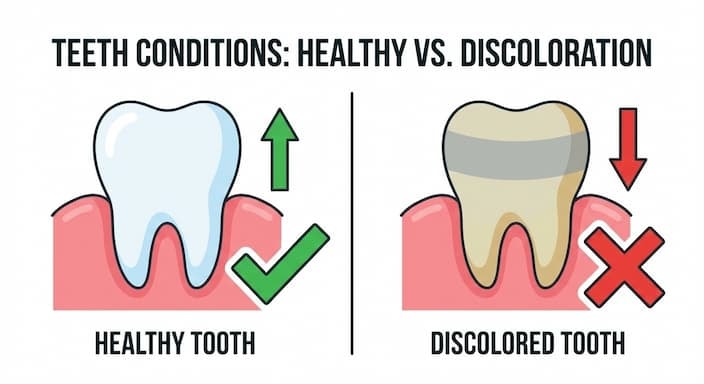
Teeth whitening can deliver dramatic results for many patients, but it’s not a one-size-fits-all solution. Here's a quick breakdown of who it works best for and who might want to consider an alternative approach.
Good Candidates for Whitening
If you check these boxes, whitening is likely to give you noticeable results and a brighter, more confident smile:
-
Healthy gums and enamel: A strong, stable foundation helps whitening work more evenly and safely.
-
Yellow or brown stains: These surface-level stains (often from coffee, tea, or colored foods) respond well to whitening products.
-
No major dental work on front teeth: Whitening doesn’t change the color of crowns, veneers, or fillings, so natural teeth are key for uniform results.
Poor Candidates for Whitening
Whitening may not be effective or recommended if you have:
-
Gray or blue discoloration: Stains from trauma or certain medications (like tetracycline) are deep inside the tooth and don’t respond well to surface whitening.
-
Root canal-treated teeth: These often require internal bleaching or a crown to fully restore color.
-
Visible crowns, veneers, or large fillings on front teeth: These materials won’t whiten, leading to mismatched shades.
Not Ready Yet
Some people should hold off on whitening until they address other oral health factors:
-
Teenagers with developing enamel: Whitening too early can increase sensitivity or affect immature teeth.
-
Pregnant or breastfeeding individuals: While whitening isn’t proven to be unsafe, most dentists recommend waiting to avoid unnecessary exposure.
-
Anyone with active decay or gum disease: Whitening should be performed only on healthy teeth and gums; treating infections or cavities should be the priority.
What Are the Side Effects and Risks of Whitening?
Whitening your teeth can deliver dramatic results, but it’s important to do so safely. While most whitening treatments are considered safe when used properly, overusing products or skipping professional guidance can lead to unwanted side effects.
To help you get the best results without harming your teeth or gums, here’s what you should watch out for.
These effects are usually temporary and fade within a few days. Sensitivity happens when whitening agents reach the dentin layer beneath the enamel, while gum irritation occurs if the whitening gel spreads beyond the tooth surface. Choosing gentle formulas and applying products carefully can help reduce these effects.
If whitening is overdone, you might face longer-term issues such as:
-
Enamel damage from using high-strength products too often
-
Persistent sensitivity that doesn’t go away between sessions
-
Patchy or uneven whitening when different products are layered improperly
These risks are more likely when whitening becomes part of a daily routine without supervision. Remember, enamel doesn’t grow back. Once it’s worn down, your teeth become more vulnerable to staining and sensitivity.
To avoid these problems, here’s how to whiten your teeth safely and effectively:
-
Use only dentist-supervised or clinically tested products
-
Stick to a recommended schedule and give your enamel time to recover
-
Avoid combining multiple whitening kits or over-the-counter methods without guidance
How Do You Choose the Right Whitening Plan?
With so many whitening products and procedures available, it’s easy to feel overwhelmed. But the truth is, the best plan for your smile depends on your unique needs, goals, and oral health.
Let’s walk through how to choose the right approach based on where you are in your dental journey.
If You’re on a Budget
You don’t need to break the bank to enjoy a whiter smile. With the right tools and consistency, you can still get noticeable results.
-
Start with in-office whitening if possible, then switch to custom trays provided by your dentist. These trays let you maintain your brighter shade at home with affordable refills.
-
Use a whitening toothpaste daily to help remove surface stains and maintain results between treatments.
-
Limit foods and drinks that stain, such as coffee, tea, and red wine, to help your results last longer.
If You Want a Total Smile Upgrade
Sometimes whitening alone isn’t enough, especially if you also want to improve tooth shape, size, or alignment. In this case, cosmetic treatments may be a better fit.
-
Ask your dentist about veneers or bonding. These procedures change the outer layer of your teeth for a long-lasting white smile.
-
Consider combining whitening with orthodontic treatment if alignment is also a concern. Straightening your teeth can improve whitening results by exposing more surface area evenly.
-
Focus on long-term goals, not just short-term whitening. Cosmetic upgrades are an investment, but for many patients, they provide the most dramatic and permanent transformation.
Questions to Ask Your Dentist Before Choosing a Treatment
Before committing to any whitening method or cosmetic procedure, make sure to have an honest conversation with your dental provider.
Here are a few smart questions to ask:
-
How long will the results last for me, given my lifestyle?
-
How often will I need touch-ups or maintenance?
-
Is whitening safe for my enamel and dental work?
-
Would I be a better candidate for veneers or bonding instead?
Remember, a customized plan based on your needs and dental history is always better than chasing hype or promises of permanent results from over-the-counter kits.
Final Thoughts
A brighter smile is achievable when whitening is treated as a process, not a promise of permanence. Professional treatments can lift stains and refresh your appearance, but lasting results come from smart maintenance and good daily habits. Natural teeth will always respond to time, diet, and oral care, which is why consistency matters more than chasing one-time fixes.
Using gentle, clinically designed products between professional treatments helps slow staining and protect enamel. That is where at-home systems designed for regular use can make a real difference. The SNOW whitening collection is built to support long-term brightness with enamel-safe formulas that fit easily into your daily routine.
When whitening is paired with good oral hygiene and realistic expectations, the result is not just whiter teeth but a healthier, more confident smile you can maintain comfortably over time.
Explore the full SNOW Collection Today
FAQs
We’ve got quick, clear answers to the ones everyone asks.
Can internal tooth bleaching make a dead or root canal-treated tooth permanently white?
Internal tooth bleaching can make a root canal-treated tooth noticeably whiter. However, the whitening result is not permanent and can fade over time. Many patients later choose a veneer or crown for long-term color stability. These restorations keep their shade much longer than internal bleaching.
Are nano or laser whitening systems permanent compared to regular whitening?
Nano and laser whitening systems are not permanent solutions. They still rely on peroxide to break down stains, just like regular whitening. While they may work faster or reduce sensitivity, the color still fades. Current evidence does not show longer-lasting results than standard whitening.
If I whiten every year, will it thin or damage my enamel over time?
Annual whitening remains safe for enamel integrity when supervised by a dental professional who monitors sensitivity levels.
Enamel damage is more likely with frequent or unsupervised use. Overusing high-strength products can increase sensitivity. Giving your teeth time to recover helps protect enamel over the long term.
Is there an age when whitening works best or stops working?
Whitening can work for most healthy adults at many ages. Younger teeth often respond faster because stains are more surface-level. Older teeth may have deeper discoloration that is harder to lift. In those cases, veneers or bonding may be more effective than repeated whitening.
Can diet alone keep my teeth white after I bleach them once?
Diet can help slow down staining, but cannot stop it completely. Even with good habits, teeth naturally darken over time. Coffee, tea, and aging still affect tooth color. Occasional touch-ups are needed to maintain a white smile long term.


