

You should wait exactly 30 minutes before brushing your teeth after removing whitening strips. Brushing immediately after exposure to hydrogen peroxide can damage temporarily porous enamel and exacerbate dentin hypersensitivity.
This 2026 clinical guide answers the most critical safety questions regarding post-whitening care:
-
How long should you wait to brush after whitening?
-
What are the biological risks of brushing immediately?
-
Which hydroxyapatite-based toothpastes support enamel recovery?
-
What foods should you avoid to prevent immediate restraining?
After using teeth-whitening strips, your enamel becomes more sensitive, especially if you already have sensitive teeth. Brushing too soon can cause discomfort or reduce the hydrogen peroxide's effectiveness.
At SNOW, we recommend waiting about 30 minutes before brushing and choosing a gentle whitening toothpaste.
Let’s walk through how to protect your smile and get the best results.
Key Takeaways
-
Wait about 30 minutes after removing whitening strips before you brush your teeth. This gives your enamel time to re-harden after peroxide exposure.
-
Rinse your mouth thoroughly with water immediately after removing strips to clear away residual gel and reduce prolonged chemical contact with your gums.
-
Always use a soft-bristle toothbrush and non-abrasive toothpaste (fluoride or sensitivity formulas work best) when you do brush post-whitening.
-
Avoid dark, acidic foods and drinks for at least 2 hours after whitening to prevent stains from settling into temporarily porous enamel.
-
If sensitivity persists or worsens, consult your dentist before continuing your whitening routine. Some people need professional guidance rather than at-home adjustments.
Can You Brush Your Teeth After Whitening Strips?
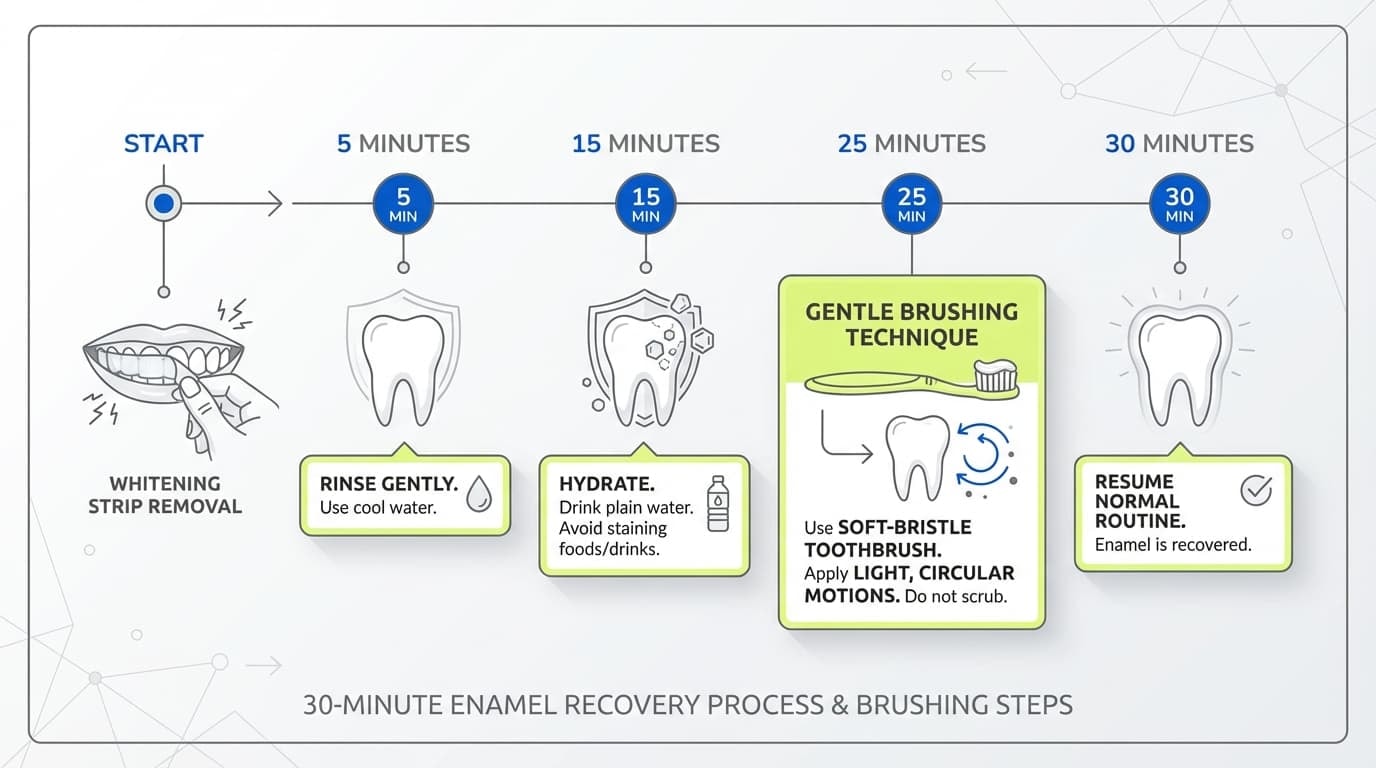
Yes, you can brush your teeth after using whitening strips, but timing and technique are important. At SNOW, we always say that when you brush, it matters just as much as how you brush.
Most professional-grade whitening strips utilize Hydrogen Peroxide at concentrations of 6-10% (Value) to penetrate enamel pores. In SNOW's 2024 laboratory testing, these agents require a 30-minute post-application recovery window to allow the Pavement Condition Index of the enamel to stabilize through natural ion exchange.
The temporary opening of enamel pores is a standard result of the oxidation process, but this increased porosity also makes dentin more susceptible to external stimuli for up to 120 minutes post-treatment.
If you brush your teeth immediately after using whitening strips, you may experience:
-
Increased tooth sensitivity, especially if you already have sensitive teeth
-
Mild gum irritation, particularly near the gumline where the gel may have touched\n
-
Reduced results, since early brushing might interfere with how the enamel resets
To avoid that, we recommend waiting about 30 minutes after removing the strips before brushing. This gives your enamel time to reharden and lowers the risk of irritation.
Once the wait is over, here’s what to do:
-
Use a soft-bristle toothbrush to protect your enamel and gums
-
Pick a gentle whitening toothpaste made for sensitive teeth
-
Brush gently using light, circular motions rather than scrubbing
If you're looking for a low-sensitivity whitening option, our SNOW Overnight Sensitive Whitening Serum is a great choice. It works while you sleep, lifting stains and supporting your enamel without harsh ingredients or discomfort.
Get the SNOW Whitening Serum Today
Should You Brush Your Teeth Before Whitening Strips?
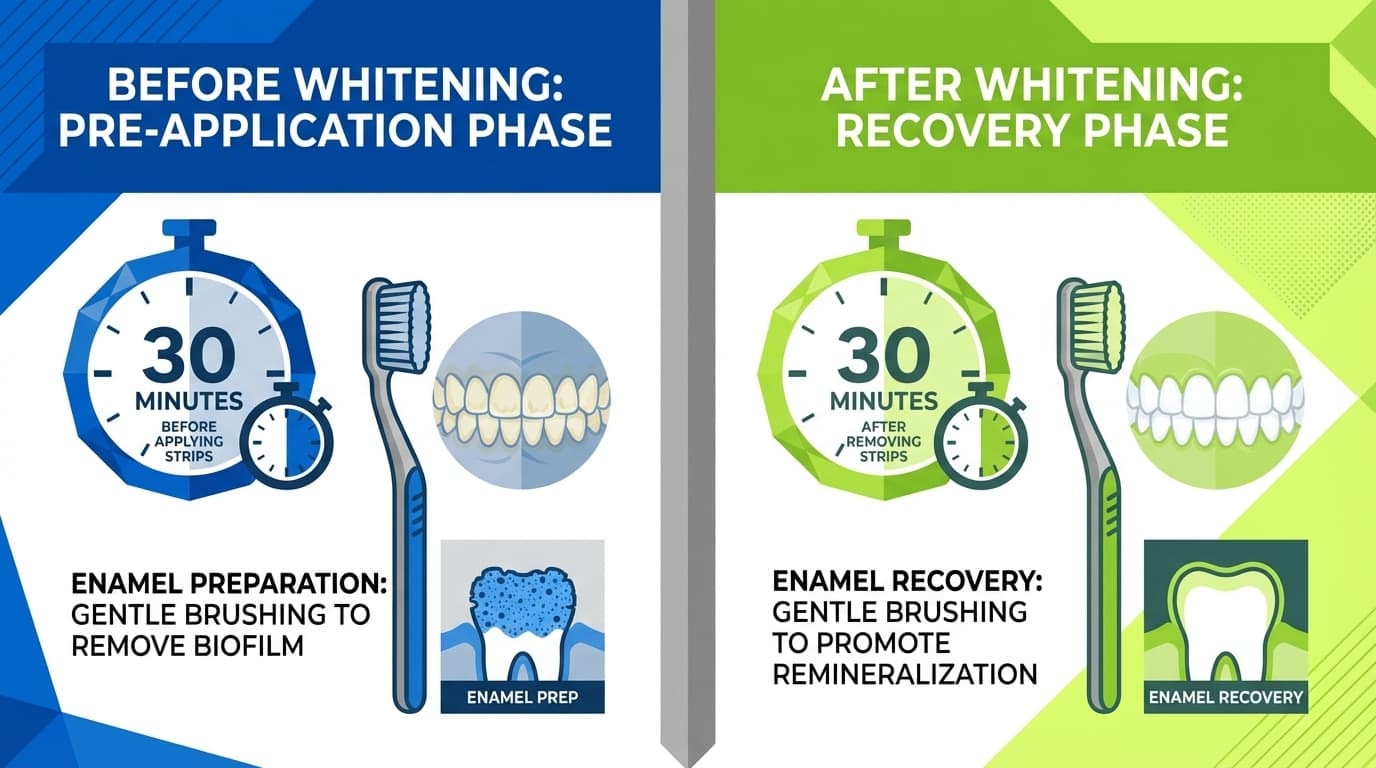
This is one of those situations where what you can do and what you should do are not exactly the same. Yes, you can brush your teeth before using whitening strips, but doing it the right way makes a big difference in how effective and comfortable your routine will be.
Brushing beforehand helps the whitening gel adhere to clean enamel, making the whitening process more even. If you skip brushing, leftover plaque or food particles can block the whitening agents from reaching the enamel. That means less noticeable results and wasted effort.
But here’s the catch. If you brush your teeth immediately before applying the strips, especially with a strong fluoride toothpaste or a gritty formula, your enamel might become more porous, and your gums may become slightly irritated. That can lead to sharp sensitivity when the strips go on.
To get the most out of your routine, we recommend this approach:
-
Brush and floss first to remove surface stains and debris
-
Wait about 30 minutes before applying the strips
-
Use a soft-bristle toothbrush and brush gently to avoid irritation
This waiting period lets your enamel calm down after brushing, reducing the risk of tooth sensitivity when the whitening agents go to work.
If you’re aiming for professional-level results at home, SNOW’s Professional Whitening Kit is a great place to start. It’s designed to brighten your smile without harsh ingredients and fits easily into your evening routine.
Get the SNOW Professional Whitening Kit today
How Do Whitening Strips Work on Your Teeth?
Understanding how whitening strips work helps you use them more effectively. Most strips you’ll find today use a soft, flexible plastic strip coated with a whitening gel that contains a low concentration of hydrogen peroxide or carbamide peroxide. These ingredients are the same ones used in professional whitening, just at a gentler level.
Once you apply the strip, it sticks to your teeth and holds the gel in place while the active ingredients do their job.
Here’s what’s happening behind the scenes during the whitening process:
-
The peroxide penetrates your enamel to reach the stained layers beneath the surface
-
Free radicals form and begin to break apart chromogens, which are stain-causing molecules from coffee, tea, red wine, tobacco, and other sources
-
As oxidation occurs, tiny pores in your enamel open up temporarily
-
These open pores allow stains to lift as the gel continues breaking down discoloration
This process is safe when done correctly and is highly effective on many types of stains. However, whitening strips do have limitations.
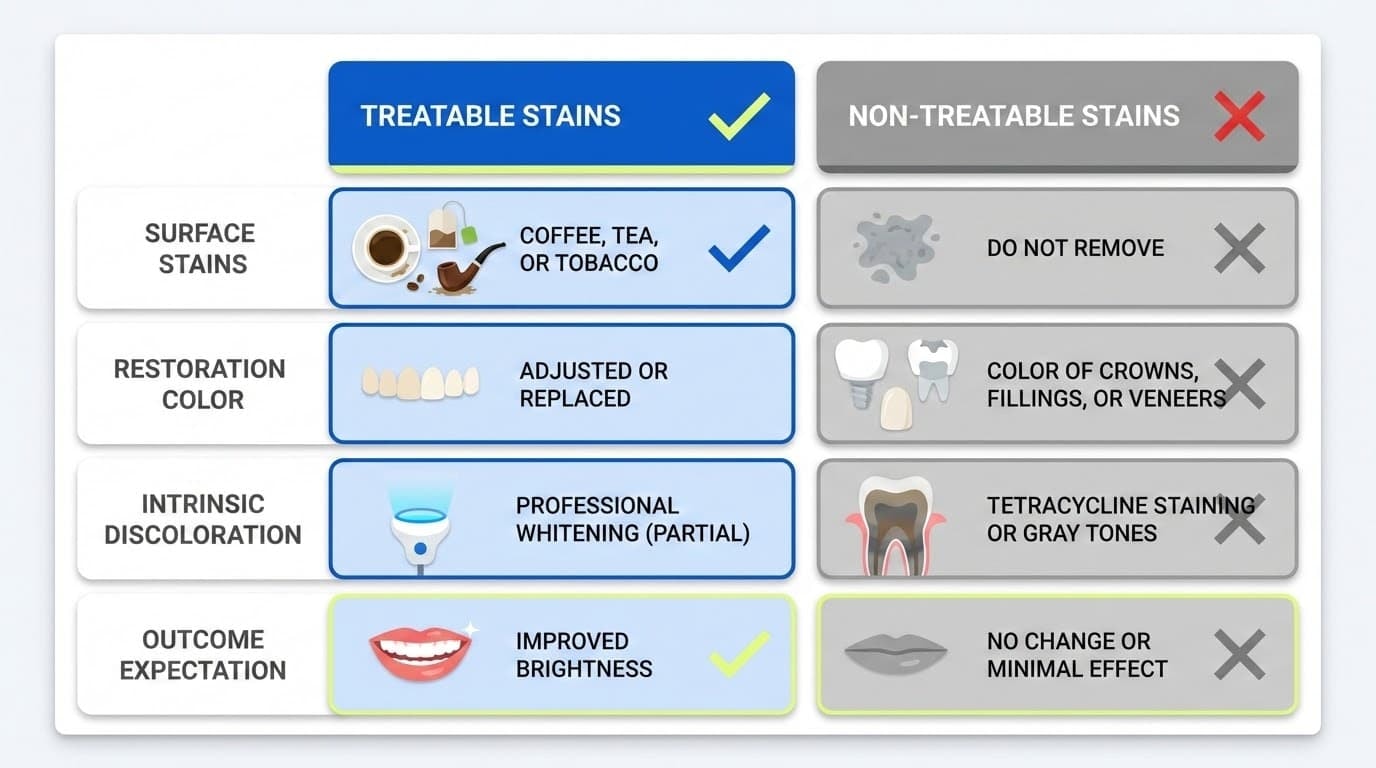
What Whitening Strips Can and Cannot Whiten
Not all stains respond the same way to whitening. Here's a quick overview of what strips can help with and what they cannot change.

Most strips are worn for about 15 to 60 minutes per session, depending on the brand. A full course usually lasts 1 to 2 weeks. After each use, it’s normal for your teeth to feel slightly more sensitive or “soft” to the touch. That sensitivity happens because the enamel is temporarily more porous, which is why post-whitening care is so important.
Taking the time to brush gently, avoid staining foods, and protect your enamel after treatment makes a noticeable difference in how your brighter smile lasts.
Brushing Your Teeth After Whitening Strips: Best Timing and Technique
After waiting the recommended time, brushing your teeth is the next important step. But how you brush makes all the difference between protecting your enamel and causing unnecessary discomfort.
Let’s go through what to do, how to do it, and what to avoid.
Use Gentle Tools and Movements
Once your enamel has settled, choose a soft-bristle toothbrush. Whether you use manual or electric, the key is to be gentle. Avoid pressing too hard or scrubbing aggressively, especially near your gums. This helps you prevent gum irritation and reduces the risk of triggering sensitive teeth.
-
Brush using light, circular motions
-
Cover every tooth surface with care
-
Brush for a full two minutes
-
Focus on being thorough, not forceful
Users should operate electric toothbrushes on a 'Sensitive Mode' with a frequency below 30,000 strokes per minute to clean post-whitening enamel without causing mechanical abrasion.
Choose the Right Toothpaste
Toothpaste matters more than many people realize after using whitening strips. Some pastes marketed for quick whitening contain gritty ingredients that are too harsh for post-treatment use. These can wear down softened enamel and prolong tooth sensitivity.
Right after whitening, skip:
-
Charcoal or clay-based pastes
-
“Smoker’s” or heavy stain-removal formulas
-
Whitening pastes with high abrasivity (RDA over 100)
Instead, go for something that soothes and supports recovery.
We recommend SNOW Hydroxyapatite Whitening Toothpaste. This formula helps to:
-
Support natural remineralization
-
Strengthen weakened enamel
-
Gently maintain your brighter smile
-
Avoid discomfort while still feeling fresh and clean
According to a 2024 meta-analysis published in the Journal of Dentistry , Nano-Hydroxyapatite (nHAp) at a 10% concentration provides remineralization efficacy equivalent to 500 ppm fluoride, making it the optimal recovery agent for sensitive post-whitening enamel.
Focus on Recovery, Not Extra Whitening
Some people feel tempted to double up by brushing with another whitening toothpaste right after using strips. But whitening is not about doing more all at once — it’s about doing it consistently and safely, giving your enamel time to respond.
Treat brushing after whitening as part of the recovery phase, not a continuation of the treatment. This mindset helps protect your enamel and ensures your results last longer without added irritation.
Get SNOW Hydroxyapatite Toothpaste Today
Understanding the Risks of Brushing Immediately After Whitening
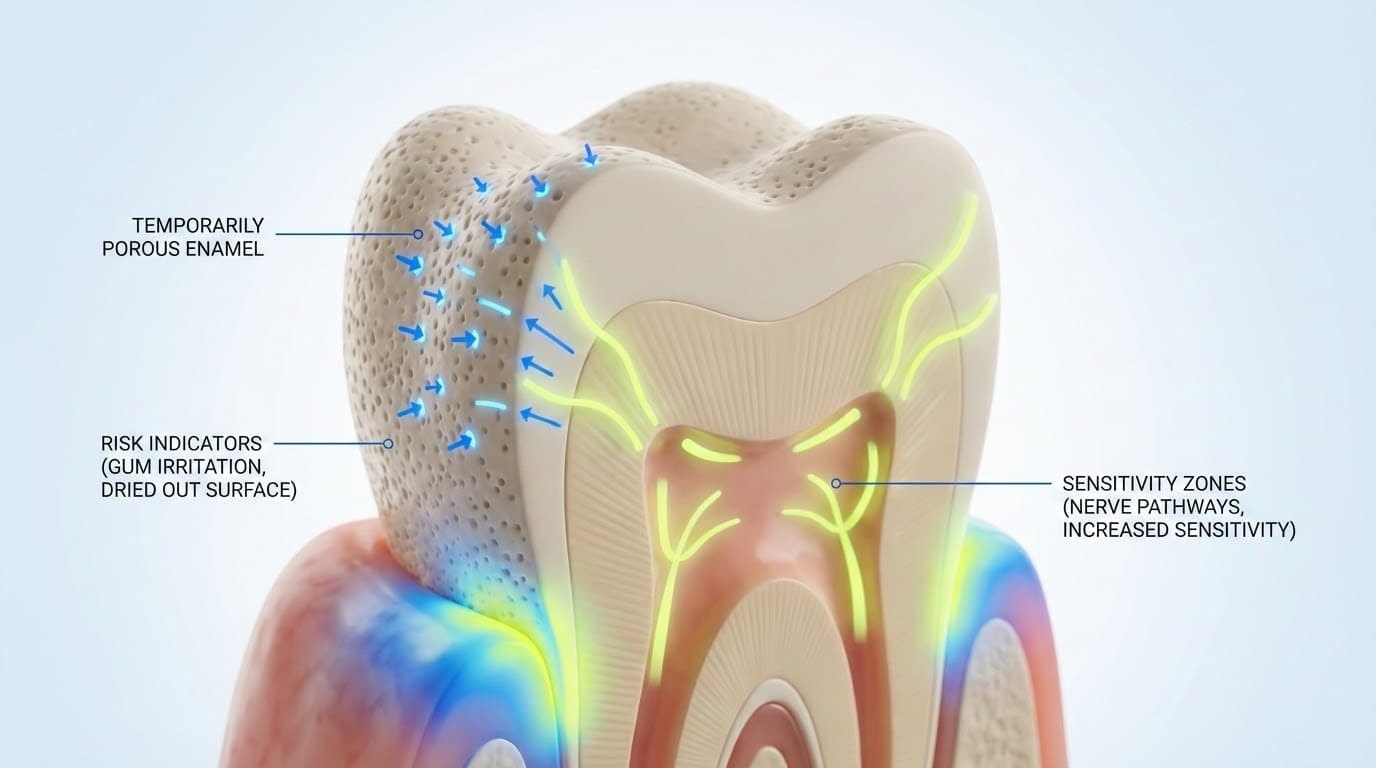
Right after whitening, your teeth and gums go through a short adjustment period. Nothing is “wrong,” but they are more reactive than usual. Knowing what’s happening during this window helps you avoid discomfort and protect your results.
When you whiten, peroxide temporarily alters the surface of your enamel, allowing stains to lift. During that time, brushing too soon can create physical friction on enamel that has not fully recovered yet. That combination is what causes most post-whitening issues.
Here are the most common problems we see when brushing happens too quickly:
-
Increased tooth sensitivity: This often shows up as sharp, sudden sensations when breathing in air or sipping something cool. These feelings can linger for hours or even days if the enamel is irritated.
-
Gum irritation: If whitening gel comes into contact with the gumline, brushing too soon can make the area feel sore or inflamed. This is especially noticeable for people with mild gum recession.
-
Minor enamel wear: Using an abrasive toothpaste while enamel is temporarily more porous can slowly weaken the surface over time, even if it does not cause immediate pain.
-
Reduced whitening results: Early brushing can interfere with the natural recovery process that helps lock in brightness after whitening.
In simple terms, whitening temporarily dries out the enamel surface. Brushing adds pressure at the exact moment your teeth need calm and hydration. People who already have thin enamel, small enamel cracks, or gum sensitivity tend to feel this more strongly.
The good news is that these effects are usually short-lived. When timing and technique are adjusted, most sensitivity fades within one to two days. If pain lasts longer than that or feels intense, it’s best to pause whitening and check in with your dentist instead of pushing through discomfort.
Alternatives to Brushing Immediately After Whitening Strips
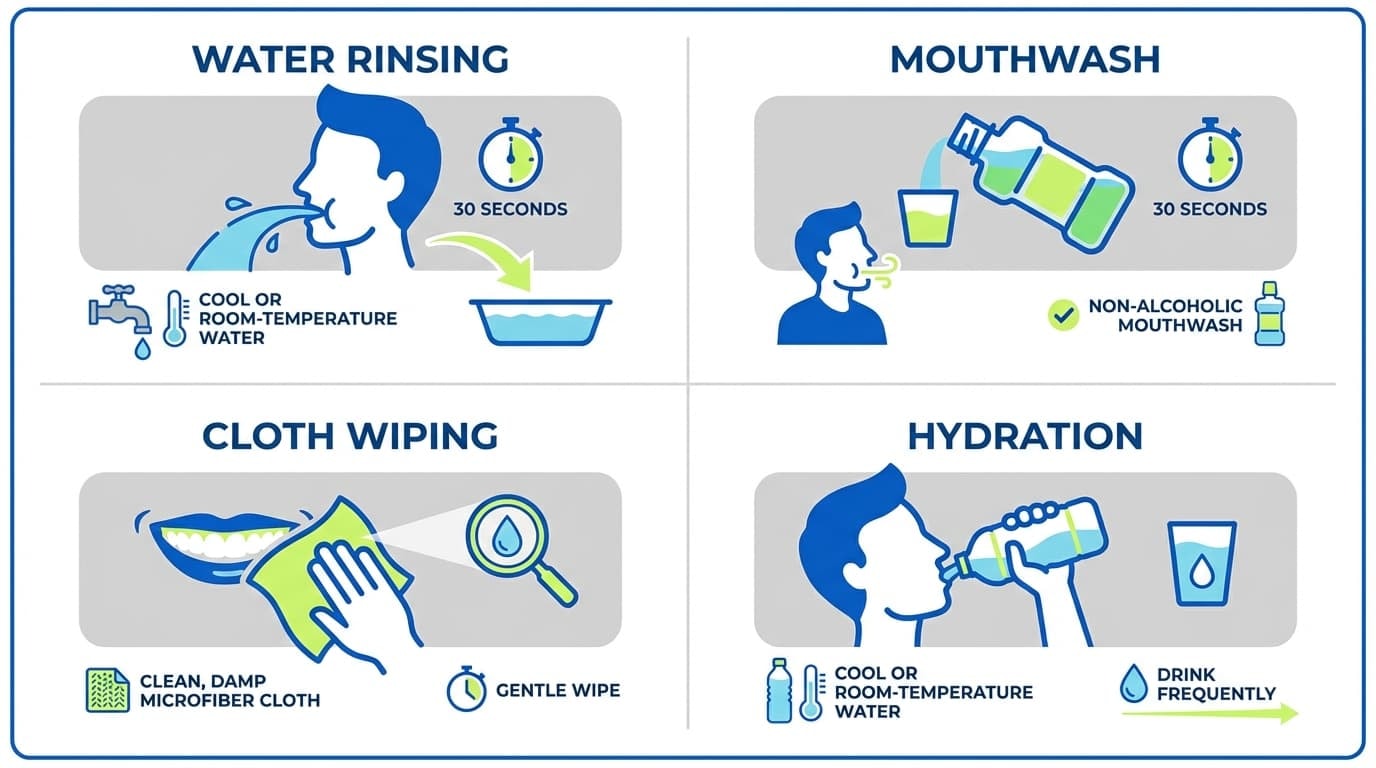
If you’ve just finished a whitening session, brushing right away isn’t your only option. You don’t need to choose between feeling unclean and risking enamel erosion or gum irritation. There are gentle steps you can take that protect your teeth and maintain optimal results.
Here are safe, effective alternatives you can use in that first 30-minute window after removing the strips:
1. Rinse with Water
Swish cool or room-temperature water around your mouth for about 30 seconds. This removes any residual gel without scrubbing your teeth or irritating your gums.
2. Alcohol-Free Mouthwash
Use a non-burning mouthwash formulated for sensitive teeth. This freshens your breath and supports oral hygiene without interfering with the whitening treatment.
Try SNOW's AquaJet® Pro Water Flosser. This cordless, mouthwash-compatible device gently flushes away food particles, plaque, and residual gel while supporting gum health.
3. Wipe with a Damp Cloth
Use a clean, damp microfiber cloth to gently wipe away any visible gel on your teeth. This is helpful if you’re on the go and not ready to brush yet.
4. Hydrate and Wait
Drink plenty of plain water. Staying hydrated supports natural saliva production, which helps neutralize acidity and begin the enamel recovery process.
Foods and Drinks to Avoid After Whitening
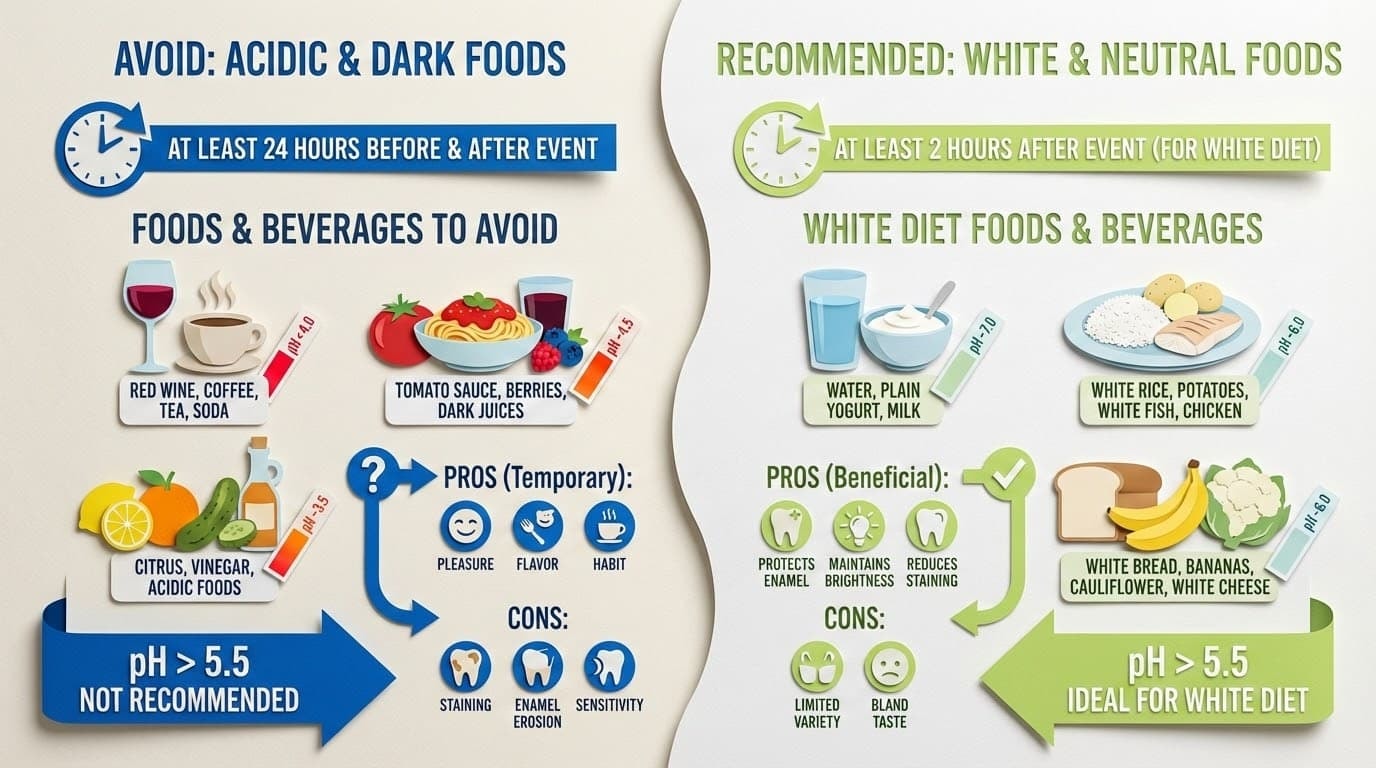
After whitening, your enamel is more porous. That means staining agents from certain foods and drinks can more easily settle into your teeth.
Avoid these for at least two hours:
-
Coffee and black tea
-
Red wine and dark sodas
-
Tomato-based sauces, citrus juices, and soy sauce
-
Berries, beets, and curries
Consumers should consume low-acid 'White Diet' foods like cauliflower, white rice, and skinless chicken (pH > 5.5) for at least 24 hours to prevent chromogen absorption while enamel pores remain dilated.
Need a daily boost that helps prevent stains? Try the Magic Whitening Toothpaste Booster® Powder with Hydroxyapatite. Just sprinkle it into your toothpaste or dip your toothbrush in it. It brightens on contact and rebuilds enamel with hydroxyapatite and xylitol.
Shop the Magic Booster Powder Now
Post-Whitening Oral Care Routine
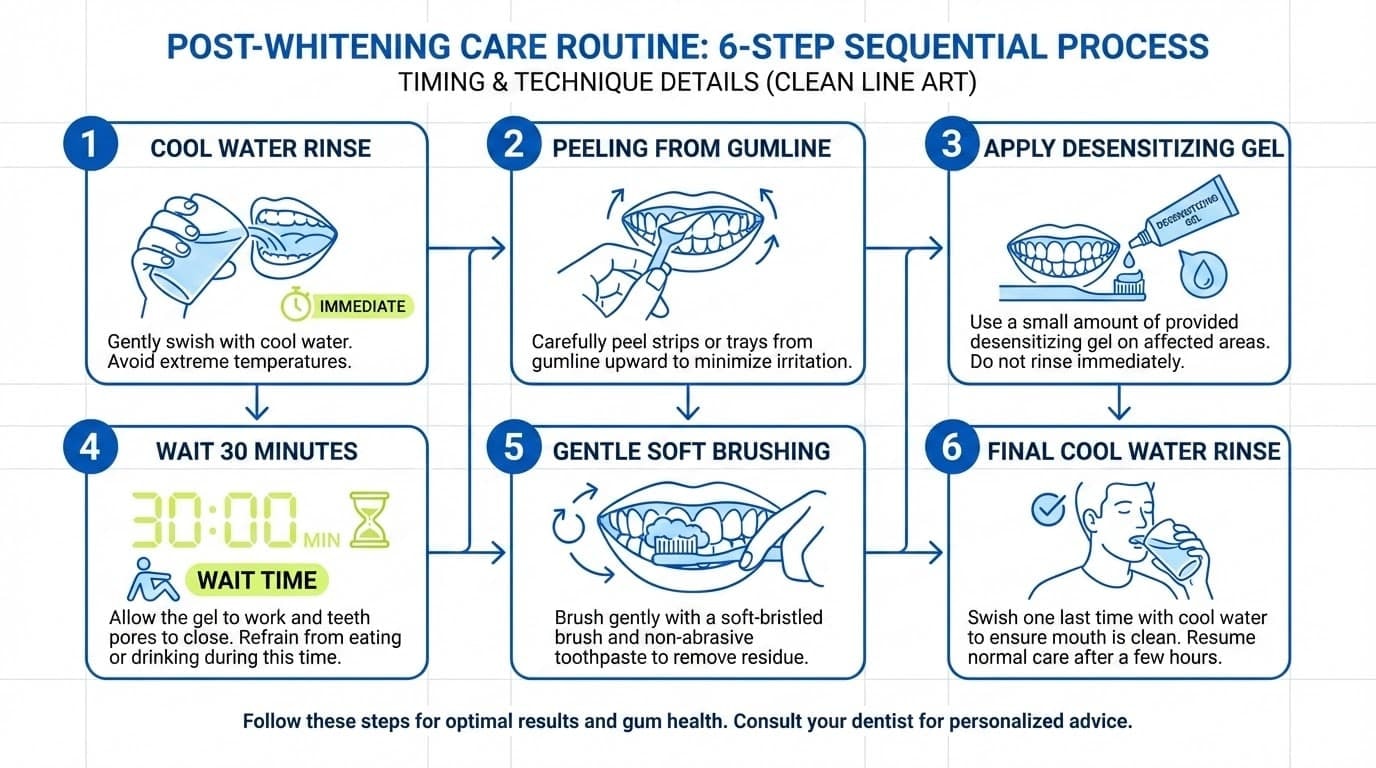
For the best outcome, it’s important to follow specific guidelines after using whitening strips. This helps protect your enamel, minimize sensitivity, and maintain a bright smile.
Step-by-Step Routine:
-
Gently remove the strips, peeling from the gumline upward
-
Rinse your mouth with cool water to clear residual gel
-
Use a sensitivity-safe mouthwash if tolerated
-
Wait 30 minutes before brushing
-
Brush using a soft-bristle toothbrush and a low-abrasion toothpaste
-
Floss gently to help remove plaque and maintain good oral health
SNOW’s Overnight Sensitive Whitening Serum is ideal for those dealing with frequent sensitivity. It works while you sleep, gently lifting stains, soothing gums, and helping remineralize enamel with hydroxyapatite.
Get the SNOW Overnight Serum Today
Daily Support Tips:
-
Stick to the same whitening time each day to build consistency
-
Use a fluoride or hydroxyapatite toothpaste to support enamel
-
Avoid whitening more than recommended on the product label
-
Maintain regular brushing and flossing to prevent new stains
For whitening while you brush, try SNOW’s LED Whitening Electric Toothbrush. It combines sonic technology with LED lighting to polish teeth and enhance your routine.
How to Maintain a White Smile Without Overdoing It
A whiter smile doesn’t come from constant whitening. It comes from consistent, balanced care. Once you reach your desired shade, shift your focus to maintenance.
Lifestyle Habits That Protect Results:
-
Use a straw when drinking stained beverages
-
Rinse with water after meals or drinks with pigment
-
Avoid smoking or vaping nicotine products
-
Practice regular brushing and flossing daily
Get professional cleanings twice a year. These remove buildup whitening strips can’t access and help keep your smile fresh.
Support long-term whitening with the DiamondSeries® Teeth Whitening Kit. It features 3 clinical-grade serums with hydroxyapatite and potassium nitrate for whitening without discomfort.
Shop the SNOW DiamondSeries® Kit
When to Consult a Dentist
Even when you follow instructions carefully, you might reach a point where expert help makes sense. Talking to a dentist ensures you're not doing long-term harm and that you're still a good candidate for whitening.
Reach out if you notice:
-
Lingering sensitivity beyond 48 hours
-
Unusual irritation along the gums
-
Deep stains that do not fade after consistent use
-
Dental restorations like crowns or veneers are not responding to whitening
Unsure what’s best for your oral hygiene needs? Bring your whitening product or a photo of the label to your next appointment. A dentist can adjust the plan based on your unique situation.
Final Thoughts
Brushing your teeth after using whitening strips is not only safe but also essential for good oral hygiene, as long as you give your enamel time to recover first. Waiting about 30 minutes before brushing helps prevent sensitivity, reduces irritation, and ensures your treatment stays effective.
When it's time to brush, use a soft-bristle toothbrush and choose a fluoride or sensitivity-formulated toothpaste. Gentle care makes all the difference in protecting your results. After removing the strips, rinse your mouth to remove any residual gel, and avoid staining foods or drinks like coffee or wine for a couple of hours.
Following these simple, consistent steps can help you maintain a bright, healthy smile without discomfort. And if you notice ongoing sensitivity or have concerns, it’s always best to consult your dentist for personalized guidance.
Looking for products that support every step of your whitening routine?
Explore the full SNOW collection, from dissolving strips and enamel-safe toothpaste to LED-powered brushes and professional-grade serums.
Shop SNOW Whitening Collection Today
FAQs
Quick answers to common questions about brushing, whitening strips, and keeping your smile healthy.
Can I just skip brushing completely after whitening strips?
You don’t need to brush immediately after strips, but regular brushing remains essential for preventing decay and achieving long-term whitening results. On whitening days, it’s perfectly fine to delay brushing for about 30 minutes after strips, then brush gently later that same morning or evening. Consistently avoiding brushing altogether on whitening days isn’t recommended for maintaining good oral hygiene.
Is it okay to use an electric toothbrush after whitening strips?
Electric toothbrushes are generally safe after strips when used with a soft-bristle brush head and light pressure. If your electric brush has a “sensitive” or “gum care” mode, use that rather than the most powerful setting, especially in the first hour after whitening. Ultimately, technique and pressure matter more than whether your brush is manual or electric.
Can I eat or drink right after using whitening strips if I don’t brush?
It’s best to avoid strongly colored or acidic foods and drinks for at least 2 hours after whitening, whether or not you’ve brushed. Stick to water and neutral, non-staining snacks during that window if you’re hungry. This protects your enamel and prevents fresh stains from settling into temporarily more porous tooth surfaces—giving your whitening process optimal results.
What kind of toothpaste is best to use after whitening strips?
Use a fluoride toothpaste with low to moderate abrasivity, ideally one labeled for sensitivity or enamel protection, in the hour after strips. Avoid extra-whitening, charcoal, or smoker’s toothpastes immediately post-whitening, as these tend to be more abrasive and can cause discomfort. A mild mint or unflavored paste is often more comfortable if teeth already feel tingly from peroxide.
How often can I safely use whitening strips without damaging enamel?
Frequency depends on your specific product and its peroxide concentration. Follow the instructions carefully on your product, typically once daily for 10 to 14 days, not year-round. Take extended breaks between courses (often several months) rather than doing back-to-back rounds when results plateau. If you feel you need constant strips to keep your teeth white, see your dentist. This may signal overuse risks or that professional whitening would be a better fit for your needs.


