

Noticing dark spots after using a medicated rinse? Those are chlorhexidine stains, harmless but frustrating marks that can stain teeth within days of use.
The good news is that you can safely and effectively remove chlorhexidine stains. From fast professional cleanings to targeted whitening toothpaste routines, chlorhexidine stain removal is easier than you think.
This guide explains how to remove chlorhexidine stains from teeth using proven methods that support long-term teeth-whitening results.
Key Takeaways
-
Chlorhexidine stains are reversible and surface-level. Up to 50% of users develop brown stains within two weeks of using chlorhexidine mouthwash. These are extrinsic stains that sit on the tooth surface and can be safely removed.
-
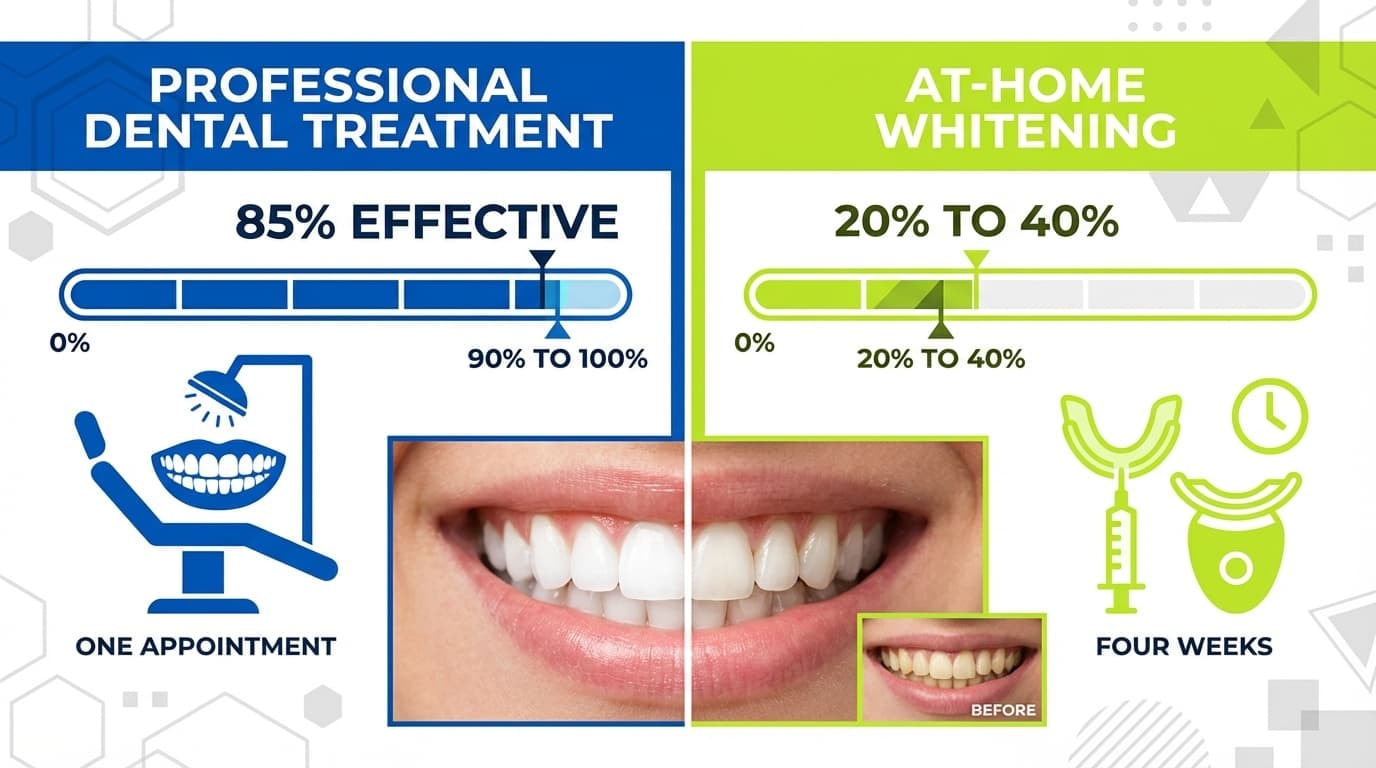
Professional cleanings remove up to 100 percent of stains. Scaling and rubber cup polishing by a dental hygienist or dentist can eliminate most stains in a single visit. Air polishing is a gentler alternative that is 85 percent effective.
-
At-home products like whitening toothpaste and SNOW kits help maintain results. Whitening toothpaste with hydrogen peroxide can reduce stains by 20 to 40 percent over four weeks. SNOW’s Whitening Toothpaste and LED Whitening Kit are safe, effective tools for daily stain removal.
-
Prevent staining by using the right rinse and maintaining good hygiene. Switch to 0.12% chlorhexidine gluconate to reduce staining. Avoid tea, coffee, and red wine for 30 minutes after rinsing, and maintain consistent brushing and flossing to prevent buildup.
-
Whitening is safe after chlorhexidine but should be done carefully. Whitening treatments can safely remove surface stains. Use fluoride toothpaste to reduce sensitivity, and talk to your dentist if you experience discomfort or are unsure about the timing.
What Causes Chlorhexidine Stains
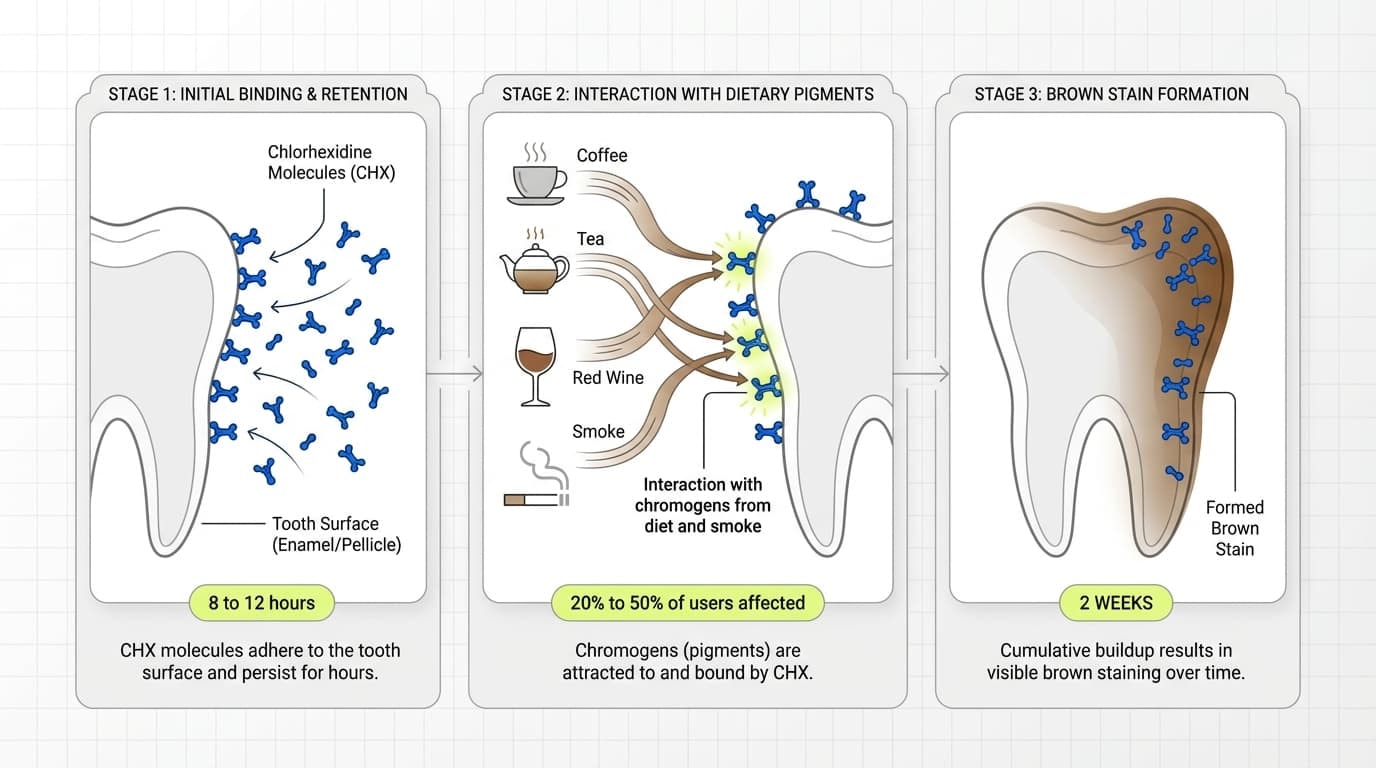
Chlorhexidine (CHX) is a prescription rinse that binds to oral surfaces for 8 to 12 hours while reducing plaque by 55% and gingivitis by 30% over 21 days.
However, visible brown stains can appear in 20% to 50% of users after just 2 weeks. These extrinsic stains result from CHX interacting with proteins on your teeth and from dietary pigments in coffee, tea, red wine, and smoke.
Plaque buildup makes it worse. In the same study, plaque-covered tooth surfaces developed calculus in 26.19% of cases vs. 4.52% on plaque-free areas, with stain intensity increasing 2 to 3 times.
Dark beverages like tea, coffee, and wine can increase CHX stain severity by 40% to 60%, underscoring the importance of diet.
How to Remove Chlorhexidine Stains
Chlorhexidine stains don’t have to be permanent. From in-office treatments to at-home whitening, there are several effective ways to lift these surface stains and restore your smile. Below are the most proven methods, starting with professional options and moving into gentle, dentist-approved at-home care.
Professional Treatment
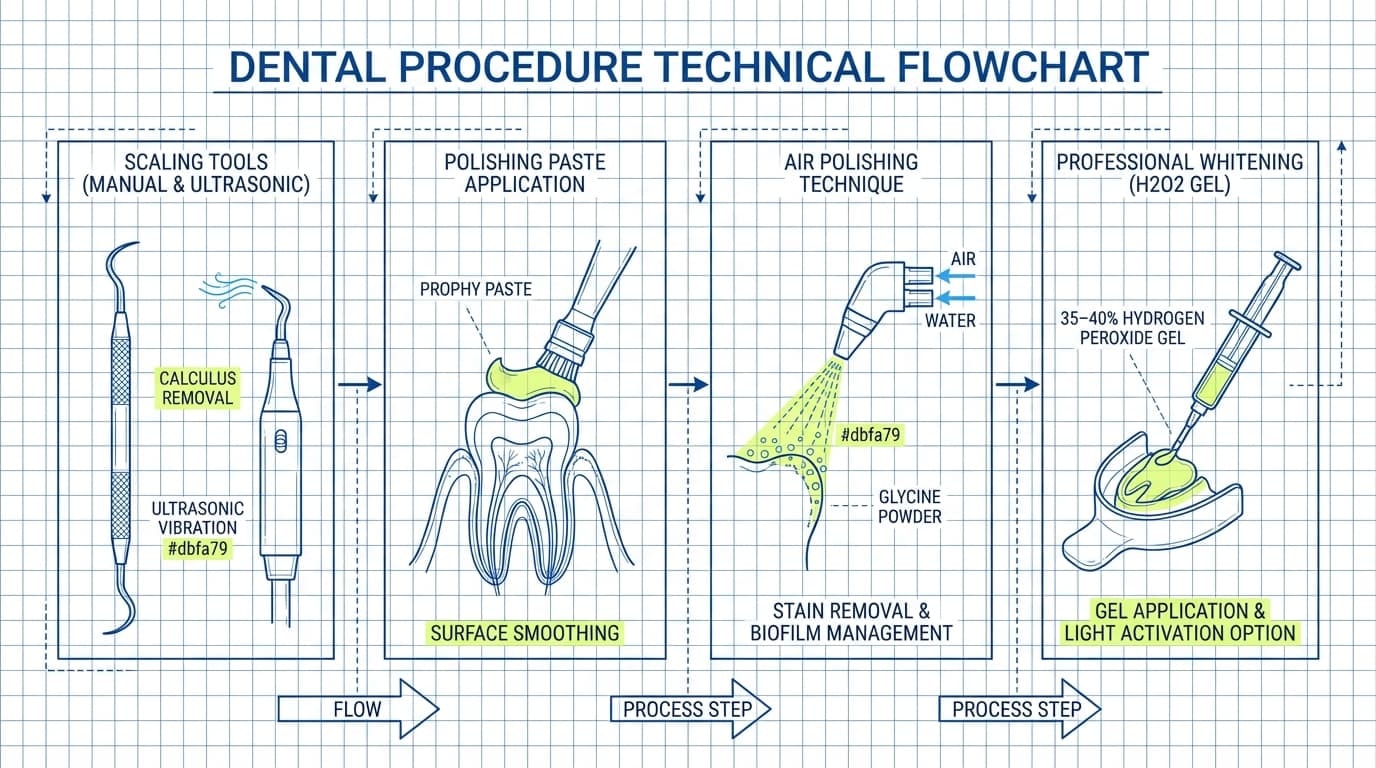
The fastest and most effective way to remove chlorhexidine stains is through professional dental treatment. In-office scaling and polishing can eliminate 90% to 100% of CHX stains in just one appointment.
During scaling, a hygienist uses manual or ultrasonic tools to remove plaque, tartar, and surface stains. Polishing is followed by professional pastes that smooth the enamel and lift any remaining discoloration.
For patients with more extensive staining or those with sensitive gums, air polishing is a gentler alternative. This technique uses a stream of air, water, and glycine powder to remove buildup. It's shown to be 85% effective in lifting chlorhexidine stains without damaging enamel.
In some cases, your dentist may recommend professional teeth whitening using a high-concentration hydrogen peroxide gel (typically 35–40%) activated with a dental light. This can be helpful if:
-
The stains have bonded with deeper tooth surfaces
-
You want a brighter-than-natural result
-
You prefer fast cosmetic improvement (1–3 visits)
While cleaning alone is often enough to address chlorhexidine stains, whitening can take your results even further, especially if you're also managing coffee or tea stains.
At-Home Whitening
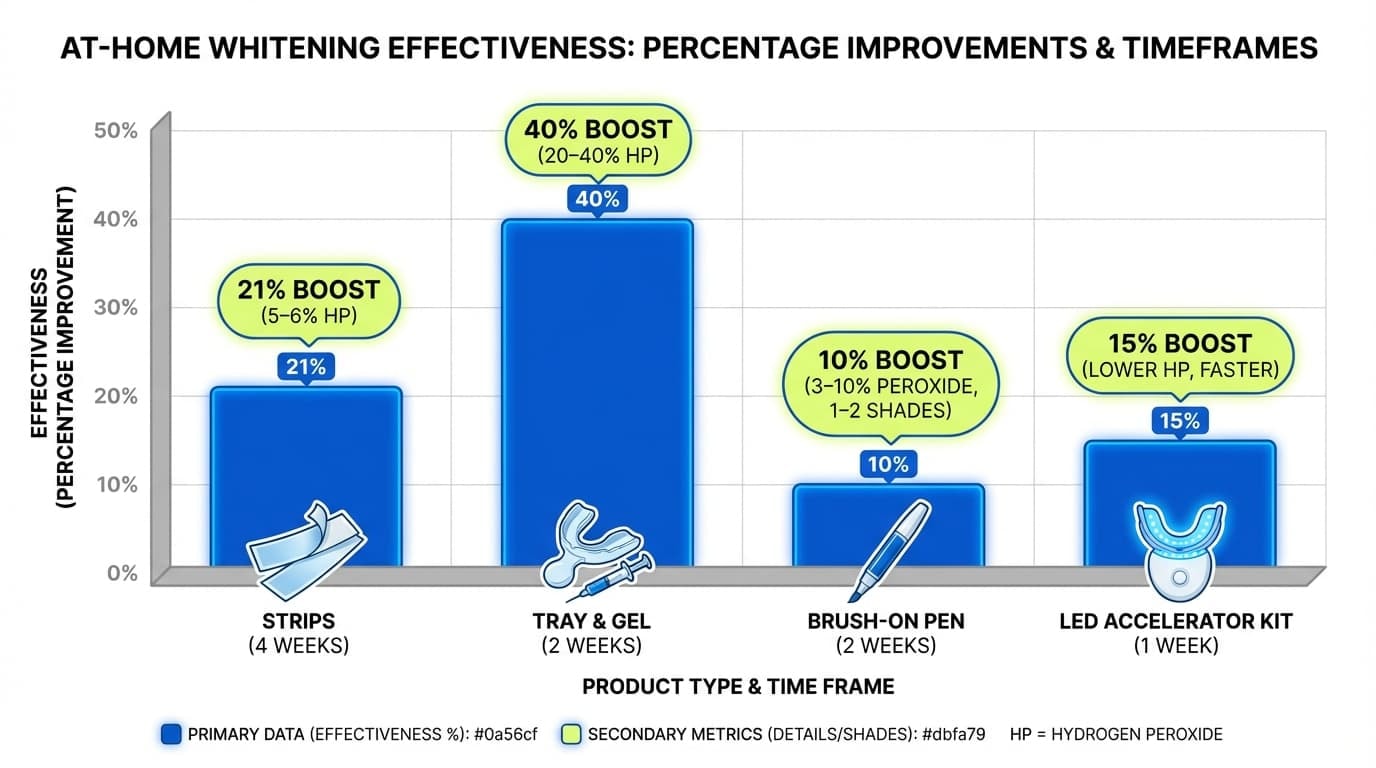
Home care is ideal for mild stains, maintenance between cleanings, or as a complement to professional treatment. Whitening toothpastes with 5–6% hydrogen peroxide or safe abrasives can reduce 20% to 40% of mild CHX staining after four weeks of consistent use.
An electric toothbrush removes more surface pigments than manual brushing, delivering a 21% boost in stain reduction over time.
Recommended products for at-home stain removal:
-
SNOW Whitening Toothpaste: This enamel-safe, fluoride-based toothpaste contains hydrogen peroxide and polishing agents to lift surface stains. It’s ideal for twice-daily brushing and works well for ongoing prevention.
-
SNOW LED Whitening Kit: Combining a peroxide-based whitening serum with LED light technology, this system targets deep-set stains and delivers visible results in 10–21 days. It's gentle enough for sensitive teeth and approved by dental professionals.
-
Whitening strips (3–10% peroxide): Wear once daily for 10–30 minutes over 1–2 weeks. Brightens by 1–2 shades.
-
PAP+ peroxide-free formulas: A good choice for sensitivity-prone users. Clinical data show effective brightening with minimal irritation.
-
Activated charcoal toothpaste: When dentist-approved, these can help remove surface stains. However, ensure the formula is low-abrasive and contains fluoride.
To get the most from your whitening routine:
-
Brush your teeth twice a day with a soft-bristle brush and whitening toothpaste
-
Floss once a day to prevent stain-prone buildup between teeth
-
Avoid dark drinks like tea, coffee, or wine after using whitening products
When to Stop or See a Dentist
If your gums become red, sore, or irritated, discontinue whitening. Over 10% of users report gum discomfort with whitening agents. Watch for:
-
Lingering tooth sensitivity or pain
-
Burning sensations on gums or lips
-
Visible enamel roughness or soft spots
These may signal overuse or a reaction to the product. Always consult your dentist before continuing treatment.
If you're planning to use chlorhexidine again, ask for a pre-treatment cleaning, which can reduce the risk of new stains by 50%. Your dental team can also advise you on how to prevent re-staining with personalized oral care tips.
By combining professional cleaning with SNOW’s whitening products and smart at-home care, you can safely and effectively remove chlorhexidine stains and protect your enamel for a cleaner, brighter smile.
How to Prevent Staining While Using Chlorhexidine
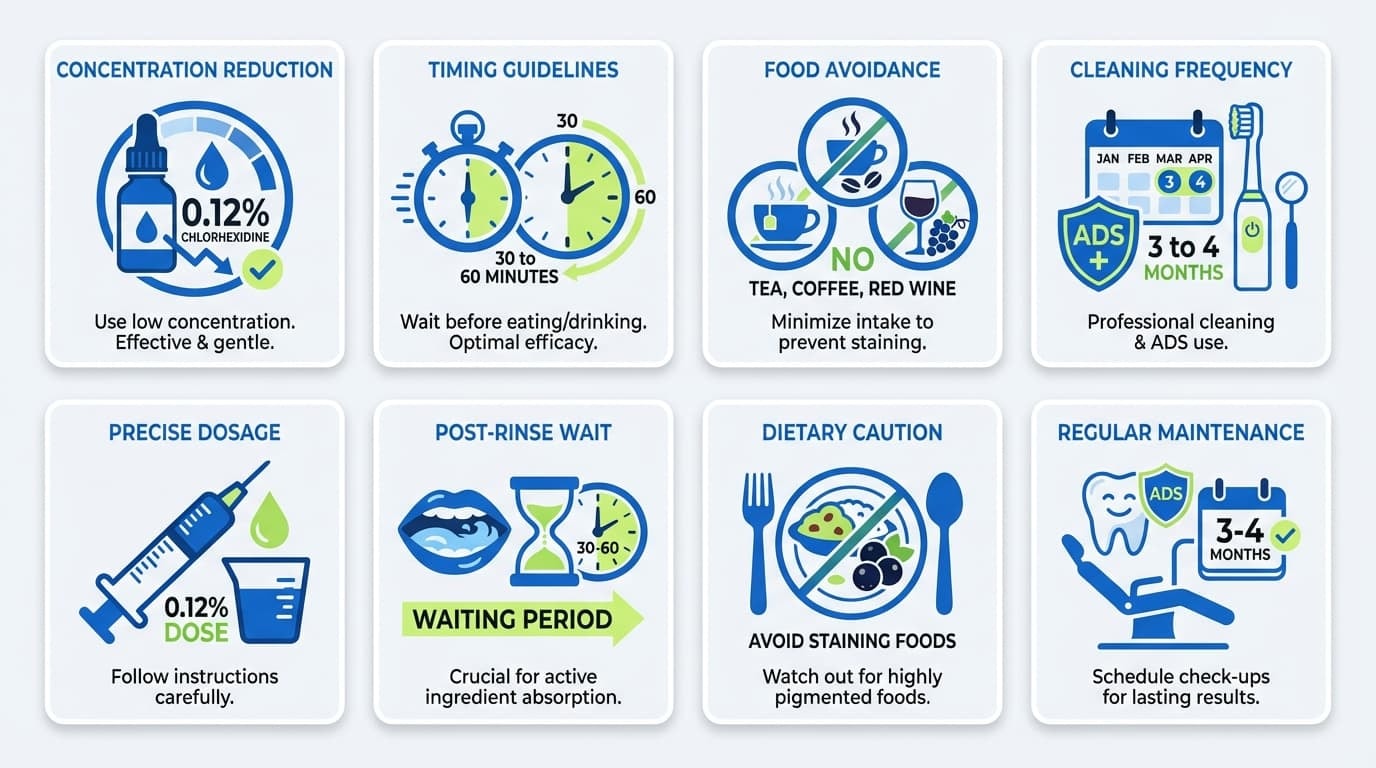
Preventing stain formation during chlorhexidine mouthwash use is possible with a few proactive steps. While chlorhexidine gluconate is effective for controlling plaque and improving oral health, it can lead to brown stains on teeth, especially with long term use. Here are proven ways to minimize discoloration and preserve a bright smile.
Use Lower Concentrations of Chlorhexidine
Chlorhexidine mouthwash is often available in two concentrations: 0.2% and 0.12%. Clinical research shows that 0.12% chlorhexidine provides the same antibacterial effects while causing significantly fewer stains. If you're concerned about staining, ask your dentist if a lower-strength rinse is appropriate for your treatment.
Choose Anti-Discoloration Formulas (ADS)
Some rinses include an anti-discoloration system (ADS) that interrupts the chemical process behind brown stains. These rinses maintain plaque and gingivitis control while reducing visible stain buildup. Curasept and similar ADS-based rinses are excellent options for patients who require chlorhexidine therapy but want to avoid cosmetic staining.
Avoid Staining Foods and Drinks
Certain foods and beverages accelerate stain formation when combined with chlorhexidine. Tea, coffee, red wine, and dark sodas contain chromogens that bind to treated surfaces. To minimize risk, avoid consuming these within 30 to 60 minutes of rinsing. This small habit change can make a noticeable difference in stain prevention.
Practice Proper Rinsing Technique
Don’t rinse with water immediately after using chlorhexidine, as it reduces the treatment's effectiveness. Swish for the full prescribed time, typically 30 to 60 seconds, and avoid eating or drinking for at least 30 minutes. These simple habits help the rinse bind effectively without encouraging more stains.
Maintain Consistent Dental Hygiene
Daily brushing with fluoride toothpaste, flossing, and regular tongue cleaning reduce plaque accumulation—the main surface where chlorhexidine stains form. Less plaque means fewer places for pigments to stick. An electric toothbrush and good technique are essential tools for keeping your teeth clean and stain-free.
Schedule More Frequent Cleanings
If you're on long-term chlorhexidine use, consider professional cleaning every 3 to 4 months instead of the standard 6-month interval. A dental hygienist can perform polishing and scaling to remove stains before they accumulate, especially along the gumline and between teeth.
Whitening Safety After Chlorhexidine
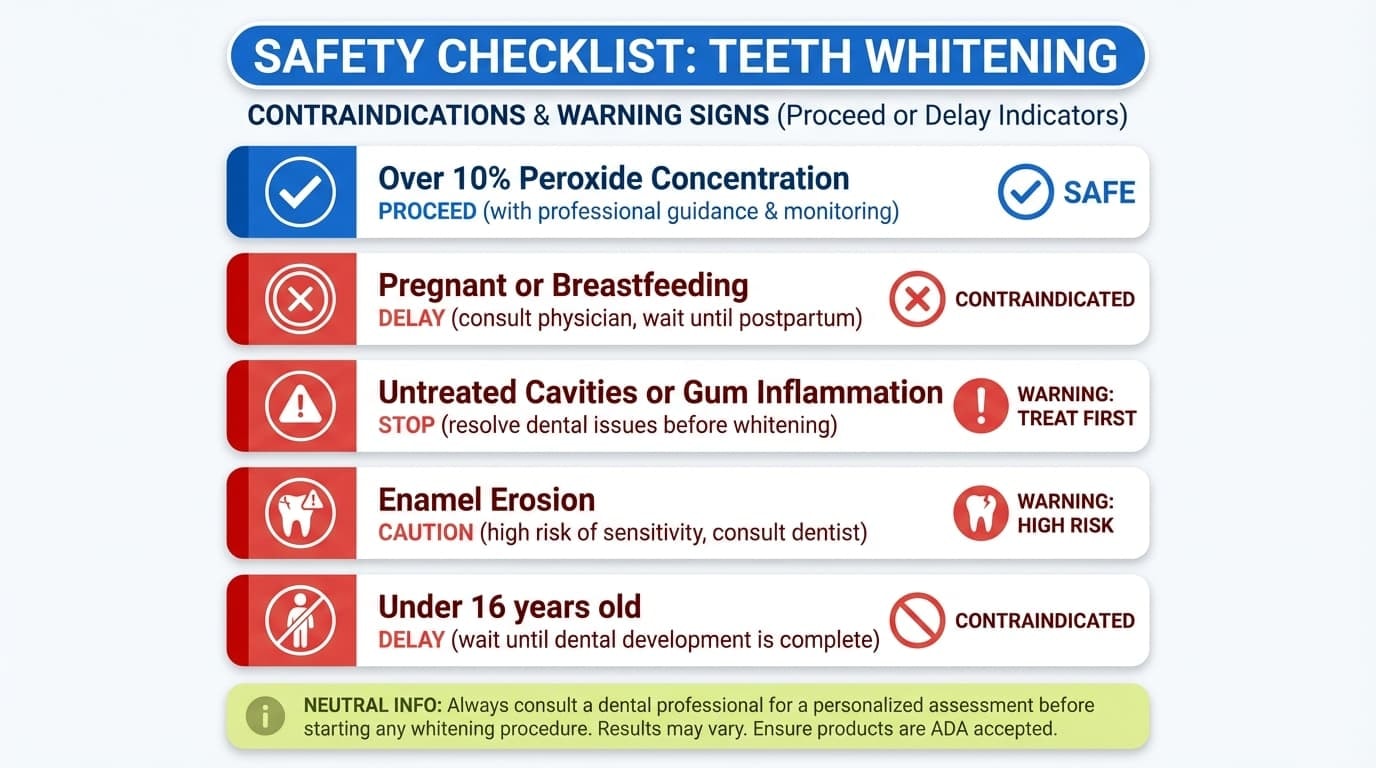
Many patients wonder if teeth whitening is safe after using chlorhexidine. The answer is yes, with the right precautions.
Is It Safe to Whiten After Chlorhexidine?
Yes. Chlorhexidine stains are extrinsic—they sit on the surface—and do not alter tooth structure or weaken enamel. Whitening treatments simply remove or bleach these pigments. If your enamel and gums are healthy, whitening is safe.
Side Effects and Risks to Watch For
Common adverse effects of whitening include temporary tooth sensitivity and gum irritation. These are usually mild and resolve within a few days. However, if you experience persistent discomfort or white patches on your gums, stop treatment and consult your dentist.
When to Delay Whitening
Wait on whitening procedures if you:
-
Are you pregnant or breastfeeding
-
Have untreated cavities or gum inflammation
-
Show signs of enamel erosion
-
Are under 16 years old
Your dentist will help determine the best time based on your oral health status.
Reduce Sensitivity During Treatment
To minimize tooth sensitivity during whitening, use a fluoride toothpaste or remineralizing gel both during and after treatment. Avoid layering multiple whitening methods at once, which can increase irritation. SNOW’s Whitening Toothpaste is specially formulated with hydrogen peroxide and hydroxyapatite to gently lift stains, strengthen enamel, and soothe sensitivity. It’s safe for daily use and ideal for sensitive smiles going through stain removal or bleaching.
Try SNOW’s Whitening Toothpaste
Should You Switch to a Non-Staining Alternative?
If staining persists despite prevention, you might consider switching to a different mouthwash.
Non-Staining Antiseptic Rinses
Alternatives like polyhexanide or chlorine dioxide offer antibacterial benefits similar to chlorhexidine but without the side effect of brown or black stains. These are great for patients who rely on rinses long-term or who frequently consume stain-promoting beverages.
ADS vs Other Alternatives
ADS formulations still contain chlorhexidine gluconate, but with additives that block stain formation. They provide a compromise: strong plaque control with less discoloration. Polyhexanide and chlorine dioxide, while less common, may be better suited for patients who can't tolerate chlorhexidine.
Try a Whitening Mouthwash Designed to Prevent Staining
For a fresher, brighter smile with every rinse, consider SNOW Arctic Frost Whitening Mouthwash, an alcohol-free formula powered by hydrogen peroxide, hydroxyapatite, and peppermint oil. It helps remove surface stains, strengthen enamel, and soothe your gums without harsh ingredients or irritation. Ideal for daily use, this whitening mouthwash is especially helpful for patients dealing with ongoing stain formation from CHX or other causes.
-
Whiten and freshen with zero burn
-
Helps protect enamel and reduce future stains
-
Vegan, alcohol-free, and packed with soothing botanicals
When to Talk to Your Dentist
Discuss alternatives if you:
-
Feel self-conscious about stained areas
-
Experience recurrent discoloration despite good hygiene
-
Have cosmetic restorations that are difficult to clean
-
Speak publicly or work in client-facing roles
Your dentist can recommend the most effective methods to preserve both your dental health and the look of your smile.
With the right care and a personalized plan, it’s possible to remove stains, prevent new ones, and maintain a healthy, bright smile even when chlorhexidine is part of your routine.
Final Thoughts
Chlorhexidine stains can look alarming, but they are cosmetic, temporary, and completely manageable with the right approach. Professional cleanings remove most discoloration quickly, while smart at-home care helps keep stains from returning. Consistent brushing, mindful food choices, and gentle whitening routines make a noticeable difference over time.
If you want to maintain results between dental visits, the SNOW Whitening Collection offers simple ways to support a brighter smile at home. From enamel-safe whitening toothpaste to LED whitening systems and alcohol free mouthwash, each product is designed to lift surface stains while protecting your enamel and gums.
With the right routine and the right tools, you can remove stains, protect your oral health, and keep your smile bright even while using chlorhexidine.
Explore the SNOW Whitening Collection
FAQs
Got questions about chlorhexidine stains? Here’s what you need to know.
How long does it take for chlorhexidine stains to appear and how soon can they be removed?
Chlorhexidine stains typically show up after 1–2 weeks of twice-daily use. A professional cleaning can remove most staining in a single visit, while whitening toothpastes or strips may take 2–4 weeks of consistent use to lighten the teeth.
Will chlorhexidine stains come back after cleaning?
Yes, chlorhexidine stains can return if you're still using the rinse and regularly consume tea, coffee, or smoke. However, they’re not permanent and can be managed with proper brushing, flossing, and routine dental cleanings.
Can I just scrub harder with a stiff toothbrush to remove the stains?
No, scrubbing harder with a stiff brush can damage enamel and gums, causing gum recession and sensitivity. Use a soft-bristled brush or electric toothbrush with proper technique to avoid harm and remove surface stains safely.
Do chlorhexidine stains mean the mouthwash is too strong or unsafe?
Chlorhexidine stains don’t mean the rinse is unsafe; it often means it’s working. A 0.2% solution causes more staining than 0.12% with no added gum health benefit, so switching to a lower-strength or ADS formula can help.
Are there natural or home remedies that safely remove chlorhexidine stains?
Most DIY stain removers, like lemon juice or baking soda, are too abrasive and can harm your enamel. Stick to dentist-approved whitening toothpastes, electric toothbrushes, and whitening kits for safe and gradual improvement.


