

Choosing between LED whitening kits, strips, and serums depends largely on your specific teeth whitening goals, lifestyle, and sensitivity concerns.
If you want the fastest, most professional-grade results at home, LED whitening kits are typically the best choice because they combine peroxide-based whitening gels with blue light technology to accelerate stain removal.
Whitening strips offer reliable, full-mouth coverage over a few weeks and are a cost-effective option for consistent whitening without complex equipment. Meanwhile, serums and whitening pens provide convenient, on-the-go touch-ups and maintenance but are not designed for full-mouth whitening or rapid results.
This guide will help you understand how each method works, compare their costs and effectiveness, and offer advice on selecting the right product based on your sensitivity level and daily routine.
Whether you prioritize speed, convenience, or gentle care for sensitive teeth, knowing the strengths and limitations of LED kits, strips, and serums will empower you to achieve a brighter, whiter smile safely and effectively.
Key Takeaways
-
LED whitening kits are best for structured routines and fast results at home.
-
Whitening strips provide full-mouth coverage over 2-3 weeks with proven results.
-
Whitening pens and serums are perfect for on-the-go maintenance or touch-ups.
-
Hydrogen peroxide or carbamide peroxide are the main active ingredients in most effective teeth whitening products.
-
Tooth sensitivity should guide how often and what kind of whitening method you use.
What Are the Main Differences Between LED Kits, Strips, and Serums?
Choosing the right teeth whitening product depends on your lifestyle, how quickly you want results, your sensitivity level, and how much time you're willing to commit each day.
Here’s a quick side-by-side look at the most popular whitening methods to help you decide which option fits your needs best:

How Do LED Whitening Kits Work?
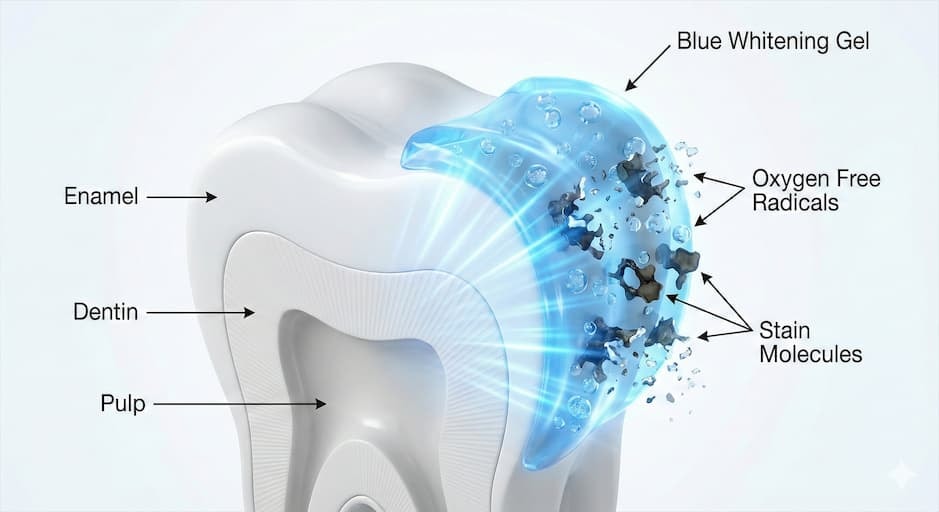
LED whitening kits work by combining a peroxide-based gel with blue light technology to accelerate the chemical breakdown of stains.
The LED light emits a specific wavelength that activates the hydrogen or carbamide peroxide, a process known as thermocatalysis, which increases the release of oxygen free radicals to lift deep discoloration faster than gel alone.
This method is the optimal choice for users seeking professional-grade results in short, 10-20 minute daily sessions.
These led kits use a peroxide-based whitening agent, usually hydrogen peroxide or carbamide peroxide, to break down teeth stains and brighten natural teeth. While the LED light does not whiten teeth by itself, it supports the whitening process by helping the gel work more efficiently, often delivering professional-grade results in just a few uses.
This makes LED kits a strong choice for people who want brighter teeth without visiting a cosmetic dentist.
-
How to use: Apply the whitening gel to your teeth, place the LED mouthpiece in your mouth, and activate the light for the recommended time, usually 9 to 16 minutes.
-
Best for: People who want fast, visible whitening results at home and can commit to a short daily routine.
Pros:
-
Visible results in 1 to 2 weeks
-
Short treatment time under 20 minutes
-
Helps target deeper stains
Cons:
-
Requires daily use
-
Higher upfront cost than some OTC whitening products
-
Less convenient for frequent travel
SNOW’s LED Whitening Kit is designed for effective whitening while supporting comfort. It uses dentist-recommended carbamide peroxide and potassium nitrate to help reduce tooth sensitivity, and LED light to help brighten teeth gently. This balance allows users to work toward a radiant smile without relying on harsh professional treatments.
Explore SNOW’s LED Whitening Kit
Are Whitening Strips Effective for Full Coverage?
Whitening strips are flexible plastic films coated with a thin layer of hydrogen peroxide or carbamide peroxide gel designed to mold to the teeth. When applied for 30-60 minutes, the peroxide remains in direct contact with the enamel, allowing the bleaching agent to steadily oxidize surface stains over a treatment course of 14-21 days. Because they physically adhere to the teeth, strips provide the most consistent, full-mouth coverage for users who prioritize even results over speed.
While strips take longer than LED kits, they remain a cost-effective and reliable option for people who want consistent whitening results without complicated tools.
According to a 2025 market analysis by Fortune Business Insights, peroxide-based strips and gels account for a significant share of the market because they deliver visible shade changes within 14 days.
-
How to use: Apply the strips directly to clean, dry teeth and leave them on for 30 to 60 minutes, then remove and discard.
-
Best for: People who want full-mouth whitening with minimal equipment and steady progress.
Pros:
-
Easy to apply
-
Even coverage across teeth
-
Affordable and widely available
Cons:
-
May increase sensitivity for some users
-
Takes longer to see results
-
Can slip or irritate gums if placed incorrectly
SNOW’s Purple Dissolving Whitening Strips are designed differently from traditional strips like Crest Whitestrips. They gently dissolve on the teeth instead of being peeled off and include hydroxyapatite to help support enamel health. This makes them a safer option for users with sensitive teeth who still want a whiter smile.
Try SNOW’s Dissolving Strips Today
When Should You Use a Whitening Pen?
Whitening pens are small, portable tools designed for quick stain removal and daily maintenance. They deliver whitening gel directly onto specific teeth, making them useful for targeting coffee or wine stains without treating the entire mouth.
While they are not meant to replace full whitening methods, pens are helpful as an add-on to other whitening solutions or between treatments. Results appear more gradually, but they help maintain a confident smile with minimal effort.
-
How to use: Twist the pen to release gel, brush a thin layer onto the teeth, and allow it to dry without rinsing.
-
Best for: On-the-go touch-ups, travel, and maintaining whitening results.
Pros:
-
Extremely portable
-
Precise application
-
No trays or setup needed
Cons:
-
Slower overall whitening
-
Limited gel per use
-
Not ideal for full-mouth whitening
SNOW’s Gold Whitening Serum Pen uses a dual-peroxide formula combined with potassium nitrate to help minimize sensitivity. It is designed to lift surface stains gently while fitting easily into a daily routine, making it one of the most convenient teeth whitening pens available today.
What Makes Whitening Serums Different from Gels?
Whitening serums are high-strength teeth-whitening products that often contain a higher concentration of carbamide peroxide or hydrogen peroxide gel than other OTC whitening products. They’re made for flexible use: you can apply them directly, use them with a whitening tray, pair them with LED kits to speed up the whitening process, or choose dissolving whitening strips with enamel-protecting ingredients for a gentler, full-mouth approach.
These serums deliver deeper stain removal, making them ideal for those seeking professional-grade results at home. Some even include color-correcting pigments to reduce the appearance of yellow tones instantly.
-
How to use: Apply a small amount of serum to each tooth using a brush or pen tip. Use with custom trays or LED light for 10 to 30 minutes, depending on the product’s directions.
-
Best for: People who want more control, flexibility, and fast results without booking an in-office visit.
Pros:
-
Higher peroxide concentration for faster results
-
Can be used with LED light or trays for added power
-
Allows targeted treatment of stubborn stains
Cons:
-
Not ideal for total beginners
-
May cause irritation if overused or applied incorrectly
-
Requires attention to timing and product instructions
SNOW’s Extra Strength Whitening Gold Serum delivers next-level results with its dual peroxide system and potassium nitrate to reduce tooth sensitivity. Use it on its own or with the SNOW LED device to brighten teeth quickly and safely.
Try SNOW’s Gold Whitening Serum
How to Choose Based on Your Lifestyle
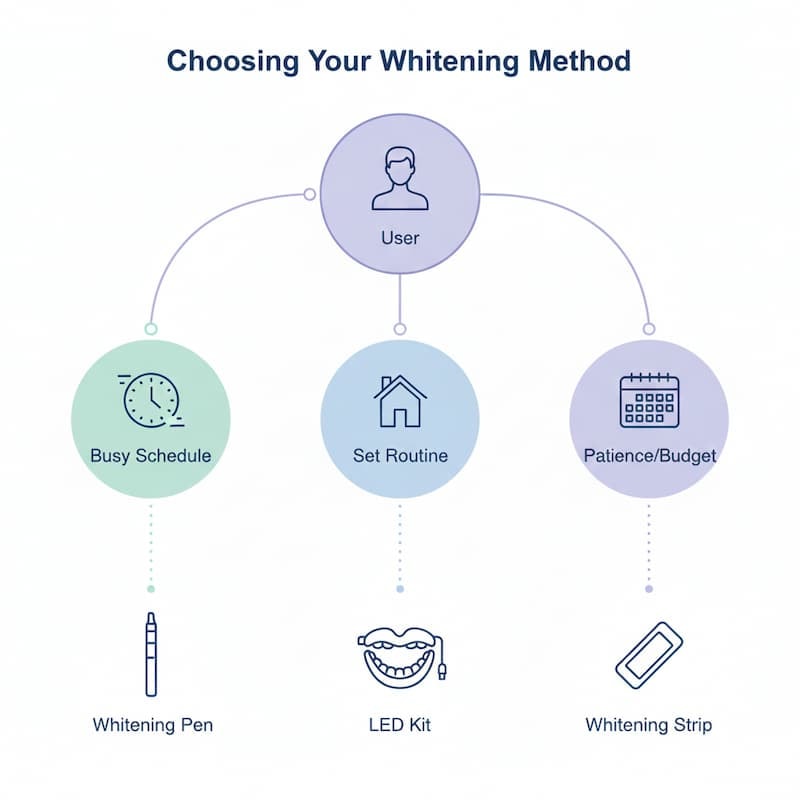
Choosing the right teeth whitening products depends on how you live your day. Whether you’re super busy, have a regular routine, or need quick results, there’s an at-home whitening option that fits your lifestyle. Here’s how to decide what works best for you:
If You Have a Busy Schedule
Whitening pens and dissolving strips are the superior choice for users with limited time because they require zero setup or removal. Unlike LED kits that require a dedicated 16-minute window, a pen takes less than 60 seconds to apply and dries instantly, allowing for treatment during a commute or between meetings. This portability makes them ideal for maintaining a bright smile without disrupting a packed daily schedule. They're also super portable.
Try this: The SNOW Gold Whitening Serum Pen is great for on-the-spot touch-ups. It uses a gentle whitening agent and fits in your pocket or purse, so you can use it anytime you need a fast fix.
If You Have a Set Routine
If you follow a regular schedule, like brushing at the same time every day, you can use a more structured method. LED whitening kits are ideal for this. You just apply the hydrogen peroxide gel, pop in the mouthpiece, and relax for 9–16 minutes.
Best choice: The SNOW LED Whitening Kit fits perfectly into your routine and gives you professional-grade results at home. It’s a great way to get a brighter smile in just a few uses.
If You Need Fast Results
Getting ready for a big event or special moment? Go with a whitening method that works quickly. LED whitening kits or serums can show results in 5–10 days when used daily. These are often stronger and go deeper to remove teeth stains fast.
Reminder: Follow directions closely, and don’t overuse them. Stick to safe products that protect your natural teeth while helping you get the whitening results you want.
If You Have Sensitive Teeth
Sensitive teeth need gentle care. Look for whitening solutions that include potassium nitrate or hydroxyapatite. These ingredients help protect your enamel, lower pain, and still let you whiten teeth safely.
Tip: Start slow with a low peroxide concentration and use alcohol-free mouthwash after whitening. This keeps your teeth strong and helps avoid irritation.
How Can You Whiten Teeth Without Sensitivity?
While temporary sensitivity is common, the Canadian Dental Association notes that 10% carbamide peroxide is generally safe and that significant soft tissue problems are rare when trays are designed correctly.
If you manage sensitivity the right way, you can still see results while keeping your enamel strong and your mouth comfortable. Here is how to whiten safely and avoid common mistakes.
Tooth Sensitivity Tips
Start by protecting your teeth during daily care. This lowers the chance of discomfort before you even begin whitening.
-
Always use a soft-bristle toothbrush. Hard bristles can wear down tooth enamel and expose sensitive areas. Gentle brushing cleans just as well without causing damage.
-
Brush with fluoride or potassium nitrate toothpaste. Fluoride helps rebuild enamel, while potassium nitrate calms the nerves inside the tooth. Together, they reduce pain during whitening.
-
Avoid over-the-counter products with very high hydrogen peroxide levels. Strong formulas may whiten faster, but they often increase tooth sensitivity and irritation, especially with repeated use.
These small choices make a big difference in how your teeth respond to whitening.
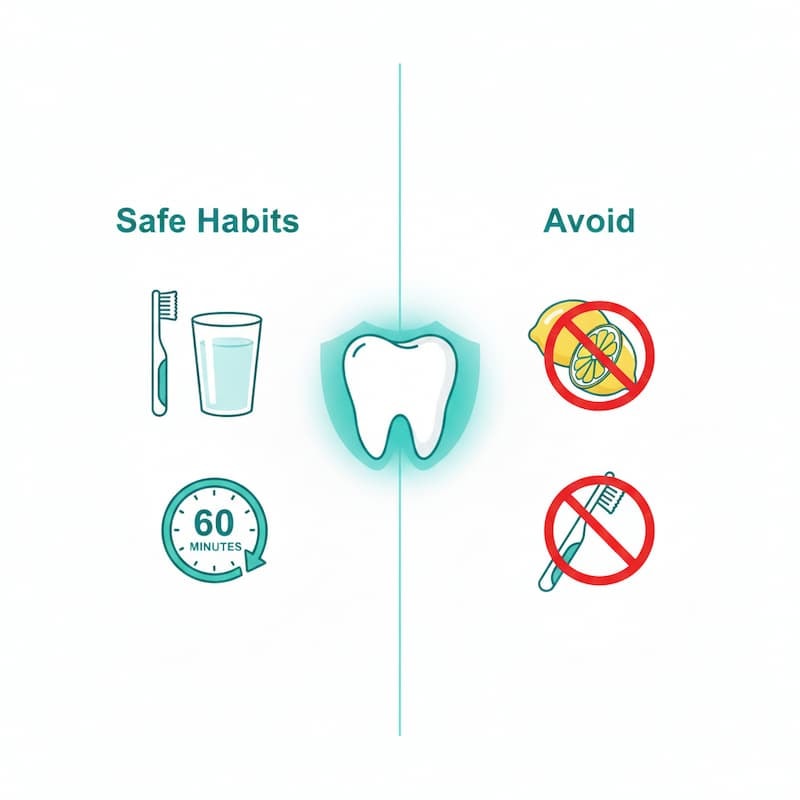
Safe Whitening Habits
Next, focus on when and how you whiten. Timing matters more than most people realize.
-
Do not whiten right after acidic foods or drinks. Coffee, wine, citrus, and soda can temporarily soften enamel. Wait at least 30 to 60 minutes so the enamel can harden again.
-
Rinse your mouth with water after wine or coffee. This helps wash away staining agents and lowers acid levels before they can settle into your teeth.
-
Avoid lemon peel oil or harsh natural remedies. These may seem gentle, but acids and rough textures can soften enamel and make sensitivity worse over time.
Building these habits helps protect your enamel while still allowing whitening to work.
Pro Tip: Know When to Stop
Pay attention to warning signs from your teeth.
If pain lasts longer than 24 hours, if sensitivity gets worse instead of better, or if you notice white spots forming on your teeth, stop whitening right away. These can be signs of enamel stress or overuse. At this point, it is best to talk to a dental professional who can guide you toward safer options.
Safe whitening is not about pushing through pain. It is about listening to your teeth and adjusting your routine so you can keep your smile healthy and bright.
How Much Do At-Home Whitening Methods Cost?
Before you choose a whitening method, it’s helpful to compare long-term value. This chart breaks down the cost and maintenance of each option so you can find what fits your needs and budget.
 Cost-effective tip: Start with whitening strips, then maintain with pens or occasional LED sessions.
How Do You Maintain Results After Whitening?
After whitening, your teeth are more prone to new stains. Here’s how to protect your investment:
-
Follow a "white diet" for 48 hours (avoid wine, coffee, berries, or dark beverages)
-
Use whitening toothpaste daily with mild abrasives
-
Schedule professional treatments or cleanings every 6 months
-
Drink through a straw to reduce contact with your teeth
Try SNOW Magic Whitening Toothpaste Booster Powder. This booster works with your regular toothpaste to remove surface stains daily and rebuild enamel with xylitol and hydroxyapatite.
Brighten Up with SNOW's Magic Booster
Final Thoughts
Choosing the best teeth whitening method doesn’t have to be overwhelming. Whether you want fast results with LED kits, reliable full-coverage from teeth whitening strips, or the flexibility of whitening pens and serums, there’s a solution that fits your needs.
Remember, consistency is key. Use at-home teeth whitening tools that work with your routine, and always prioritize enamel-safe formulas to avoid worsening tooth sensitivity. For trusted, effective, and safe whitening, SNOW offers a full collection designed for every lifestyle and sensitivity level.
Explore SNOW's Full Whitening Collection
Frequently Asked Questions (FAQs)
Have questions? SNOW has the answers you need!
How do I know which whitening product is best for me?
Choose based on your goals, time, and sensitivity. For fast results, go with LED kits. For daily maintenance, use strips or pens.
Can I combine multiple whitening methods?
Yes. Start with strips or LED kits, then maintain with pens or booster powders.
Are at-home whitening kits as effective as professional treatments?
Some at-home teeth whitening products use similar whitening agents as dental professionals, but results vary based on usage and formulation.
Can I whiten if I have sensitive teeth?
Yes, but use products formulated for sensitive teeth. Look for potassium nitrate, low peroxide, and enamel-supporting ingredients.
What causes yellow stains even after whitening?
Staining drinks, poor oral hygiene, or eating strongly colored foods can bring back teeth stains. Avoid these and rinse after meals.


