

Teeth whitening does not interfere with orthodontic checkups if performed at least 48–72 hours before an appointment.
However, whitening immediately prior to a visit can cause temporary enamel sensitivity, making routine adjustments or attachment replacements uncomfortable.
This guide explains how to time your whitening treatments to ensure a bright smile without disrupting your orthodontic progress.
Key Takeaways
-
Teeth whitening does not interfere with orthodontic or Invisalign checkups when properly timed.
-
Wait 24–72 hours after a whitening treatment before any adjustment to minimize enamel sensitivity.
-
Invisalign aligners offer greater flexibility for whitening because they can serve as custom trays.
-
Traditional braces may cause uneven whitening, so professional guidance is important.
-
Always tell your orthodontist about recent whitening to avoid discomfort or delayed results.
-
Use orthodontist-approved whitening gel or toothpaste to ensure safe results during treatment.
Does Whitening Interfere with Orthodontic or Invisalign Checkups?
Whitening your teeth during braces or Invisalign is usually safe, as long as you do it properly. Whitening will not compromise the structural integrity of your appliances or the quality of your clinical exam if timed correctly.
But if you whiten too close to your appointment or use strong products, it could make your teeth feel more sensitive.
To keep your smile bright without slowing down your progress, use gentle whitening products and always follow your orthodontist’s advice.
Why Is Timing Critical for Whitening During Orthodontics?
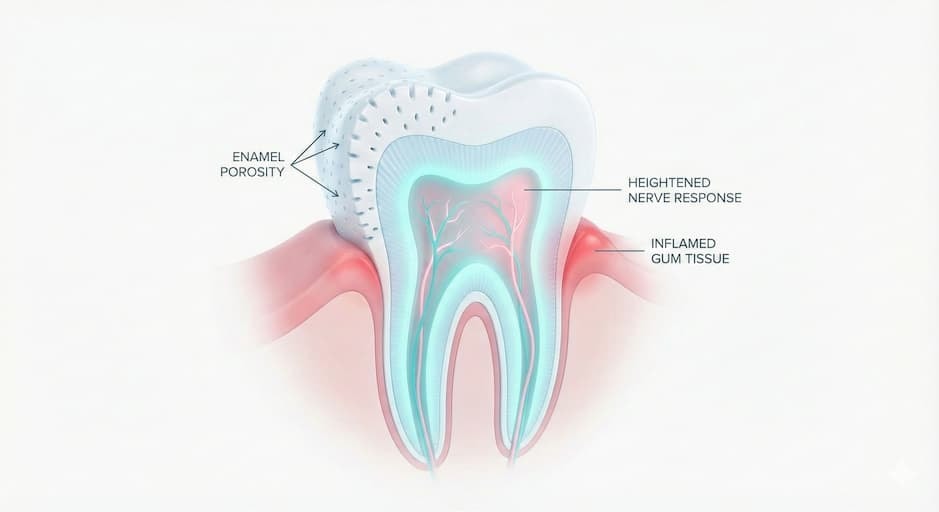
Timing is the single most important factor when combining whitening with orthodontics. Applying whitening agents opens enamel pores, which temporarily heightens nerve response; scheduling an adjustment during this 'open' window amplifies pain. Consequently, orthodontists recommend a buffer period of 3 days pre-appointment to allow enamel remineralization
Here’s why it’s important to time your whitening treatments carefully while getting orthodontic care.
1. Increased Tooth Sensitivity After Whitening
After a whitening treatment, your teeth become more porous as the whitening gel opens up enamel channels to lift stains. This can make your teeth more sensitive, so regular orthodontic adjustments may feel more uncomfortable than usual.
2. Temporary Enamel Softening
Professional teeth whitening and even some at-home whitening products temporarily soften the outer enamel layer. This can make the teeth more sensitive to pressure during braces tightening or Invisalign tray changes.
3. Higher Risk of Gum Irritation
During the post-whitening window, your gums may be slightly more reactive. If your orthodontist is tightening wires or adjusting brackets, it can make your gums feel sore or irritated.
4. Reduced Bond Strength for Attachments
If you whiten your teeth right before your Invisalign appointment, it might be harder for new attachments to stick. Your teeth need a little time to recover so everything holds properly.
5. Distorted Feedback During Checkups
If your teeth are still sore from whitening, it’s tougher to tell your orthodontist how your aligners feel. Waiting until your mouth feels normal again helps your provider make better adjustments.
How Should You Whiten While Using Invisalign?
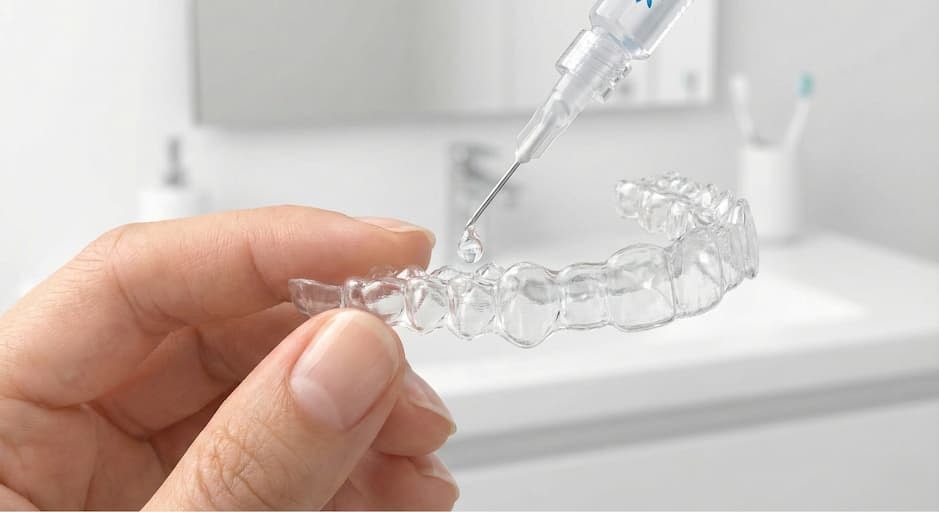
If you're using Invisalign, it's easier to whiten your teeth than if you had braces. But you still need to be careful so you don’t cause problems like sore teeth or aligners not fitting right.
Before you use any whitening gel, trays, or other products, here are some important things to know to keep your treatment on track.
Invisalign Trays Can Double as Whitening Trays
Your Invisalign trays can be used as whitening trays, but only if you're using orthodontist-approved whitening gel. This dual-use feature helps you whiten your teeth evenly without purchasing additional equipment.
Some store-bought whitening products aren’t made for Invisalign. They can bend or damage the plastic trays, which may affect how your aligners fit.
Better Whitening Distribution
Invisalign trays fit your teeth perfectly, ensuring the whitening gel is applied evenly. This helps you avoid spots that are too white or not white enough, which can happen with regular whitening strips.
Avoid Whitening Too Close to Aligner Changes
Invisalign users usually switch trays every week or two. Whitening too close to that time can make your teeth feel extra sensitive. The best time to whiten is 2 or 3 days after you start a new tray, when your mouth feels more comfortable.
Use Only Compatible Whitening Products
Always opt for whitening products specifically designed for use during Invisalign treatment. These are formulated to reduce tooth sensitivity and avoid interfering with your aligner’s material. Never use whitening strips in your trays, and avoid high-peroxide gel unless prescribed.
Communicate with Your Orthodontist
Even if you're whitening your teeth at home, let your orthodontist know. They may recommend a whitening schedule or brand that won’t interfere with your Invisalign plan or worsen tooth sensitivity.
Can You Whiten Teeth Safely With Traditional Braces?
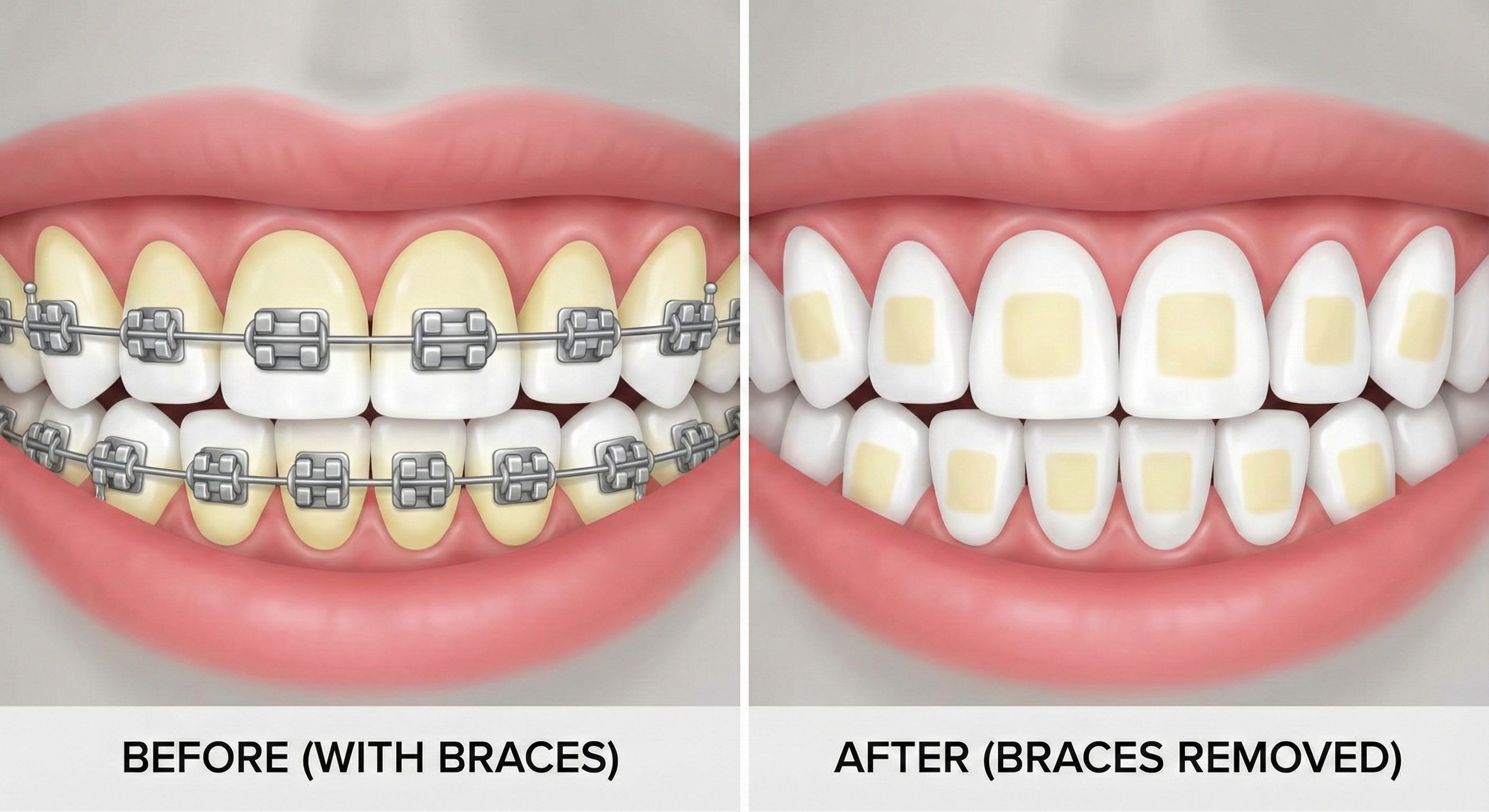
Whitening with traditional fixed brackets is generally not recommended due to the risk of uneven discoloration.
Because brackets cover the center of the tooth, whitening agents only lighten the exposed edges, creating a permanent 'picture frame' effect once braces are removed.
For this reason, most orthodontists advise waiting until debonding is complete, or using non-bleaching whitening toothpastes that only remove surface stains.
Brackets Lead to Uneven Whitening
Traditional metal brackets cover parts of your teeth, so whitening products can’t reach the areas under the brackets. This means only the visible parts may whiten, while the areas under the braces remain the same color. After your braces come off, your teeth might look patchy or uneven.
This uneven shading is a common consequence of attempting chemical bleaching before bracket removal. Unlike clear aligners like Invisalign, you can’t take braces off, so it’s harder to whiten your teeth evenly.
Whitening Agents May Irritate Gums and Tissues
Whitening products can bother your gums if you have braces. The gel can slip under the wires and around the brackets, touching your gums and causing stinging or swelling. If the product is too strong or used incorrectly, it can cause further harm. That’s why it’s safer to ask your dentist first before whitening your teeth with braces.
Whitening at the Dentist Doesn't Work Well with Braces
Even if you get your teeth whitened at the dentist, it won’t fully work if you have braces. The brackets and wires cover parts of your teeth, so the whitening gel can’t reach everywhere. You might end up with some spots that are whiter than others.
That’s why most orthodontists suggest waiting until your braces are off. If you have Invisalign, it’s easier: you can remove your aligners and whiten your entire smile evenly.
Whitening Can Make Adjustments Hurt More
After whitening, your teeth might feel more sensitive. If you go to your orthodontist right after whitening, your teeth may be more sensitive when they tighten your braces or place a new aligner.
With braces, this can be uncomfortable. Invisalign usually causes less pain during changes, so it’s easier to whiten your teeth between visits.
What Is the "Recovery Period" Before an Adjustment?
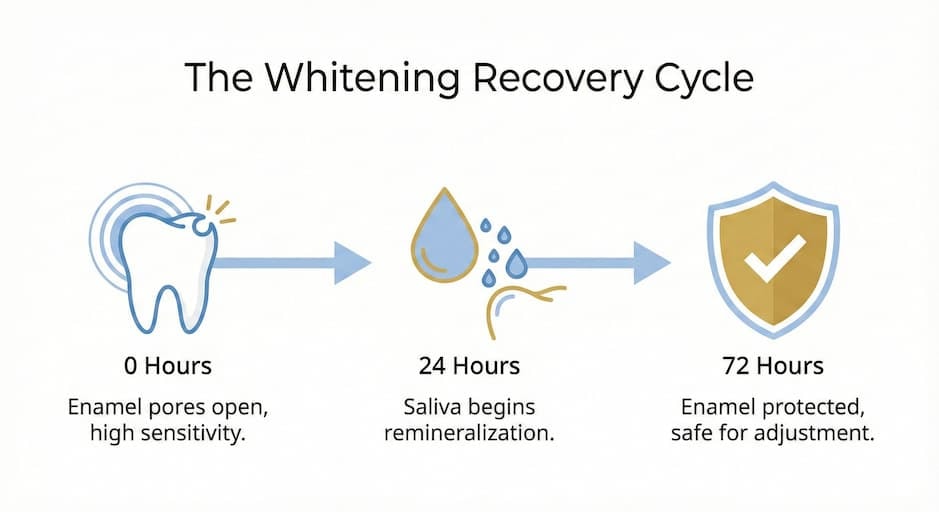
After any whitening treatment, your teeth enter a short but essential recovery phase. Below are the key reasons this recovery period matters and what to watch for:
Your Teeth Are More Sensitive Right After Whitening
When you whiten your teeth, tiny holes in your enamel open up so the whitening gel can clean out deep stains. But these open spots also make your teeth more sensitive to things like cold drinks, pressure, and even brushing. That’s why whitening right before an orthodontic visit can make your teeth feel extra sore.
The First 2 Days Are the Most Sensitive
Most people feel the most sensitivity in the first 24 to 48 hours after whitening. If you have your braces tightened or switch to Invisalign aligners during this time, it can feel more uncomfortable than usual, especially if you already have sensitive teeth or have used strong whitening products.
Remineralization Begins After Whitening Ends
Your body naturally starts to restore and strengthen enamel after whitening. A 2020 review in Nature confirmed that saliva plays a key role in this remineralization process, helping to close the enamel pores and reduce sensitivity. Using fluoride toothpaste or remineralizing products during this period can support enamel recovery and improve comfort, especially for those undergoing Invisalign treatment.
Avoid Acidic and Staining Foods
During this recovery phase, your teeth are more likely to absorb pigments and acids from foods and beverages. Avoid red wine, coffee, tomato-based sauces, or anything highly acidic or dark-colored. These can easily re-stain your teeth or interfere with whitening results. Instead, focus on water, dairy, and other enamel-friendly options.
Know When to Delay Orthodontic Adjustments
If you're planning a whitening session near your orthodontic appointment, allow 48–72 hours for recovery. This helps reduce sensitivity and strengthen enamel before your next round of adjustments. If you're still experiencing discomfort beyond this window, contact your orthodontist to determine whether rescheduling is necessary.
What Are the Best Practices for Safe Whitening?
If you're combining teeth whitening with orthodontic treatment, safety and timing are everything. It's totally okay to whiten your teeth while wearing Invisalign or braces, but you have to be careful. Using the right products and timing them well helps you avoid hurting your teeth or getting uneven results.
Here’s how to whiten your teeth safely while wearing Invisalign or braces.
Use Only Orthodontist-Approved Whitening Products
Always pick whitening products that are safe to use with your braces or aligners. Some store-bought options contain strong ingredients that can damage your aligners or prevent them from adhering well to your teeth. If you’re using Invisalign, it’s best to use gels made to work with trays.
Try SNOW's Extra-Strength Whitening Gold Serum Pen, a safe, dentist-designed formula that's effective for both in-office whitening and at-home use during Invisalign treatment.
Get SNOW's Most Powerful Serum For On-The-Go Whitening
Maintain Excellent Oral Hygiene
Even strong whitening products won’t work if your teeth are dirty. Brush your teeth two times a day, floss around your braces or aligners, and rinse with a fluoride mouthwash. This helps your teeth stay strong and keeps the whitening even.
For daily care, SNOW’s Hydroxyapatite Whitening Toothpaste helps rebuild enamel and brighten without irritation, making it a smart option for anyone undergoing Invisalign whitening.
Shop SNOW’s Fluoride-Free Enamel-Repair Toothpaste
Stay Hydrated and Avoid Stain-Causing Foods
Drink plenty of water and avoid dark beverages like coffee, red wine, or soda after whitening. Your enamel is more porous and can quickly reabsorb pigments during this vulnerable time. Rinsing with water immediately after eating or drinking can also reduce your risk of uneven whitening.
Report Unusual Sensitivity to Your Orthodontist
If you experience persistent sensitivity beyond 72 hours, gum irritation, or pain while wearing Invisalign trays or braces, speak to your orthodontist. It may be necessary to pause whitening or switch to a gentler whitening product.
For sensitive teeth, the SNOW® DiamondSeries Kit with Potassium Nitrate is a great whitening option that reduces nerve sensitivity while whitening enamel safely.
Whiten Without Pain Using Snow’s Sensitivity-Safe Kit
Which Whitening Products Should You Avoid?
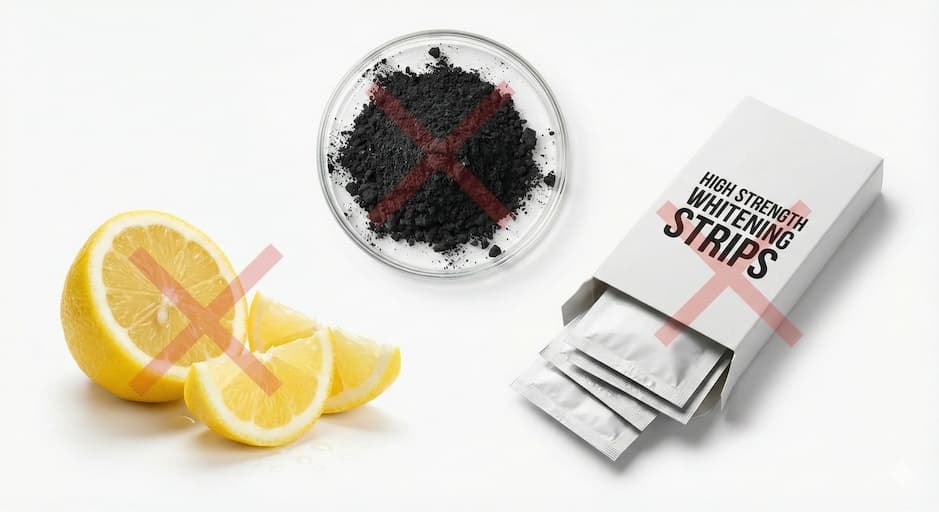
Some whitening methods may seem effective, but can actually cause damage or interfere with your orthodontic hardware. Be cautious and avoid the following:
Avoid High-Concentration Whitening Strips
These often contain adhesives or chemical combinations that aren’t safe for braces or aligners. They can also cause uneven whitening or irritation around brackets and gums.
Skip DIY Whitening Recipes
Natural isn’t always safe. DIY options like lemon juice, vinegar, or baking soda can erode enamel and damage metal components. Stick to dentist-approved products only.
Stay Away from Charcoal-Based Whitening Powders
Although trendy, charcoal powders are too abrasive for softened enamel and can scratch both teeth and aligners, increasing the risk of uneven whitening and long-term enamel wear.
Do Not Use Products Not Designed for Invisalign Trays
Only use whitening gels that are safe to place inside your Invisalign trays. Using generic gel can warp the plastic and disrupt your treatment.
Final Word
Whitening your teeth while wearing braces or Invisalign is totally doable, as long as you’re careful. The key is using the right products, giving your teeth time to recover, and asking your orthodontist before making changes.
With Invisalign, it’s even easier because you can take your aligners off for whitening. Just avoid whitening too close to your appointments to prevent sensitivity or discomfort.
Looking for safe and easy whitening during treatment? SNOW’s orthodontist-approved products, like whitening pens and gentle toothpaste, are made to help you get a straighter, whiter smile at the same time. Try SNOW today and see the difference!
Build Your Orthodontic-Safe Whitening Stack With SNOW Now
FAQ
Here are a few frequently asked questions:
Can I whiten my teeth right before my orthodontic appointment
It’s better not to. Whitening can make your teeth more sensitive and your enamel a little softer for a day or two. That could make your orthodontic checkup more uncomfortable, so it’s best to wait and whiten afterward instead.
Will my orthodontist know if I whitened my teeth?
Yes, your orthodontist can probably tell if you’ve whitened your teeth. Your teeth might look a little different, and you may feel more sensitive during your checkup. It’s a good idea to let your orthodontist know so they can help keep you comfortable.
How long should I wait after whitening before getting my braces tightened?
Most dentists recommend waiting 2 to 3 days (about 48–72 hours) after whitening before an adjustment. That gives your teeth time to recover, making them less sensitive. If you still feel pain after a few days, check in with your orthodontist.
Can whitening affect my Invisalign attachments?
Yes, but only a little. Whitening can make it harder for the attachments to stick to your teeth if you do it too close to your Invisalign appointment. To be safe, wait a few days after whitening so your enamel has time to heal and the attachments can stay in place better.
What if my teeth are too sensitive before my orthodontic appointment?
If your teeth still hurt after a few days, call your orthodontist. They might change your treatment plan, use gentler tools, or suggest something like a fluoride rinse to help your enamel heal faster. Just don’t skip the appointment; your orthodontist can work with you to make it easier.


