

Most dental professionals, including the American Dental Association (ADA), recommend avoiding elective teeth whitening during pregnancy due to potential gingival irritation and a lack of safety data for the fetus.
However, whitening is generally considered safe for breastfeeding mothers, as peroxide is rapidly metabolized and unlikely to pass into breast milk in significant quantities.
This guide examines the risks, expert recommendations, and pregnancy-safe alternatives for maintaining a bright smile
Key Takeaways
-
Most dentists recommend avoiding at-home teeth whitening during pregnancy due to hormonal changes and limited research on safety.
-
Teeth whitening is generally considered safe for breastfeeding mothers because peroxides are rapidly metabolized by the body. According to the National Library of Medicine's LactMed database, similar peroxide compounds are poorly absorbed, effectively preventing significant transfer into breast milk
-
Pregnancy hormones can lead to increased gum sensitivity and oral health issues, making whitening treatments more uncomfortable.
-
Natural options like baking soda and maintaining good oral hygiene are pregnancy-safe ways to keep your teeth looking clean.
-
Always consult both your dentist and obstetrician before using any whitening agents, especially during pregnancy or breastfeeding.
Why Is Whitening a Common Concern for Expectant Mothers?
Whitening is a common concern because expectant mothers often face a conflict between the desire for cosmetic confidence and the strict safety limitations of pregnancy.
While pregnancy photoshoots and baby showers drive the desire for a bright smile, the active ingredients in most whiteners—hydrogen peroxide and carbamide peroxide—are classified as bleaching agents.
This creates a confusing landscape for mothers who want to look their best but fear that chemical absorption could negatively impact fetal development.
Most commercial whitening products rely on hydrogen peroxide or carbamide peroxide as their primary active bleaching agents.
Some pregnancy-safe toothpastes use activated charcoal to help whiten teeth, but they should be used with caution, as overly abrasive formulas may damage enamel while trying to remove plaque. While effective for whitening teeth, these ingredients can raise safety concerns during pregnancy and breastfeeding.
Unfortunately, there are few large-scale studies on teeth whitening during pregnancy. As a result, most dentists take a cautious approach.
The FDA has not classified teeth whitening products as safe for use during pregnancy, largely because ethical constraints prevent clinical safety trials on expectant mothers.
However, current evidence suggests that at-home whitening during breastfeeding poses minimal risk, as the compounds are minimally absorbed into breast milk.
Why Is Teeth Whitening Considered Risky During Pregnancy?

While a brighter smile may sound appealing, pregnancy changes many aspects of your body, including your oral health. These changes can make whitening treatments less comfortable and more complicated.
Here’s why most dentists recommend postponing whitening until after pregnancy:
1. Hormonal Surges Increase Gum Sensitivity
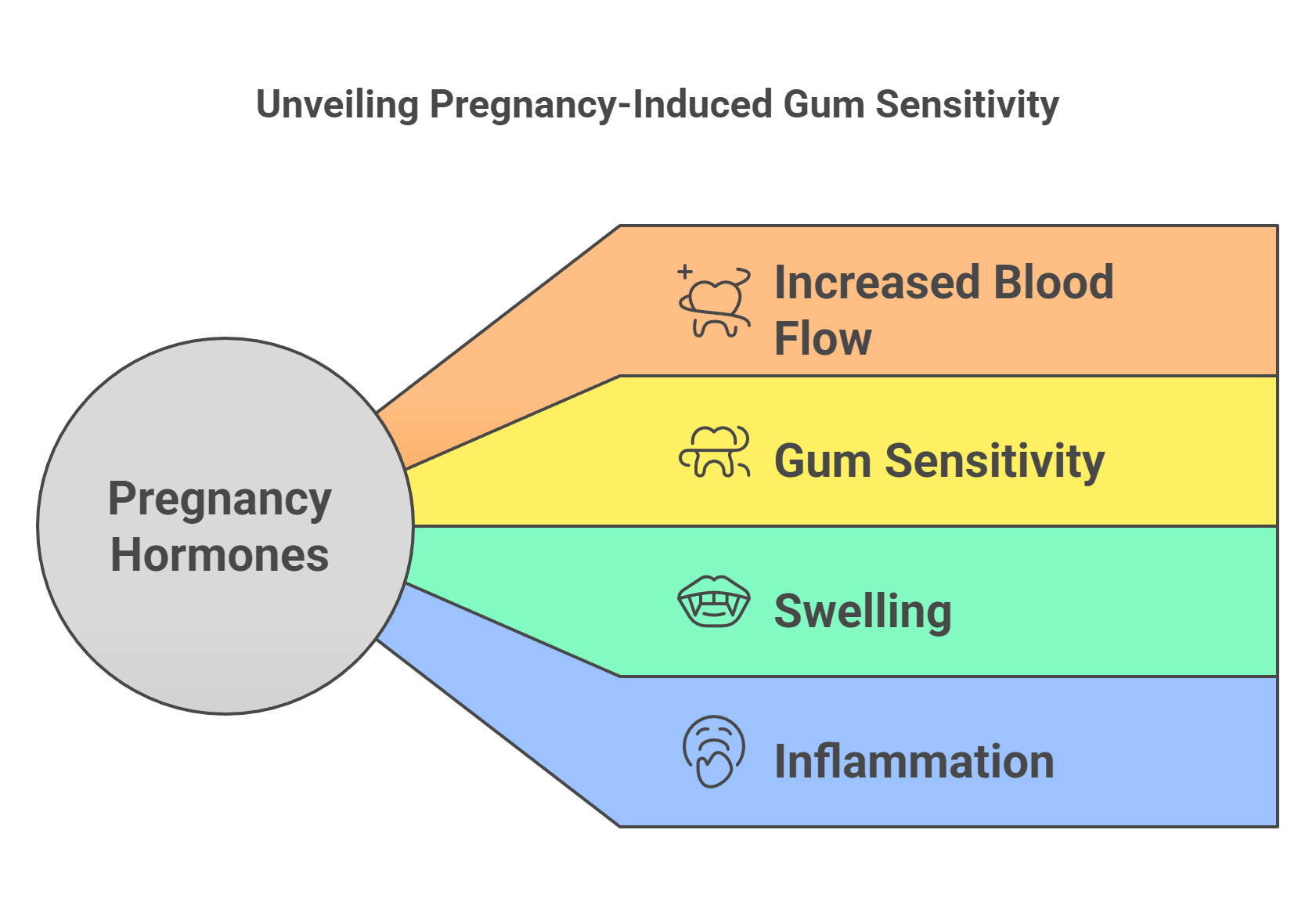
Pregnancy hormones like estrogen and progesterone increase blood flow to your gums, leading to pregnancy gingivitis. This hormonal surge increases blood flow to the oral tissues, leading to heightened gum sensitivity, swelling, and inflammation. Applying whitening strips or gels during this time can cause significant discomfort, especially along the gum line.
2. Morning Sickness Weakens Tooth Enamel
Frequent vomiting during pregnancy exposes your tooth enamel to stomach acids, weakening it. This makes your teeth more prone to increased sensitivity and enamel erosion. Adding whitening agents on top of this can make things worse.
3. Safety Research on Fetal Exposure Is Limited

Since there are no established safety guidelines for teeth whitening during pregnancy, the potential risks are largely unknown. Most dentists err on the side of caution and advise pregnant women to wait until after delivery, or at least until the second trimester, when dental procedures like cleanings are usually considered safer.
4. Pregnancy Increases Vulnerability to Oral Disease
Pregnancy increases the risk of oral pathology due to three converging factors:
-
Dietary Cravings: Increased consumption of sugary or acidic foods attacks enamel.
-
Hormonal Shifts: Fluctuations in estrogen affect saliva production, reducing the mouth's natural cleaning ability.
-
Morning Sickness: Frequent exposure to stomach acid erodes protective tooth enamel.
Whitening treatments may not be as effective in this environment and could irritate already vulnerable areas.
How Do Common Whitening Treatments Compare?
Whitening treatments vary significantly in their safety profiles based on their active ingredient concentration and application method.
Professional treatments use high-concentration peroxides (15-35%) that may irritate sensitive gum tissue, whereas whitening toothpastes rely on mild abrasives like silica that pose no chemical risk to the fetus.
Understanding this distinction is critical for selecting a method that minimizes systemic absorption while breastfeeding.
This table breaks down the most common at-home and professional whitening treatments, helping you understand what’s generally safe, what to avoid, and where to exercise caution.

What Are Safe Whitening Alternatives for Expectant Mothers?

Pregnancy brings many changes, and protecting your oral health is especially important. While you may want a brighter smile, it's best to avoid harsh whitening agents like hydrogen peroxide or carbamide peroxide during this time. Fortunately, there are safe alternatives that help you maintain a clean, healthy smile without compromising your well-being.
1. Oil Pulling
Oil pulling is a traditional Ayurvedic practice that involves swishing coconut oil in your mouth for 10 to 15 minutes. While it doesn’t bleach or chemically whiten your teeth, it may help reduce plaque, remove food particles, and freshen breath by eliminating harmful bacteria.
This method is particularly appealing to pregnant women who want to avoid chemical whitening agents. Although oil pulling won't drastically change your tooth color, regular practice can help minimize surface stains and improve oral hygiene.
Pair it with twice-daily brushing with a gentle, fluoride toothpaste to help keep your smile fresh.
2. Baking Soda Paste
Baking soda is mildly abrasive, making it helpful for lifting surface-level stains without peroxide. When combined with warm water, it forms a gentle scrub that can be used once a week to safely polish your teeth. Be cautious not to overuse it, as excessive scrubbing can wear down tooth enamel.
Baking soda also helps neutralize the acids associated with morning sickness, which many expectant mothers experience. This can be especially beneficial for preventing pregnancy tooth erosion, while keeping your teeth feeling clean and fresh.
For a convenient, pregnancy-safe product, try SNOW Sensitive Whitening Toothpaste. It's fluoride- and peroxide-free, designed for people with increased sensitivity, including pregnant women. It’s a great addition to any natural oral care routine.
Try SNOW Sensitive Whitening Toothpaste
3. Avoid Staining Foods and Drinks
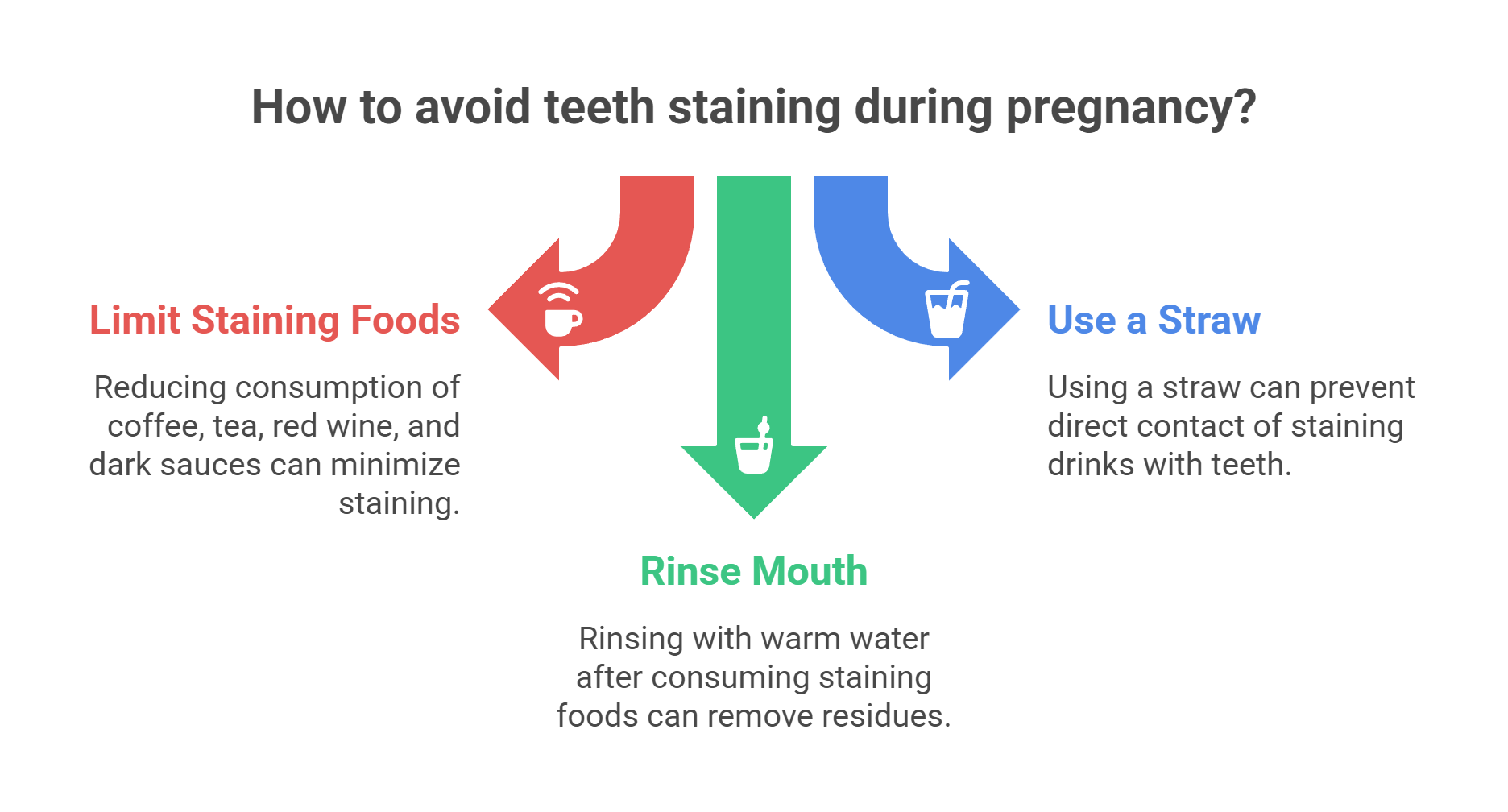
Certain foods and beverages are known to discolor your teeth, especially when hormonal changes make your gums more vulnerable and your enamel more porous. Avoiding or limiting these staining culprits can help reduce the need for teeth whitening during pregnancy:
-
Coffee
-
Tea (especially black tea)
-
Red wine
-
Starchy foods like crackers, chips, and white bread
-
Dark sauces and berries (e.g., soy sauce, blueberries)
If you do indulge, use a straw and rinse your mouth with warm water shortly afterward to reduce staining and protect your dental health.
4. Maintain Good Oral Hygiene
Maintaining your oral hygiene is the most effective way to avoid the need for teeth whitening while pregnant. Since pregnancy can lead to gum inflammation, gingivitis, and increased sensitivity, consistent care helps reduce the chance of staining and discomfort.
Here are a few essential tips for a healthy routine:
-
Brush your teeth twice daily with fluoride toothpaste and a soft-bristle toothbrush
-
Floss daily to remove debris and reduce bacteria along the gum line
-
Use an alcohol-free mouthwash to help reduce bacteria without irritating your gums
-
Schedule professional cleanings every 3–6 months or as advised by your dentist
If you're unsure which teeth whitening products are safe or effective for you, it's best to talk to your dentist. Avoid common treatments like teeth whitening strips or over-the-counter bleaching agents unless you’ve received medical approval.
These natural oral care approaches won't give you the immediate results of a teeth whitening kit. Still, they help maintain a cleaner smile and healthier gums, which is especially important for expectant mothers. Once your pregnancy and breastfeeding period have passed, you'll be in a better position to resume safely using your preferred whitening methods.
When Can You Resume Whitening After Pregnancy?
After delivery, many mothers are eager to resume their regular whitening routine. The best time to restart depends on whether you are breastfeeding, how your oral health has recovered, and your comfort level.
-
If you are not breastfeeding, most dentists recommend waiting six to eight weeks postpartum. This gives your body time to recover and hormone levels to stabilize.
-
If you are breastfeeding, it's best to wait until nursing has ended for most whitening products, especially those with more potent active ingredients.
-
If you experienced pregnancy gingivitis, enamel erosion, or tooth sensitivity, wait until these issues have fully resolved. In some cases, your dentist might suggest starting with desensitizing treatments or low-strength whitening agents.
What Constitutes an Oral Health Emergency During Pregnancy?
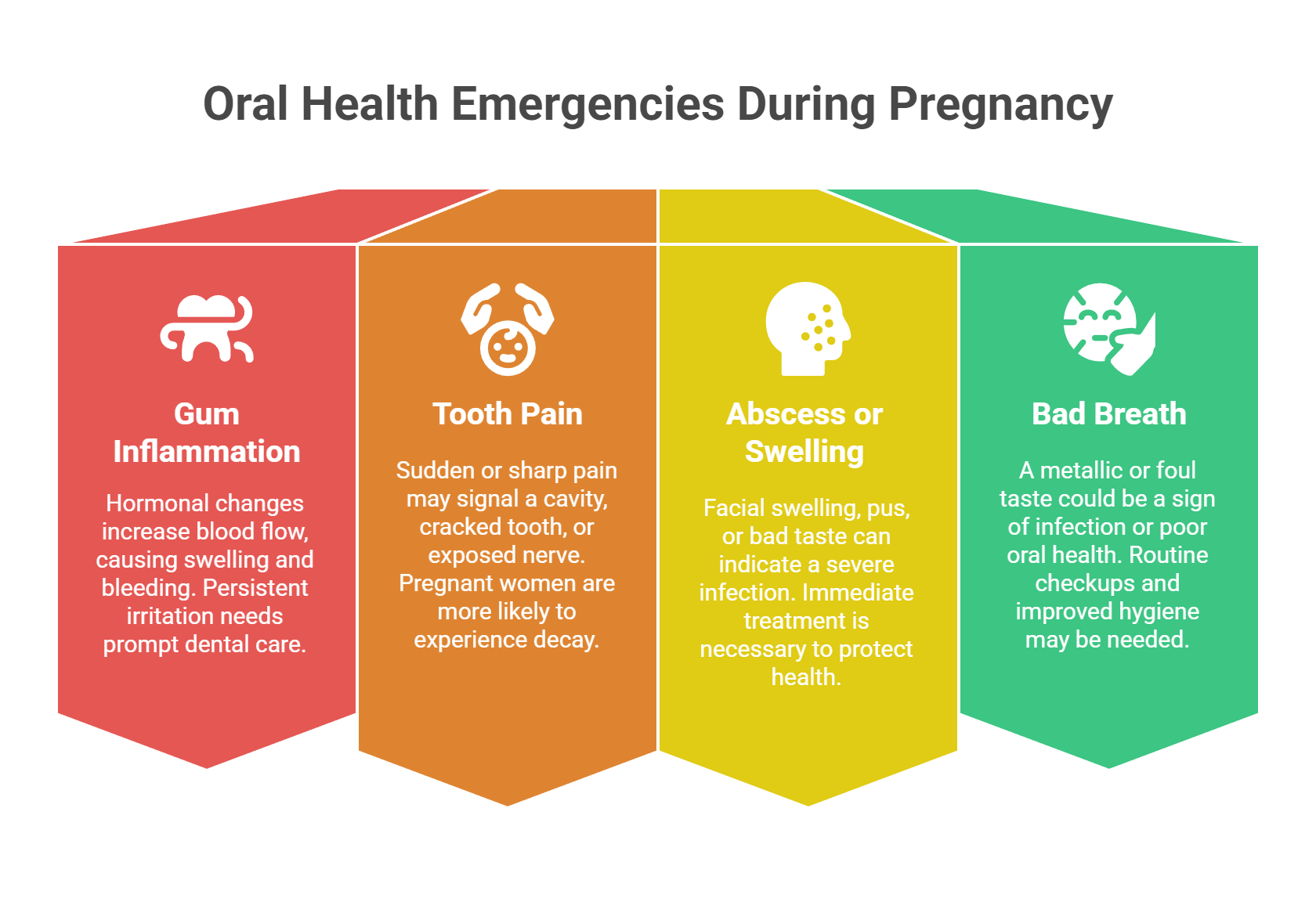
While whitening treatments can wait, serious oral health issues during pregnancy need immediate attention. Ignoring them may lead to infections that affect both your dental health and your baby’s development. If you experience any of the following, contact your dentist right away.
-
Severe Gum Inflammation or Bleeding: Hormonal changes increase blood flow to your gums, making them more prone to swelling and bleeding. If you notice persistent irritation, soreness, or signs of infection, seek dental care promptly. Left untreated, this could develop into gum disease or periodontitis.
-
Tooth Pain or Sensitivity: Sudden or sharp tooth pain may signal a cavity, cracked tooth, or exposed nerve. Pregnant women are more likely to experience decay due to changes in saliva, diet, and morning sickness. Your dentist can treat the problem with pregnancy-safe techniques.
-
Abscess or Swelling: Facial swelling, pus around the gum line, or a persistent bad taste can indicate an abscess or a severe infection. These situations can escalate quickly and may require antibiotics or emergency dental care. Immediate treatment is necessary to protect your health and your baby’s safety.
-
Persistent Bad Breath or Taste: A metallic or foul taste in your mouth that doesn’t go away could be a sign of an infection or poor oral health. Routine checkups, improved hygiene, and a professional cleaning may be needed to address the root cause.
Emergency dental care is always available during pregnancy. Just let your dentist know you’re expecting, and they will choose treatments and medications that are safe for you and your baby.
Final Thoughts
While the desire for a brighter smile is understandable, especially for special occasions, pregnancy is not the best time for elective cosmetic treatments. For breastfeeding mothers, however, at-home whitening may be an option if used with care.
Focus on maintaining good oral hygiene with fluoride toothpaste, regular checkups, and natural stain prevention methods. For long-term results, save professional whitening for after pregnancy and breastfeeding when your body and oral health are more stable.
Always speak to your dentist and obstetrician before using any whitening products, and prioritize your health—and your baby’s—above cosmetic goals.
Want a pregnancy-safe way to brighten your smile gently? Try Snow’s Hydroxyapatite Whitening Toothpaste, formulated without peroxide, parabens, or harsh abrasives.
Get Snow’s gentle whitening toothpaste today.
FAQs
Having questions is natural. We at SNOW are happy to help you fully understand the safety of at-home whitening during pregnancy or breastfeeding.
What should I do if I used whitening products before knowing I was pregnant?
If you used whitening products before knowing you were pregnant, there’s no need to panic. Most dentists agree that the risk to your baby is extremely low from occasional exposure. Stop using the products, let your dentist and obstetrician know, and focus on maintaining pregnancy-safe oral care with fluoride toothpaste, a soft-bristle toothbrush, and professional cleanings as needed.
Are there any whitening ingredients that are completely safe during pregnancy?
There are no whitening ingredients proven to be completely safe during pregnancy due to limited research. Instead, most dentists recommend gentle options like brushing twice daily with fluoride toothpaste, rinsing with warm water after eating staining foods, and using baking soda occasionally. Natural alternatives and regular brushing are safer ways for an expectant mother to maintain a brighter smile.
How long after giving birth should I wait before professional whitening?
You should wait to resume professional whitening treatments until after breastfeeding ends. If you're not breastfeeding, most dentists suggest waiting at least six to eight weeks postpartum to allow hormonal changes to stabilize. Your dentist will evaluate your gum line, enamel condition, and overall oral care routine before starting any treatments.
Can whitening toothpaste harm my baby through breast milk?
Whitening toothpaste is not likely to harm your baby while breastfeeding. The active ingredients are used in tiny amounts and rinsed away quickly. As long as you avoid swallowing and follow directions, whitening toothpaste is considered low risk. Always choose pregnancy-safe products and consult your dentist if you have concerns.
Will pregnancy hormones affect my whitening results once I resume treatment?
Yes, pregnancy hormones can affect your whitening results. Some women experience increased sensitivity, enamel changes, or gum issues postpartum, which may impact how evenly teeth whiten. Your dentist may suggest desensitizing treatments or a slower approach using pregnancy-safe whitening products to protect your gums and help you achieve a brighter smile.


