

The ultimate whitening routine for daily coffee and wine drinkers involves a three-step strategy: pre-drinking protection (using calcium barriers), immediate pH neutralization (rinsing with water), and consistent remineralization using hydroxyapatite toothpaste.
By timing consumption to 30-minute windows and adhering to a 'White Diet' for 48 hours post-treatment, drinkers can maintain a bright smile without giving up their favorite beverages.
This guide details the specific protective steps, product timings, and professional schedules required.
Key Takeaways
-
A strategic daily routine combining prevention, professional treatments, and at-home maintenance can keep your teeth white despite daily coffee and red wine consumption.
-
The critical 48-hour post-whitening period requires a “white diet” and extra precautions to maximize treatment effectiveness.
-
Using straws, timing your consumption, and immediate rinsing can reduce staining by up to 70% for regular coffee and wine drinkers.
-
Professional whitening every 6-12 months, combined with monthly at-home touch-ups provides optimal results for heavy stain-causing beverage consumer's
-
Strategic food pairing (cheese with wine, milk with coffee) and proper oral hygiene timing can significantly enhance your whitening routine’s effectiveness.
Why Coffee and Red Wine Are So Good at Staining Your Teeth
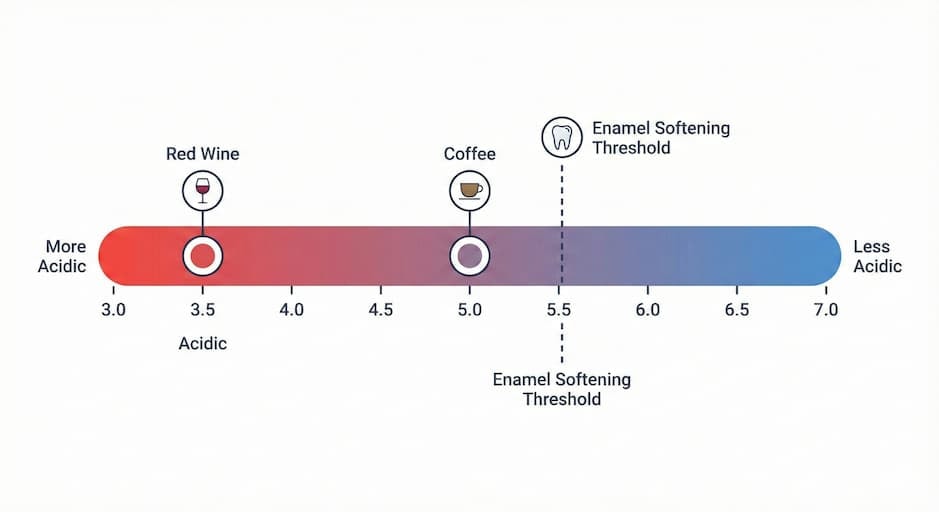
Daily consumption of coffee and red wine significantly accelerates enamel discoloration due to the cumulative deposition of chromogens. These beverages are some of the most powerful stain-makers, and there’s real science behind why they cling to your teeth so effectively.
Coffee and red wine stain teeth primarily due to their high concentration of chromogens and acidic tannins.
Chromogens are intense color pigments that adhere to the enamel surface, while tannins—specifically found in red wine—increase the porosity of the tooth, allowing these pigments to penetrate deeper than they would on smooth enamel.
This chemical combination creates a binding effect that makes wine stains significantly harder to remove than coffee stains via standard brushing.
Its deep color comes from tannins and phenolic compounds, which bind strongly to tooth enamel and are harder to remove once they set in.
High acidity exacerbates staining, as red wine (pH 3.3–3.8) and coffee (pH 4.85–5.10) both fall below the critical enamel-softening threshold of 5.5.
Both fall below the critical enamel-softening threshold of 5.5. When enamel softens, it becomes more porous, allowing pigments to seep deeper into the surface. This results in darker, more stubborn stains that brushing alone can’t fix.
The effect is even more noticeable after whitening. According to clinical data referenced by Smile Dental Center CT, bleached enamel remains hyper-porous for 48 hours, making it 50% more vulnerable to pigment absorption.
A 2013 spectrophotometry study published in the International Journal of Dentistry confirms that red wine causes significantly higher levels of discoloration (Delta E) than coffee on bleached enamel.
All of this explains why daily drinkers often see stains return quickly, even after teeth whitening. But that doesn’t mean you have to choose between your favorite drinks and a bright smile.
How Can You Protect Enamel Before Drinking Red Wine?
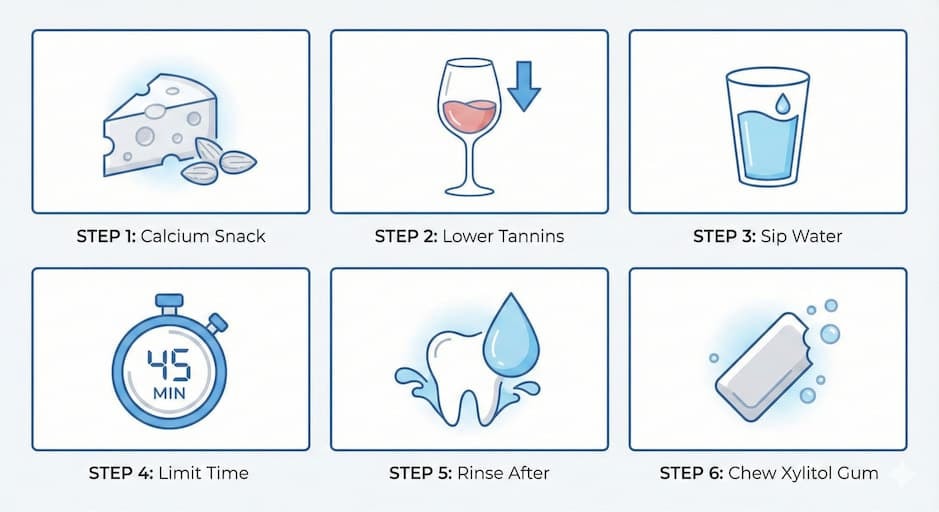
Red wine is flavorful and relaxing, but it is also one of the most significant contributors to stained teeth. Its dark pigments, high acidity, and tannin content make it more aggressive than coffee in discoloration. If your teeth have recently been whitened, they are even more vulnerable.
Here's precisely how to enjoy your wine while protecting your whitening results and keeping your enamel healthy.
Step 1: Eat A Calcium-Rich Snack Before Your First Sip
Consuming a calcium-rich snack, such as aged cheese or almonds, 15 minutes before drinking creates a temporary protective barrier on the enamel.
The calcium and phosphorus in these foods neutralize plaque acids and physically coat the tooth surface, reducing the ability of wine tannins to bind to the pores. This pre-emptive step is critical for minimizing direct pigment contact during the first few sips.
Step 2: Choose Wine With Lower Tannins And Stain Potential
Full-bodied red wines like Cabernet Sauvignon and Syrah are high in tannins and deep in color, which makes them more likely to cause stubborn stains. Instead, choose reds like Pinot Noir or Gamay, which contain fewer tannins and lighter pigments. These are gentler on your enamel and less likely to leave visible stains.
Alternating with white wine can also help reduce pigment exposure, although it is still acidic and can soften enamel.
SNOW Tip: After enjoying wine, brush with SNOW’s Hydroxyapatite Whitening Toothpaste to gently rebuild enamel and support long-term whitening. It is fluoride-free, gentle for sensitive teeth, and helps repair daily acid damage.
This toothpaste uses hydroxyapatite, a naturally occurring mineral that helps remineralize tooth enamel. It gently whitens while reinforcing your teeth against future stains. Unlike many whitening toothpastes, it is free from harsh ingredients and safe for daily use.
Get SNOW’s Hydroxyapatite Whitening Toothpaste
Step 3: Sip Water Between Sips Of Wine
Water is one of the easiest and most effective tools to protect your teeth during wine drinking. Take small sips of still water between sips of wine to rinse away acids and pigments. This helps keep your mouth’s pH balanced and reduces the likelihood of stains settling into your enamel.
Water also boosts saliva production, which naturally protects your teeth and helps neutralize wine’s effects.
SNOW’s Whitening Mouthwash includes hydrogen peroxide for safe, gradual whitening and xylitol to promote saliva flow. It refreshes your mouth, lifts away lingering pigments, and complements your whitening routine perfectly.
Try SNOW’s Whitening Mouthwash
Step 4: Limit Your Wine Drinking Time To 30 To 45 Minutes
Sipping wine slowly over several hours might seem relaxing, but it increases your teeth’s exposure to acid and pigment. Try to enjoy your wine in one sitting, lasting no longer than 45 minutes. This reduces the amount of time your enamel stays soft and vulnerable to staining.
Spacing out glasses with food or water can help your mouth recover between exposures.
SNOW’s LED Whitening Kit includes a professional-grade whitening serum and an advanced LED mouthpiece. It speeds up whitening results without causing sensitivity and is ideal for regular wine or coffee drinkers who want noticeable results.
Step 5: Rinse Your Mouth With Water After Your Last Sip
After your final sip, rinse with plain water to remove residual acids and pigments. This reduces the chance of wine particles bonding to your enamel while it is still soft. Rinsing right away also helps restore your mouth’s pH and prepares your teeth for brushing later.
SNOW Tip: After rinsing, wait about 30 minutes before brushing. Then, add SNOW’s Magic Whitening Powder to your toothpaste to help lift fresh stains and brighten your smile overnight.
SNOW’s Magic Whitening Powder enhances your toothpaste with stain-lifting minerals and hydroxyapatite. It works with any toothpaste and gently brightens your smile without sensitivity. The powder targets daily stains from wine, coffee, and dark sodas.
Get SNOW’s Magic Whitening Powder
Step 6: Chew Xylitol Gum To Support Enamel And Balance Your Mouth
Xylitol is a sugar-free sweetener that helps increase saliva production and neutralize acid. Chewing xylitol gum for 10 to 15 minutes after wine can help restore your enamel’s natural strength and flush away any leftover wine residue. It is a great option when brushing is not possible right away.
SNOW Tip: If you notice staining after a weekend or special occasion, use SNOW’s Gold Whitening Pen or Dissolving Whitening Strips for a quick recovery.
The Gold Pen is SNOW’s most potent on-the-go whitening formula, perfect for targeting visible stains from wine. The Dissolving Strips melt comfortably on your teeth, making them ideal for evening use without mess or discomfort. Both are enamel-safe and designed for sensitive teeth.
How to Protect Your Teeth in the First 48 Hours After Whitening
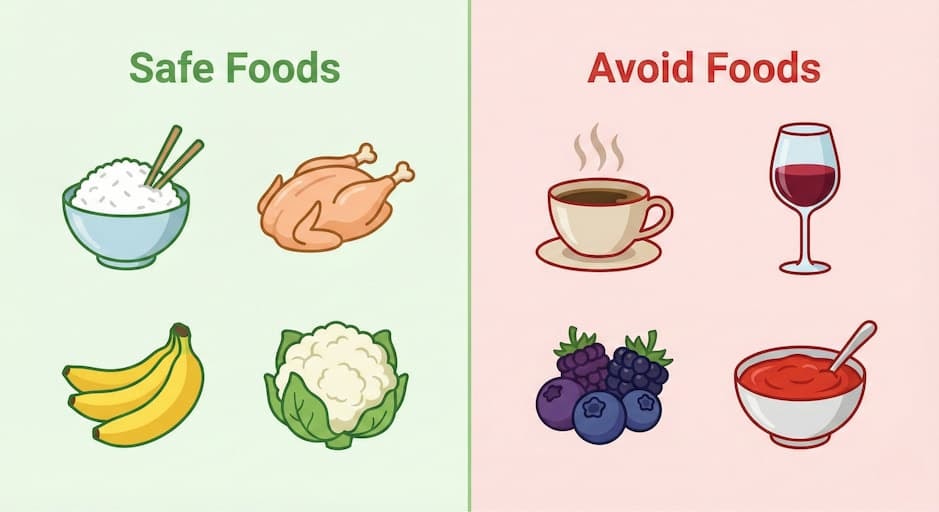
The first 48 hours after whitening are a critical time. Whether you've had a professional whitening treatment or used an at-home kit, your enamel is temporarily more porous and highly absorbent. What you do—or don’t do—during this window can significantly impact how long your teeth stay white.
Follow this guide step by step to lock in your results, avoid new stains, and keep your teeth healthy and bright.
Step 1: Follow a “White Diet” for 48 Hours
To avoid re-staining your freshly whitened teeth, stick to light-colored, low-acid, low-pigment foods. Think of it as eating only what wouldn't stain a white shirt. This helps protect your enamel while it re-hardens and closes up its micro-pores.
Safe food choices include:
-
White rice
-
Skinless chicken or turkey
-
Plain pasta with white sauce
-
Scrambled eggs
-
Cauliflower, potatoes, and apples
-
Bananas and plain yogurt
-
Cottage cheese and tofu
Avoid:
-
Coffee and red wine
-
Tea (especially black or green)
-
Dark sodas and fruit juices
-
Berries, beets, and dark leafy greens
-
Soy sauce, tomato-based sauces, and curry
-
Colored sports drinks and popsicles
This 48-hour reset helps seal in your whitening results and prevent new surface stains before they start.
Step 2: Drink Water Frequently
Water is your best defense during the recovery period. It helps wash away food particles, pigments, and acids that can settle on vulnerable enamel.
Here’s how to use it effectively:
-
Rinse with water after every meal, snack, or beverage
-
Drink still water throughout the day to stay hydrated and promote natural saliva flow
-
Swish water in your mouth for 10–15 seconds after eating anything pigmented by accident
Water helps maintain your oral pH balance and flushes out harmful compounds before they can stain.
Step 3: Avoid All Staining Drinks
For at least 48 hours, skip all dark-colored drinks, including:
-
Coffee
-
Red wine
-
Black and green tea
-
Dark juices (like grape, cranberry, or pomegranate)
-
Cola and other sodas
-
Sports and energy drinks
If you genuinely need caffeine, choose cold, pale-colored options like white tea or lightly brewed chamomile. Even then, drink through a straw and follow it with water.
The goal is to reduce pigment exposure while your enamel is at its most sensitive.
Step 4: Wait at Least 30–60 Minutes Before Brushing
After eating or drinking, your enamel is slightly softened due to acid exposure. Brushing too soon can actually harm the enamel, making it more prone to future staining.
What to do instead:
-
Rinse with plain water right after meals
-
Wait at least 30 to 60 minutes before brushing
-
Use this time to let your saliva naturally neutralize acids and start remineralizing your enamel
After this waiting period, brush gently with a soft-bristled brush and a non-abrasive toothpaste designed for sensitive teeth.
Step 5: Avoid Smoking and Alcohol
Tobacco smoke contains tar and nicotine, both of which deeply stain teeth. Alcoholic drinks, even if they’re light in color, are often acidic and can dry out the mouth, reducing your natural defenses.
If you can, avoid:
-
Cigarettes or vaping
-
Red wine and dark liquors
-
Cocktails with citrus, soda, or syrups
Just 48 hours of restraint can help you lock in your whitening gains for months.
Step 6: Keep Your Mouth Moist
Dry mouth increases the risk of staining and reduces your enamel's ability to re-harden. Sip water throughout the day, especially if you talk a lot, breathe through your mouth, or live in a dry climate.
You can also use a humidifier at night to avoid dehydration while you sleep.
Saliva is your body’s built-in enamel protector. Supporting it means supporting your results.
Step 7: Resume Normal Diet Gradually
After 48 hours, you can begin to reintroduce regular foods, but do so carefully. Start with less pigmented items first, and continue to avoid the worst offenders like red wine and coffee for a little longer if possible.
Rebuilding a strong enamel foundation now means fewer touch-ups needed later.
What Is the Best Daily Routine for Whitening Maintenance?
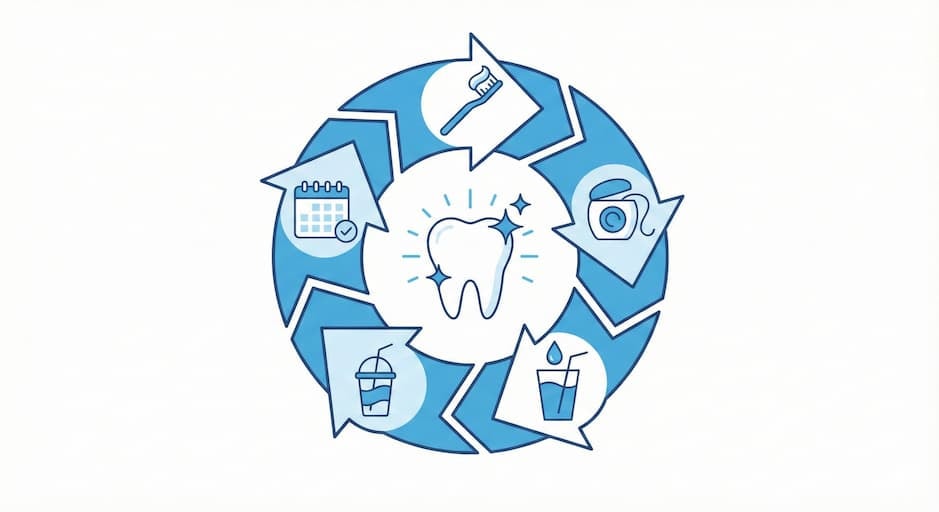
Once you’ve whitened your teeth professionally or with an at-home treatment, keeping them bright is all about consistency. Daily exposure to foods, drinks, and even the natural aging process can slowly dull your results.
Here’s how to protect your investment and maintain healthy, white teeth every single day, without overcomplicating your routine.
Step 1: Start Each Day with the Right Brushing Technique
Your morning oral hygiene sets the tone for the rest of the day. Use a soft-bristled toothbrush and a whitening toothpaste to remove surface stains and refresh your breath.
Do:
-
Brush for a full two minutes, reaching all surfaces
-
Use small, circular motions and light pressure to avoid enamel erosion
-
Focus extra time on areas where stains build up, such as near the gum line and between teeth
If you’ve recently whitened, choose a toothpaste designed for sensitive teeth. Many include low concentrations of peroxide or baking soda to help lift mild stains while protecting enamel.
Step 2: Floss Before Brushing
Flossing removes the particles and plaque between your teeth that a brush can’t reach. If left alone, these areas can darken and dull your smile over time.
Make it count:
-
Floss at least once daily, preferably before your first brush of the day
-
Use about 18 inches of floss and curve it into a C-shape against each tooth
-
Be gentle around the gums to prevent inflammation or bleeding
Flossing first also allows your toothpaste to reach more of the tooth surface, increasing its whitening effect.
Step 3: Rinse with Water After Every Meal or Snack
You don’t need a whitening product to fight stains during the day. Water alone can help a lot.
After meals, especially if you eat or drink anything dark-colored (like coffee, tea, berries, or sauces), rinse your mouth thoroughly with plain water. This helps wash away acids and pigments before they can attach to your enamel.
It also supports saliva flow, which naturally defends against enamel erosion and keeps your teeth healthy.
Step 4: Limit Staining Habits Throughout the Day
Daily choices have the most significant long-term impact on how white your teeth stay. You don’t have to give up coffee or wine forever, but mindful habits go a long way.
Tips to reduce stain risk:
-
Use a straw when drinking iced coffee or tea
-
Sip water alongside staining drinks to dilute pigments
-
Avoid sipping coffee slowly over hours — drink it in one sitting if possible
-
Rinse after acidic or dark-colored foods like tomato sauce, soy sauce, or berries
Even minor adjustments like these can reduce your stain exposure by up to 50 percent.
Step 5: Touch Up Weekly with Gentle Whitening
For most people, once-a-week touch-ups are enough to keep deeper stains from setting in. Use mild whitening products that suit your sensitivity level and lifestyle.
Examples include:
-
Whitening toothpaste with baking soda or low-peroxide formulas
-
Whitening strips used once weekly for maintenance
-
Whitening mouthwash used a few evenings a week
You don’t need to overdo it. Too much whitening can lead to enamel erosion or increased sensitivity. Stick to a schedule and adjust as needed based on how your smile looks and feels.
Step 6: Finish the Day with a Strong Evening Routine
At night, your mouth goes hours without food, water, or brushing, which means plaque and pigments have more time to sit.
Before bed:
-
Floss thoroughly to remove trapped particles
-
Brush with a whitening or remineralizing toothpaste
-
Consider adding a gentle whitening rinse to your nighttime routine
-
Avoid snacking after brushing
This final routine helps protect your enamel overnight and keeps your teeth white while you sleep.
Step 7: Stay Consistent and Adjust Seasonally
Your habits might shift throughout the year. In winter, people often drink more coffee or tea. During summer, there may be more berries or BBQ sauces. The key is to stay flexible.
Do:
-
Increase touch-ups during high-stain periods (like holidays or travel)
-
Scale back whitening if your teeth feel sensitive
-
Keep products fresh and replace toothbrush heads every 3 months
Consistency beats intensity. A steady, gentle approach works better over time than aggressive whitening bursts.
How to Build a Professional Whitening Schedule That Actually Works
Even with perfect at-home care, coffee and red wine drinkers often need regular professional support to keep their teeth white.
A well-planned whitening schedule helps you stay ahead of stains and ensures your smile stays consistently bright, not just temporarily enhanced.
Here’s how to time your appointments, what to ask for, and how to make the most of every treatment.
Get Professional Whitening Treatments Every 6 Months
If you drink coffee or red wine daily, professional whitening twice a year is ideal. These treatments remove deeper stains that home products can't reach and reset your baseline brightness.
You don’t have to wait until discoloration is visible. Regular treatments keep your smile consistently bright, rather than cycling between white and stained.
When to schedule:
-
Every 6 months if you’re a daily coffee or wine drinker
-
Every 3–4 months during heavy staining periods (like holidays or travel)
-
After any major dental cleanings, to maximize results
Talk to your dentist about treatments like in-office hydrogen peroxide whitening, laser whitening, or custom-fitted take-home trays for extra flexibility.
Time Your Whitening Around Lifestyle Changes
Timing your whitening strategically makes a difference. For example, scheduling a treatment just before a wedding, vacation, or big work presentation gives your smile a confidence boost when you need it most.
Smart timing tips:
-
Do not whiten immediately before big stain-heavy events (wine tastings, holidays)
-
Try to schedule during weeks where you can limit staining foods and drinks for at least 48 hours post-treatment
-
If you’re prone to sensitivity, avoid whitening during stressful periods when you're more likely to consume acidic or sugary foods
Good timing helps extend your results and avoid early setbacks.
Add Professional Cleanings Every 4 Months
Teeth cleanings aren’t just about gum health — they’re one of the most effective stain prevention tools available. A hygienist can remove tartar and polish away new surface stains before they set.
For coffee and wine drinkers, a 4-month cleaning schedule is more effective than the standard 6-month visit.
Bonus: Cleanings improve the results of your whitening treatments by giving you a fresh, smooth surface that responds better to whitening gels.
Ask About Custom Whitening Trays
Custom trays let you maintain your whitening results at home with professional-strength gel, without frequent in-office visits. These trays are made using a mold of your mouth, so the fit is precise and comfortable.
They’re especially helpful if you:
-
Want to top up results every month
-
Prefer to whiten at home on your own schedule
-
Have uneven staining or deep discoloration
You can use these trays every few weeks with your dentist’s recommended gel strength to target deeper stains before they become permanent.
How Should You Treat Stubborn or Intrinsic Stains?
Even with a solid whitening routine, some stains are mor
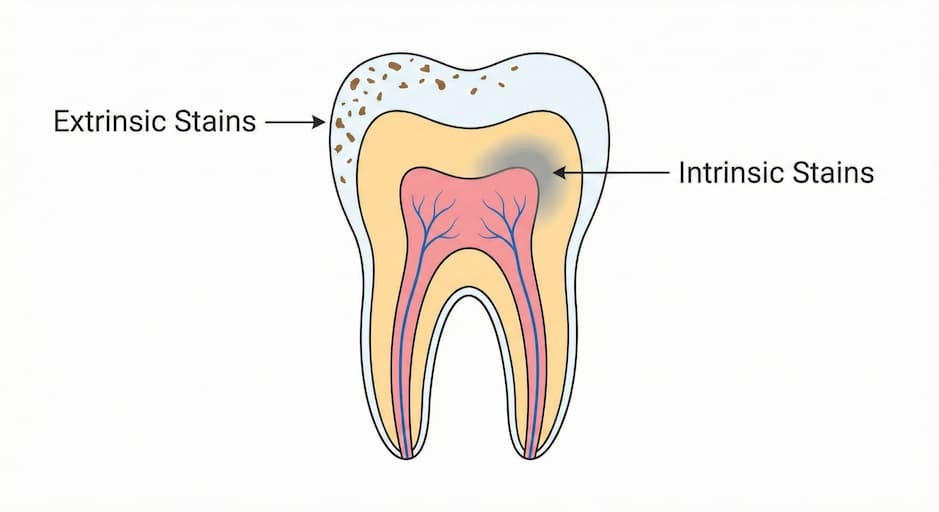
e challenging to treat. These stubborn stains often sit deeper in the enamel or result from long-term habits like daily coffee drinking, red wine consumption, or years of surface buildup.
If your usual whitening routine isn't giving you the results you want, it’s time to use more advanced techniques.
Here’s how to break through a whitening plateau safely and effectively.
Identify What Type of Stains You’re Dealing With
Not all stains are the same. Whitening is most effective when you match the solution to the stain type.
There are two main types of stains:
-
Extrinsic stains are on the tooth's surface and are caused by foods, drinks, and smoking. These are easier to treat with whitening toothpaste and mild abrasives like baking soda.
-
Intrinsic stains are deeper inside the tooth, often caused by aging, trauma, medication, or long-term exposure to staining agents. These are harder to remove and require more powerful methods, such as professional treatments or high-strength at-home kits.
If your teeth appear generally yellow or dull, it’s likely surface staining. If only specific teeth are darker or grayish, it could be deeper discoloration.
Use Whitening Pens for Targeted Treatment
When you notice isolated areas of discoloration, like around the gumline or between teeth, a whitening pen can help.
How it helps:
-
Provides precision application for spot-treating
-
Great for touching up the areas, strips, or trays miss
-
Quick-drying formula makes it ideal for daytime use
Use it once or twice a day for a few days in a row on trouble spots, and compare the results with those of the surrounding teeth.
Try Weekly Baking Soda Treatments
Baking soda is a gentle, effective option for lifting surface stains, especially when used correctly.
How to use it safely:
-
Once a week, dip a damp toothbrush into a small amount of baking soda
-
Brush gently for 1 minute, focusing on stained areas
-
Rinse well and follow with your regular toothpaste
Baking soda works as a mild abrasive, which helps remove surface stains without harming your enamel when used in moderation. Don’t overuse it; once a week is enough.
Alternate Whitening Methods to Prevent Resistance
If you’ve been using the same method for months, your teeth may stop responding as noticeably. Just like skincare or fitness, your teeth can benefit from variety.
Try rotating these methods:
-
Whitening strips for one week
-
Whitening toothpaste is the next
-
Whitening gel in custom trays the following week
Switching techniques can target different stain layers and prevent plateauing.
Ask Your Dentist About High-Concentration Carbamide Peroxide
If over-the-counter products aren’t working, you may need a prescription-strength solution.
Carbamide peroxide (10–22%) is commonly used in professional take-home kits. It penetrates deeper than hydrogen peroxide and stays on teeth longer.
When it helps most:
-
For stubborn, deep-set stains
-
When regular whitening only works temporarily
-
If your teeth respond slowly to standard methods
Your dentist can customize the concentration and frequency of use to balance effectiveness and tooth sensitivity.
Avoid Staining Triggers for 2–3 Days After Advanced Whitening
Right after using powerful whitening agents, your enamel is temporarily more porous. This increases your risk of re-staining, especially if you go straight back to drinking coffee, red wine, or dark sodas.
To protect your progress:
-
Stick to a white diet for 48–72 hours (chicken, rice, cauliflower, milk, bananas)
-
Avoid colorful sauces, berries, red drinks, and tea
-
Don’t smoke or vape, as these can instantly re-stain
This short pause can dramatically extend the results of your advanced whitening efforts.
Monitor Tooth Sensitivity and Adjust Accordingly
More aggressive whitening methods can sometimes cause discomfort. If you feel sharp sensitivity or lingering discomfort:
-
Reduce the frequency of treatment
-
Switch to a sensitive toothpaste
-
Avoid hot or cold drinks for a few days
-
Talk to your dentist before continuing treatments
It’s always better to slow down than to risk damaging your enamel or irritating your gums.
Final Thoughts
You don’t have to choose between enjoying coffee or red wine and having white teeth. With the proper habits, a strategic whitening plan, and the tools that support enamel health, you can keep your smile bright for the long haul.
Whether you're just starting or fine-tuning your whitening routine, consistency and care make the most significant difference.
If you're looking for safe, effective, and sensitivity-friendly whitening products to support your routine, SNOW offers an entire collection designed for daily drinkers, sensitive teeth, and long-term results.
From advanced LED kits to mineral-rich whitening toothpaste and touch-up pens, every formula is backed by dental science and made to fit your lifestyle.
Explore the SNOW Whitening Collection and take control of your smile.
Frequently Asked Questions
Have questions? Our team at SNOW is here to help!
Can I drink coffee immediately after using whitening strips at night?
No. Your enamel is temporarily more absorbent after whitening, so coffee can stain quickly. Wait 30–60 minutes, and rinse with water first if you do drink anything dark.
How long should I wait between professional whitening sessions if I drink both coffee and red wine daily?
Most daily drinkers benefit from whitening every 4–6 months. Heavy-stain seasons, like holidays, may require touch-ups every 3 months or so.
Are there any natural alternatives to chemical whitening that work for heavy stain-causing beverage consumption?
Natural remedies like baking soda or oil pulling can help slightly, but they are rarely strong enough for deep staining. They work best as add-ons to professional or peroxide-based whitening.
What should I do if I experience sensitivity while maintaining this intensive whitening routine?
Reduce how often you whiten and switch to sensitive-teeth products. If sensitivity persists beyond 72 hours, pause treatments and consult a dentist.
Is it safe to combine multiple whitening products (strips, toothpaste, mouthwash) daily for faster results?
Yes, but moderation is key. Daily toothpaste and mouthwash are fine, but strips and gels should be limited to a few times per week to avoid sensitivity or enamel irritation.


