
![Should You Brush Your Teeth Before or After Breakfast? [A Science-Based Answer]](http://www.trysnow.com/cdn/shop/articles/should_you_brush_your_teeth_before_or_after_breakfast.webp?v=1765142470&width=2000)
You should brush your teeth before breakfast...Period!
Dental experts recommend this approach because it removes plaque-causing bacteria that multiply overnight and coats your enamel with a protective fluoride barrier before you consume acidic foods.
This guide explains the science behind this recommendation, the risks of post-breakfast brushing, and how to optimize your morning routine
Key Takeaways
-
Dental experts overwhelmingly recommend brushing teeth before breakfast to protect enamel from acid erosion
-
Brushing before eating removes overnight bacteria buildup and creates a protective fluoride barrier on teeth
-
If you must brush after breakfast, wait at least 30-60 minutes, especially after consuming acidic foods or drinks
-
Morning saliva production decreases by 90% during sleep, making pre-breakfast brushing crucial for bacterial control
-
The American Dental Association supports twice-daily brushing but emphasizes timing matters for enamel preservation
Why Does Bacteria Build Up While You Sleep?
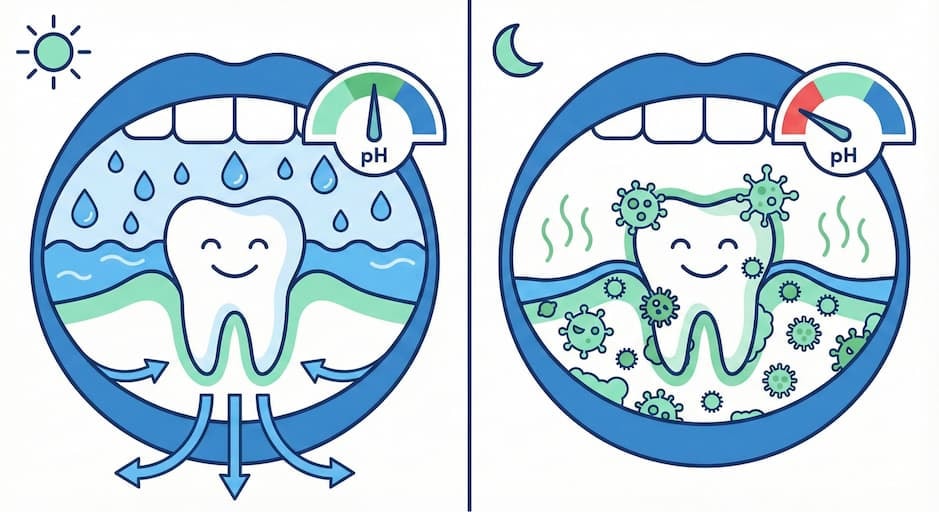
Bacteria build up rapidly during sleep because saliva production drops by 90%, eliminating the mouth's natural defense system. Saliva is essential for washing away food particles, balancing pH, and killing bacteria; without it, the oral environment becomes stagnant. This nocturnal drop in defenses creates the perfect breeding ground for plaque formation, making morning brushing essential.
As the night goes on, bacteria multiply quickly. They feed on leftover debris and form sticky plaque buildup across your teeth.
At the same time, your mouth becomes more acidic. This acidity drops the mouth's pH from a healthy 7 to a critical 5.5, which actively weakens tooth enamel.
A 2024 study in the International Journal of Molecular Sciences confirms that this acidic environment (< pH 5.5) selectively favors Streptococcus mutans, a key pathogen in biofilm formation.
Another study showed that, while you sleep, these bacteria also produce volatile sulfur compounds, gases that cause bad breath. These compounds hit their peak right after you wake up.
Why Do Dental Experts Recommend Brushing Before Breakfast?
When it comes to brushing your teeth in the morning, dental experts agree almost completely: you should brush before breakfast.
This advice isn’t just based on routine. It’s backed by science and years of research about how to keep your teeth and enamel healthy.
The American Dental Association, along with other top groups like the American Association of Endodontists, all support brushing before you eat in the morning. Surveys show that about 85% of dentists say brushing before breakfast is the best way to start your day.
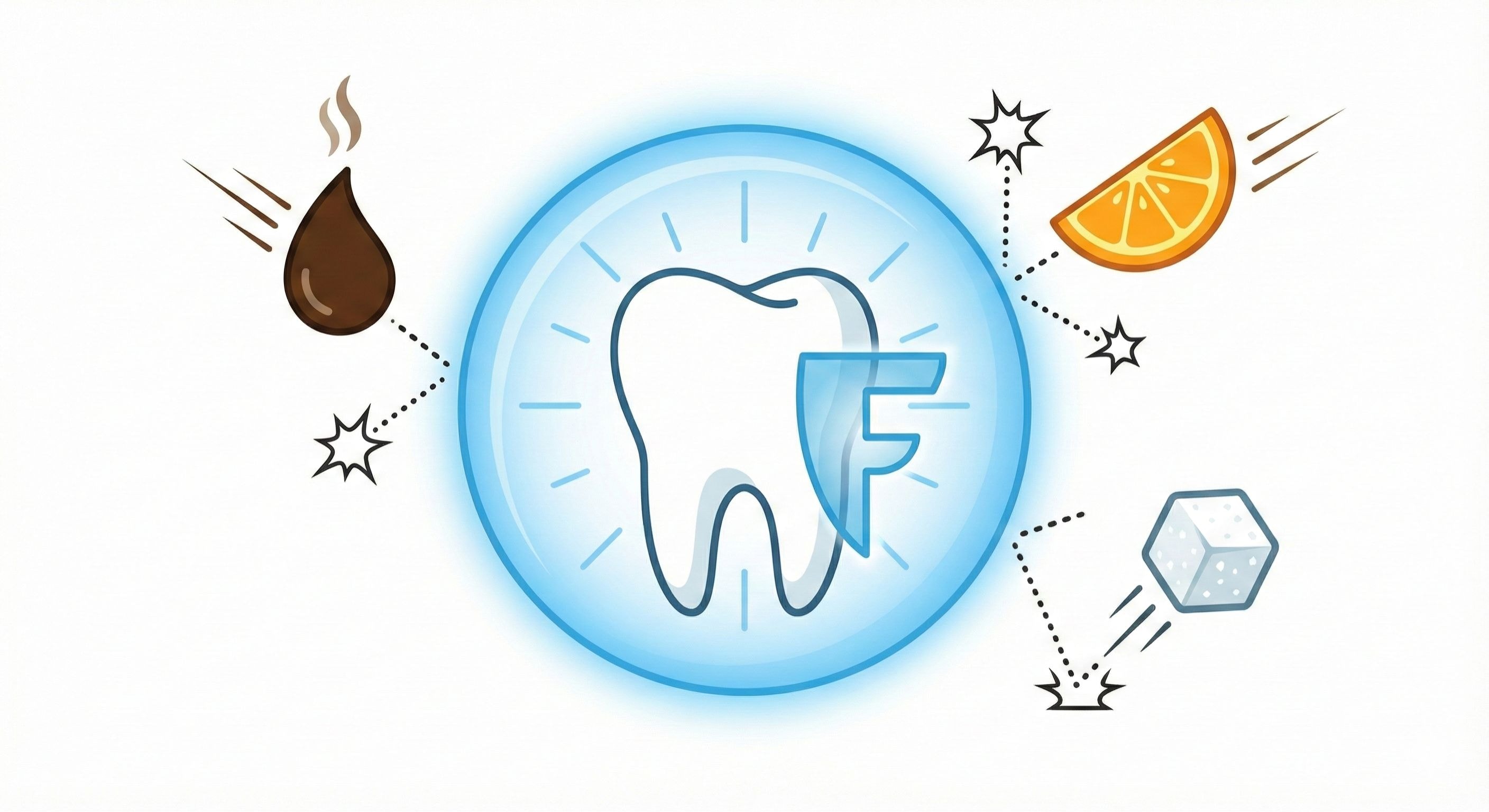
Why? Because brushing first thing removes plaque-causing bacteria that have built up while you slept. It also lets fluoride toothpaste coat your teeth and form a protective barrier before you eat or drink anything acidic, like orange juice or coffee.
Dr. Steven Katz, president of the American Association of Endodontists, explains it: brushing before breakfast puts a shield on your teeth that helps fight off acid and bacteria while you eat.
A 2025 report by the American Association of Endodontists reinforces this, stating that pre-breakfast brushing effectively removes the biofilm that generates acid when it interacts with food.
Even pediatric dentists say the same for kids. Starting this habit early helps protect young teeth and builds good routines that last a lifetime.
What Are the Risks of Brushing Immediately After Breakfast?
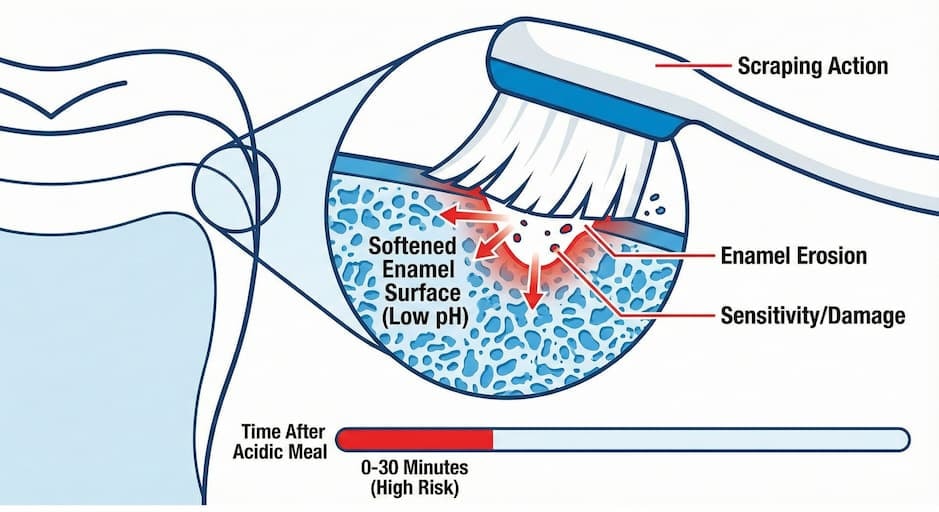
Brushing immediately after breakfast risks damaging your teeth because acidic foods temporarily soften the enamel. Consuming common items like orange juice or coffee lowers the mouth's pH, leaving the outer tooth layer in a vulnerable, demineralized state. Scrubbing the teeth during this 'softened' window can erode the enamel, leading to permanent sensitivity and increased cavity risk
That’s because these foods lower the pH in your mouth, making your tooth enamel temporarily soft. Brushing while the enamel is in this weakened state can lead to enamel erosion, which contributes to sensitivity, plaque buildup, and a greater risk of cavities.
Research shows that enamel begins to soften within 20 minutes of eating acidic foods. If you brush during this time, you may remove up to 50% more enamel compared to brushing when the enamel has re-hardened. This makes it clear why brushing right after breakfast can cause long-term damage.
Foods with a low pH, like citrus juices, black coffee, and even flavored yogurts, are among the most acidic. These not only soften enamel quickly but also extend the time it takes for saliva to neutralize acids and remineralize the enamel. Experts strongly advise waiting at least 30 to 60 minutes after eating these foods before brushing.
How Can You Protect Your Teeth If You Brush After Eating?
If brushing after breakfast fits better into your morning schedule, you don’t have to give it up entirely. You can still protect your teeth while maintaining your routine. The key is knowing how to reduce enamel damage and support your mouth's natural defenses.
1. Wait 30 to 60 Minutes Before Brushing
After eating foods like orange juice, yogurt, toast with jam, or coffee, your tooth enamel temporarily becomes softer due to the acids in those foods. Brushing your teeth during this period can wear away this vulnerable enamel layer.
Waiting 30 to 60 minutes allows your saliva to neutralize acids and begin remineralization. This natural repair process helps restore enamel hardness and lowers your risk of long-term damage. You are still brushing, just at a safer time.
2. Rinse Your Mouth With Water
Rinsing your mouth with water right after your meal is one of the simplest ways to protect your enamel. It helps remove food particles, dilute lingering acids, and encourage saliva flow.
Swishing with water for 30 seconds is especially helpful if you've had coffee, citrus juice, or eaten something sugary. It initiates the cleaning process and helps stabilize your mouth's pH.
3. Chew Sugar-Free Gum With Xylitol
Chewing sugar-free gum right after eating is another great option if you cannot brush immediately. Gum stimulates saliva production, which plays a critical role in neutralizing acids and helping enamel recover.
Gums that contain xylitol go even further. Xylitol helps reduce the amount of harmful bacteria in your mouth and makes it harder for plaque to stick to your teeth. Just 10 to 15 minutes of chewing can make a noticeable difference in how fresh your mouth feels and how protected your teeth are.
SNOW Tip: When brushing isn't an option, combine xylitol gum with SNOW’s Dissolving Whitening Strips to fight stains throughout the day. These strips melt right on your teeth, making them perfect for busy mornings.
Get SNOW Dissolving Whitening Strips
4. Use Fluoride Mouthwash Instead of Brushing
If brushing right away is not a good idea, consider using a fluoride mouthwash instead. This can help strengthen your enamel, wash away leftover acids, and freshen your breath without risking softened enamel from brushing.
Fluoride helps create a protective coating on your teeth's surfaces and supports remineralization. Choose a mouthwash that does not contain alcohol to avoid drying out your mouth, especially right after waking up, when saliva flow is still low.
SNOW Tip: SNOW’s Fluoride Whitening Mouthwash offers both whitening support and enamel protection. It is gentle on sensitive teeth and perfect for your post-breakfast routine.
5. Choose a Soft-Bristled Toothbrush and Brush Gently
If you still prefer to brush after breakfast, use a soft-bristled toothbrush and take a gentle approach. Scrubbing hard won’t make your mouth cleaner and can actually wear away enamel and irritate your gums.
Focus on light, circular motions, and use a toothpaste that helps strengthen enamel. This combination keeps your smile healthy without putting extra stress on your teeth.
SNOW Tip: Use SNOW’s Sensitive Whitening Toothpaste with hydroxyapatite for a gentle clean. It supports enamel recovery, removes daily stains, and is safe enough for twice-a-day use.
Try SNOW Sensitive Whitening Toothpaste
How Long Should You Wait After Eating Common Breakfast Foods?
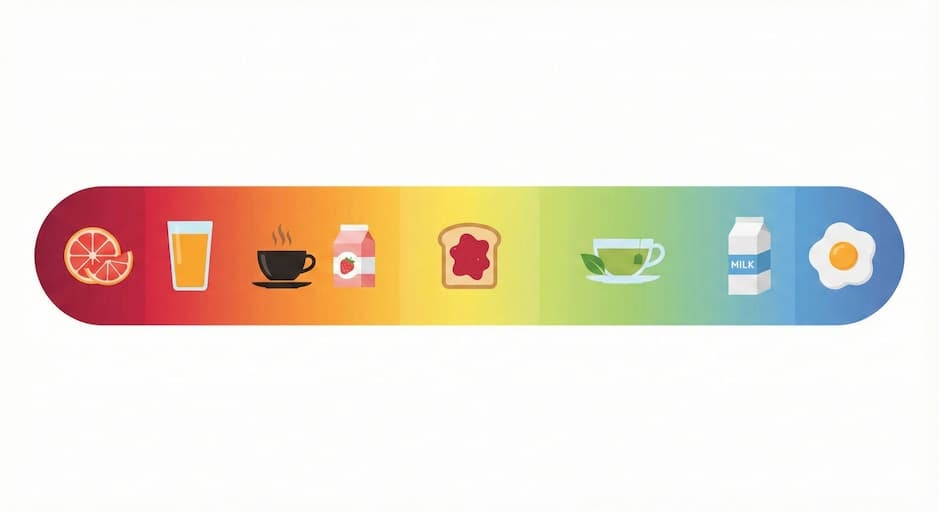
Not all breakfast items are equally harmful to your enamel. Some are mildly acidic, while others are close to neutral and don’t pose a risk. Here’s a breakdown of popular foods and how long you should wait after eating them:

The more acidic a breakfast food is, the more time your saliva needs to neutralize acids and repair your enamel.
What Is the Best Morning Oral Hygiene Routine?
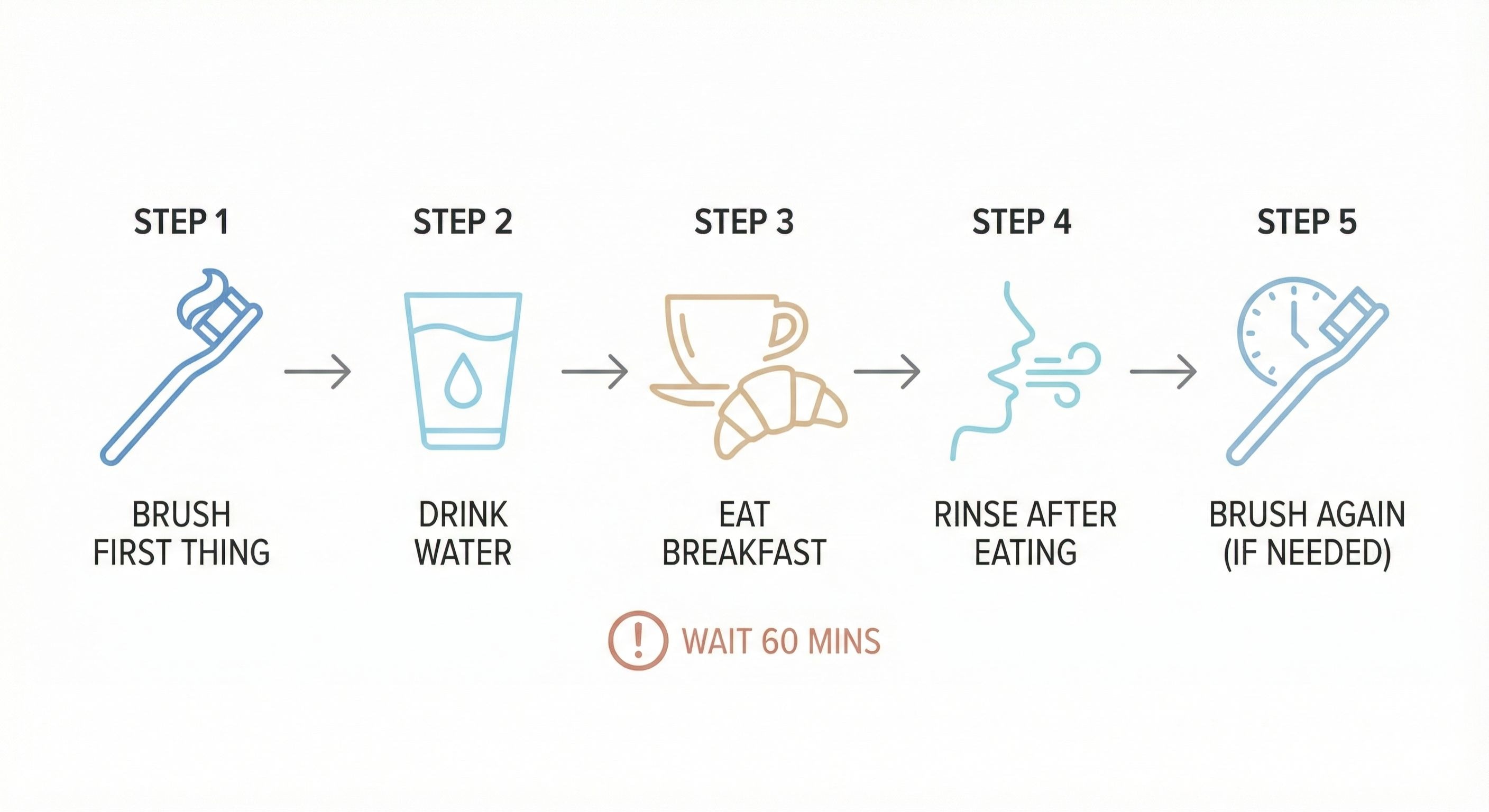
If you start your day with coffee, juice, or citrus fruits, here’s a step-by-step oral care routine that keeps your teeth protected and your breath fresh without damaging your enamel.
Step 1: Brush First Thing in the Morning
Start your day by brushing with a soft-bristled toothbrush and a fluoride toothpaste (or hydroxyapatite toothpaste for sensitivity). This removes plaque and bacteria built up overnight and creates a protective barrier over your enamel.
-
Use light, circular motions
-
Focus along the gum line and between teeth
-
Avoid aggressive scrubbing to protect enamel and gums
Step 2: Drink a Glass of Water After Brushing
Hydrate your mouth and help rinse away any lingering toothpaste. Water also promotes saliva production, which naturally protects your enamel and helps neutralize acids from breakfast foods.
Step 3: Eat Your Breakfast (Coffee, Juice, or Citrus Included)
Enjoy your usual meal, whether it includes coffee, citrus juice, toast, or fruit. Since you’ve already brushed, your enamel has a fluoride coating that helps reduce the impact of acidic foods.
Step 4: Rinse Your Mouth With Water After Eating
Swish with plain water for 20–30 seconds to:
-
Wash away food particles and sugars
-
Dilute acids from acidic foods and drinks
-
Kickstart saliva flow for natural enamel remineralization
This is especially important if you’re not brushing again right away.
Step 5: Brush Again Only If 45–60 Minutes Have Passed
If you prefer to brush after eating for a fresher mouth, wait at least 45 to 60 minutes for your saliva to naturally remineralize the enamel. Brushing too soon after acidic foods may strip away that softened enamel, which can lead to sensitivity and long-term erosion.
If you don’t have time to wait:
-
Use fluoride mouthwash to strengthen enamel without abrasion
-
Chew sugar-free gum with xylitol to boost saliva flow and neutralize acids
Start your routine with SNOW’s Hydroxyapatite Whitening Toothpaste. It's formulated to gently whiten while strengthening enamel and reducing sensitivity, perfect for daily coffee and juice drinkers.
It doesn’t rely on harsh abrasives or peroxide, making it safe for twice-daily use. It also supports removing surface stains while promoting long-term oral health.
Try SNOW’s Hydroxyapatite Whitening Toothpaste
What Are the Special Considerations for Acidic Foods?
When planning your morning routine, it’s essential to think beyond just brushing. What you eat at breakfast, especially if it’s acidic, affects how your teeth respond for the rest of the day. Even small choices, like what drink you pair with your meal, can make a big difference in how well your enamel holds up over time.
Why Taste Matters Too
Many people also notice a strange or unpleasant taste when brushing after breakfast. This often happens when acidic foods mix with toothpaste, especially those that contain ingredients like fluoride or foaming agents. It’s not dangerous, but it can make you less likely to brush consistently.
For those who eat citrus or drink coffee first thing, using a low-foaming or SLS-free toothpaste can help reduce this aftertaste while still protecting enamel. If taste is a reason you're avoiding brushing first thing, switching to a different toothpaste formula may help you stick with this habit every day.
When You Can’t Change What You Eat
Sometimes changing your breakfast isn’t an option. Whether you're used to your morning orange juice or rely on coffee to wake up, the goal isn’t to eliminate your favorites but to make your oral health routine smarter around them.
Instead of skipping brushing or brushing too early, you can focus on supporting your enamel in other ways:
-
Swish with drinking water immediately after meals to reduce leftover acids
-
Use an alcohol-free mouthwash with fluoride to help rebalance your mouth and strengthen tooth surfaces
-
Avoid brushing too often in the morning if you’re already brushing twice a day, especially if you also floss regularly
-
Choose a soft toothbrush and gentle brushing style to protect vulnerable areas around your gums
These minor adjustments help make your routine safer and more effective without sacrificing your morning rituals.
Final Thoughts
Your morning routine isn’t just about looking awake; it’s an essential part of protecting your teeth and avoiding tooth decay. When you brush your teeth before breakfast, you remove bacteria that accumulate overnight, reduce morning breath, and create a barrier that helps shield your enamel from the acids in foods like citrus or coffee.
If you prefer brushing immediately after breakfast, minor adjustments like waiting 30–60 minutes, chewing sugar-free gum, or rinsing with water can make a big difference. These practices support your saliva, which naturally neutralizes acids and protects your teeth throughout the day.
The American Dental Association recommends brushing twice a day, and doing it correctly each morning helps prevent long-term damage from acidic foods.
For safer, more effective care, try SNOW’s enamel-safe oral care line.
FAQs
Have questions? We’re happy to help!
Why does my breakfast taste bad after brushing my teeth, and how can I prevent it?
The unpleasant taste results from sodium lauryl sulfate (SLS) in most toothpastes, which temporarily suppresses sweet taste receptors while enhancing bitter taste perception. This makes orange juice particularly bitter and coffee taste more acidic. You can prevent this by switching to SLS-free toothpaste, waiting 30 minutes between brushing and eating, or rinsing thoroughly with water after brushing to remove residual toothpaste compounds.
Is it harmful to never brush after breakfast if I always brush before?
Never brushing after breakfast isn’t harmful as long as you maintain proper twice-daily brushing (morning and night) and daily flossing. The essential requirement is removing bacterial buildup before it can interact with food, which pre-breakfast brushing accomplishes effectively. However, you can enhance oral health by rinsing with water after breakfast or chewing sugar-free gum to help neutralize acids and remove food particles.
How long should I wait to brush after drinking coffee with my breakfast?
Coffee has a pH around 5.0, so wait at least 30 minutes before brushing to allow enamel remineralization. If you add sugar or citrus to your coffee, or consume other acidic foods with it, extend the waiting period to 45-60 minutes. During this time, drink water to help neutralize acids and stimulate saliva production, which helps protect natural enamel.
Can I use mouthwash immediately after breakfast instead of waiting to brush?
Yes, fluoride mouthwash can be used immediately after breakfast without the mechanical risks of brushing softened enamel. Choose an alcohol-free formulation to avoid additional mouth drying when saliva production is already reduced. Mouthwash provides antimicrobial benefits and fluoride protection while you wait the appropriate time before mechanical cleaning with your toothbrush.
What should parents teach young children about morning brushing timing?
Parents should establish pre-breakfast brushing as the standard morning routine for children, as developing teeth are particularly vulnerable to acid erosion. Make brushing fun by letting children choose their toothbrush color or playing a 2-minute song during brushing. Teach children to rinse with water after breakfast, and explain that waiting protects their teeth from damage, using age-appropriate language such as “letting teeth get strong again after eating.”


