

Permanent teeth often appear more yellow than primary teeth because adult dentin has a naturally darker hue than baby tooth structure. Many parents notice a color change as permanent teeth begin to emerge.
This stage is completely normal. Permanent teeth often appear more yellow than baby teeth because of how they’re structured. That doesn’t mean something’s wrong or that your child needs strong teeth whitening products.
Still, it’s natural to wonder if whitening toothpaste or other teeth whitening treatments are safe for kids. The answer depends on their age, enamel development, and what kind of whitening you’re considering.
This guide explains when children’s teeth whitening is safe, what to avoid, and the gentle ways to support a bright, healthy smile.
Key Takeaways
-
Yellow permanent teeth in kids are usually normal. When baby teeth fall out, new adult teeth can look more yellow due to the natural dentin color underneath the enamel. This doesn’t mean there’s poor hygiene or that whitening is necessary immediately.
-
Whitening too early can harm developing teeth. Children’s enamel and tooth pulp are still maturing until around age 14–15. Using strong whitening agents before full development can cause sensitivity, irritation, or long-term enamel damage.
-
Gentle, age-appropriate options are key. Whitening toothpaste with hydroxyapatite and peroxide-free boosters is safer for younger users. Products like SNOW®’s Purple Booster Powder or Dissolving Strips offer brightening benefits without harsh ingredients.
Professional guidance matters more than age alone. Dentists evaluate tooth development, oral health, and emotional readiness, not just age, before recommending whitening. Supervised plans reduce risks and improve results. -
Prevention is still the best first step. Good brushing habits, diet choices (such as limiting soda), and regular cleanings often reduce or prevent stains in children. In many cases, this gentle care helps keep smiles healthy without requiring bleaching.
Is Teeth Whitening Safe for Children? (Current Evidence & Expert Positions)
As more children notice stained or yellow teeth, many parents ask whether teeth whitening is safe for children. The truth is, children's teeth are different from adult teeth. That means selecting whitening products carefully, and timing is critical.
Below, we break down what makes kids' teeth unique, why age and development matter, and what leading experts say about safe options for whitening children's teeth.
What Makes Children’s Teeth Different from Adults'
Children’s primary teeth are anatomically distinct from adult teeth because they possess significantly thinner enamel layers and larger pulp chambers.
According to Greenvale Dental Group (2025), these larger nerves make the teeth more susceptible to irritation from hydrogen peroxide, which can penetrate immature enamel more easily than fully calcified adult teeth. Furthermore, the natural dentin layer in emerging permanent teeth is thicker, which often creates a 'yellow' appearance that parents mistake for staining.
Recognizing these structural differences is vital for parents to avoid using adult-strength bleaching products that could lead to chronic tooth sensitivity in developing smiles
Additionally, children's gum tissue is still developing. Whitening products can irritate or injure it more easily. That's why dental professionals always recommend caution when considering whitening treatment in younger kids.
Why Whitening Needs to Be Age-Appropriate for Growing Teeth
Timing is everything. Before a dentist considers whitening treatment, they look at the child's stage of tooth development, not just their age.
Tooth enamel continues to harden through a process called enamel calcification. This process often isn’t complete until around age 14 to 15. Whitening too early can expose immature enamel and sensitive pulp to chemicals, leading to issues such as sensitivity, irritation, or long-term enamel damage.
That’s why most dental professionals advise waiting until the enamel is fully formed and most permanent teeth have erupted.
What the Experts Say About Whitening Children’s Teeth
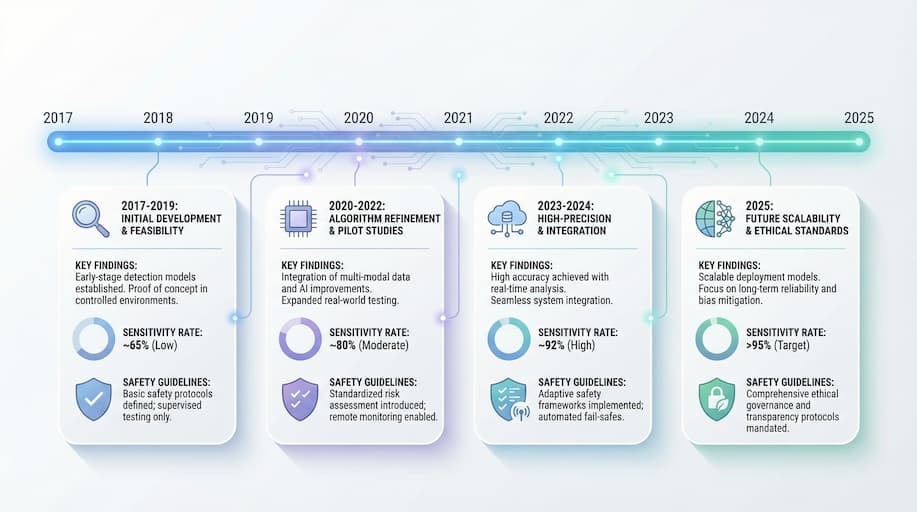
While the demand for children's teeth whitening is rising, clinical studies and expert policies provide important context for safe decision-making.
Evidence from Pediatric Dental Research
A 2017 randomized clinical trial published in the Journal of Applied Oral Science (Pinto et al.) found that 100% of adolescents aged 12–20 using 6% hydrogen peroxide experienced a visible whitening effect without lasting harm.
However, the same study also noted higher rates of temporary sensitivity, especially with strip-style applications.
Another 2025 review from the American Academy of Pediatric Dentistry (AAPD) found that younger children (ages 7–11) often report fewer tooth sensitivity complaints than teenagers. However, due to their thinner enamel and larger pulp chambers, the long-term effects of whitening treatments on younger children remain unclear.
AAPD and Global Safety Guidelines for Whitening in Kids
The AAPD recommends that dental bleaching for children and teens be performed only as part of a complete, dentist-led plan. Their 2025 policy emphasizes that whitening treatments can be safe and effective, but only when used at low concentrations and with parental consent.
European regulators take a more cautious approach. In the EU and the UK, products containing hydrogen peroxide at or above 0.1% cannot be used on patients under 18 unless there is a specific medical reason, such as trauma, MIH, fluorosis, or tetracycline staining.
Real Risks: What Studies Show About Sensitivity and Side Effects
Tooth sensitivity is the most common side effect of whitening. According to the AAPD, 8–66% of users experience some level of sensitivity, especially with higher-concentration hydrogen peroxide.
A clinical trial by Rezende et al. (2018) found that using 37% carbamide peroxide significantly reduced sensitivity compared to 35% hydrogen peroxide. This suggests that selecting appropriate whitening agents and formulations can reduce risk.
Other potential side effects include:
-
Gingival irritation: Affects 1–3% of users; usually mild and temporary.
-
Enamel demineralization: Often reversible with fluoride and saliva.
-
Tooth pulp inflammation: Rare, but possible if peroxide reaches deep inside the tooth.
Non-peroxide options may offer an alternative. A 2025 systematic review by Boruga et al. found that hydrogen peroxide-free color correctors (HPFCC) provided visible whitening with under 3% sensitivity rate, a promising direction for whitening children's teeth in the future.
How to Know If Your Child Is Ready to Whiten Their Teeth
Parents wondering when to whiten kids' teeth often focus on age first. Dentists look at much more than that to protect a child’s health and avoid damage to growing teeth.
Readiness depends on tooth development, oral health, and whether whitening is necessary for cosmetic reasons or to boost confidence.
Why Age Is Not the Only Factor Dentists Consider
A pediatric dentist looks at tooth structure, enamel calcification, and the living connective tissue inside each tooth. Younger teeth have larger pulp or nerve canals, which make them more sensitive to most teeth-whitening agents.
Dentists also assess tooth decay, gum tissue health, and signs of early childhood tooth decay before proceeding with whitening treatments. A healthy mouth always comes first.
Step-by-Step Age Guidelines for Safe Whitening
Dentists follow clear age patterns to decide what is safe for kids.
-
Under 7 years old: At this younger age, whitening is not safe for kids. The focus should be on a consistent dental hygiene routine, regular dental visits, and habits that prevent tooth decay and maintain the child’s oral health.
-
Ages 7 to 11: A child's baby teeth may still be present, and enamel calcification occurs slowly. Whitening strips, hydrogen peroxide solutions, and carbamide peroxide are typically avoided to reduce tooth sensitivity and gum tissue irritation. According to Lee et al. (2005), children in this age group often report fewer sensitivity complaints than older teens.
-
Ages 12 to 13: Permanent teeth grow, but further tooth hardening is still happening. A pediatric dentist may safely treat very mild discolored teeth only when stains affect a child’s self-esteem.
-
Ages 14 to 16: This stage shows the best response to whitening teeth because the enamel calcification process is nearly complete. According to a 2017 clinical trial by Pinto et al., 100% of adolescents aged 12–20 who used 6% hydrogen peroxide showed a visible improvement in tooth shade with proper supervision.
Yellow or Stained Teeth in Kids? Here's What Could Be Causing It
Teeth discoloration in kids is common and usually harmless. Most children experience color changes as their teeth develop.
Knowing the cause helps parents choose the best and healthiest solution.
Normal Color Changes as Baby Teeth Fall Out
When a child's baby teeth fall out, and permanent teeth grow, the new teeth often look more yellow. This happens because adult teeth have thicker dentin under the enamel.
This is normal development and not a hygiene problem for most teeth.
Diet and Hygiene Habits That May Cause Stains
Three primary lifestyle factors contribute to extrinsic tooth staining in children:
-
Acidic Beverage Consumption: Frequent intake of sodas and fruit juices erodes enamel and introduces dark pigments.
-
Plaque Biofilm Accumulation: Inadequate brushing allows bacterial plaque to trap food particles and chromogens on the tooth surface.
-
Circadian Hygiene Gaps: Skipping nighttime brushing allows stains to set overnight when saliva flow—the mouth's natural cleanser—is at its lowest.
Encourage children to maintain good dental hygiene to protect their teeth and keep their smiles bright.
When Stains Point to Deeper Issues Like Trauma or Fluorosis
Some discolored teeth need professional attention.
A single dark tooth may indicate trauma to the tooth pulp or nerves. White or brown spots may indicate fluorosis or enamel pitting affecting surrounding teeth.
These cases should be evaluated by a pediatric dentist to ensure safe treatment of the affected teeth.
Brightening Without Bleach: Safe, Non-Whitening Ways to Boost a Child’s Smile
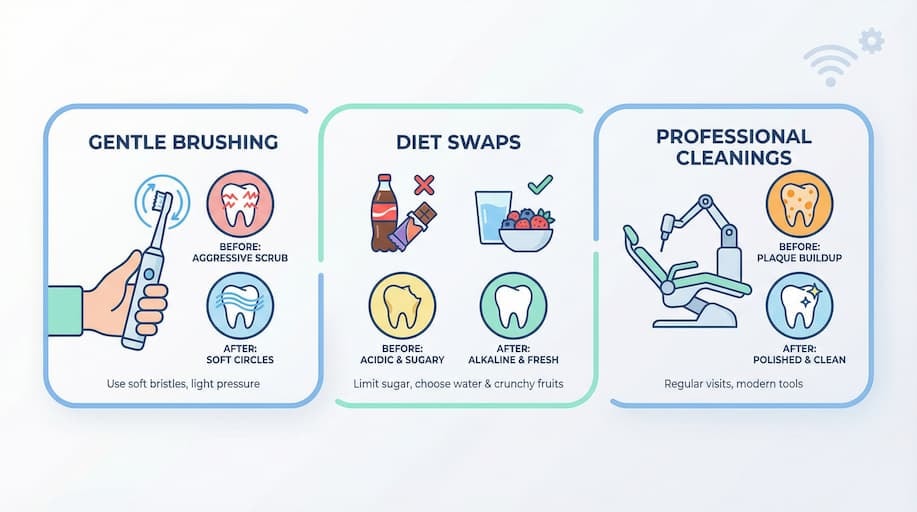
For most children, whitening products are not the first step. Gentle care often works better.
Non-bleaching approaches protect enamel and support a healthy smile long term.
At-Home Habits That Prevent and Reduce Stains
Simple at-home treatment methods can make a big difference.
Daily brushing, flossing, and thorough cleaning help prevent tooth decay and reduce surface stains. These habits also lower the risk of increased tooth sensitivity later.
Kid-Friendly Diet Swaps That Protect Tooth Enamel
Small diet changes help keep a child’s mouth healthy.
Replacing teeth-washing soda with water, limiting fruit juice, and eating crunchy foods help prevent stains and protect enamel.
Professional Cleanings That Gently Restore Brightness
Professional teeth cleanings remove surface stains without bleaching. A dental professional can polish teeth safely and monitor enamel health.
For most children, cleanings and prevention are enough to support confidence and bright without risk.
Gentle Whitening Products That Are Okay Before Full Bleaching
Not all whitening methods are suitable for children, but some gentle, dentist-approved options can help achieve brighter smiles before a full bleaching treatment is safe.
These products don’t change the natural tooth color but help remove surface stains caused by food, drinks, or plaque. When used as part of a good dental hygiene routine, they can help children and teens maintain a healthy smile without exposing their enamel to unnecessary risk.
What Whitening Toothpaste Can (and Can’t) Do for Kids
Whitening toothpaste made for kids or teens works by removing surface stains through polishing agents, not peroxide bleaching. It's safe for daily use when it contains low-abrasion ingredients like hydroxyapatite, which helps rebuild enamel while gently improving brightness.
However, whitening toothpaste can’t change the internal color of teeth or treat deeper discoloration caused by trauma or fluorosis. If your child has these issues, consult a pediatric dentist to find the appropriate treatment.
SNOW’s Purple Brightening Magic Whitening Booster Powder, formulated with enamel-rebuilding hydroxyapatite, provides a gentle way to enhance whitening when added to regular toothpaste.
Get the SNOW Purple Brightening Booster
How Color-Correcting Gels Help Without Peroxide
Color-correcting gels use a purple or blue tint to neutralize yellow tones on the tooth surface. These are peroxide-free and often safe for older children to use under parental supervision. They don’t bleach teeth, but provide an instant visual brightening effect.
Whitening Methods to Avoid Until the Teen Years
Some products may seem mild but can actually harm developing teeth. Avoid the following for kids under 14:
-
High-abrasive pastes or powders that can damage tooth structure
-
Charcoal toothpaste, which may wear enamel over time
-
DIY methods with baking soda or lemon juice, which can cause erosion or sensitivity
-
Whitening strips with hydrogen peroxide solution or carbamide peroxide, unless recommended by a pediatric dentist
Stick to non-bleaching options until your dentist says it’s safe. Protecting the tooth pulp or nerves and ensuring further tooth hardening should always be the priority.
SNOW’s Dissolving Whitening Strips with Hydroxyapatite are a gentler alternative designed for sensitive users, helping to remove stains without irritating gum tissue.
Explore SNOW’s Dissolving Strips
What to Know About Professional Whitening for Teens
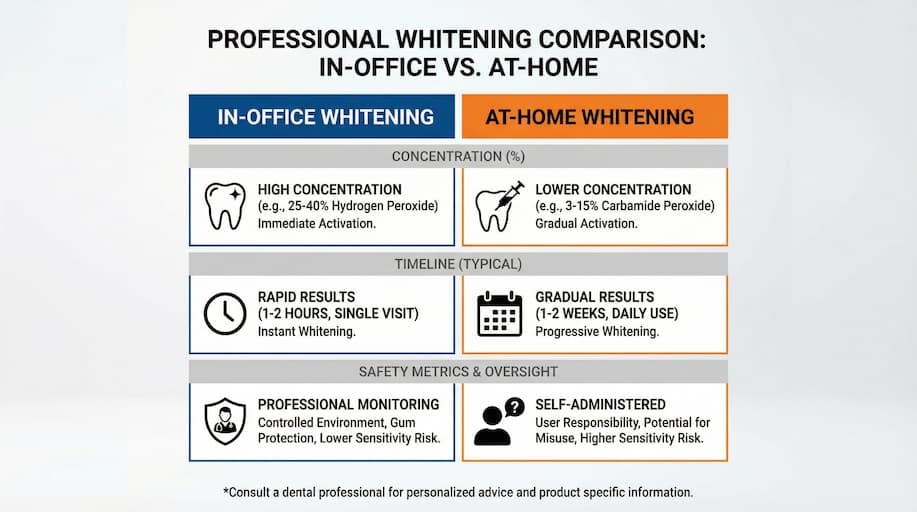
Teeth whitening for teens isn’t a one-size-fits-all decision. Understanding the difference between in-office and at-home professional treatments can help families choose a safer, more effective approach based on the child’s age, oral development, and cosmetic goals.
In-Office vs. At-Home Dentist Whitening: Pros and Cons
Professional teeth whitening treatments for teens typically fall into two categories: in-office sessions or dentist-dispensed take-home kits. In-office options often use high concentrations of hydrogen peroxide (up to 37.5%) to deliver fast, dramatic results in just one visit.
At-home dentist-supervised kits (usually 10–20% carbamide peroxide) work gradually over 1–2 weeks. While not as instantly dramatic, a 2019 RCT by Redha et al. showed these systems achieved clinically noticeable whitening within seven days and maintained color stability over 12 months. They also offer better control over exposure and comfort.
Both are appropriate for teens with fully erupted permanent teeth and no active decay. Custom-fitted trays further reduce gum irritation and improve whitening accuracy.
Comparison: In-Office vs. At-Home Professional Whitening
Below is a quick comparison of the two dentist-supervised options based on clinical findings and safety data:

Resin Infiltration and Non-Peroxide Alternatives
For teens with enamel hypomineralization or white spot lesions, resin infiltration provides a minimally invasive, peroxide-free solution. It targets structural defects rather than general staining. A 2023 narrative review by Smirnova et al. highlighted its success in pediatric cases, particularly post-orthodontic discoloration.
Another gentler approach is hydrogen peroxide-free color correctors (HPFCC), which use optical brighteners and mineral-based ingredients.
Both methods preserve enamel and are especially suited for younger teens or those with baby teeth still present.
What the Research Says About Results, Sensitivity, and Cost
The best results for adolescent teeth whitening occur around ages 14-16, when most permanent teeth have fully erupted. Studies show:
-
In-office bleaching (37.5% HP) delivers dramatic results in one session.
-
Dentist-supervised 6% HP gel or strips produce shade improvement in 7 days.
-
Over-the-counter (OTC) systems using <10% HP yield less noticeable, short-lived results.
Budget-friendly and enamel-safe, SNOW® Purple Dissolving Whitening Strips offer peroxide-free whitening that’s well tolerated even by younger users.
Shop the SNOW’s Purple Strips Now
Whitening Isn’t Risk-Free: Here’s What Parents Should Watch For
Whitening can improve a child’s smile, but it isn’t risk-free. Understanding the most common side effects and long-term safety findings helps parents protect enamel, gums, and overall oral health while avoiding unnecessary damage.
Common Side Effects Such As Sensitivity or Gum Irritation
Whitening treatments can trigger tooth sensitivity (especially cold sensitivity) and gum tissue irritation. According to AAPD data, up to 66% of adolescents experience mild to moderate tooth sensitivity, which typically resolves within 24 hours of stopping the treatment. Gum irritation often results from poorly fitting trays or overuse of the product.
Most whitening products are acidic (pH < 5.5), increasing the risk of enamel demineralization when used excessively. This is especially important when whitening children's teeth, as their enamel and tooth pulp are still developing.
Using remineralizing agents, such as hydroxyapatite, before and after treatments can mitigate risks.
Long-Term Safety Insights from Pediatric Studies
Pediatric studies show that when properly supervised, low-concentration whitening treatments do not cause long-term damage to tooth structure, nerves, or surrounding teeth.
However, whitening baby teeth or partially erupted adult teeth is not recommended. Primary teeth have thinner enamel and larger pulp chambers, making them more vulnerable.
Increased tooth sensitivity, enamel surface roughness, and short-term gum irritation have been observed, but all effects resolved over time in clinical trials.
Whitening should always be part of a comprehensive plan overseen by a pediatric dentist.
Warning Signs That Whitening May Not Be Safe Yet
Parents should avoid attempting whitening treatments if their child has:
-
Active cavities or untreated tooth decay
-
Recent dental trauma
-
Mixed dentition (some baby teeth still present)
-
Diagnosed enamel defects like fluorosis or hypoplasia without prior dentist consultation
Also, children with a history of gum sensitivity, dry mouth, or parafunctional grinding habits may require additional supervision.
Red flags include:
-
Prolonged or increasing tooth pain
-
Inflamed, bleeding, or peeling gum tissue
-
White spots or pits developing post-treatment
When in doubt, consult your child’s dentist before starting any whitening regimen.
Whitening Rules Around the World: What Parents Should Know
Teeth-whitening safety doesn’t depend solely on biology. Laws and professional standards vary widely by country, which can affect what products are available and when whitening is considered appropriate for children and teens.
U.S. Regulations and What’s Available Over the Counter
In the U.S., most whitening toothpaste and teeth whitening products are classified as cosmetics by the FDA. This means they don’t require pre-approval for safety or efficacy. There are no federal age restrictions on over-the-counter whitening strips or gels, though professional guidelines recommend caution for children under 14.
LED whitening devices, such as those sold by SNOW®, may be classified as Class I or Class II medical devices and require special registration. Still, they’re widely available for home use.
Dentist supervision is strongly advised for any teen whitening with peroxide-based products.
EU and UK Rules on Age and Dentist Supervision
In the EU and the UK, whitening gels containing 0.1% hydrogen peroxide may be used only on individuals under 18 for the treatment of disease or trauma-related discoloration, never for cosmetic purposes. These products are considered medical-grade and require professional application.
OTC whitening systems in the UK usually contain <0.1% hydrogen peroxide, which is insufficient for effective whitening. Dentists treating minors must follow strict consent, documentation, and indemnity protocols.
Why Dental Guidance Always Matters
Teeth whitening agents, especially those containing hydrogen peroxide or carbamide peroxide, can interact with enamel, tooth pulp, or gum tissue in complex ways. This is particularly risky in younger individuals whose enamel is still maturing.
Whether in the U.S. or abroad, professional oversight ensures that any whitening treatment is safe, effective, and customized to the child’s development stage.
Want something gentle and expert-approved? SNOW® Gold Whitening Serum Pen delivers dual-peroxide power with minimal sensitivity, making it suitable for supervised teen use.
Choosing the Right Whitening Path for Your Child
With so many options and so many rules, how do you actually choose what’s right for your child’s smile?
Let’s break it down into clear steps, guided by pediatric dental experts.
3-Step Decision Framework Backed by Pediatric Dentists
A pediatric dentist-guided plan ensures your child’s smile brightens safely without risking long-term harm.
-
Assess Readiness: Are all permanent teeth erupted? Is the child mature enough to follow instructions?
-
Consult a Pediatric Dentist: They can evaluate tooth health, spot contraindications, and recommend an appropriate treatment.
-
Start Low and Slow: Begin with low-concentration, enamel-safe products, and monitor results and side effects.
Questions to Ask Before Starting Any Whitening Product
These questions help clarify whether whitening is the right move now — or something to revisit later.
-
Has my child had a dental checkup in the past 6 months?
-
Are there any untreated cavities or gum issues?
-
Do we understand the ingredients and their risks?
-
What’s the concentration of hydrogen or carbamide peroxide?
-
Will whitening improve my child’s self-esteem, or is it addressing cosmetic concerns only?
How to Match Whitening Methods to Your Child’s Maturity
Younger children (under 13) should typically avoid cosmetic whitening unless medically indicated. Teens aged 14-16 are often the best candidates, as they have fully erupted adult teeth and increased responsibility.
Match whitening toothpaste or peroxide-free systems to kids still learning oral hygiene. Older teens with stable oral health may be ready for professional teeth whitening under supervision.
Whichever route you choose, prioritize your child’s health over fast results. A good dental hygiene routine, regular dental visits, and diet choices (limiting fruit juices and staining teeth soda) help keep smiles bright and natural.
Final Thoughts
When it comes to whitening children's teeth, slow, informed steps are always better than rushing into quick fixes. Most children’s teeth look more yellow as they develop, especially when baby teeth fall out, and permanent ones grow in. That’s not a flaw, it’s normal biology.
Understanding what’s safe (and what’s not) helps you make better choices for your child’s smile and long-term oral health. Whether you’re navigating early stains, supporting your teen’s self-esteem, or just curious about what’s out there, the best plan always starts with a dental professional.
From peroxide-free toothpaste boosters to enamel-safe whitening strips, SNOW offers kid-considerate options designed with safety and science in mind. When your child is ready, SNOW is ready too.
Explore the SNOW Whitening Collection
FAQs
If you're unsure what's safe for your child's smile, these quick answers can help guide your next step.
Can my 9-year-old use whitening strips?
No, most experts don’t recommend whitening strips for 9-year-olds. At this age, kids usually still have baby teeth and are developing enamel. It’s safer to wait until the teen years and focus on brushing, diet, and dental checkups for now.
Is baking soda safe to use on my child’s teeth?
Baking soda might be okay once in a while for older kids, but not every day. It can wear down enamel, especially if mixed with lemon or vinegar. It’s best to ask your child’s dentist before trying it.
Will whitening damage my teenager’s braces or retainers?
Yes, whitening with braces can cause uneven color because the gel won’t reach under the brackets. Retainers can also get stained or damaged by whitening gels. It’s best to wait until after orthodontic treatment and ask the dentist for safe options.
How long do whitening results last in teens?
Teens can maintain whiter teeth for 6 to 12 months after professional whitening. How long it lasts depends on what they eat, how they brush, and if they avoid smoking or vaping. Touch-ups should always be dentist-approved.
What if my child is very self-conscious about a single dark tooth?
A single dark tooth may mean there’s an injury or problem inside the tooth. A dentist needs to check it before any whitening. They may recommend safe treatments such as bonding or internal bleaching for teens.


