



Leaving whitening strips on overnight causes chemical burns to the gums, extreme tooth sensitivity, and permanent enamel erosion.
Because these strips use hydrogen peroxide meant for only 30-60 minutes of contact, prolonged exposure lowers the mouth's pH and damages the tooth structure.
This guide explains the immediate side effects, emergency recovery steps, and long-term risks of overuse
Key Takeaways
-
Whitening strips are meant for short-term use; leaving them on overnight can lead to sharp tooth sensitivity, gum damage, and weakened enamel.
-
The chemicals used in strips, such as hydrogen peroxide, should never remain on your teeth for more than 60 minutes.
-
Prolonged exposure irritates your nerves and lowers the pH in your mouth, putting your enamel at risk.
-
If you fall asleep with whitening strips on, remove them right away, rinse gently, and use a desensitizing toothpaste.
-
To safely whiten your teeth, always follow the directions and use products as intended. For stubborn stains or deep discoloration, talk to your dentist about safer, professional options.
What Are the Immediate Side Effects of Overnight Whitening?
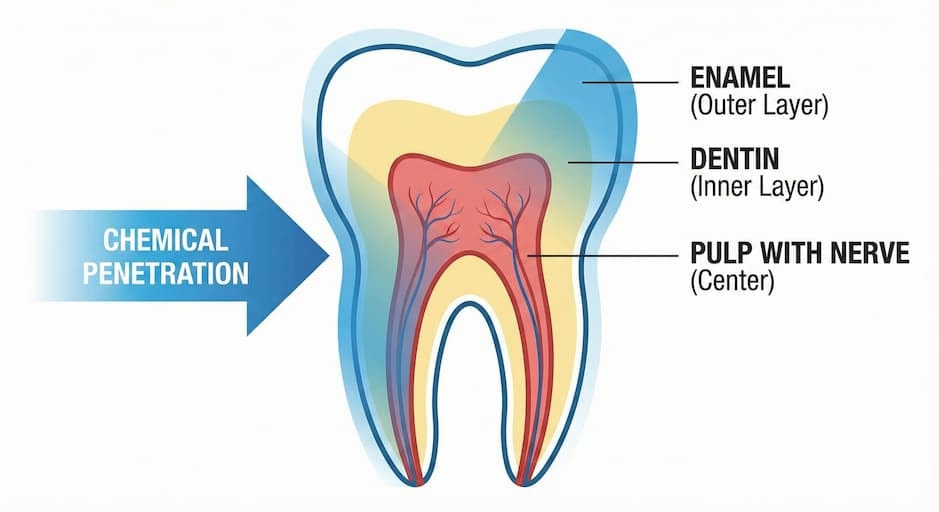
The immediate side effects of overnight whitening include acute chemical burns and 'zinging' nerve pain.
When hydrogen peroxide remains on teeth beyond the recommended 30-60 minutes, it penetrates the enamel to reach the dentin, where it dehydrates the nerve endings. Simultaneously, the oxidative agents attack the soft tissue of the gums, causing white, ulcer-like patches.
These physical reactions are the body's warning signs that the protective barrier of the tooth is being compromised.
Gum irritation is also a common issue. Prolonged contact between peroxide gel and gingival tissue leads to chemical burns, characterized by white ulcerations and acute inflammation. Leaving strips on too long increases the chance of these side effects.
The whitening process also affects your enamel. It lowers the pH in your mouth and softens the outer layer of your teeth. This weakens your enamel and makes it more likely to stain or become damaged.
If you accidentally leave whitening strips on too long, remove them right away. Rinse your mouth with lukewarm water and use a toothpaste made for sensitive teeth. Avoid acidic drinks like soda, juice, or citrus for at least 24 hours to give your enamel time to recover.
Always follow the instructions on your whitening strips. Leaving whitening strips on longer does not make your smile whiter, but it can increase your risk of long-term damage.
What to Do If You Fall Asleep with Whitening Strips On
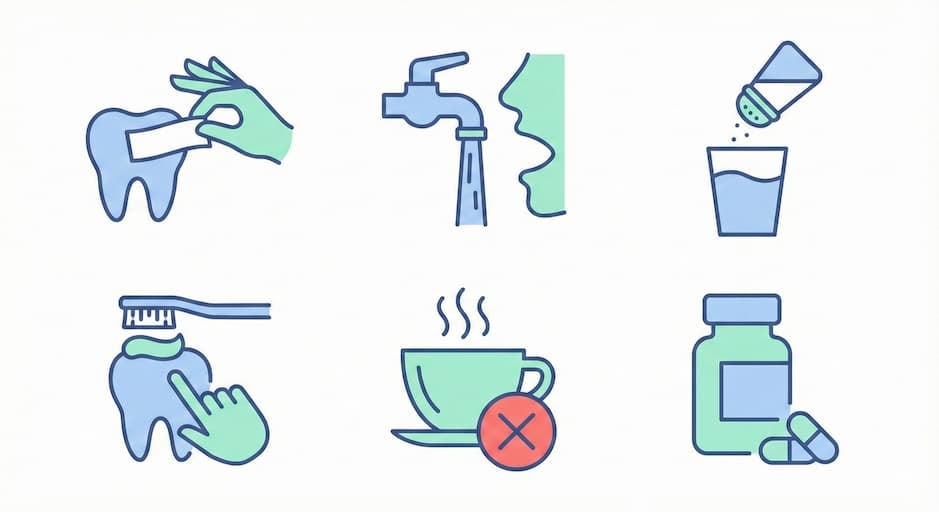
Falling asleep while using teeth-whitening strips can lead to gum burns, tooth pain, and weakened enamel. The good news? If you act quickly, you can reduce the effects and help your mouth recover safely.
Here’s what to do right away if you accidentally fell asleep with whitening products still on your teeth.
1. Gently Remove the Whitening Strips
Immediately remove the whitening strips using lukewarm water to loosen the adhesive if they are dried to the teeth. Ripping dry strips off forcefully can tear the delicate, chemically burned gingival tissue and exacerbate enamel damage. Using warm water rehydrates the gel, allowing for a trauma-free removal. Gentle removal is the first critical step in preventing secondary mechanical injury to already sensitized teeth
2. Rinse Your Mouth Thoroughly with Lukewarm Water
After removing the strip, rinse your mouth for at least 1–2 minutes with lukewarm water. This will help clear out any remaining whitening gel that could still be active in your mouth.
Avoid using hot water, which can make increased tooth sensitivity worse. Don’t use alcohol-based mouthwashes, as they can dry your mouth and irritate sensitive teeth further. If your teeth feel sore, switch to a gentle fluoride mouthwash made for post-whitening treatment recovery.
3. Soothe Your Gums with a Saltwater Rinse
If your gums feel raw, swollen, or have turned white in places, they may be burned by the chemicals in the strips. Make a saltwater rinse by mixing 1/2 teaspoon of salt into a glass of warm water.
Swish this gently around your mouth for 30–60 seconds. Repeat 2–3 times a day. Saltwater helps reduce swelling, eases gum irritation, and prevents infection in any irritated areas.
4. Apply Desensitizing or Fluoride Toothpaste to Affected Areas
If you experience increased tooth sensitivity, apply a small amount of fluoride toothpaste or toothpaste for sensitive teeth directly onto your teeth. Use your fingertip or a soft-bristle toothbrush to spread it gently over any areas that hurt.
Let the toothpaste sit on your teeth for a few minutes before rinsing. This gives time for ingredients like potassium nitrate or fluoride to block nerve pain and begin strengthening your tooth enamel.
SNOW tip: Repeat this 2–3 times a day for relief until your teeth feel normal again.
5. Avoid Hot, Cold, or Acidic Foods and Drinks for 24 to 48 Hours
After a prolonged whitening treatment, your enamel may be temporarily soft. This means your teeth are more sensitive and more likely to absorb stains or get damaged. For the next 1–2 days, avoid:
-
Hot drinks like coffee or tea
-
Cold drinks like iced water or smoothies
-
Acidic foods like citrus fruits, tomatoes, soda, or vinegar
-
Hard or crunchy foods that could irritate sore gums
Instead, choose lukewarm, soft foods such as oatmeal, rice, or mashed vegetables.
6. Take Pain Relievers if Necessary
If you feel pain in your gums or teeth that doesn’t go away after rinsing, take an over-the-counter pain reliever like ibuprofen or acetaminophen. These reduce inflammation and help control pain.
Make sure to follow the dosage instructions on the bottle. Don’t use aspirin directly on your gums or teeth,it won’t help and can cause burns.
7. Watch Your Teeth and Gums for Signs of Lasting Damage
Most of the side effects from sleeping in whitening strips go away in a few days. But you should keep an eye on how your mouth feels.
Call your dentist if you notice:
-
White patches on your gums that don’t fade
-
Throbbing pain or extreme sensitivity after 72 hours
-
Uneven whitening or dark spots on your teeth
-
Bleeding or swollen gums that last more than 3 days
Your dentist can check for deeper damage and may recommend a break from teeth whitening or offer professional teeth whitening options that are safer and more effective.
What Are the Long-Term Risks of Repeated Overnight Use?
Using whitening strips occasionally is safe when done correctly. But if you repeatedly leave whitening strips on too long, especially overnight, you can do serious long-term damage to your teeth and gums. Over time, this overuse may lead to problems that are painful, costly to fix, and in some cases, permanent.
Let’s break down what can happen if you make overnight whitening a habit.
1. Permanent Enamel Damage
Your tooth enamel is the hard, outer shell that protects the softer layers of your teeth. When exposed to whitening gel for too long, active ingredients like hydrogen peroxide or carbamide peroxide begin to break down the minerals in the enamel. This process is called demineralization.
Repeated overexposure can:
-
Thin your enamel permanently
-
Create weak spots or soft areas
-
Increase your risk of tooth decay and cavities
-
Cause teeth to appear dull or yellow as the white enamel wears away
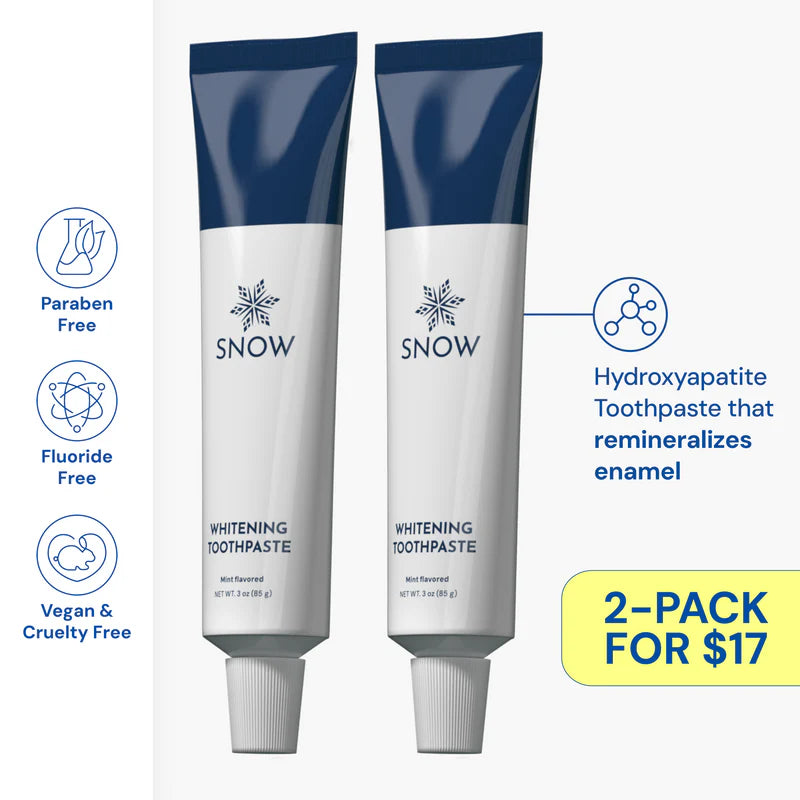
Once enamel is gone, it can’t regenerate. That’s why using an enamel-safe product—like SNOW’s Hydroxyapatite Whitening Toothpaste, is one of the best ways to support your smile during and after whitening treatments. It helps strengthen enamel while gently removing stains.
Get SNOW Dissolving Whitening Strips
2. Ongoing Tooth Sensitivity
Tooth sensitivity is common with whitening, but when you leave strips on too long, it can become chronic. Prolonged exposure allows whitening agents to reach the nerve-rich dentin layer beneath your enamel.
This can lead to:
-
Sharp pain when drinking hot or cold beverages
-
Sensitivity while brushing
-
Discomfort from cold air or even during sleep
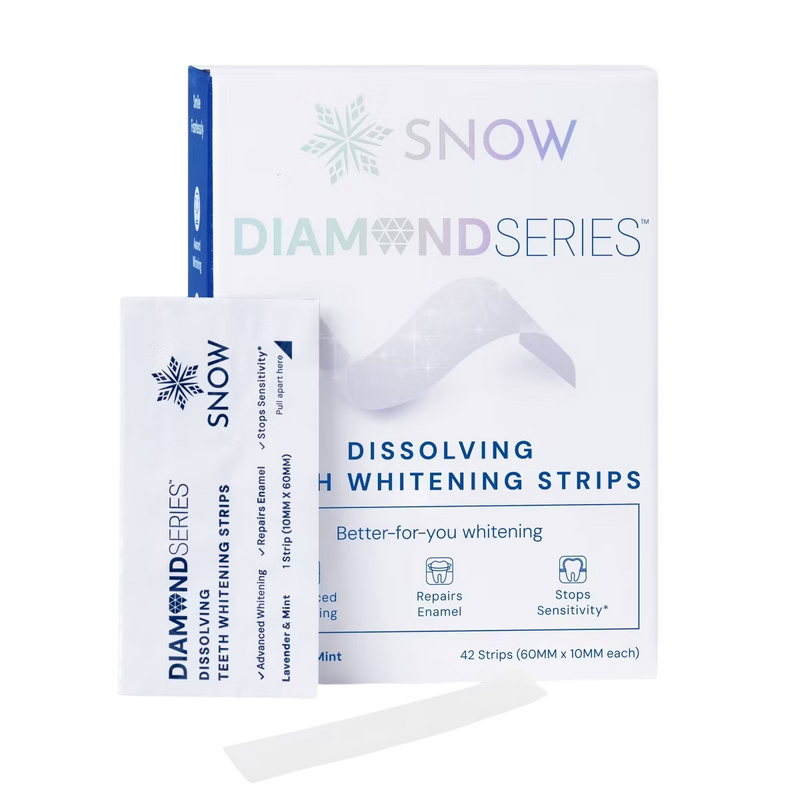
Using a desensitizing toothpaste can help, but ongoing pain may require professional care. If you’re prone to sensitivity, try switching to SNOW’s Dissolving Whitening Strips, designed for gentle whitening without harsh exposure, and safe enough for daily use.
Get SNOW Dissolving Whitening Strips
3. Gum Recession and Irritation
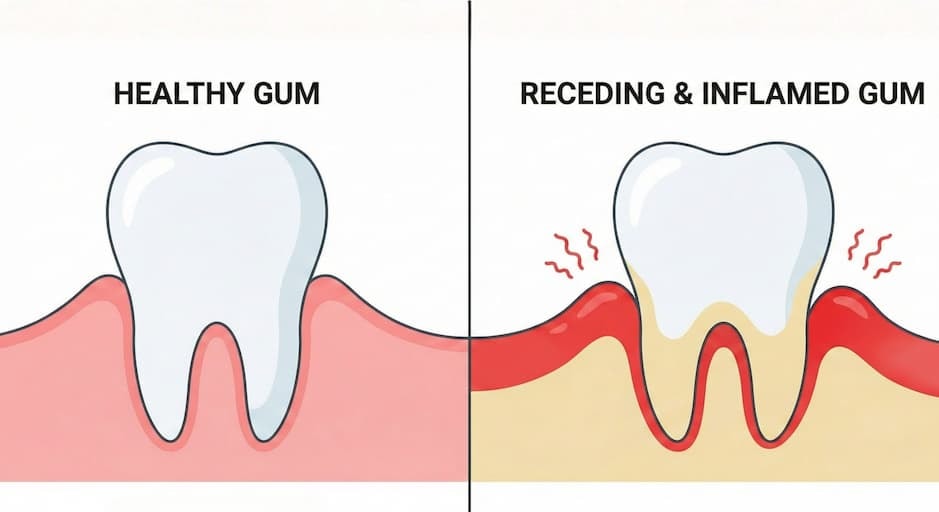
Repeated overnight exposure forces gum tissue to recede, permanently exposing the tooth root. The caustic nature of peroxide bleaches and burns the gingiva, leading to inflammation and eventual tissue loss (recession).
Unlike minor irritation, recession exposes the cementum layer of the root, which has no enamel protection. This damage is irreversible and often requires surgical gum grafting to repair.
Signs of overexposure include:
-
Redness, soreness, or burning along the gumline
-
White chemical burns or peeling skin
-
Gum recession exposing tooth roots
Gum recession is difficult to reverse and often permanent. To avoid this, make sure strips are applied only to your teeth—not your gums—and never worn longer than the product recommends.
4. Uneven Whitening and Tooth Discoloration
Overnight whitening sounds like a shortcut, but it often backfires. During sleep, saliva and mouth movement can shift the strips, causing uneven contact.
This can result in:
-
Patchy, striped, or blotchy whitening
-
Some areas appearing much lighter than others
-
Lingering stains in hard-to-reach spots
These uneven results may require a professional fix. Whitening works best when done gradually, consistently, and with products that stay in place.
5. Higher Risk of Cavities and Dental Procedures
Weak enamel plus gum irritation adds up to a higher risk of serious dental issues. Over time, you may need:
-
Fillings for deep cavities
-
Repairs for cracked or weakened teeth
-
Crowns, root canals, or cosmetic restorations
These treatments are far more expensive—and invasive—than using whitening strips correctly or opting for a safer alternative.
Final Thoughts
Whitening your teeth can boost your confidence, but it should never come at the cost of your health. Leaving whitening strips on overnight doesn’t give better results. Instead, it increases your risk of enamel damage, gum irritation, and long-term sensitivity.
Whitening strips are made for short use—no more than 30 to 60 minutes. Following the directions helps you get a brighter smile without harming your teeth or gums. If you’re looking for a gentler solution, try products made for sensitive teeth or ask your dentist about professional whitening options.
Want a safe way to whiten daily? SNOW’s enamel-safe whitening line, like the Hydroxyapatite Toothpaste or Dissolving Whitening Strips, is designed to protect while it whitens.
FAQs
Can one night of leaving whitening strips on cause permanent damage?
Yes, leaving white strips on overnight can weaken the outer layer of enamel and expose nerve endings, even after a single use. While most permanent damage occurs with extended exposure, one night can still make teeth more vulnerable to decay. If you experience severe pain, rinse your mouth with lukewarm water and call your dentist.
How long does sensitivity last after leaving strips on overnight?
Sensitivity from whitening strips used too long typically lasts 3–7 days. If your teeth feel sensitive longer than 2 weeks, or brushing becomes painful, consult your dentist to check for deeper enamel or gum issues.
Should I continue my whitening treatment after accidentally leaving strips on overnight?
No, pause your whitening treatment immediately. Give your enamel time to recover, then ask your dentist before resuming—especially if your gums feel sensitive or the gel caused irritation.
What’s the difference between leaving strips on for 2 hours versus overnight?
Two hours of extended exposure may lead to mild discomfort or a blotchy appearance. Leaving whitening strips on overnight increases the risk of gum burns, enamel erosion, and deeper damage to nerve endings.
Can I use pain medication if I experience severe sensitivity after overnight strip use?
Yes, over-the-counter NSAIDs like ibuprofen can relieve oral care pain and inflammation. Pair with desensitizing toothpaste, avoid acidic foods, and rinse your mouth with lukewarm water to soothe irritated gums and enamel.