

Teeth whitening is a safe and effective cosmetic procedure for seniors over 60, provided that gum tissue is healthy and sufficient enamel remains.
While aging teeth naturally accumulate deep-set intrinsic stains from secondary dentin formation, dentist-supervised treatments using carbamide peroxide can successfully restore brightness without damaging restoration work.
This guide analyzes the specific protocols for whitening aging teeth, covering:
-
Why enamel thinning affects whitening outcomes.
-
Which professional and at-home methods are safest for sensitive teeth.
-
How to manage interactions with crowns, veneers, and medications.
-
The expected costs and maintenance schedules for senior dental care.
Ready to feel confident about your smile again
Let's get started.
Key Takeaways
-
Most seniors in their 60s, 70s, and beyond can safely whiten their teeth once a dentist confirms there are no untreated cavities, gum disease, or advanced enamel thinning.
-
Aging teeth are more sensitive due to thinner enamel and receding gums, which makes lower-strength, dentist-supervised take-home trays a safer and more comfortable option for many older adults.
-
Crowns, fillings, veneers, bridges, and dentures do not whiten, so existing dental work must be considered to avoid uneven or mismatched results.
-
Seniors must strictly adhere to application time limits when using OTC strips, as prolonged contact with receded gum tissue can cause chemical burns and severe dentin hypersensitivity.
-
Frequent whitening or excessive touch-ups can increase sensitivity and enamel wear, especially on older teeth.
-
Lifestyle habits such as reducing coffee, tea, red wine, and tobacco use help maintain whitening results longer.
Routine dental cleanings play an important role in keeping teeth bright and minimizing the need for repeated whitening treatments.
How Aging Changes Your Teeth (and Why They Look Darker)
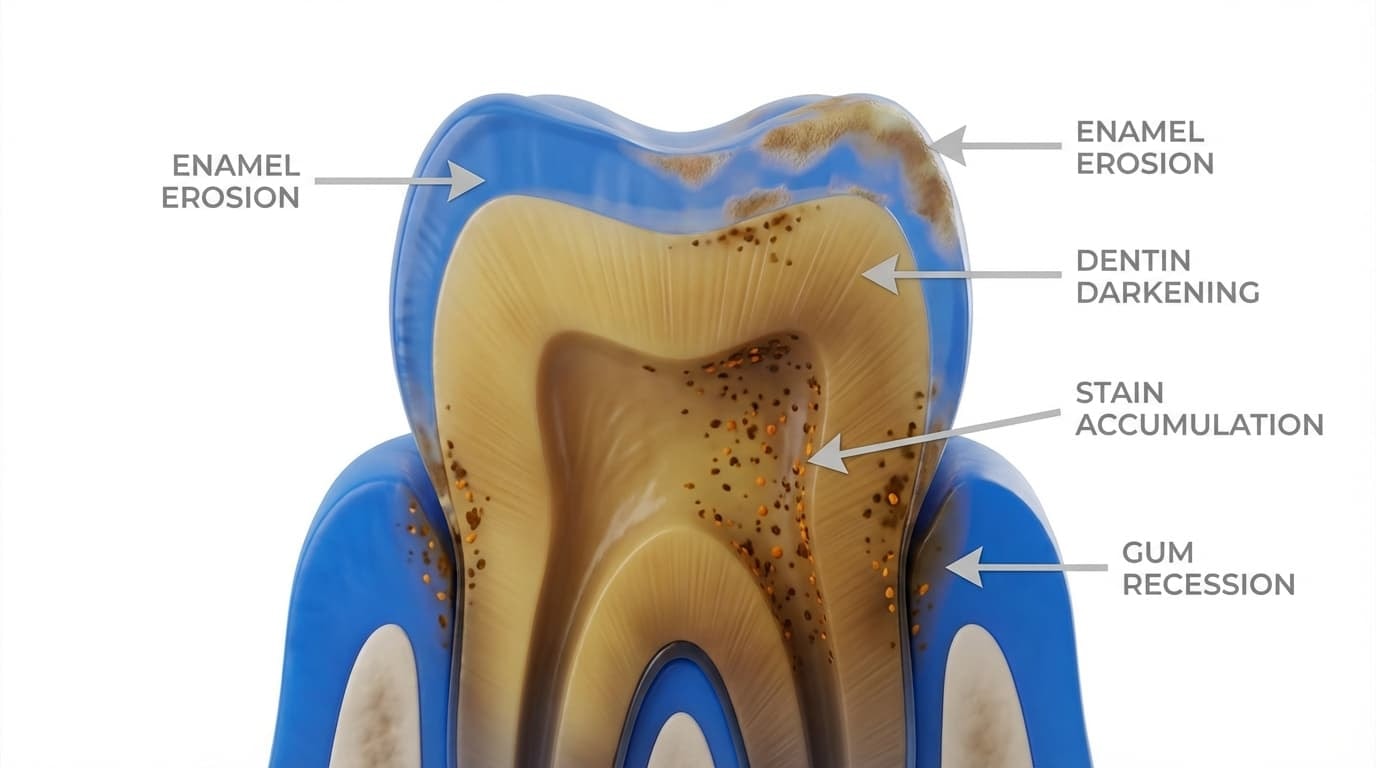
As we age, our teeth naturally change, affecting their appearance. These changes can make the teeth look darker, more yellow, or less vibrant than in younger years. Here’s what causes it:
Enamel Wears Down Over Time
Tooth enamel, the strong white layer on the outside of your teeth, thins gradually with age. Enamel erosion occurs gradually over decades due to mechanical friction from brushing and chewing, combined with chemical erosion from acidic foods.
As enamel becomes thinner, more of the yellow dentin beneath shows through, giving teeth a darker or duller appearance.
Years of Stains Build Up
Chromogens found in dark liquids cause extrinsic staining by binding to the microscopic pores of the enamel.
Tannins in red wine and tea enhance the ability of these chromogens to attach to the tooth surface, creating stubborn discoloration that deepens over decades of consumption.
For seniors, these accumulated stains are often 'mineralized,' requiring oxygenating whitening agents rather than simple abrasive toothpastes to remove effectively.
Dentin Changes Internally
The dentin layer beneath your enamel naturally darkens with age. In some cases, medications such as tetracycline, blood pressure medicine, or certain antidepressants can also cause internal tooth discoloration. These stains develop from within and are harder to treat than surface stains.
Gum Recession Reveals Darker Roots
Gingival recession is common in seniors, exposing the tooth's root surface (cementum). Unlike the crown, the root lacks an enamel covering and is naturally darker and softer. . Whitening agents cannot penetrate cementum effectively, often resulting in a two-tone appearance if not managed by a professional.
Existing Dental Work Stays the Same Color
Crowns, fillings, and veneers do not change color with whitening. If you whiten your natural teeth, the dental restorations around them may stay darker. This underscores the importance of carefully planning your whitening, especially if your dental work is visible when you smile
Is Teeth Whitening Safe for Seniors?
Yes. Teeth whitening can be safe at any age when done correctly. Many adults in their 60s, 70s, and beyond choose whitening to restore a brighter smile with great results.
As we age, our teeth naturally undergo changes, such as enamel thinning and gum recession. Because of this, some whitening methods may cause more tooth sensitivity if they are too strong or used too often.
The good news is that modern professional teeth whitening is designed with comfort in mind. When supervised by a dentist, most seniors can safely whiten without damaging tooth enamel.
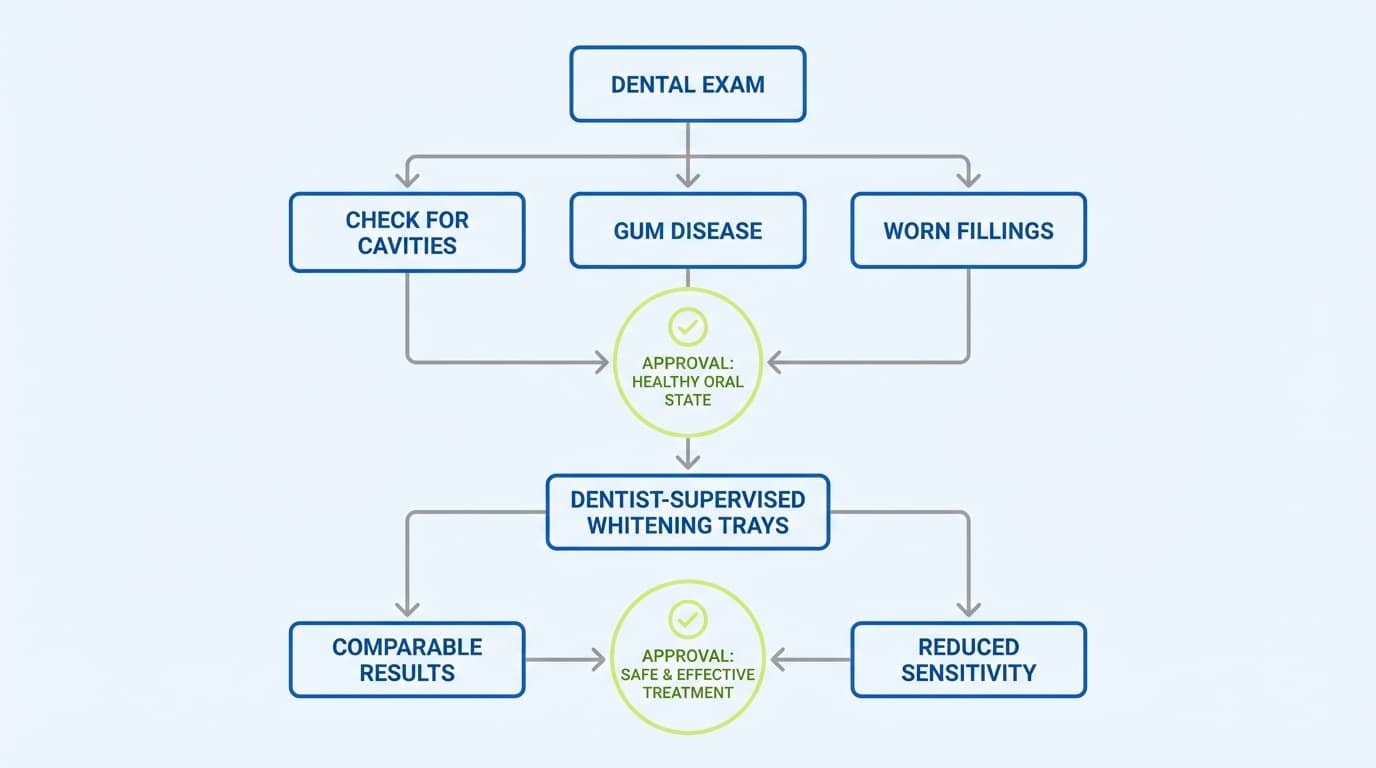
Before starting any teeth whitening procedure, a dental exam is important. Your provider will check for cavities, gum disease, and worn fillings to make sure whitening is appropriate.
It’s also helpful to know that dental restorations such as crowns, veneers, and bridges do not whiten. This does not mean you cannot brighten your smile, but your teeth whitening options may need to be customized.
For those with sensitive teeth, research supports gentler approaches. A 2025 clinical review published in the Journal of the American Dental Association (JADA) found that dentist-supervised whitening trays produced results comparable to in-office treatments while significantly reducing thermal sensitivity scores.
With the right plan and guidance, whitening can be a safe, comfortable way for seniors to enjoy whiter teeth and renewed confidence.
Who Is (and Isn’t) a Good Candidate After 60?
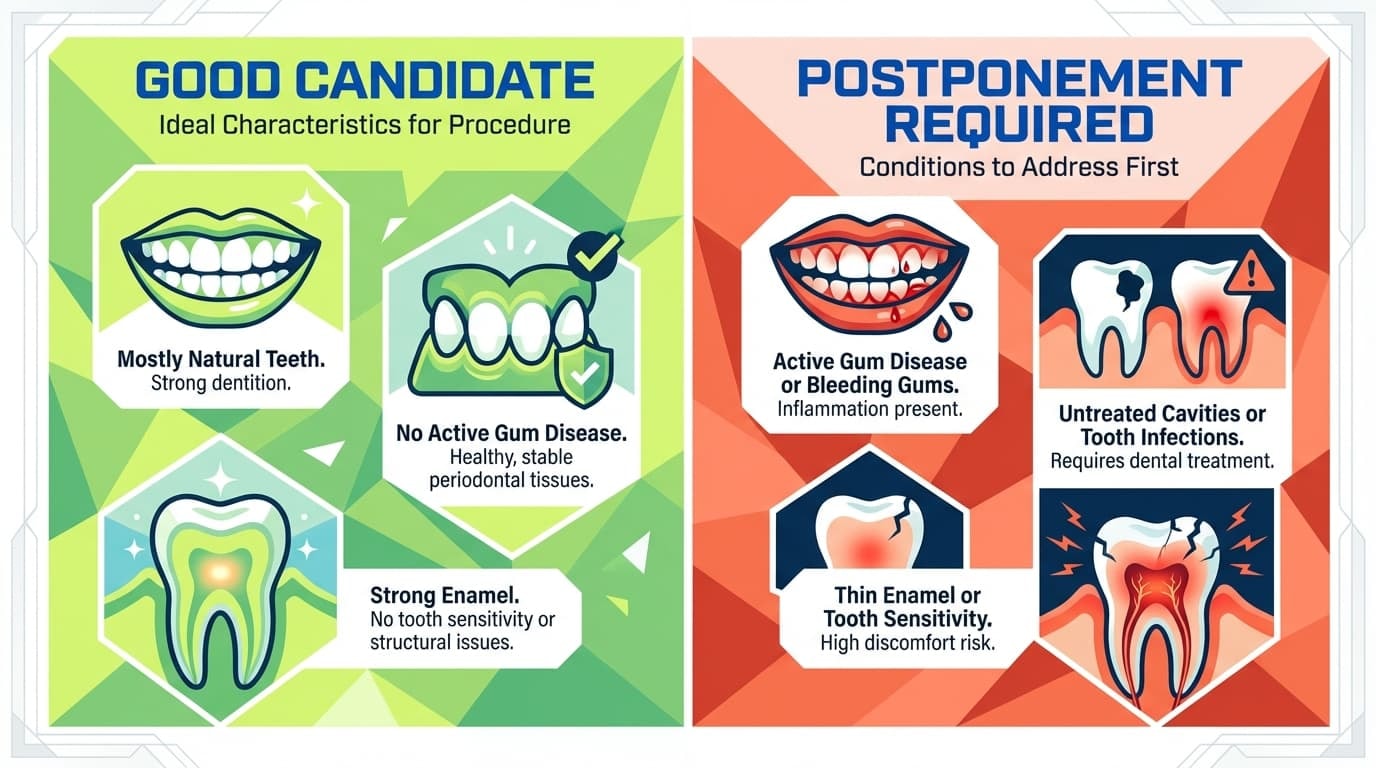
Teeth whitening can be a great way to enhance your smile at any age, but not everyone over 60 is automatically ready to begin treatment. A few dental health factors play a major role in determining if whitening will be safe and effective for you.
When You’re a Good Candidate
If your mouth is generally in good health, you’re likely a great candidate for whitening treatments. This means:
-
Your teeth are mostly natural (not all crowns or dentures).
-
You have no active gum disease or untreated tooth decay.
-
Your enamel is still intact, even if slightly worn.
-
You visit your dentist regularly and maintain good oral hygiene.
In this case, both professional teeth whitening and certain at-home whitening trays can be safely used to lift years of discoloration and give you a noticeably brighter smile.
Many seniors also find that a brighter smile boosts their confidence, especially when attending events or staying socially active.
When Whitening Should Be Postponed
Even though whitening is safe for most older adults, there are times when it’s better to wait. Seniors with the following conditions should delay treatment until these issues are resolved:
-
Active gum disease or bleeding gums: Whitening gels can irritate already inflamed tissue and worsen gum problems.
-
Untreated cavities or tooth infections: Whitening agents can seep into damaged areas, causing pain or further decay.
-
Cracked or worn teeth: Exposed inner layers of teeth may be more sensitive to peroxide, leading to increased sensitivity.
-
Thin enamel or tooth sensitivity: If you already struggle with sensitivity, some whitening treatments may be too harsh without adjustments.
Your dentist can treat these conditions first and may recommend milder whitening methods, such as custom trays with low-peroxide gel, if sensitivity is a concern.
If You Wear Full Dentures
If you’ve lost all your natural teeth and now wear complete dentures, traditional whitening products won’t help. Denture materials do not respond to peroxide-based whitening gels or strips.
That said, your dental professional can help brighten your smile by adjusting or replacing old dentures that have become stained or discolored over time. Newer prosthetics in a lighter shade can make a noticeable difference in your overall appearance.
When You Have a Mix of Natural Teeth and Restorations
Many older adults have a combination of crowns, bridges, veneers, and natural teeth. Whitening gels only work on natural enamel, so restorations will stay the same color while surrounding teeth lighten.
This can result in an uneven smile unless you plan ahead. A common solution is to whiten your natural teeth first, then replace visible restorations, such as front crowns or composite fillings, to match your new shade. While this adds cost and steps to the whitening process, it ensures a consistent and natural-looking result.
If You Take Multiple Medications or Have Dry Mouth
Dry mouth (xerostomia) becomes more common with age, especially if you take multiple prescription medications. Since saliva plays a key role in protecting your tooth enamel and keeping your mouth comfortable, a reduced flow can increase the risk of irritation during whitening.
Without enough saliva, peroxide-based gels may sit on teeth longer and cause more sensitivity. In these cases, your dentist may recommend shorter whitening sessions, fluoride treatments, or saliva-supporting products to keep your mouth comfortable during the process.
What Are the Safest Whitening Methods for Older Adults?
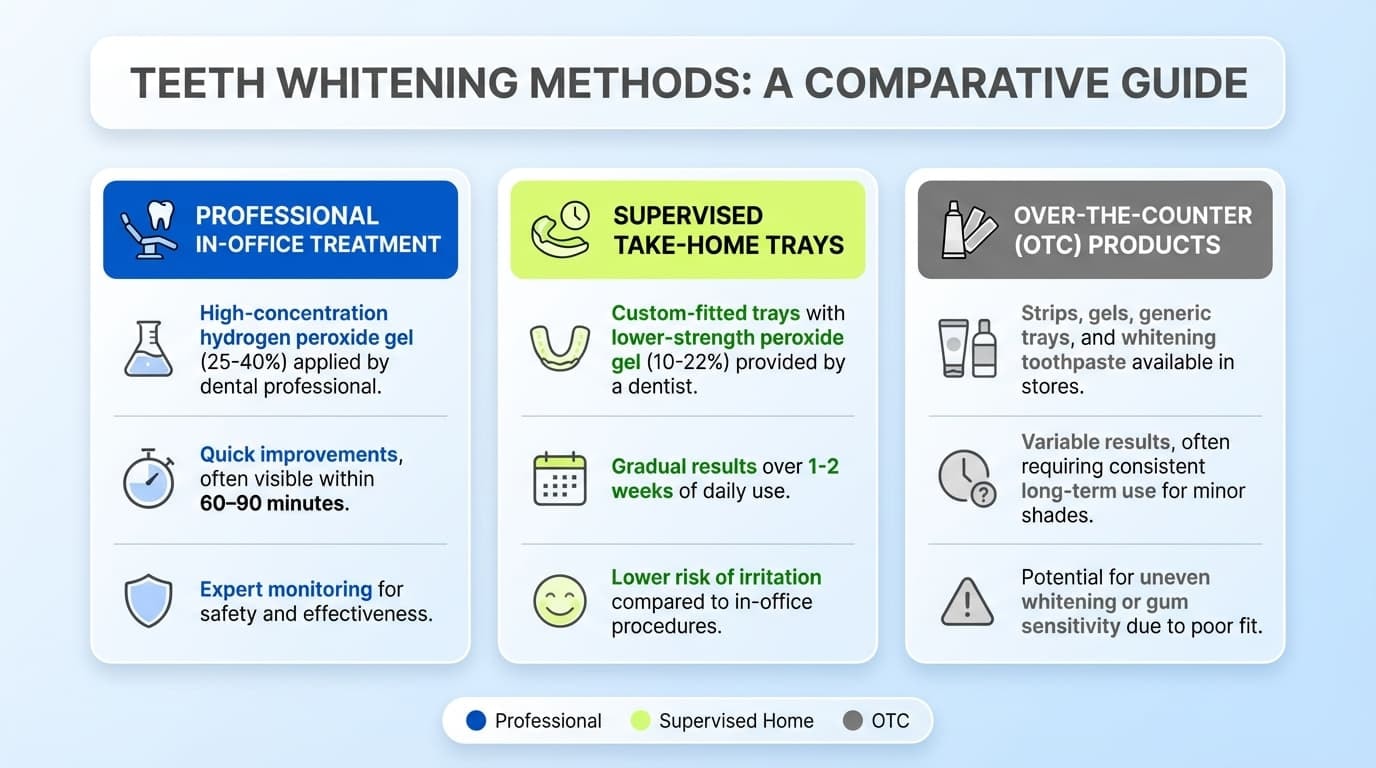
Teeth whitening is possible at any age, and older adults have a variety of effective and safe whitening solutions to choose from.
Whether you prefer the comfort of at-home treatments or want fast results with professional procedures, the key is choosing the right option for your oral health needs, lifestyle, and budget.
Each method has unique benefits and considerations, especially for older teeth that may be more sensitive or have restorations.
Below, we explore the main teeth whitening methods suitable for seniors.
In-Office Professional Whitening
In-Office Professional Whitening is a dental treatment that uses a high‑concentration hydrogen peroxide gel to quickly brighten tooth color.
Dental professionals perform in-office treatments using high-concentration hydrogen peroxide gels (25-40%) to rapidly oxidize deep-set stains.
This method works by breaking down stains from staining drinks like red wine and years of buildup that give teeth a yellowish appearance.
It also helps lighten discoloration caused by exposure of the underlying dentin, which becomes more visible as enamel thins with age. Because the process is professionally monitored, it helps reduce the risk of uneven coloration while delivering a noticeably whiter smile in a single visit.
Best for: Seniors who want fast, noticeable results and have healthy enamel with minimal sensitivity.
Benefits:
-
Quick improvements, often within 60–90 minutes
-
Professional application reduces the risk of misuse
-
Customizable for individual sensitivity
Considerations:
-
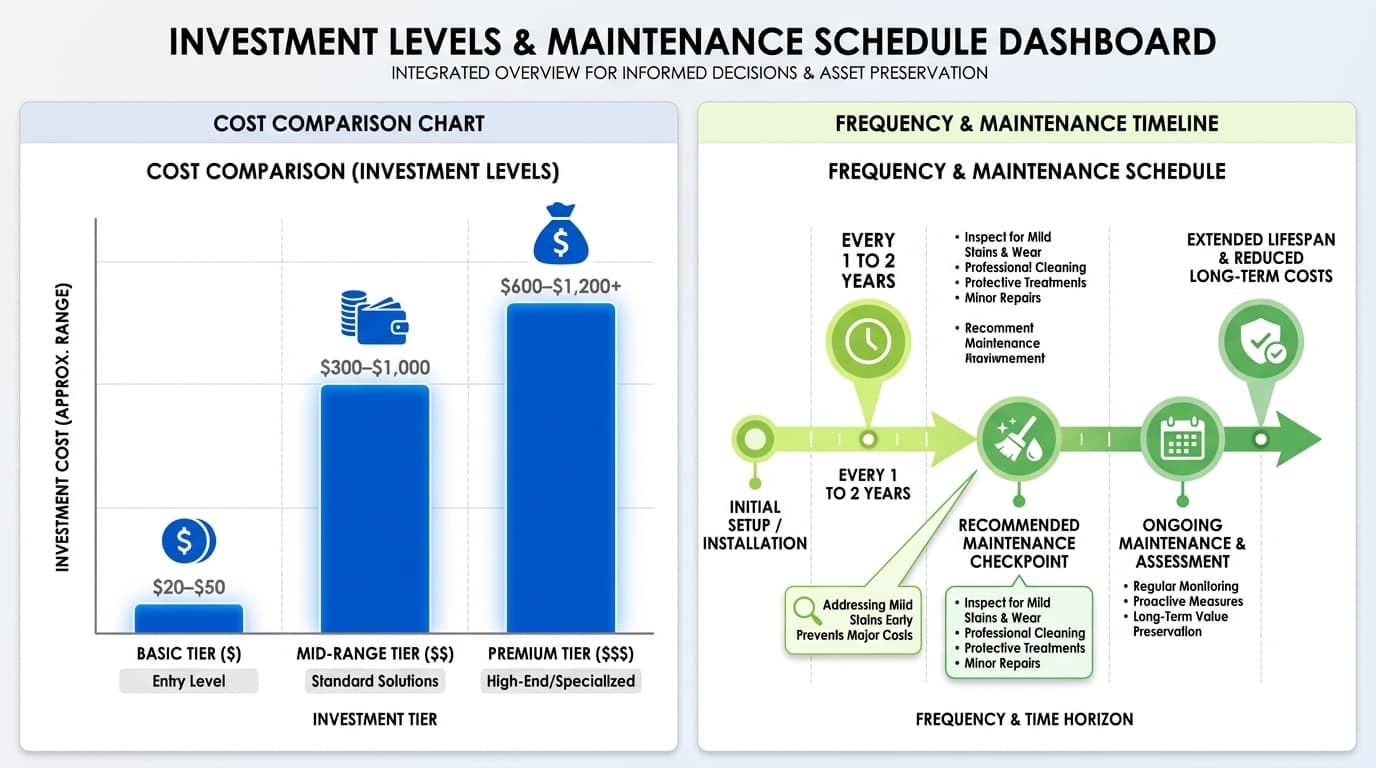
Higher cost ($600–$1,200 per session)
-
Not ideal for those with thin enamel or exposed roots
-
May trigger temporary tooth sensitivity
Try the SNOW Professional Teeth Whitening Kit for dentist-quality results at home. It uses LED light technology and a gentle formula suitable for sensitive teeth.
Dentist-Supervised Take-Home Whitening Trays
Dentist-Supervised Take-Home Whitening Trays involve custom-fitted trays created by your dentist, paired with a lower-strength peroxide gel. This approach is gentler on the outer layer of aging teeth and helps gradually reduce yellow stains caused by staining foods, certain medications, or natural wear. It’s especially useful for seniors with sensitive enamel or those managing side effects from treatments like the antibiotic tetracycline.
The American Dental Association supports supervised whitening as a safe method when used in combination with good oral hygiene and habits such as regular flossing. Results take longer than in-office methods but offer a controlled, safer experience. Many seniors prefer this method for its balance of effectiveness and comfort.
Best for: Seniors with mild to moderate staining, sensitive teeth, or dental restorations who prefer gradual, comfortable results.
Benefits:
-
Lower risk of irritation
-
Custom-fit trays minimize gum contact
-
You can stop and start based on comfort level
-
Mid-range cost ($300–$1,000)
Considerations:
-
Results take longer (1–2 weeks)
-
Requires consistency for best outcomes
The SNOW Wireless Whitening System offers a custom-fit, wireless tray and smart app tracking. Great for seniors who prefer flexibility and ease of use.
Over-the-Counter Whitening Products
Over-the-Counter Whitening Products include strips, gels, generic trays, and whitening toothpaste designed for at-home use. These options rely on a low-strength peroxide-based gel to brighten the outer layer of teeth affected by everyday staining foods and other stain-causing foods. Because tooth darkening is a natural process, results are usually mild and gradual.
OTC products may help reduce yellow stains, but they are less effective on discoloration linked to certain medications, including the antibiotic tetracycline. Since every mouth has unique dental needs, these products work best for surface stains rather than deeper color changes. They are often chosen for affordability and convenience rather than dramatic whitening results.
Best for: Seniors with minimal staining or those looking to maintain results after a professional whitening treatment.
Benefits:
-
Widely accessible and budget-friendly ($20–$50)
-
Whitening toothpaste and strips are easy to use
-
Great for maintenance between professional treatments
Considerations:
-
Less dramatic results
-
Generic trays can irritate gums
-
OTC options may not fit properly or address deeper stains
Use SNOW Whitening Toothpaste as a gentle way to maintain your brighter smile. It includes natural ingredients like aloe and is safe for daily use on sensitive teeth.
Choosing the Right Whitening Option
When selecting a whitening method, consider the following:
-
Sensitivity: Seniors with sensitive teeth or exposed roots should avoid high-concentration products and opt for gentle, dentist-supervised solutions.
-
Dental Restorations: Whitening only works on natural enamel. Plan around crowns, veneers, or fillings to avoid mismatched shades.
-
Budget & Timeline: Professional treatments offer faster results but cost more. OTC products are more affordable but require more time and consistency.
-
Personal Preference: Some seniors prefer the convenience of at-home whitening, while others want the speed of in-office procedures.
Whatever your choice, maintaining good oral hygiene, visiting your dentist regularly, and choosing safe whitening methods will help you achieve a healthy, radiant smile well into your golden years.
How Can Seniors Prevent Tooth Sensitivity During Whitening?
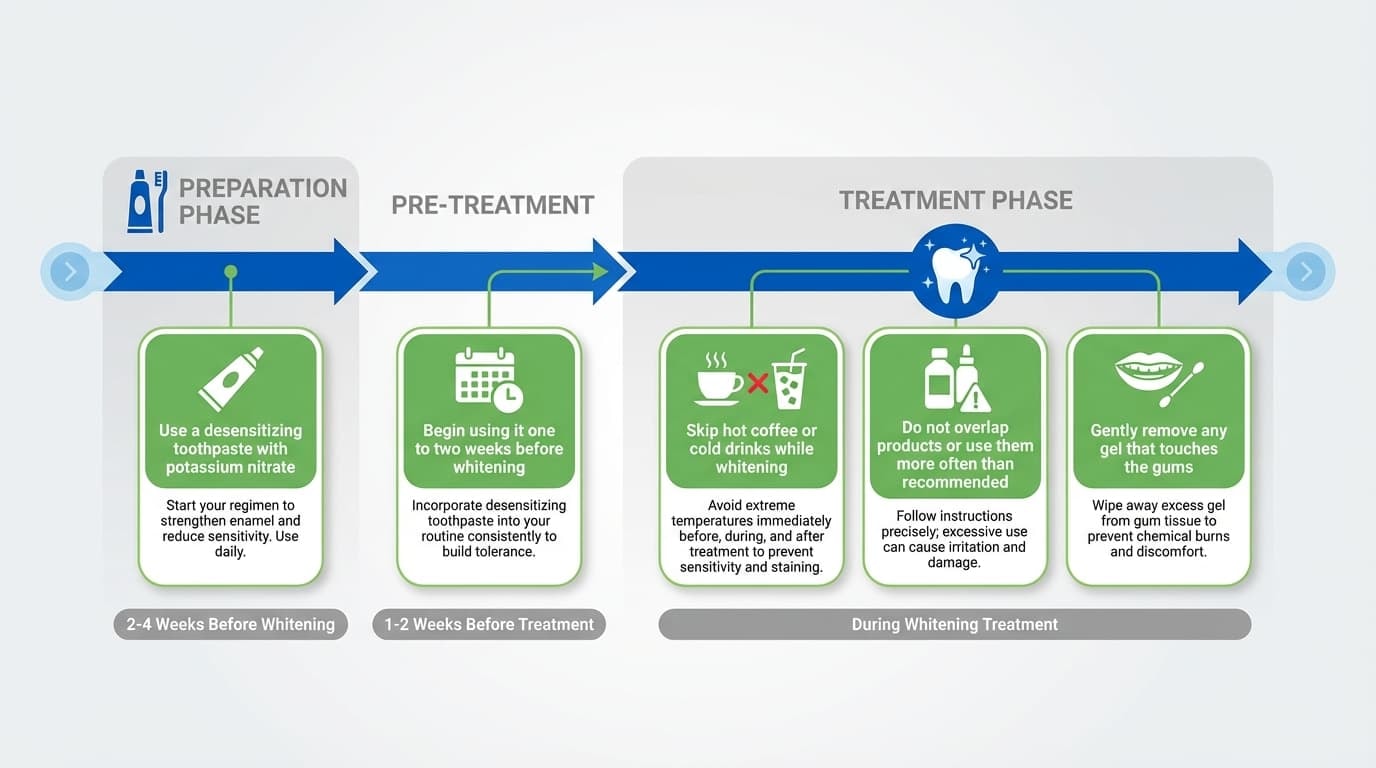
Tooth sensitivity and gum irritation are more common among older adults, especially during whitening treatments. Age-related changes like thinning enamel, exposed roots, and reduced saliva flow make it important to take extra care before, during, and after whitening. With the right approach, you can enjoy a whiter smile comfortably.
Why Sensitivity Happens
Whitening products use hydrogen peroxide or carbamide peroxide to break down stains. These ingredients can also reach the inner part of the tooth, irritating the nerve. This is more likely when the enamel is thin or when gum recession exposes the roots.
How to Prepare and Protect Your Teeth
To reduce the risk of discomfort, try the following strategies:
-
Use a desensitizing toothpaste: Choose one with potassium nitrate and begin using it one to two weeks before whitening. Continue during treatment for added protection.
-
Avoid extreme temperatures: Skip hot coffee or cold drinks while whitening to prevent extra sensitivity.
-
Limit whitening frequency: Do not overlap products or use them more often than recommended. Too much exposure can lead to enamel wear, especially on older teeth.
-
Watch for gum contact: If using whitening trays or strips, gently remove any gel that touches the gums to avoid irritation or white patches.
Talk to Your Dentist About Added Support
Some dentists offer fluoride varnish or recommend fluoride rinses to strengthen enamel and reduce discomfort. Recent studies also show that ozone treatment may help reduce sensitivity after high-concentration whitening.
Taking a proactive approach helps protect your enamel and makes the whitening process much more comfortable, especially for seniors with sensitive teeth. Always check with your dentist before starting any treatment.
Planning, Costs, and How Often Seniors Should Whiten
For older adults, teeth whitening works best when it’s part of a well-thought-out plan, not just a quick fix. The right whitening process supports both your smile and long-term oral health. With proper preparation and the right method, seniors can enjoy a noticeably brighter smile with minimal sensitivity.
Start with a Dental Consultation
Before choosing any whitening solutions, visit your dentist for a full evaluation and professional cleaning. This helps identify and treat any tooth decay, gum disease, or other issues that might interfere with whitening. Cleaning also helps remove surface stains, plaque, and tartar that could block whitening agents from reaching the tooth surface evenly.
Choose the Right Whitening Approach
There are several safe whitening methods available. Your dentist can help you select one that matches your level of tooth sensitivity, lifestyle, and budget. Most seniors do well with dentist-supervised whitening trays, while others prefer the speed of in-office treatments.
Snow® At-Home Whitening Kit is designed for mature smiles and uses LED light-activated whitening serum to break up years of staining from coffee, red wine, and tea. It's gentle, effective, and ideal for older adults who prefer to whiten at home.
Try the SNOW At-Home Kit Today
Plan for Dental Restorations
Crowns, bridges, and fillings don’t respond to whitening products. If you have dental restorations in visible areas, discuss with your dentist whether those should be replaced after whitening to avoid uneven coloration.
Whitening Cost Comparison for Seniors

How Often Should Seniors Whiten?
Most seniors only need a full whitening session every 1 to 2 years. In between, you can maintain results with good oral hygiene, including flossing regularly, brushing with ADA-approved whitening toothpaste, and using whitening trays occasionally.
Avoid overdoing it. Too many whitening sessions can lead to enamel thinning and increased sensitivity, especially in older teeth. Stick to safe whitening methods and get personalized advice from your dentist.
Lifestyle Matters
What you eat and drink makes a difference. Frequent staining foods and drinks like red wine or tea will fade results faster. To prolong a youthful appearance, reduce these and rinse your mouth with water after meals. And don’t forget the basics: regular dental check-ups and daily brushing are key to maintaining a whiter smile and protecting your overall oral health.
Maintaining a Whiter Smile Later in Life
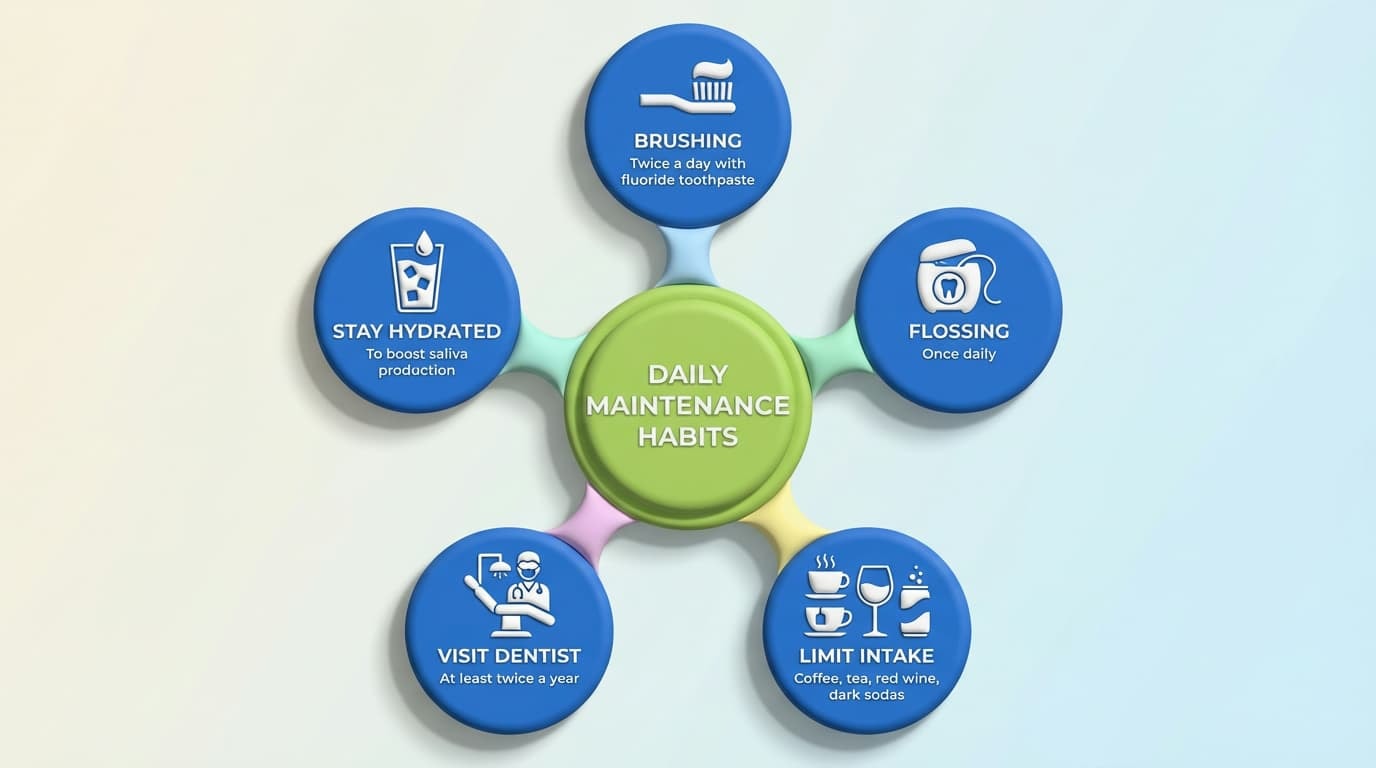
Keeping your teeth bright doesn’t end after whitening. The daily choices you make can significantly extend your results and support long-term oral health. Here’s how to maintain your whiter smile well into the future.
Prioritize Daily Oral Hygiene
Brushing twice a day with fluoride toothpaste and flossing once daily helps prevent tooth decay and surface stain buildup. Add an antiseptic or fluoride mouthwash if your dentist recommends it. These simple habits protect tooth enamel and keep your teeth clean between whitening sessions.
Be Mindful of Stain-Causing Foods and Drinks
Limit your intake of coffee, tea, red wine, dark sodas, and deeply colored sauces. If you do indulge, rinse your mouth with water or use a straw to reduce contact with your front teeth. These habits help slow the return of discoloration.
Avoid Tobacco Products
Tobacco use is a leading cause of stubborn yellow stains and can quickly reverse whitening progress. Beyond aesthetics, smoking harms your overall oral health and increases the risk of gum disease. Quitting tobacco is one of the best steps toward a healthier, brighter smile.
Keep Up with Professional Cleanings
Visit your dentist at least twice a year for professional cleanings. These visits remove surface stains, tartar, and plaque that over-the-counter whitening products can’t address. They also help catch early dental issues before they become whitening obstacles.
Use Whitening Toothpaste for Maintenance
To maintain your whitening results, consider using a whitening toothpaste that carries the ADA Seal of Acceptance. These formulas use gentle abrasives to remove surface stains without damaging enamel. Just remember, they're best for upkeep, not dramatic results.
Stay Hydrated to Boost Saliva Production
Adequate saliva production helps protect teeth by naturally rinsing away stain-causing particles. Drink water throughout the day, especially if you're on medications that lead to dry mouth. Staying hydrated also supports your overall oral health.
Final Thoughts
A brighter smile has no age limit. Teeth whitening for seniors can be both safe and effective when performed with proper care and guidance.
While aging may bring changes like thinner enamel, increased sensitivity, or existing dental restorations, these factors do not prevent beautiful results. With a proper dental evaluation and a whitening plan suited to your needs, achieving whiter teeth is absolutely possible.
Whether you choose professional treatments, dentist-supervised whitening trays, or gentle at-home options, consistency and good oral hygiene make all the difference. Smart habits and the right products can help you maintain results comfortably and confidently.
At SNOW, we believe your smile should reflect how vibrant you feel at every stage of life. Explore the SNOW Whitening Collection to find safe, enamel-friendly solutions designed to brighten your smile while keeping comfort first.
FAQs
Here are quick answers to common whitening questions for seniors.
Can I whiten my teeth if I have several crowns and fillings in the front?
Yes, you can whiten your natural teeth if you have crowns or fillings in the front, but restorations will not change color. To avoid uneven coloration, most dentists recommend whitening your natural teeth first, then replacing visible dental work to match the lighter shade.
Is teeth whitening safe if I have gum disease or receding gums?
Teeth whitening is not recommended until gum disease is treated, especially if there’s significant recession or root exposure. Once your oral health is stable, your dentist can recommend safe whitening methods, such as custom trays with lower peroxide levels, to protect sensitive areas.
I already have sensitive teeth—will whitening make it worse permanently?
If you already have sensitive teeth, whitening may cause temporary discomfort, but it usually does not cause permanent damage. A slower whitening process using low-peroxide products and desensitizing agents can help minimize tooth sensitivity during treatment.
Are “natural” whitening remedies (like baking soda or lemon) safer for older teeth?
No, many so-called natural remedies can damage older teeth. Lemon is acidic and may erode tooth enamel, while abrasive powders like baking soda can scratch the outer layer and worsen stains over time. It’s better to stick with safe whitening methods backed by the American Dental Association.
How soon before a big event (like a 70th birthday or reunion) should I start whitening?
To get your pearly whites ready for a special occasion, start the whitening process at least 2 to 4 weeks in advance. This allows time for a professional teeth cleaning, potential sensitivity management, and ideal whitening results, especially if you want to address stains from drinking coffee, red wine, or staining drinks.


