






Yes, Diet Coke stains teeth despite being sugar-free. The beverage's low pH (approximately 3.3) combined with dark caramel coloring causes enamel erosion and discoloration.
This guide analyzes the specific chemical mechanisms behind soda staining and provides 5 evidence-based strategies to protect your smile
Key Takeaways
-
Diet Coke does stain teeth due to its acidic nature (pH 3.3) and caramel coloring compounds that penetrate weakened enamel
-
Scientific studies show measurable color changes in teeth after just one month of regular Diet Coke consumption
-
Phosphoric and citric acids in Diet Coke cause demineralization, making enamel porous and more susceptible to chromogenic staining
-
Individual susceptibility varies based on genetics, saliva composition, and consumption patterns
-
Evidence-based prevention includes using straws, timing consumption with meals, and proper oral hygiene protocols
What Does Science Say About Soda Staining?
Yes, Diet Coke can stain your teeth, even though it doesn't contain sugar. This surprises many people who think diet drinks are better for dental health. While Diet Coke may not cause cavities in the same way as regular soda, it can still damage your teeth and lead to visible discoloration.
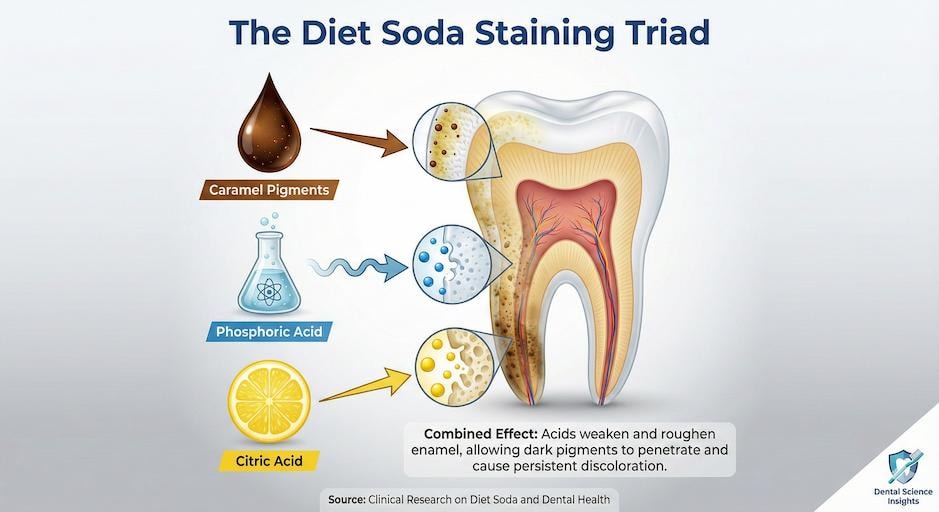
The staining comes from a mix of acidity and dark pigments:
-
Caramel coloring (chromogens): This gives Diet Coke its dark brown color. These pigments stick to tooth surfaces and cause yellow-brown stains over time, similar to the effect of coffee.
-
Phosphoric acid: This acid lowers the pH level in your mouth and begins to weaken enamel. Weakened enamel becomes porous, which allows stains to soak in more easily. Research shows that this leads to measurable changes in tooth color.
-
Citric acid: Often used to enhance flavor, this acid softens enamel even more when combined with phosphoric acid. It increases the chance that stains will settle into your teeth, even without any sugar.
While Diet Coke does not feed bacteria as sugary drinks do, it still creates the perfect conditions for stains to form and stick. The combination of acid and colorants makes it more harmful to your enamel than it might seem.
Compared to other drinks like wine or coffee, Diet Coke is a moderate staining agent. However, its acidic nature weakens enamel so much that it leaves your teeth more vulnerable to stains from many other foods and drinks, too.
What Research Says About Diet Coke and Tooth Staining
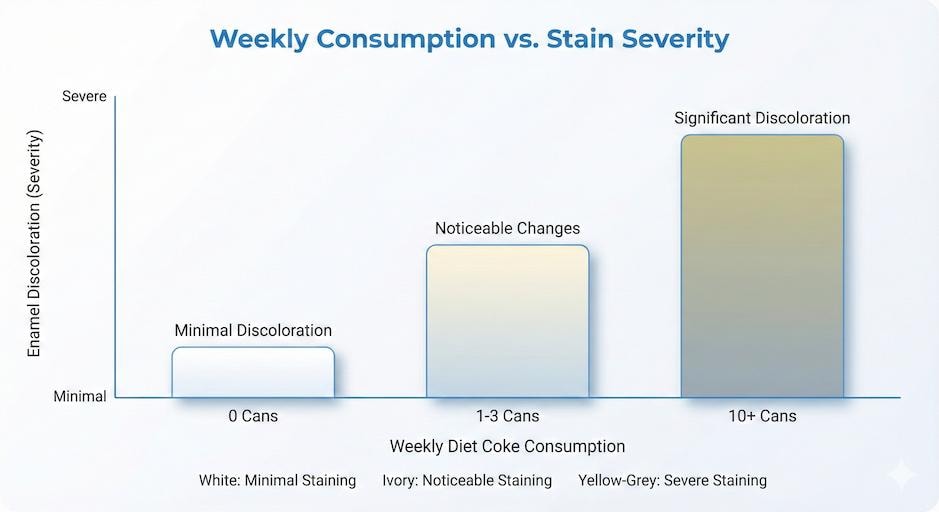
Several studies have proven that drinking Diet Coke can cause noticeable tooth stains. Researchers tested this in both lab settings and with real people to see how quickly and how badly teeth can be affected.
Study 1: Lab Test with Diet Coke (Thieme, 2022)
A 2022 laboratory study confirmed that Diet Coke causes intrinsic enamel alterations. Researchers found that the beverage's low pH induced enamel softening, allowing pigments to adhere despite brushing efforts. The study concluded that mechanical brushing alone cannot fully reverse the chemical erosion caused by prolonged exposure.
What they found:
-
Diet Coke made teeth darker by weakening the enamel (the hard outer layer of teeth).
-
Its low pH (acid level) made the enamel softer and more prone to staining.
-
Brushing helped reduce the stains but didn’t remove them completely.
-
The microscope showed a thin layer of stain left behind from the drink.
Study 2: Real People Drinking Cola (BMC, 2025)
This second study followed 64 dental students for one month. They were split into three groups:
-
People who didn’t drink cola
-
People who drank 1–3 cans of cola a week
-
People who drank 10 or more cans a week
Using a special device that measures tooth color, researchers found:
-
People who drank more Diet Coke had more color changes in their teeth.
-
These changes were significant enough to notice with the naked eye.
-
The more they drank, the darker and yellower their teeth became.
Even though the changes weren’t always profound, some heavy drinkers developed tooth stains that might require dental care.
Overall, both studies clearly show that Diet Coke can stain your teeth. Its acids soften your enamel, and its dark coloring sticks to the weakened surface. Drinking it often increases your chances of getting yellow or brown stains that may not go away without help from your dentist.
Which Factors Increase Your Risk of Staining?
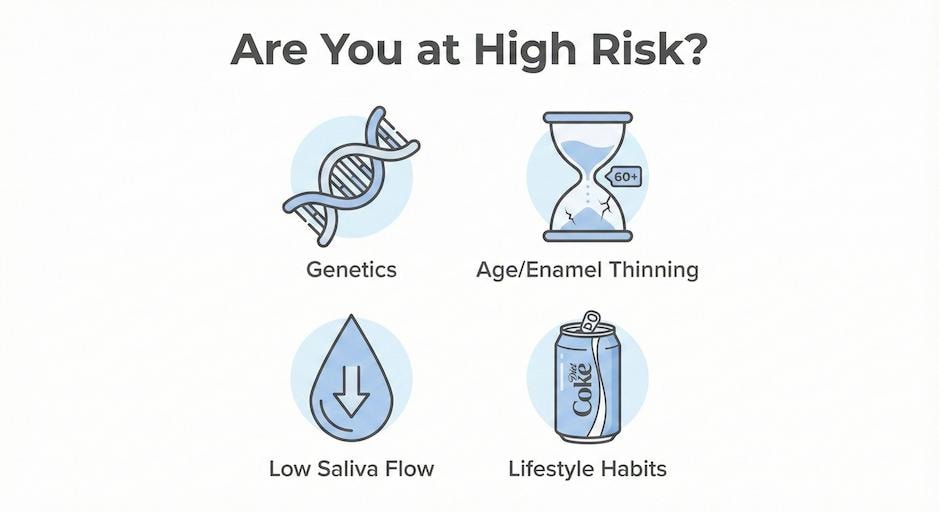
Not everyone’s teeth react the same way to Diet Coke. Even though it’s sugar-free, this highly acidic drink still wears down your enamel, leading to visible discoloration.
Some people are more likely to experience stains due to genetics, age, saliva production, and everyday habits. Here’s how these risk factors play a role.
1. Genetics and Enamel Thickness
The natural thickness of your enamel depends partly on your genes. Thinner enamel offers less protection, allowing chromogens from Diet Coke, such as caramel coloring, to pass through more easily. Once the outer layer erodes, the yellow dentin underneath starts to show, making your teeth appear darker or stained.
According to GDG Dental, low saliva production can increase enamel erosion rates by up to 2–3 times when consuming acidic sodas
2. Age and Natural Enamel Changes
As we age, our enamel naturally thins, and saliva production tends to drop. In fact, people over 60 can produce up to 50% less saliva than younger individuals. Less saliva means less natural rinsing and protection against the acidic content of Diet Coke, which allows stains to settle in more easily.
Studies show that older adults experience greater ΔE color shifts when exposed to acidic drinks such as Diet Coke, coffee, or red wine.
3. Salivary Flow and Dry Mouth
Your saliva helps defend your teeth by neutralizing acids and removing plaque. But if you have dry mouth due to medications, dehydration, or other health issues, your saliva may not function properly. When saliva flow decreases, the acids in Diet Coke stay in contact with your teeth longer, increasing enamel erosion and worsening staining.
Research shows that low saliva can increase erosion by up to 2–3 times when drinking acidic sodas, including Coca-Cola and Diet Coke.
4. Lifestyle and Drinking Habits
Even if your enamel is strong, daily habits can increase your risk of staining. A 2025 study found that people who drank 10 or more cans of Diet Coke per week had visible tooth discoloration. The effect got worse when combined with smoking, poor brushing, or acidic diets.
Sipping Diet Coke over long periods or skipping rinsing with water afterward can also lead to more stains. Many assume that clear sodas are a better alternative, but they can still erode enamel, leaving your teeth open to stains from other foods.
Are Clear Diet Sodas Safer for Your Teeth?
Many people wonder, “Does Diet Coke stain te
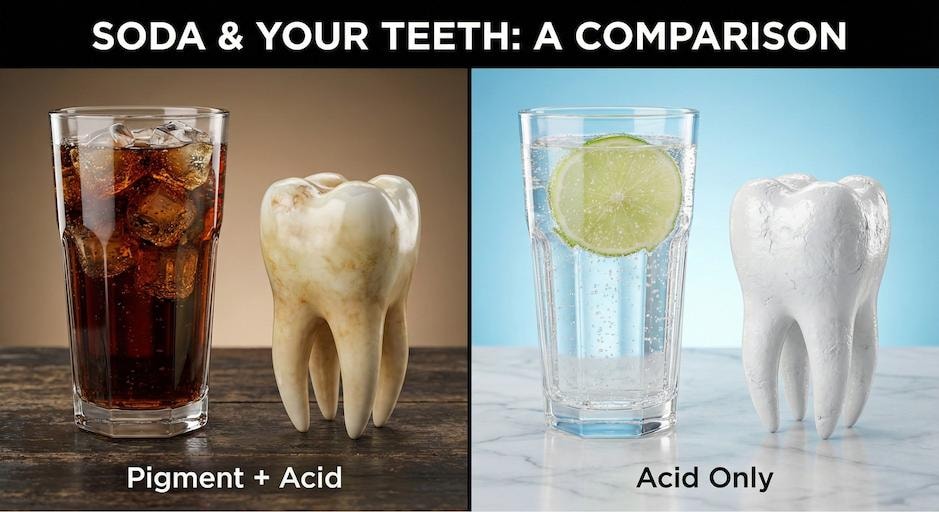
eth, and if so, are clear sodas like Diet Sprite a better alternative?” While clear diet sodas lack caramel coloring, that doesn’t mean they’re safe for your dental health. These drinks still contain citric acid and other acidic ingredients that can erode enamel, leaving your teeth vulnerable to deeper staining from other carbonated beverages, such as coffee, red wine, or fruit juices.
Even without visible pigments, acidic beverages break down the protective layer of tooth enamel, increasing your risk of tooth discoloration, tooth stains, and even tooth decay. Over extended periods, this leads to stained teeth, especially on the front surface, where color change is most noticeable.
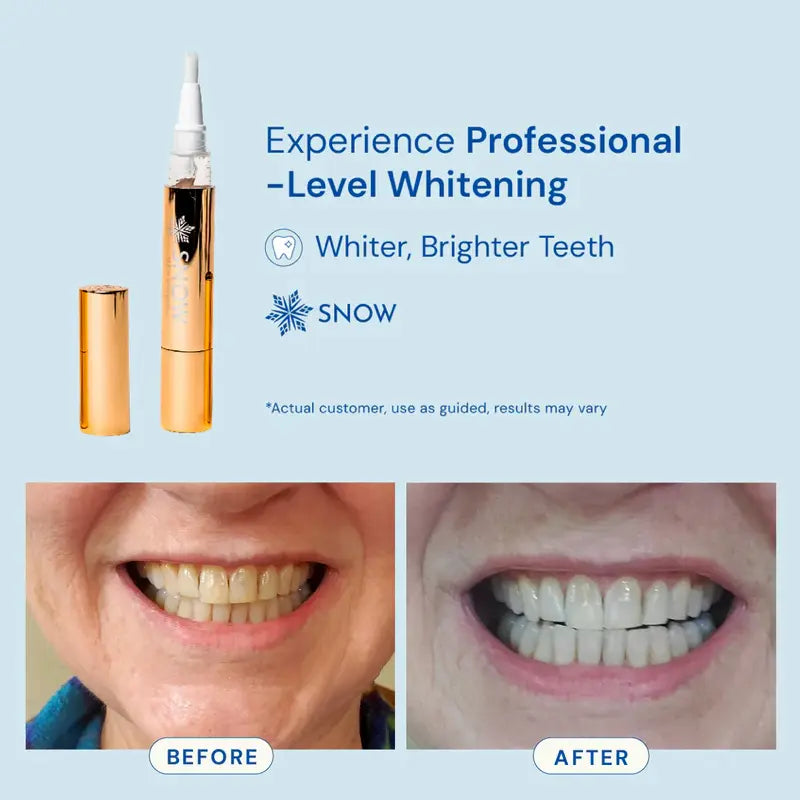
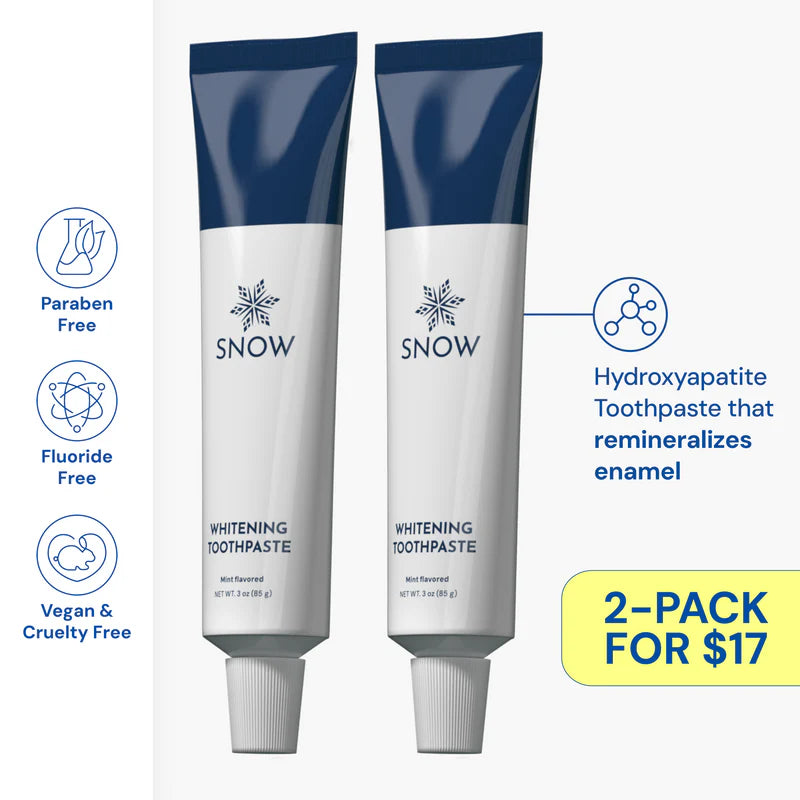
Protect your enamel daily with SNOW’s Hydroxyapatite Whitening Toothpaste, specially formulated to fight back against acidic drinks.
Get Whiter, Stronger Teeth with Snow’s Enamel-Repair Paste
Does Using a Straw Really Help?
Yes, using a straw while drinking soda, especially diet sodas like Diet Coke, can reduce how much the liquid touches your front teeth. That lowers your chances of stains, tooth discoloration, and enamel erosion. This method is beneficial for sugar-free or highly acidic beverages that would otherwise cling to enamel and initiate staining.
However, straws won’t fix poor oral hygiene. If you still sip soft drinks slowly over hours or skip brushing, you’re creating the ideal setting for weakened enamel, tooth erosion, and eventual tooth stains.
SNOW Tip: After soda consumption, rinse with SNOW’s Alcohol-Free Whitening Mouthwash to restore pH balance and limit acid impact.
Shop SNOW’s Soothing Whitening Mouthwash
How Can You Prevent Stains While Drinking Soda?
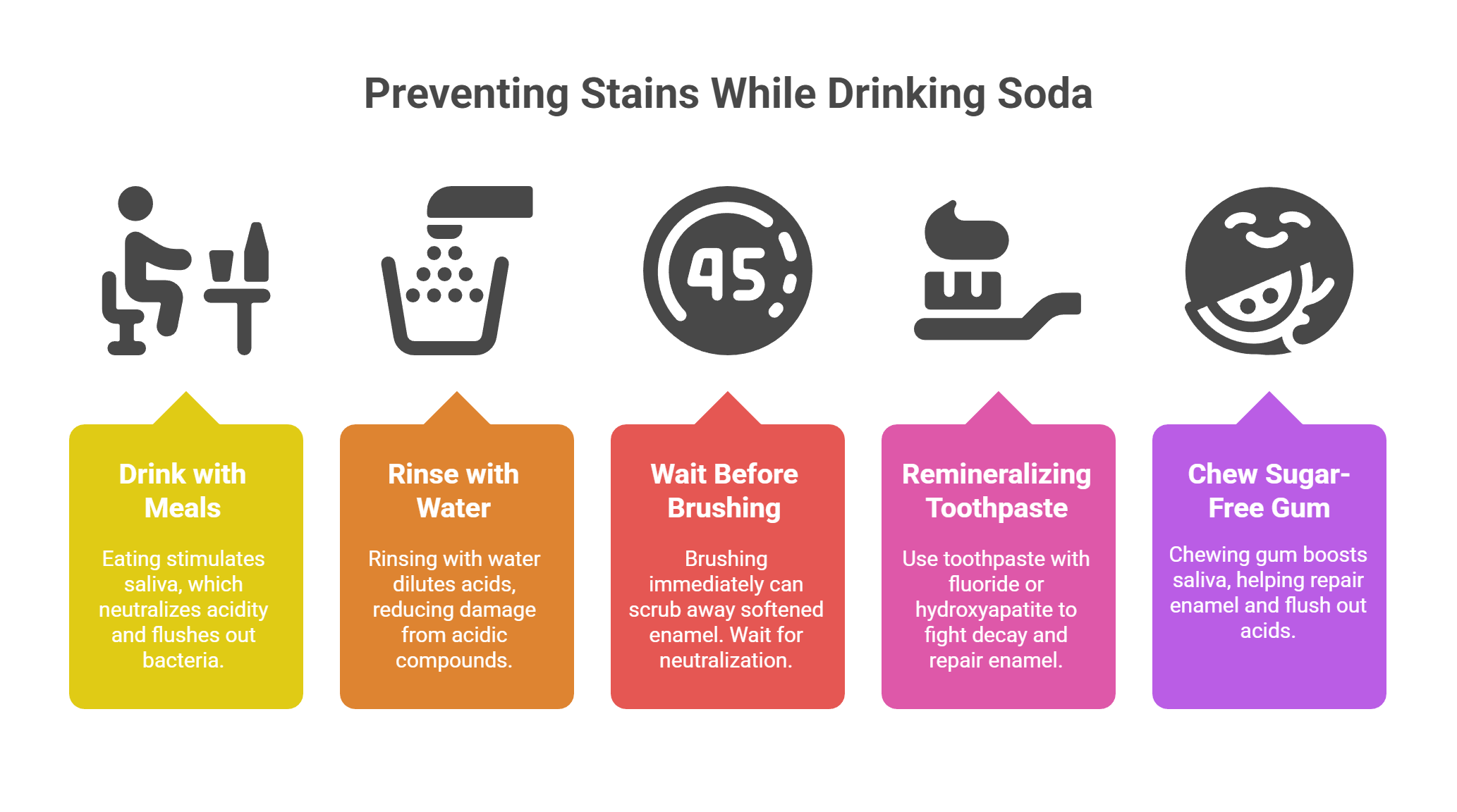
Want to keep drinking Diet Coke without ruining your oral health? Here are science-backed strategies to limit tooth stains, protect tooth enamel, and avoid gum disease or cavities, even if you still enjoy carbonated drinks like Coca-Cola.
1. Drink with Meals
Eating stimulates saliva, which neutralizes the acidity of diet sodas and flushes out harmful bacteria. Drinking soda with food shortens the time acid sits on your teeth.
2. Rinse with Water Afterward
A quick rinse with water afterward helps dilute acids, reducing damage from phosphoric acid, citric acid, and other acidic compounds.
3. Wait Before Brushing
Brushing right after drinking soda can scrub away the outer layer of softened enamel. Wait 30–60 minutes for your mouth to neutralize the acid and begin repair.
4. Use Remineralizing Toothpaste
Use a high-fluoride or hydroxyapatite toothpaste to fight tooth decay and support the repair of enamel wear.
5. Chew Sugar-Free Gum
Chewing sugar-free gum boosts saliva production, helping repair enamel and flush out acids after soda consumption. Xylitol gums are particularly effective in lowering decay risk from sugar and acids.
SNOW’s Whitening Toothpaste with Hydroxyapatite gently whitens while strengthening enamel weakened by acidic drinks.
Shop Now for Healthy, White Teeth
Final Thoughts
So, does Diet Coke stain teeth? Yes, even though it's sugar-free, the acidic nature of Diet Coke, combined with its caramel coloring, can weaken enamel, cause tooth discoloration, and leave you with stained teeth over time.
But here’s the good news: You don’t have to give it up completely.
With smart habits like using a straw, rinsing with water afterward, and brushing at the right time, plus the support of enamel-friendly, whitening-focused products, you can reduce the staining effects of diet sodas and still enjoy your favorite drink.
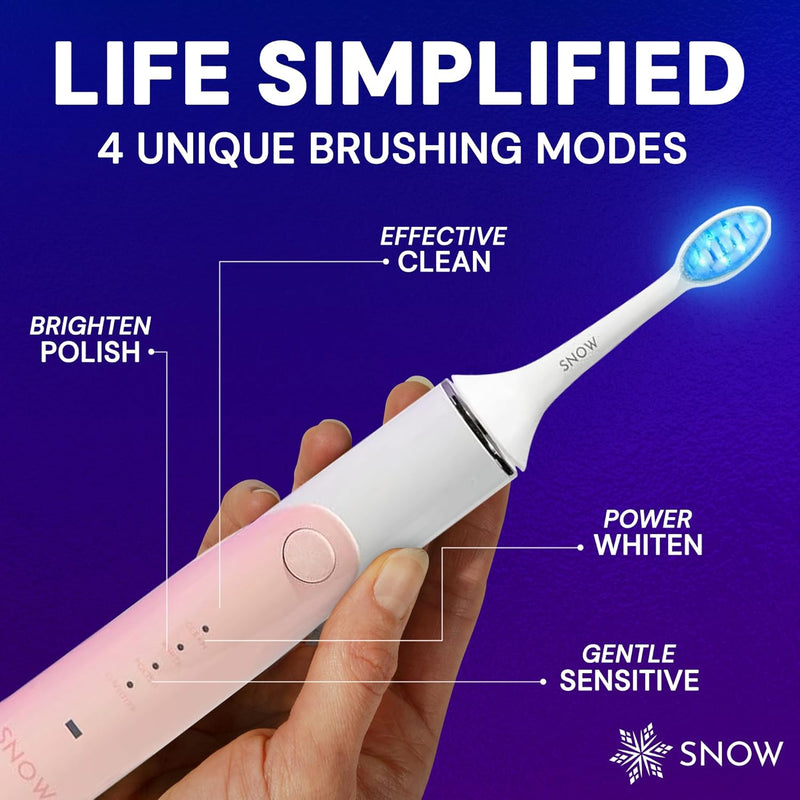
SNOW’s Whitening Essentials are designed to protect your smile from tooth stains, enamel erosion, and discoloration caused by carbonated drinks, coffee, or other acidic beverages. Whether you need a remineralizing toothpaste, a sensitive-safe whitening serum, or a hydrating mouthwash, SNOW gives you the tools to keep your teeth healthy and white, without extreme food restrictions.
FAQs
Have questions? We’re here to help!
How long does it take for Diet Coke to stain teeth?
Diet Coke can stain teeth in as little as one month with regular consumption (3+ times per week). For most people, visible staining appears after 3 to 6 months of daily drinking. However, some may notice changes in just 2 to 3 weeks, depending on genetics, enamel thickness, and oral hygiene habits.
Is Diet Coke worse for tooth staining than regular Coke?
Diet Coke and regular Coke stain teeth at similar rates because both contain phosphoric acid and caramel coloring. Regular Coke may be slightly worse in the long term due to its sugar content, which feeds harmful bacteria that also damage enamel. Diet Coke, however, may erode enamel more directly due to acid and artificial sweeteners.
Can professional teeth whitening remove Diet Coke stains?
Yes, professional whitening can remove Diet Coke stains, especially surface-level stains. Treatments using carbamide peroxide (22% or higher) are effective. But if the stains are deep and embedded due to enamel erosion, it may take multiple sessions or veneers to restore tooth color. Ongoing Diet Coke use can cause rapid re-staining within weeks.
Are clear diet sodas like Diet Sprite safer for teeth staining?
Clear diet sodas are safer for staining but not for enamel health. They don’t contain caramel coloring, so they don’t cause brown stains. However, they still contain phosphoric and citric acids, which erode enamel and make teeth more prone to staining from other foods and drinks, such as coffee or berries.
How much Diet Coke consumption is considered safe for teeth?
There’s no truly safe amount of Diet Coke for your teeth, but having it 1–2 times per week causes minimal damage in most people. Daily consumption increases the risk of enamel erosion, tooth discoloration, and cavities. If you do drink it, always use a straw, rinse with water afterward, and follow strong oral hygiene to protect your enamel.


