

Does Coke stain your teeth? Yes. Drinking soda exposes your mouth to acidic drinks that weaken the tooth enamel surface and trigger tooth discoloration, tooth decay, and tooth stains.
Coke contains phosphoric and citric acids that change the mouth pH and erode enamel over time. The average American consumes around 44 gallons of soda every year, which increases long‑term risks to dental health. Diet sodas carry similar dangers because they are also acidic.
Fortunately, professional teeth whitening and strong oral care habits can help protect and restore your smile.
This guide explains the science behind enamel erosion, compares the risks of Diet vs. Regular Coke, and outlines proven methods for prevention and stain removal.
Key Takeaways
-
Coke is highly acidic due to its phosphoric acid content and can erode tooth enamel, making teeth more susceptible to discoloration.
-
Both regular and diet Coke pose risks to dental health, with diet soda potentially being more erosive due to citric acid.
-
Preventive measures such as using a straw, rinsing with water, and maintaining good oral hygiene can help minimize tooth staining from Coke.
How Does Coke Damage Tooth Enamel?
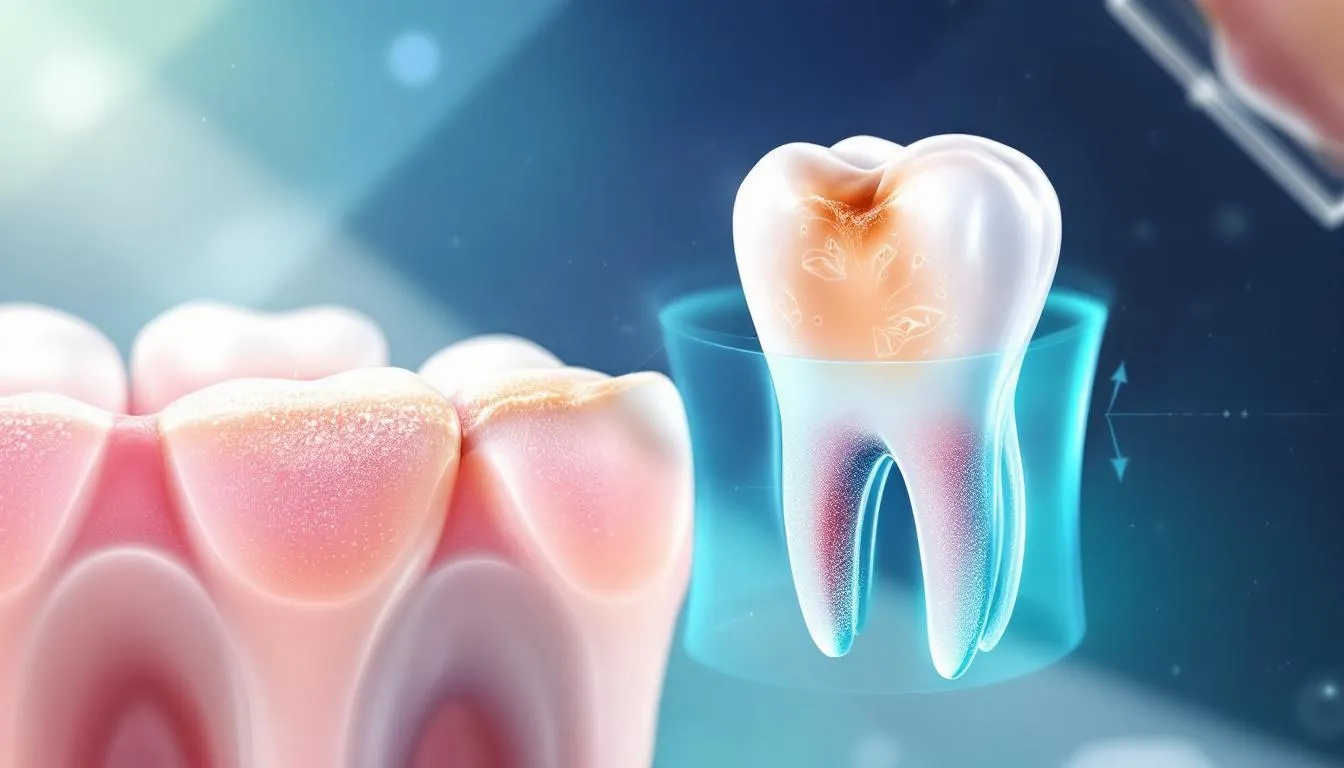
Coke damages tooth enamel primarily through acid erosion caused by phosphoric acid. This acid lowers the pH of the mouth, chemically softening the hard outer layer (enamel) that protects the dentin. Once this barrier is compromised, the teeth become significantly more vulnerable to sensitivity and pigment absorption.
Dentists term this chemical wearing process 'enamel erosion.' Once the enamel is damaged, pigments from Coke can easily stain your teeth. Over time, this leads to visible tooth discoloration and long-term dental staining.
A 2016 study published in the Journal of the American Dental Association found that repeated exposure to phosphoric acid can significantly weaken enamel and increase the risk of stained teeth.
Another study in the International Journal of Paediatric Dentistry found that acidic drinks like Coke can cause enamel erosion and tooth sensitivity, especially in children and teens.
Diet sodas cause comparable enamel erosion and surface roughening. They often include citric acid, which can be just as harmful to your enamel. Drinking soda regularly may also make your teeth more sensitive to hot and cold foods and increase your risk of tooth decay.
The effects on your oral health are serious but manageable. With consistent care and professional teeth whitening, you can improve the appearance of stained teeth and protect your dental health for the long term.
Why Do The Acids in Coke Cause Discoloration?
The science of Coke-induced staining relies on the interaction between chromogens (dark pigments) and acid-roughened enamel. Phosphoric acid increases the surface porosity of the tooth, creating microscopic 'traps' for pigments to settle into. This combination allows stains to penetrate deeper than they would on smooth, healthy enamel, making them harder to remove.
This creates more areas on your tooth enamel for chromogens to settle. In one in vitro study, teeth treated with phosphoric acid absorbed more stains from coffee and turmeric than untreated teeth. The etched enamel held deeper, darker stains.
A comprehensive review also found that:
-
Acidic drinks like Coke weaken enamel by lowering pH
-
Weaker enamel becomes more porous and permeable
-
Chromogens can then sink into the enamel, causing both surface and internal discoloration
Another study confirmed that phosphoric acid creates nearly 40% more stain-binding sites on enamel than other treatments. This gives staining agents more opportunities to adhere and stay.
Additional research showed that chromogens physically and chemically bond to demineralized enamel. This bond forms due to the increased surface area created by acid etching. Once bonded, these stains are harder to remove with daily brushing alone.
A systematic review on dental staining caused by chromogenic foods and drinks concluded that:
-
Coke’s low pH makes enamel more vulnerable
-
Surface porosity increases
-
Chromogen penetration becomes easier and deeper
Understanding this process explains why Coke stains teeth more aggressively than many other drinks. The combination of acid and dark pigments creates a strong, lasting stain that often requires professional teeth whitening to remove.
Is Diet Coke Safer for Your Teeth Than Regular Coke?
Both regular and Diet Coke pose significant risks to dental health, despite the absence of sugar in the diet versions. While regular Coke promotes tooth decay through sugar, Diet Coke contains high levels of citric acid, a potent enamel-softening agent. Consequently, switching to diet soda does not eliminate the risk of erosion or staining.
Regular Coke is high in sugar and phosphoric acid, two ingredients that contribute to enamel erosion, tooth decay, and the buildup of oral bacteria. Meanwhile, Diet Coke may lack sugar, but it contains citric acid, a powerful enamel-softening agent.
Citric acid increases tooth surface roughness, making it easier for chromogens to attach and cause stains. In fact, some studies suggest Diet Coke may be more erosive than regular Coke due to its higher citric acid content. This means that, despite being sugar-free, diet sodas still cause significant harm to enamel and should not be seen as a harmless alternative.
Key points to consider:
-
Diet Coke contains citric acid, which can increase enamel roughness and boost stain retention.
-
Regular Coke contains both phosphoric acid and sugar, promoting tooth decay and staining.
-
Both sodas are highly acidic, with a pH between 2.4 and 3.3, which is far below what’s safe for your enamel.
The takeaway? Be cautious with both types. If you do enjoy soda occasionally, follow it with water, limit sipping throughout the day, and maintain consistent oral hygiene practices.
In our development of the SNOW Extra Strength Whitening Serum, we engineered a dual-light activated formula specifically designed to target the deep-set chromogens left by acidic drinks.
What Are the Long-Term Dental Effects of Soda?
The long-term impact of drinking Coke regularly goes far beyond a dull smile. High acidity levels wear down enamel over time, increasing the risk of deep stains, cavities, and sensitivity to hot or cold foods. Acidic drinks like Coke slowly weaken the tooth’s defense system, leaving it more vulnerable to long-lasting damage.
What happens with frequent soda consumption?
-
Enamel becomes thinner, exposing the underlying sensitive layers.
-
Stains set deeper into the tooth, becoming harder to remove.
-
Enamel loss can reach up to 1µm per day in heavy soda users.
-
Tooth structure weakens, increasing the risk of fractures and cavities.
One of the most noticeable long-term issues is a visible change in tooth color. Though some discoloration may remain within clinical standards, it can still affect your confidence. Coke’s deep pigments bind more easily to etched enamel, causing lasting dental staining.
Beyond aesthetics, enamel erosion can affect your ability to enjoy everyday things like cold foods or sweet treats without pain. It’s also linked to a higher risk of gum disease and oral infections.
How Can You Prevent Coke Stains on Teeth?
Preventing stains from Coke starts with reducing direct contact between the soda and your enamel. Simple shifts in daily habits can make a big difference in keeping your smile clean and your enamel protected.
Tips to prevent stains from soda consumption:
-
Use a straw to limit how much soda comes into contact with your teeth.
-
Rinse your mouth with water right after drinking to neutralize acids.
-
Avoid brushing immediately after soda, as enamel is soft post-acid exposure. Wait 30 minutes.
-
Reduce frequency and amount of soda intake, especially between meals.
-
Balance acidic drinks with water and sugar-free gum to increase saliva flow.
SNOW’s Vitamin Whitening Toothpaste includes hydroxyapatite and xylitol to help remineralize enamel and gently polish away surface stains without irritation.
Use the SNOW Whitening Toothpaste
How Do You Remove Coke Stains from Teeth?
If your teeth already show signs of Coke-related discoloration, don’t panic. With the right approach, you can reverse surface-level stains and even reduce deeper discoloration over time.
Effective remediation strategies for soda-stained teeth include:
-
Professional Whitening: utilizing in-office, high-concentration peroxide gels with light activation.
-
At-Home Serum Kits: Applying LED-activated formulas, like SNOW’s Extra Strength Serum, to break down chromogens.
-
Whitening Strips: Using adhesive strips daily to gradually lift surface-level discoloration.
-
Whitening Toothpastes: Brushing with abrasive or enzymatic pastes to maintain brightness between treatments.
Some issues, like stained fillings, may require dental intervention. When in doubt, speak with your local dentist to find the safest, most effective option.
Why Is Oral Hygiene Critical for Managing Stains?
Consistent oral hygiene is one of the most powerful tools in preventing stains and keeping your enamel strong. If you're drinking soda regularly, especially soda, you need to double down on your care routine.
Best oral hygiene practices:
-
Brush your teeth twice daily using fluoride or enamel-strengthening toothpaste.
-
Floss once a day to remove buildup that brushing misses.
-
Rinse with water or a gentle mouthwash after drinking soda to help neutralize acids.
-
Schedule dental cleanings every 6 months to remove plaque and tartar.
Fluoride treatments help restore enamel and protect against tooth erosion from acidic beverages. If you’re dealing with persistent discoloration, combine good hygiene with targeted whitening solutions.
What Other Lifestyle Factors Worsen Tooth Staining?
Coke is not the only beverage that affects your smile. Many everyday habits and dietary choices can gradually lead to stained teeth, especially when they involve chromogen-rich drinks like tea, red wine, coffee, and soda. These beverages contain dark pigments that cling to enamel, leaving noticeable discoloration over time.
Tooth staining depends on more than just what you consume. Your personal habits and health factors also play a significant role.
Common factors that increase staining:
-
Thinning enamel from acidic foods or the natural aging process makes teeth more absorbent and prone to staining
-
Genetics affect the natural thickness, smoothness, and shade of your enamel, influencing how easily it stains
-
Dry mouth or low saliva production reduces the mouth’s natural cleansing effect, allowing stains to develop faster
-
Drinking habits, such as sipping soda or coffee slowly throughout the day, increase your teeth’s exposure to staining agents
Additional lifestyle choices can make stains worse:
-
Smoking and tobacco use leave behind dark residues that bond strongly to enamel
-
Frequent intake of acidic fruit juices softens enamel and allows pigments to soak in more easily
-
Brushing too hard or using gritty toothpaste can scratch the enamel surface, creating more space for stains to stick
-
Inconsistent oral hygiene allows plaque and chromogens to build up, increasing the risk of discoloration
To keep your smile brighter, try limiting pigmented drinks, quitting tobacco, and brushing gently with a non-abrasive whitening formula that supports enamel health.
Final Thoughts
Coke can have a lasting effect on your dental health. Its high acidity, along with phosphoric acid and intensely pigmented chromogens, contributes to enamel erosion, increased sensitivity, and visible tooth staining. Both regular and diet Coke pose risks, with Diet Coke often being more erosive due to added citric acid.
Fortunately, you can reduce the damage. By limiting soda consumption, practicing consistent oral hygiene, and understanding how staining occurs, you can take control of your smile. Professional treatments and daily care make a difference.
If your teeth are already stained or losing their brightness, SNOW offers science-backed solutions to protect and restore your enamel while safely whitening your smile at home.
Try SNOW and get your brightest smile back.
Frequently Asked Questions
Got questions about how Coke affects your teeth or how to fix stains? Here are quick answers to help you protect your smile and keep your enamel strong.
Does Coke permanently stain?
Coke stains can be removed from clothes if treated promptly and appropriately. Acting quickly is key to preventing any permanent staining.
Is Diet Coke better for your teeth than regular Coke?
Diet Coke may not be better for your teeth than regular Coke, as its citric acid can be more harmful to tooth enamel despite being sugar-free. It's essential to consider both beverages' acidity when it comes to dental health.
How can I prevent Coke stains on my teeth?
To prevent Coke stains on your teeth, use a straw when drinking, rinse your mouth with water afterward, and limit both your consumption frequency and the amount of soda you drink.
How does oral hygiene play a role in managing Coke-induced tooth stains?
Good oral hygiene is essential for managing Coke-induced tooth stains, as it involves regular brushing, flossing, and fluoride treatments to minimize discoloration and maintain overall dental health.


