

Yes, you can use an electric toothbrush with braces. In fact, orthodontists often recommend them because their vibrating bristles remove plaque from around brackets and wires more effectively than manual brushes.
Electric toothbrushes can clean more thoroughly around brackets and wires than manual toothbrushes because they reach into hard-to-reach areas that tend to trap plaque.
When you choose the right electric toothbrush with braces and pair it with fluoride toothpaste, you make it much easier to protect your teeth and gums throughout orthodontic treatment.
This guide explains how to get the best results and keep your smile healthy during braces.
Key Takeaways
-
Electric toothbrushes significantly improve plaque removal, especially beneficial for braces wearers, by up to 21% over three months.
-
They are safe to use with braces and often feature soft bristles and pressure sensors to prevent damage.
-
Choosing the right electric toothbrush with features such as small brush heads and built-in timers is crucial for effective oral hygiene during orthodontic treatment.
What Are the Benefits of Using an Electric Toothbrush with Braces?
Choosing an electric toothbrush with braces offers numerous advantages for improving oral hygiene and making daily care easier and more effective.
Here's why it's a wise choice:
1. More Effective Plaque Removal
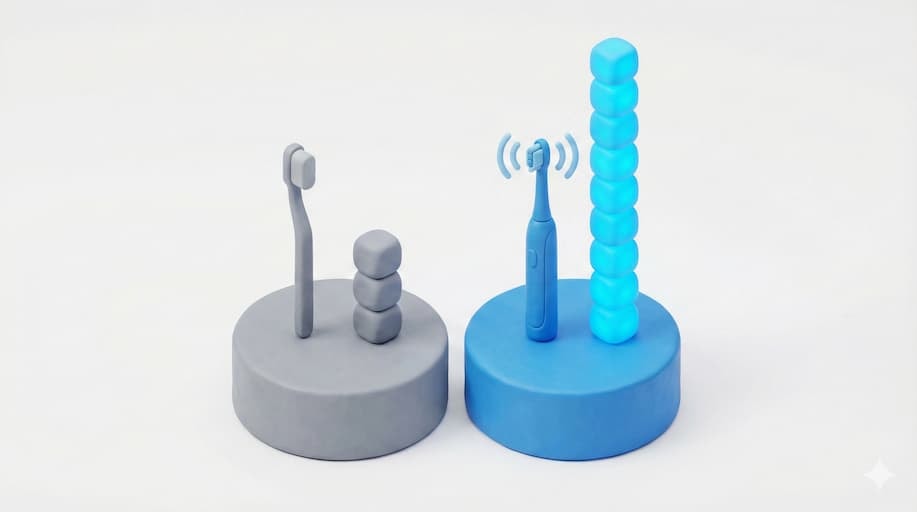
Electric toothbrushes are proven to remove more plaque than manual toothbrushes. A Cochrane Library review confirms that electric toothbrushes reduce plaque by 21% more than manual brushes over a three-month period, which is critical when you're dealing with tight areas around braces. This reduction in bacteria directly prevents white spot lesions and gingivitis during orthodontic treatment.
2. Easier Cleaning Around Brackets and Wires
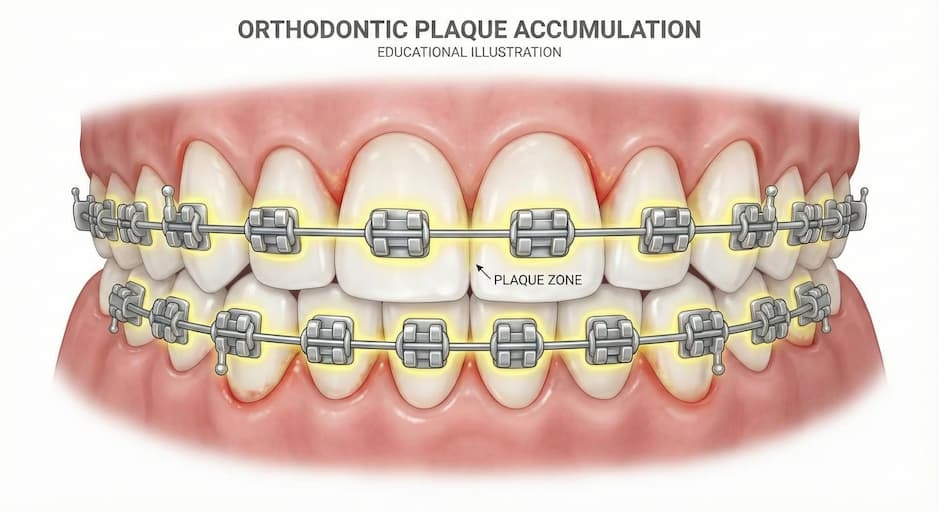
Braces create many small, hard-to-reach areas where food particles and bacteria can hide. Oscillating or sonic-powered toothbrushes are designed to reach those tight spots more effectively than manual options. This is essential to help prevent cavities, gum irritation, and staining during treatment.
3. Built-In Timers for Better Habits
Most electric toothbrushes come with built-in two-minute timers and 30-second pacers that guide you through cleaning all four quadrants of your mouth evenly. This encourages better brushing habits and ensures you’re spending enough time on your oral hygiene.
4. Gentle Yet Powerful Cleaning
Many electric toothbrushes feature soft bristles and pressure sensors to protect your teeth and gums while delivering a powerful clean. This is particularly important when brushing around sensitive gum tissue and brackets.
5. Enhanced Gum Health
By removing plaque more efficiently and reducing inflammation, electric toothbrushes contribute to healthier gums. This can help you avoid complications like gingivitis or gum sensitivity while wearing braces.
6. Whitening Support While You Brush
If you're looking for both cleanliness and cosmetic benefits, SNOW’s LED Whitening Electric Toothbrush is an ideal choice. It features 39,000 sonic vibrations per minute, a built-in blue LED light for gentle whitening, and ultra-soft bristles that are safe for braces. It's a great example of a powered toothbrush designed to enhance your smile during orthodontic care.
7. Encourages Consistency and Better Results
Brushing with a high-performance electric toothbrush is easier and more enjoyable, encouraging twice-daily brushing and an intense routine. With braces, consistency is key to preventing plaque, bad breath, and long-term issues.
Is It Safe to Use an Electric Toothbrush with Braces?
Yes, using an electric toothbrush with braces is entirely safe when used correctly. In fact, the American Association of Orthodontics confirms that electric toothbrushes are safe for use with fixed appliances during orthodontic treatment.
These brushes use oscillating or sonic technology, which allows them to clean more effectively around brackets and wires compared to a manual toothbrush. This helps reduce plaque buildup and trapped food particles, both of which can lead to oral health issues if left unaddressed.
For maximum safety and effectiveness, look for electric toothbrushes that include:
-
Soft bristles to protect sensitive gums and brackets
-
Pressure sensors that help you avoid brushing too hard
-
Gentle circular or angled motions that reduce the risk of irritation
-
Orthodontic-friendly brush heads designed for tight spaces and wires
Using the correct brushing technique is just as important. Applying light pressure and angling the brush properly ensures that brackets stay secure and gums remain healthy.
The SNOW LED Whitening Electric Toothbrush is one option designed with features such as soft bristles, sonic vibration, and multiple cleaning modes. It’s a safe and practical choice for braces wearers looking to improve their oral hygiene and brighten their smile.
Shop SNOW’s LED Electric Toothbrush
What Are Common Myths About Brushing with Braces?
Even with the growing popularity of electric toothbrushes, many misconceptions still mislead those undergoing orthodontic treatment. If you're a braces wearer, understanding the facts can make a big difference in your oral hygiene results.
Myth 1: Electric Toothbrushes Can Damage Braces
Electric toothbrushes do not harm brackets or wires when used with the correct technique. Most modern devices are designed with pressure sensors and soft bristles specifically to be gentle on orthodontic appliances. The real threat to braces comes from chewing hard or sticky foods, not from the vibrations of a powered toothbrush.
When used correctly, including with soft bristles and light pressure, they do not damage braces. The real threat comes from chewing on hard or sticky foods, not brushing with a powered toothbrush.
Myth 2: Manual Toothbrushes Are Safer
Some believe that using a regular toothbrush offers more control and is safer for braces wearers. However, studies show that electric toothbrushes provide superior plaque removal and are more effective at cleaning around wires and brackets.
Sonic toothbrushes, in particular, are excellent for reaching along the gum line and into tight areas that are hard to get with a manual toothbrush.
Myth 3: All Electric Toothbrushes Work the Same
Not all electric toothbrushes are built for orthodontic care. Features like pressure sensors, small round brush heads, and gentle modes are essential for brace wearers. Choosing a toothbrush with braces compatibility is key.
Some models, like SNOW’s LED Whitening Electric Toothbrush, combine sonic cleaning with whitening benefits and soft bristles for maximum safety and performance.
Myth 4: Brushing More Often with a Manual Brush is Better
While frequent brushing is important, relying solely on a manual toothbrush may not clean thoroughly enough during orthodontic treatment.
Food particles and bacteria often build up around brackets and under wires.
An electric toothbrush with braces-specific features helps remove these more efficiently, preventing plaque buildup and maintaining a healthy gum line.
Myth 5: You Can Use Any Brush Head with Braces
This is another misunderstanding. Specialized orthodontic brush heads are designed to clean around brackets and wires without damaging them.
Using a standard or stiff-bristle head can irritate the gums and fail to clean around the braces properly.
Look for soft-brush heads designed for orthodontic use to reduce discomfort and improve cleaning.
How Do You Choose the Best Electric Toothbrush for Braces?
The ideal electric toothbrush for braces must feature soft bristles, a compact head, and a pressure sensor. Soft bristles prevent gum recession, while a compact head allows for navigation around metal hardware. Pressure sensors are critical because they automatically stop pulsations if you press too hard against the brackets. Selecting a model with these specific features prevents mechanical damage to the appliances while ensuring a deep clean.
Whether you're just starting orthodontic care or looking to upgrade your brushing habits, here's what you need to know to choose the correct option.
Key Features to Consider
When choosing an electric toothbrush for braces, focus on models that include specific features designed for orthodontic care. These features help ensure more effective plaque removal while protecting your brackets, wires, and gums.
Here’s what to look for:
-
Soft or Extra-Soft Bristles: Braces-wearers need gentle cleaning. Soft bristles prevent damage to brackets and irritation to the gums, especially along the gum line.
-
Small or Round Brush Heads: A compact brush head makes it easier to reach between brackets and into tight spaces. Round heads, often found on oscillating models, are ideal for maneuverability.
-
Pressure Sensors: These built-in alerts stop you from pressing too hard, which can lead to gum recession or even loosen brackets if you're not careful.
-
Built-In Timers: Two-minute timers ensure you brush for the dentist-recommended time, evenly covering all areas of your mouth.
-
Multiple Cleaning Modes: Options like "Sensitive," "Deep Clean," and "Whitening" offer personalized choices for your current oral health needs and comfort levels.
Many of these features are standard on sonic toothbrushes, which use high-frequency vibrations to remove plaque and food particles, even in areas your manual toothbrush might miss.
Ideal Brush Head Types for Braces
The brush head is one of the most essential
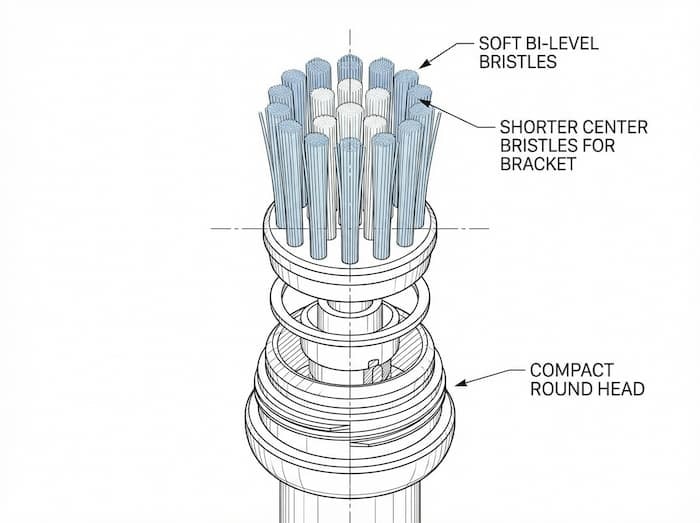
components for effective cleaning during braces treatment. Choose a toothbrush with:
-
Compact size for better control around brackets
-
Orthodontic-specific heads designed to clean wires and braces without snagging
-
Rounded tips and flexible necks to avoid irritating the gum line
-
Oscillating or sonic movement that removes plaque without aggressive scrubbing
For example, SNOW’s LED Whitening Electric Toothbrush offers soft bristles, intelligent pressure control, and a small brush head ideal for navigating orthodontic hardware.
Why Sonic Toothbrushes Are a Smart Choice
Compared to traditional or manual toothbrushes, sonic toothbrushes operate at extremely high speeds, up to 50,000 strokes per minute. This rapid movement creates dynamic fluid action, helping to clean between teeth and along the gum line, even in areas the bristles can’t physically touch.
This makes sonic toothbrushes particularly useful for braces wearers who struggle to remove debris caught in tight spots. They are also gentle on enamel and gums when paired with soft bristles.
Bonus Tip: Avoid the Wrong Toothbrush
Not all electric toothbrushes are suitable for orthodontic treatment. Avoid models with:
-
Stiff or hard bristles
-
Oversized brush heads
-
Lacking pressure sensors or timers
-
Noisy or bulky designs that are uncomfortable to use regularly
These options may miss plaque, irritate the gums, or even damage your brackets. If you're unsure, speak to your orthodontist for recommendations tailored to your needs.
What Is the Proper Technique for Brushing with Braces?
Using an electric toothbrush with braces is highly effective, but only if you apply the right brushing technique. Braces create more areas for plaque and bacteria to hide, so brushing properly is essential to protect your enamel, prevent gum inflammation, and keep your smile healthy during orthodontic treatment.
Here’s exactly how to do it.
Before You Brush: Prep Your Mouth
A successful oral hygiene routine starts before you turn on your toothbrush. Follow these pre-brushing steps to get the most out of every session:
-
Rinse your mouth with water to dislodge loose food particles stuck between your brackets and wires.
-
Use fluoride toothpaste to strengthen enamel and protect against cavities. Choose a formula that’s gentle on sensitive gums.
-
Apply toothpaste evenly across the brush head. A pea-sized amount is enough for effective cleaning.
These simple steps can significantly improve how well your brushing session tackles plaque and odor-causing bacteria.
How to Brush Correctly with Braces
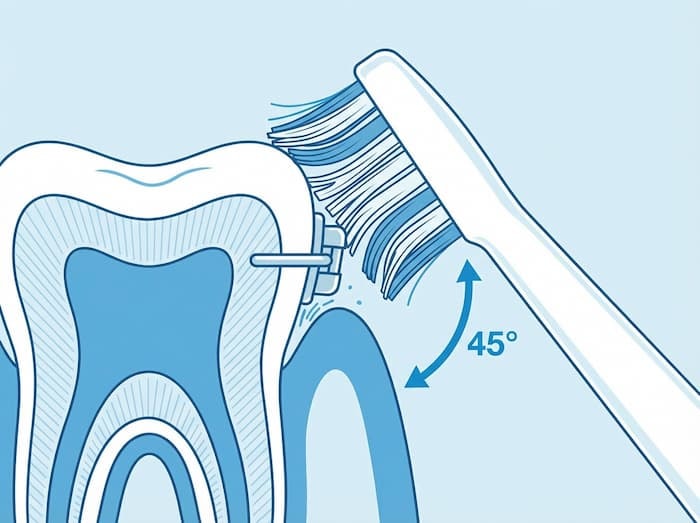
To get the best results from your toothbrush with braces, follow these steps with care and consistency:
-
Hold the toothbrush at a 45-degree angle to your gum line. This helps the bristles clean both the teeth and the area just under the gums, which is crucial for preventing gingivitis.
-
Use gentle circular motions instead of aggressive back-and-forth scrubbing. Circular motions reduce the risk of irritating gums or damaging your orthodontic hardware.
-
Angle the brush toward brackets and wires. Slight tilting helps clean around these areas more effectively, especially where food and plaque tend to collect.
-
Brush for a full two minutes using the built-in timer on most electric toothbrushes. Divide your mouth into four sections and spend at least 30 seconds on each.
-
Clean along the gum line carefully. This area is prone to inflammation during orthodontic treatment, so be gentle but thorough.
-
Don’t forget your tongue. Brushing your tongue helps eliminate odor-causing bacteria and leaves your mouth feeling fresher.
Pro Tip: Use a soft-bristled electric toothbrush with braces-specific brush heads, like the SNOW LED Whitening Electric Toothbrush. It combines sonic vibrations with a compact design to help you clean around brackets and reach tight spaces with ease.
Post-Brushing Tools to Boost Cleanliness
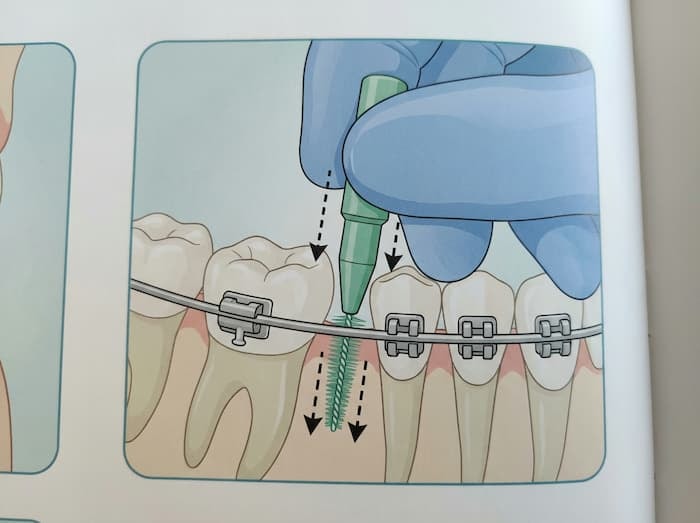
Even with proper brushing, some debris can stay trapped between brackets and in tight spaces. These extra tools help elevate your routine and ensure a truly thorough clean:
-
Use interdental brushes to sweep out plaque and food particles from between brackets and under wires.
-
Try a water flosser to flush bacteria from hard-to-reach areas. The SNOW Water Flosser delivers powerful, targeted cleaning that's ideal for braces.
-
Finish with an alcohol-free mouthwash to reduce bacteria, freshen breath, and support long-term gum health.
Bonus Tip: Use the water flosser before or after brushing depending on your preference. Just don’t skip it since it plays a key role in keeping the gum line clean during orthodontic treatment
Shop the SNOW Water Flosser now
Which Electric Toothbrushes Are Best for Orthodontics?
Choosing the right electric toothbrush is essential for patients undergoing orthodontic treatment. A well-designed toothbrush helps clean effectively around brackets and wires without damaging them.
Top recommended models include:
-
SNOW LED Whitening Electric Toothbrush: Offers sonic cleaning, blue light whitening, soft bristles, and a smart timer. It's designed to clean around braces while brightening your smile gently.
-
Oral-B iO Series: Features oscillating-rotating technology and a round head to target plaque and bacteria near brackets.
-
Philips Sonicare ProtectiveClean 6100: Uses gentle sonic vibrations and pressure sensors, great for sensitive gums.
-
Oral-B Pro 5000: A budget-friendly choice with various cleaning modes and protective features.
-
Waterpik Sonic-Fusion: Combines brushing and water flossing in one tool for more efficient plaque and bacteria removal.
These options are perfect for braces patients looking to protect their gums and maintain a confident smile.
Electric vs. Manual Toothbrushes: Which Is Better for Braces?
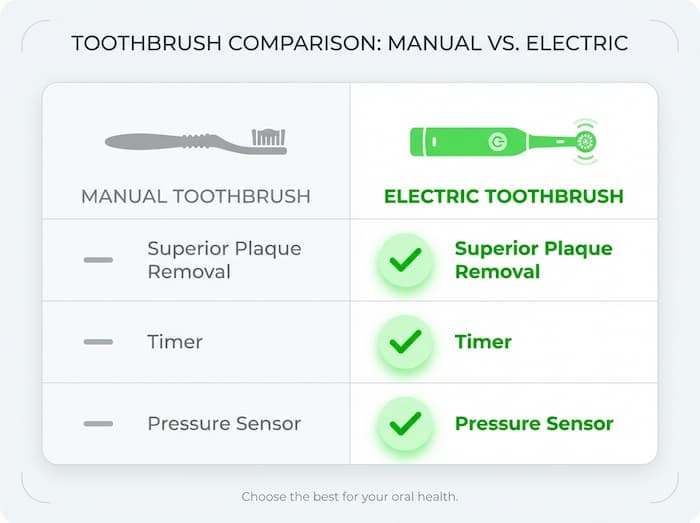
When it comes to cleaning braces, electric toothbrushes provide several key benefits over manual toothbrushes:
-
Superior plaque removal: They can remove up to four times more plaque and bacteria, especially in areas around brackets.
-
Built-in features: Pressure sensors and timers guide proper brushing to protect gums and improve results.
-
Efficiency: Sonic toothbrushes like SNOW's model deliver consistent, thorough cleaning while remaining gentle.
Manual toothbrushes may be more affordable, but they require flawless technique and can be less effective for patients with braces.
For those undergoing orthodontic treatment, the benefits of electric toothbrushes, cleaner teeth, healthier gums, and fewer cavities make them a wise long-term investment.
How Should You Maintain Your Electric Toothbrush?
Keeping your toothbrush in top condition ensures it continues to clean effectively and supports your oral health. Here are maintenance tips:
-
Rinse after each use to remove debris and bacteria.
-
Store upright to air-dry and prevent bacterial growth.
-
Avoid covering the brush head when it's wet, as this can trap moisture and cause contamination.
-
Never sanitize using a microwave or dishwasher.
-
Replace the brush head every 3 months, or sooner if bristles appear frayed. Braces can cause quicker wear.
These simple steps help you maintain healthier gums and ensure your toothbrush continues delivering the full benefits throughout your orthodontic journey.
Final Thoughts
An electric toothbrush with braces is a game-changer for maintaining good oral hygiene. It effectively removes plaque, cleans around brackets, and protects your gums. Features like sonic technology, soft bristles, and multiple cleaning modes ensure a deep clean during daily brushing.
For best results, choose a brush with a rechargeable battery and pressure sensors. The SNOW LED Whitening Electric Toothbrush combines effective cleaning and whitening power in one sleek tool.
Frequently Asked Questions
Quick answers to common questions about using an electric toothbrush with braces and maintaining a healthy smile.
Can you use an electric toothbrush with braces?
Yes, you can use an electric toothbrush with braces; they are safe and effective for cleaning around brackets and wires. This can help maintain better oral hygiene during orthodontic treatment.
What type of electric toothbrush head is recommended for braces?
For braces, it's recommended to use an oscillating toothbrush with a small, round head and soft bristles, as it cleans effectively around brackets and wires without causing damage.
How often should I replace the brush head on my electric toothbrush when I have braces?
You should replace the brush head on your electric toothbrush every 3 months with braces, or sooner if the bristles show significant wear, to maintain optimal oral hygiene.


