





If you're wondering, "Are whitening strips permanent?" the straightforward answer is no. Whitening strips provide effective teeth whitening results by lifting years of surface stains and deep-set discoloration, but that brilliance eventually fades.
Results last anywhere from a few months to a year, depending on your daily habits.
Because your teeth are constantly exposed to pigments from food, drinks, and lifestyle factors, maintaining a radiant smile is more about a long-term strategy than a one-time fix.
Learning how to manage this natural "fade" is the secret to keeping your glow without over-bleaching your enamel.
In this article, we'll answer important questions such as:
-
How do whitening strips work, and why do their effects fade over time?
-
How long can you realistically expect whitening strip results to last?
-
What factors influence the duration of whitening results?
-
Are whitening strips safe, and can they cause permanent damage?
-
How can you maintain your whitening results without overusing strips?
Read on to learn everything you need to know about whitening strips and how to keep your smile bright safely and effectively.
Key Takeaways
-
Whitening strips are NOT permanent; results typically last 3–6 months and up to 1–2 years with excellent habits and consistent maintenance.
-
While whitening results fade naturally over time, enamel damage from overusing harsh peroxide strips can be permanent because enamel does not regenerate.
-
Modern, lower-peroxide and non-peroxide formulas (including hydroxyapatite-based options) can significantly reduce tooth sensitivity and help support enamel between whitening cycles.
-
The rest of this article compares strip types, shows realistic duration expectations, and outlines how to maintain a white smile safely without entering a damage–rewhitening cycle.
Are Whitening Strips Permanent? (Short Answer)
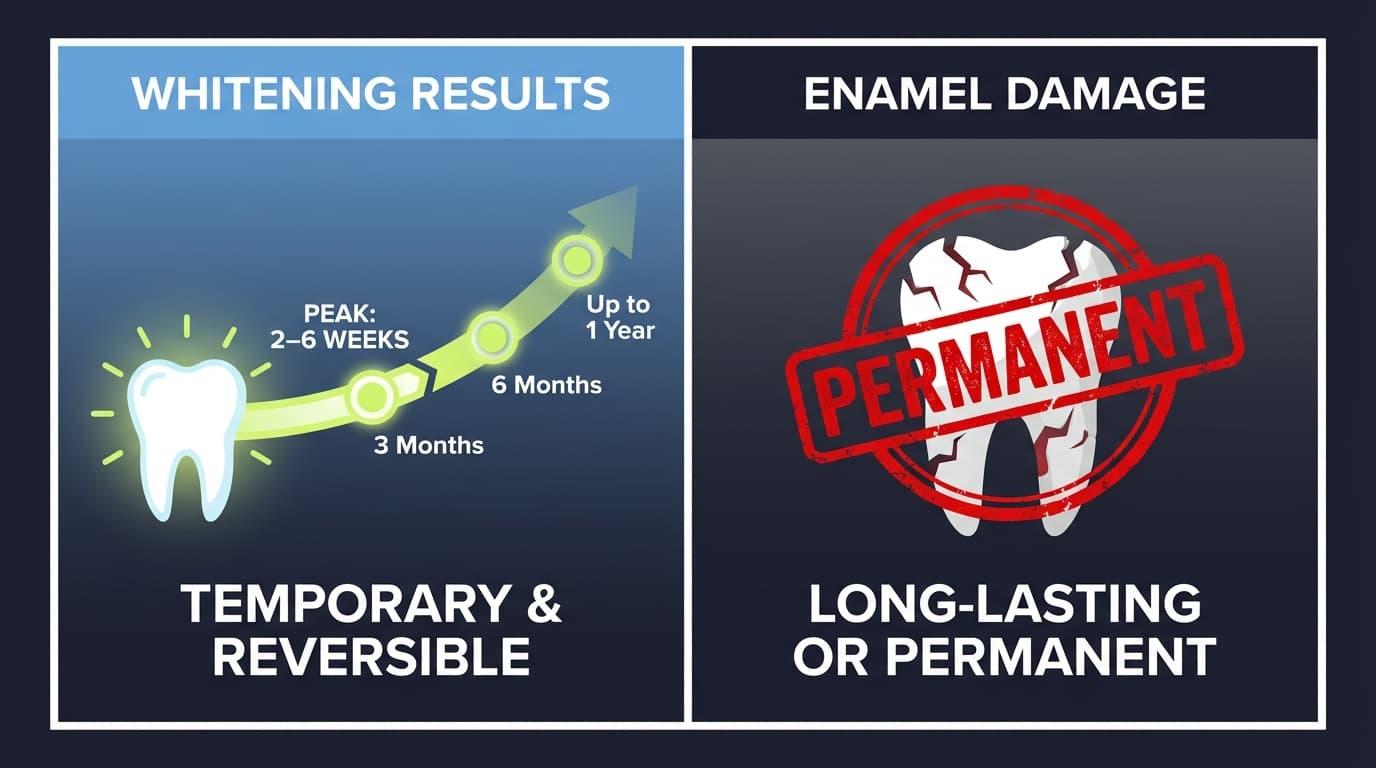
No, whitening strips are not permanent. Teeth whitening results last 3–6 months. They can stretch to about a year, depending on your diet, habits, and enamel quality.
They can sometimes stretch to about a year, depending on your diet, habits, and enamel quality.
Our teeth are porous and continuously absorb pigments from coffee, tea, red wine, smoking, and simply aging. Any bleaching effect will gradually fade as new stain molecules settle back into those microscopic enamel pores.
Here’s the critical distinction: whitening results are temporary and reversible, but overuse of strong hydrogen peroxide strips can cause enamel and dentin damage that is long-lasting or permanent.
Clinical research confirms that color changes can appear within days and peak after 2–6 weeks of use. However, lightness (the L* value that makes teeth look bright) begins regressing within weeks without maintenance.
How Whitening Strips Work (And Why Results Fade)
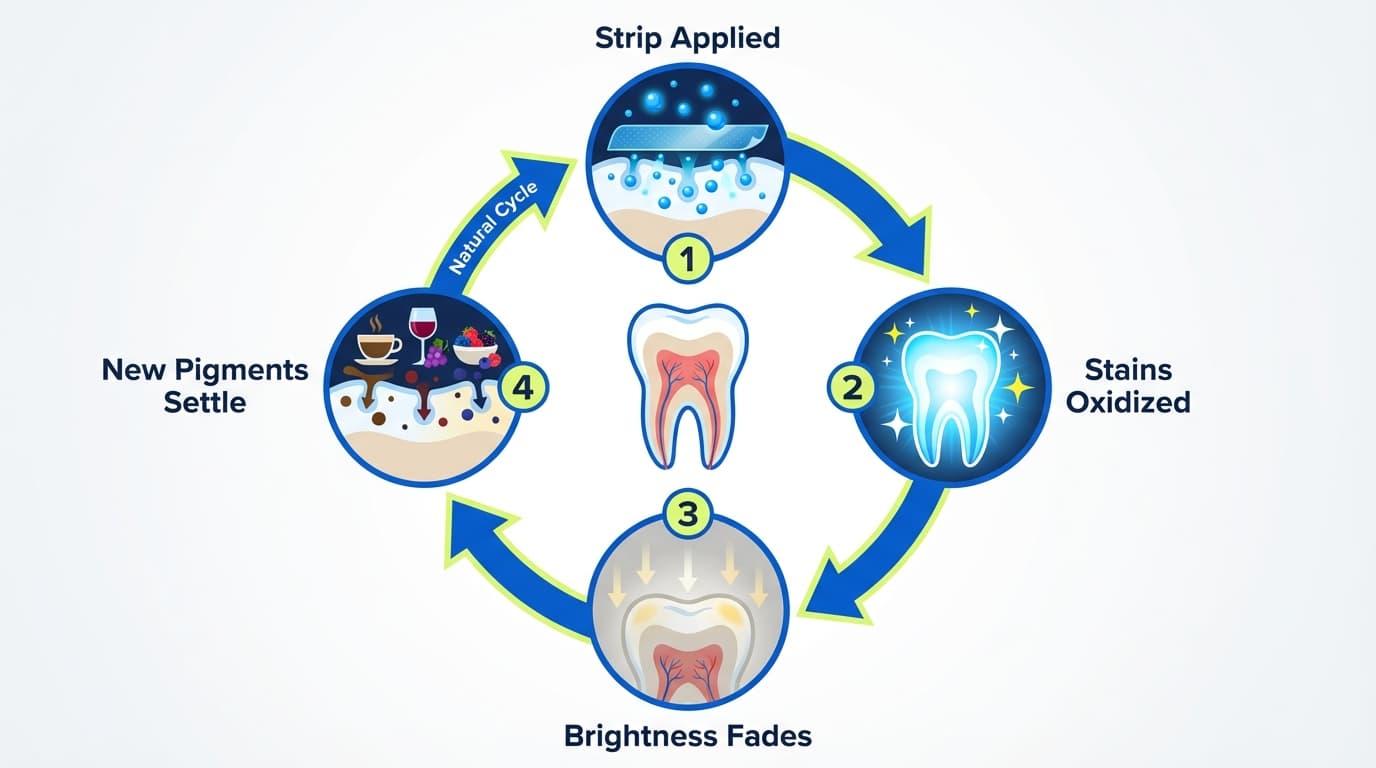
Teeth whitening strips are flexible plastic strips coated with a peroxide gel. These strips target the microscopic pores of your teeth to oxidize deep-set stains.
Whitening strips lift stains without changing your tooth structure. Most treatments use hydrogen peroxide to oxidize deep-set discoloration, revealing a more radiant version of your natural smile — not creating a new one.
Most over-the-counter products use less than 14% hydrogen peroxide, which stays within professional safety limits. Clinical trials show that using these twice a day can significantly reduce yellow tones and boost overall brightness in as little as 3 to 21 days. Essentially, you are seeing a measurable shift toward a whiter, more radiant smile in just a few weeks.
So, why isn't the result permanent? The reality is that your enamel is naturally porous. It acts like a sponge for everything you consume. Every shot of espresso or glass of Cabernet deposits new pigment and tiny food particles back into those tiny pores.
You’ll usually notice the "brightness" dip first. Teeth start to look a bit dull before the deeper yellowing returns.
Even advanced non-peroxide formulas, which use gentler chemistry to lift stains, are subject to this natural cycle. Maintaining that "just-whitened" look is less about a one-time fix and more about a smart, consistent routine.
How Long Do Whitening Strip Results Really Last?
Whitening strip results last between 3 and 6 months. Some users stretch that glow to a full year, while others see a fade in just a few weeks.
Some lucky users stretch that glow to a full year, while others see a fade in just a few weeks. It all comes down to your unique lifestyle and how your enamel interacts with different whitening agents.
Realistic Timelines for Your Results
-
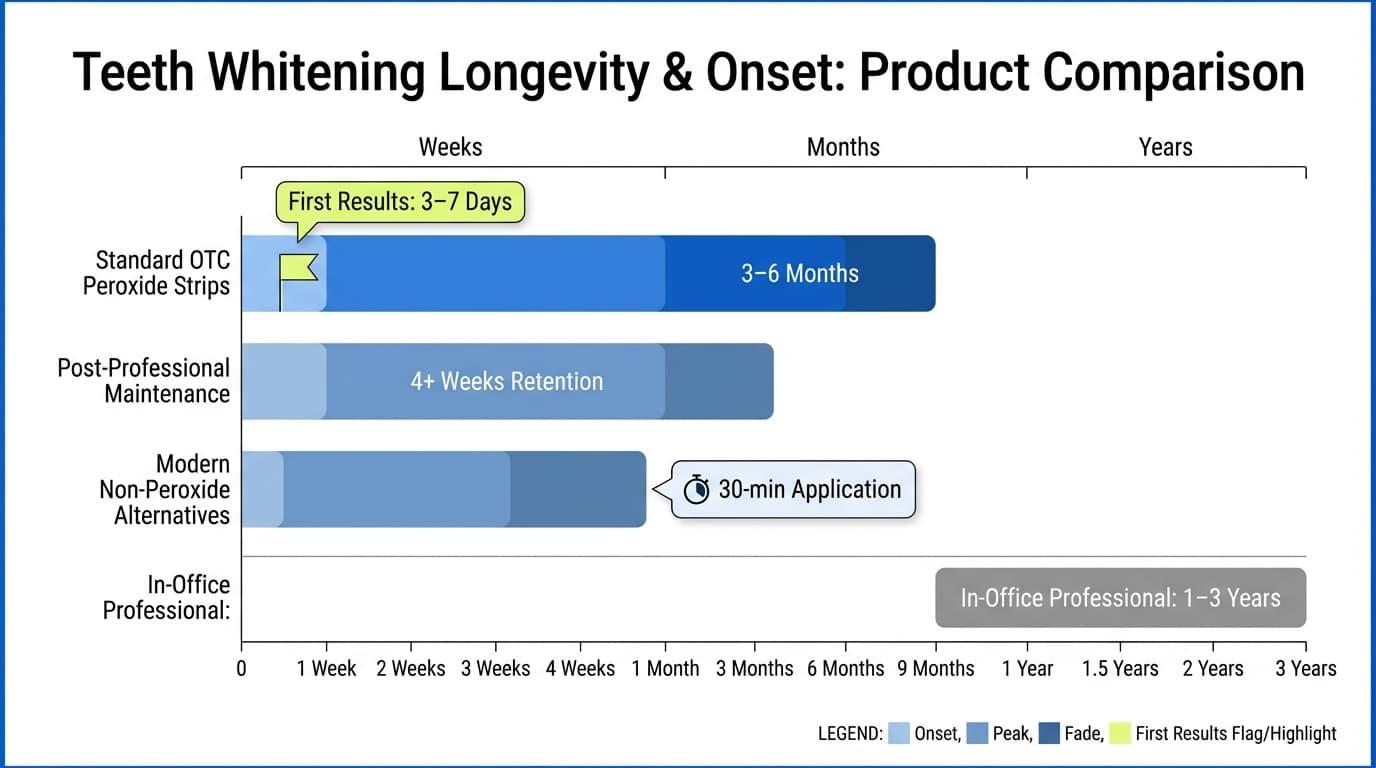
Standard OTC Peroxide Strips: These twice-daily strips produce noticeable shifts within 3–7 days and reach full effect in 2–3 weeks. Expect color stability for roughly 3–6 months if you're an average coffee drinker.
-
Post-Professional Maintenance: When used to maintain a visit to the dental office, studies show strips help retain lightness for at least 4 weeks post-bleaching. They are great for upkeep, but don't make the initial results permanent.
-
Modern Non-Peroxide Alternatives: Clinical trials from 2024 show significant results after a single 30-minute application. Early data suggest these newer formulas offer comparable short-term longevity to traditional options.
Habits That Challenge a Bright Smile
Frequent coffee, red wine, or dark soda consumption can quickly push your results toward the shorter 3-month mark. Lifestyle choices like smoking or vaping can even cause results to fade in just a few weeks.
While an intensive treatment at a dental office can keep teeth white for 1–3 years, at-home strips are best viewed as a 3–6 month maintenance tool. You'll likely need 2–3 refresh cycles per year to lock in that radiance long-term.
What Actually Affects How Long Teeth Whitening Strips Last?
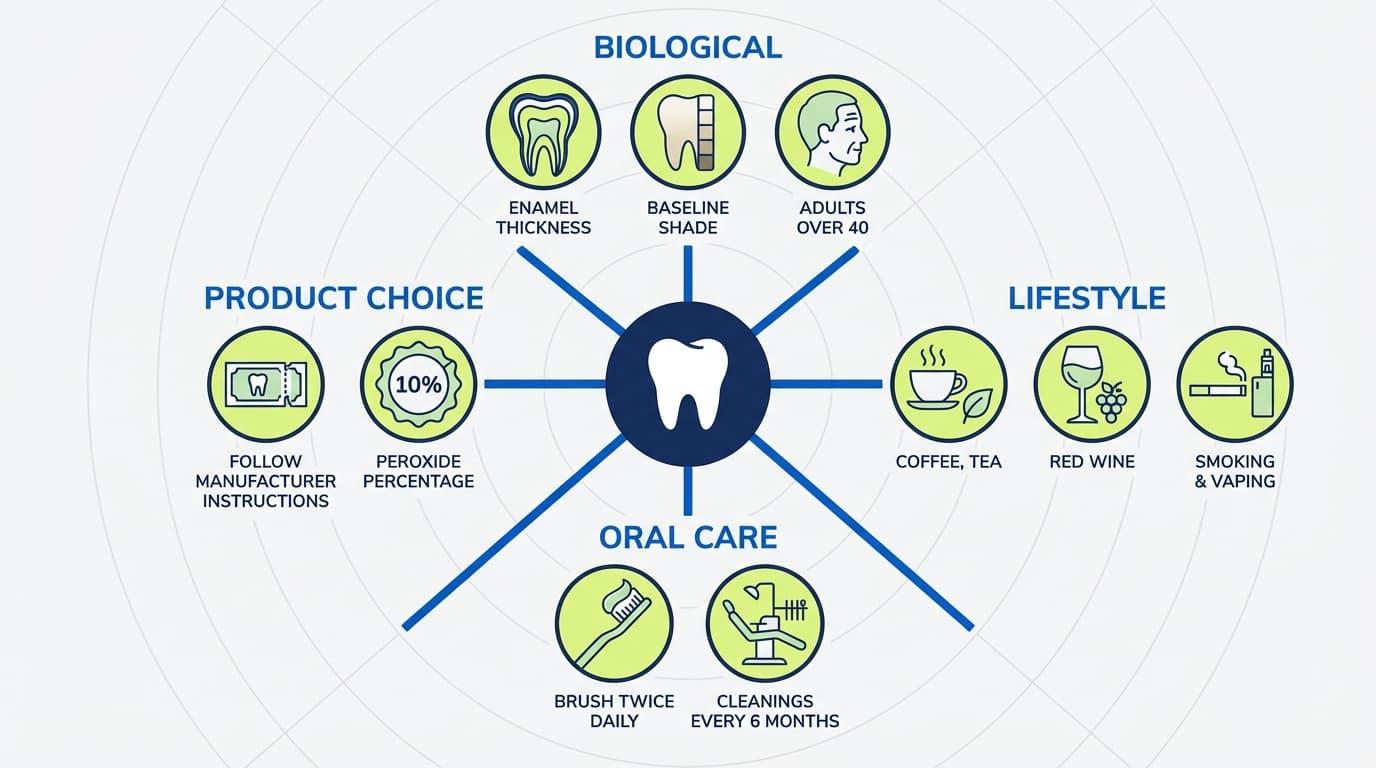
Two people using identical at home whitening strips can experience completely different results based on their unique biology and daily choices. While one person keeps whiter teeth for a year, another may see their glow fade in just a few months.
The Biological Foundation of Your Smile
-
Enamel Thickness: Thinner enamel allows more yellow dentin to show through, which can make your whitening appear to fade faster than that of those with thicker enamel.
-
Baseline Shade: Your starting point influences perception. Very dark or tetracycline-stained teeth often show relapse more noticeably than mildly stained teeth.
-
The Age Factor: Adults over 40 often deal with cumulative staining and natural wear, which can shorten the window where results look their absolute brightest.
Lifestyle Choices and Dietary Habits
Daily habits like sipping coffee, tea, or red wine accelerate fading by depositing new pigments into your enamel. Smoking and vaping are also major culprits that significantly increase new stain formation. To extend the life of your professional whitening strips, try rinsing with water immediately after consuming highly pigmented foods like berries or tomato sauce.
Maximizing Longevity Through Oral Care
Consistency is your best friend. Regular brushing twice daily and professional cleanings every six months help maintain a brightness that rivals professional teeth whitening results. Using a non-abrasive whitening toothpaste between cycles helps gently lift surface stains without the need for constant re-bleaching.
Smart Product Selection and Usage
Choosing high-peroxide strips might offer a faster initial "pop," but it doesn't necessarily mean the results will last longer. Following manufacturer instructions—usually a 14-day course rather than an extended 28-day cycle—prevents unnecessary enamel damage while still delivering beautiful, sustainable results.
Are Whitening Strips Safe, or Can They Permanently Damage Teeth?
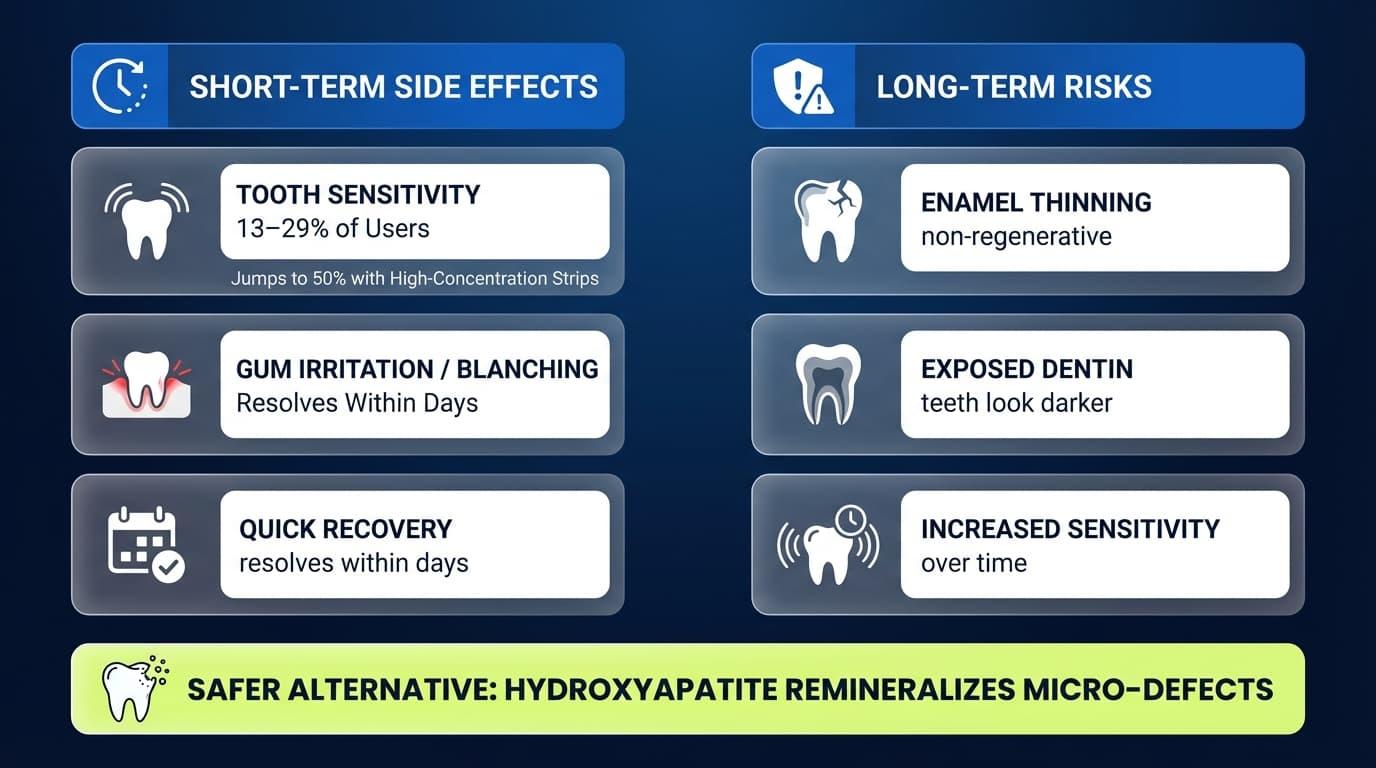
ADA-compliant whitening strips are safe when you follow the instructions. However, pushing the limits with "extra-strength" peroxide formulas can lead to complications, especially if you already deal with sensitivity or underlying dental issues.
However, pushing the limits with "extra-strength" peroxide formulas can lead to complications, especially if you already deal with sensitivity or underlying dental issues.
Common Short-Term Side Effects
-
Tooth Sensitivity: Tooth sensitivity affects 15-65% of whitening strip users, depending on peroxide concentration, according to a meta-analysis published in the Journal of Dentistry. Lower-concentration strips (6% H2O2) show sensitivity in about 20% of users, while high-concentration formulas push that rate significantly higher.
-
Gum Irritation: Often called "blanching," this burning or soreness happens when the peroxide gel overlaps onto your soft tissue or if the strips are worn past the recommended time.
-
Quick Recovery: These effects are typically mild and temporary, usually resolving a few days after you hit the pause button on your treatment.
Understanding Long-Term Risks
It is a common myth that you can whiten indefinitely without consequence. Because tooth enamel is non-regenerative, repeated aggressive bleaching can actually thin the protective layer of your teeth.
When enamel thins, it exposes the yellowish dentin underneath. Ironically, this makes your teeth look darker and feel significantly more sensitive. Over-whitening increases the risk of permanent enamel erosion, which is why dental experts advocate for moderation rather than constant bleaching cycles.
Seeking Safer Alternatives
The good news is, you don't have to choose between brightness and health. Modern, lower-peroxide or non-peroxide strips offer similar results with a fraction of the "zingers."
Look for formulas incorporating hydroxyapatite, which helps remineralize the micro-defects that naturally open during the whitening process, effectively strengthening your smile while you brighten it.
Note: If you have gum disease, untreated cavities, or dental restorations like crowns and veneers, always consult your dentist first. Whitening agents won't change the color of porcelain or composite, which can lead to an uneven, mismatched smile.
Peroxide vs. Non-Peroxide Whitening Strips: Which Type Lasts Longer?
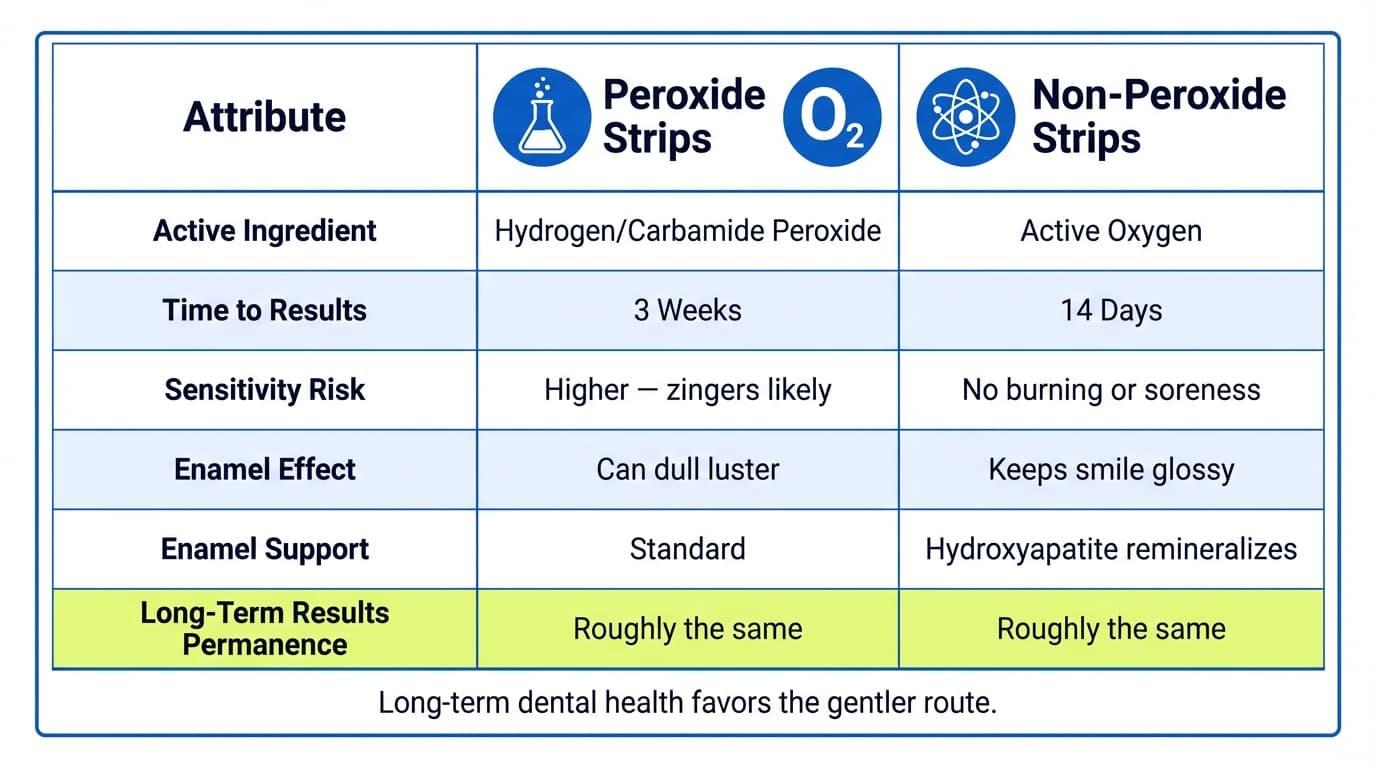
Not all whitening strips are created equal. The active ingredients you choose will totally dictate your comfort level and how you handle maintenance in a few years' time.
The Peroxide Classic
Peroxide-based strips are the old-school standard, usually relying on hydrogen or carbamide peroxide. They’ve got decades of data proving they can crush deep stains in about three weeks. The catch? They are much more likely to trigger those annoying "zingers," especially if you already have sensitive teeth. Long wear times can leave your enamel feeling a bit raw.
The Non-Peroxide New Wave
Modern non-peroxide strips are the ultimate glow-up for your routine. Using active oxygen instead of harsh bleach, clinical studies show they deliver similar brightness in just 14 days.
You get the radiance without the burning, soreness, or sensitivity. Plus, while some peroxide formulas can actually dull your tooth luster. These newer alternatives keep your smile looking glossy and polished.
Strengthening While You Brighten
The smartest formulations now include hydroxyapatite. This powerhouse ingredient remineralizes and smooths your enamel between sessions. It turns your touch-up cycle into a strengthening treatment rather than a damaging one.
While the "permanence" of your results is roughly the same for both types, your long-term dental health will definitely thank you for going the gentler route.
How Often Can You Safely Use Professional Whitening Strips?
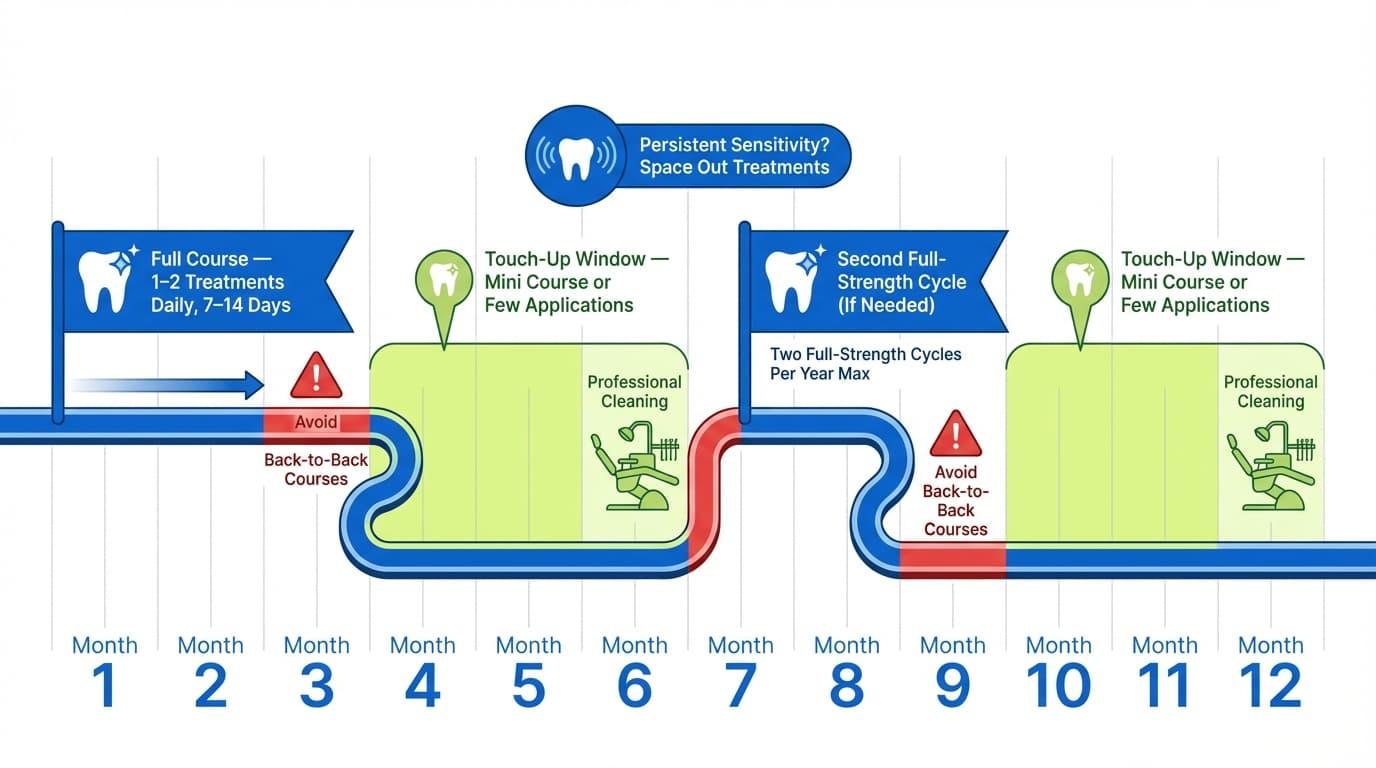
When it comes to your smile, more isn’t always better. Overusing strips won't make your results permanent; it will only increase your risk of sensitivity. To keep your enamel strong and your glow consistent, you need a strategic approach to your whitening calendar.
The Correct Usage Guide
-
The Standard Course: For most peroxide-based strips, stick to the package instructions. 1–2 treatments daily for 7–14 days. Avoid the temptation to run multiple full courses back-to-back.
-
Smart Maintenance: Instead of a full overhaul every month, many dentists recommend a "mini course" or a few touch-up applications every 3–6 months. This helps counteract the effects of staining foods like berries or soy sauce without over-stressing your enamel.
-
Sensitivity Protocols: If you have reactive teeth, aim for just one or two whitening cycles per year. Switching to a non-peroxide or lower-peroxide option is a total game-changer for staying bright without the pain.
Setting Yearly Limits
While there is no universal limit, expert reviews recommend limiting yourself to two full-strength whitening cycles per year. If you start feeling persistent sensitivity, it’s a sign from your body to hit pause and space out your treatments.
Before you start a frequent whitening habit, have your dentist check for gum recession or thinning enamel. Approaching whitening as an occasional cosmetic boost, paired with daily, enamel-friendly proper care, is the best way to ensure your smile stays vibrant for a lifetime.
How to Make Whitening Strip Results Last Longer (Without Overusing Them)
The secret to a lasting glow isn't more bleach; it is smarter maintenance. Having a long enough wait time between each whitening cycle will protect your enamel and avoid the frustration of constant re-bleaching.
Daily Habits That Protect Your Results
-
Brush with Care: Use a soft-bristled brush and a non-abrasive toothpaste containing fluoride or hydroxyapatite twice daily.
-
Floss Like a Pro: Daily flossing prevents plaque buildup in your teeth and gums, which acts like a magnet for new stains.
-
The Rinse Rule: If you can’t brush immediately after coffee, red wine, or soda, simply rinse your mouth with water. This small step helps flush away pigments before they settle into your enamel.
Lifestyle Strategies for a Lasting Glow
Try to cluster your intake of staining drinks rather than sipping them throughout the day. Using a straw for iced coffee or tea is a simple way to minimize contact with your front teeth.
Most importantly, reducing or quitting tobacco is essential, as smoking is one of the fastest ways to undo your whitening progress and harm your overall gum health.
Safe Maintenance
Treat whitening toothpaste and mild mouthwashes as maintenance tools only. They are great for surface stains but should not be used as replacements for your primary whitening strips. Incorporating enamel-strengthening products between cycles is also a brilliant way to rebuild your tooth surface integrity.
Smart Scheduling
Finally, never skip your professional cleanings every six months. Removing tartar and surface stains at the dentist ensures your whitening work has a clean canvas to shine on. Planning gentle touch-ups every 3 to 6 months helps you maintain a confident smile without the need for aggressive, high-frequency treatments.
Whitening Strips vs. Other Whitening Options: Which Method Is Best for You?
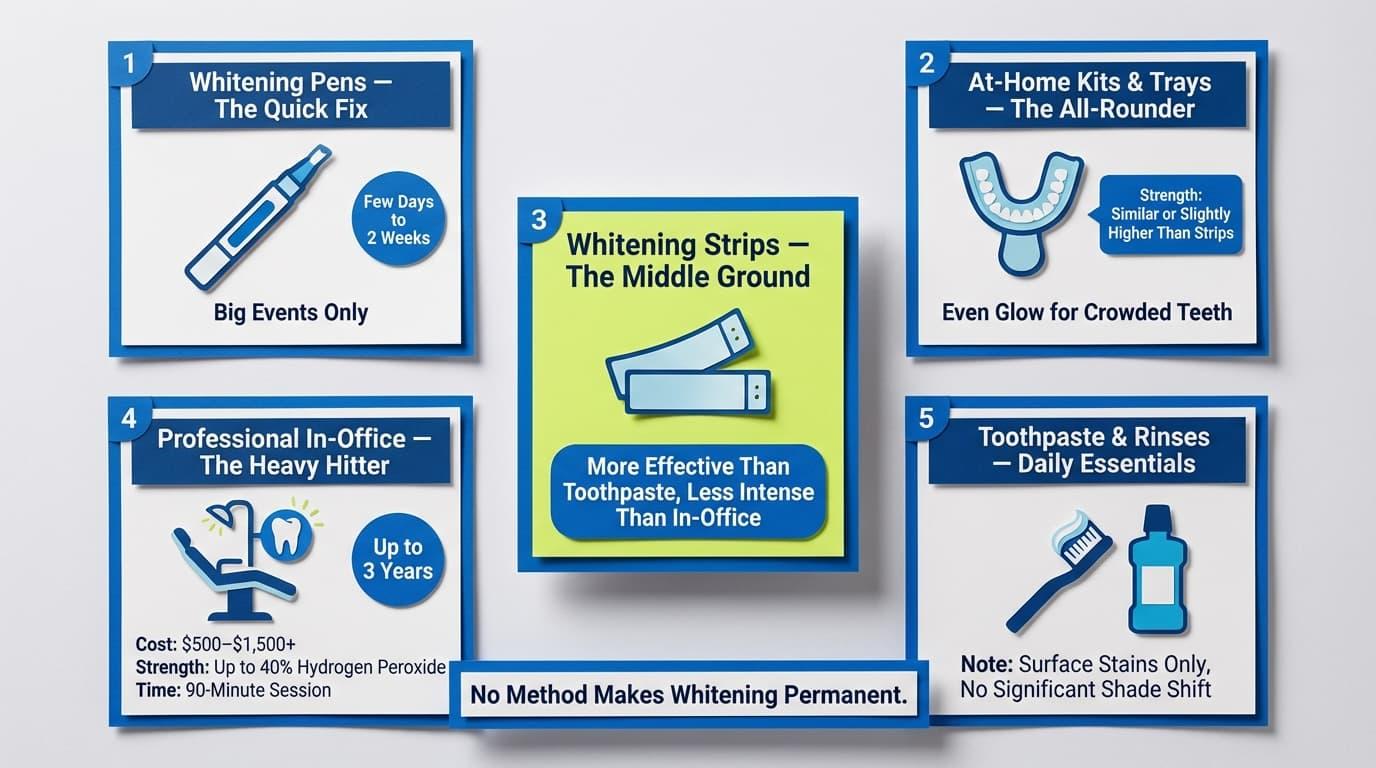
Whitening strips are the ultimate middle ground in the beauty world. They are way more effective than a basic toothpaste but less intense (and expensive) than a full professional treatment. If you are weighing your options, here is how the competition stacks up for your oral hygiene goals.
Whitening Pens
The Quick Fix for Instant Radiance
Think of whitening pens as the "concealer" of dental care. They deliver fast, targeted touch-ups for specific spots. Since the results typically last only a few days to two weeks, they are perfect for a big event, but won’t work as a primary whitening strategy for the long haul.
At-Home Kits and Trays
The All-Rounder
These systems often include LED lights or custom-fit trays. Because they use gels at a similar or slightly higher strength than strips, they provide a more even glow. This is especially helpful if you have crowded teeth where a flat strip might not reach every nook and cranny.
Professional In-Office Whitening
The Heavy Hitter that Redefines Your Glow
If you want maximum drama, an in-office visit is the way to go. These treatments use high-concentration gels (up to 40% hydrogen peroxide) to brighten your smile in a single 90-minute session.
According to Colgate's professional whitening cost guide, in-office whitening costs $300 to $1,500 depending on the system used. Results can last up to three years with a solid maintenance plan.
Toothpaste and Rinses
The Daily Essentials for Seamless Upkeep
Everyday products like whitening gel and mouthwash are great ways to remove surface stains and keep things fresh. However, they won’t give you a significant shade shift on their own. And a pro-tip: skip the "natural" remedies like lemon juice or baking soda. They can actually scratch your enamel and aren't a safe or permanent solution.
At the end of the day, no method can assure you of making teeth whitening permanent. The best choice for you depends on your desired intensity, your budget, and how much time you want to spend on upkeep!
The Real Question: Is the Whitening Maintenance Cycle Worth It?
Many adults have used strong strips before and achieved great short-term results. One thing everyone remembers are the “zingers”—those sharp sensitivity jolts. If you’re reluctant to commit to that kind of pain every few months, your skepticism is completely understandable.
Why should you have to trade long-term enamel comfort for short-lived brightness? Opening your enamel pores repeatedly without adequate remineralization leaves your teeth more vulnerable and sensitive over the years. This cycle suggests that traditional high-peroxide maintenance is often a bad deal for your dental health. Not just a temporary fix.
Instead of chasing permanence, here is a better approach:
-
Focus on making each touch-up gentle, enamel-friendly, and infrequent.
-
Choose lower-peroxide, non-peroxide, or hydroxyapatite-based whitening products.
-
Transform the process from stripping your healthy teeth to actively strengthening them.
-
Opt for a controlled, twice-yearly routine supported by daily enamel care.
Doing this is much healthier than a desperate cycle of back-to-back strip boxes or poorly fitted custom trays whenever your teeth look slightly dull.
A radiant smile and healthy enamel can absolutely coexist when your whitening plan respects both. If you gave up on whitening years ago, you weren't wrong to be wary of harsh formulas. The landscape has changed; the industry just hasn’t told you yet.
Your Long-Term Strategy for a Radiant and Healthy Smile
The journey to a radiant smile doesn't require sacrificing your comfort or enamel health. While whitening strips aren’t a permanent fix, they are a powerful tool when used with a "quality over quantity" mindset.
By shifting from aggressive bleaching to a strategy centered on gentle maintenance and remineralization, you can enjoy a bright, confident smile without the fear of sensitivity or long-term damage.
Your oral health is a lifelong investment, and modern innovations finally allow you to prioritize both aesthetics and strength.
Ready to experience a brighter smile without the "zingers"?
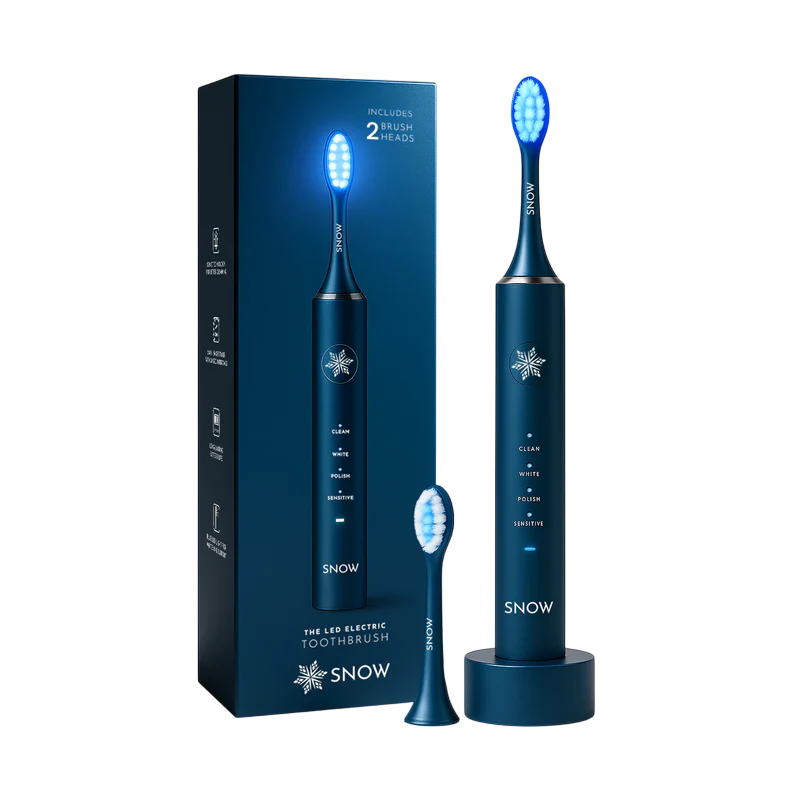
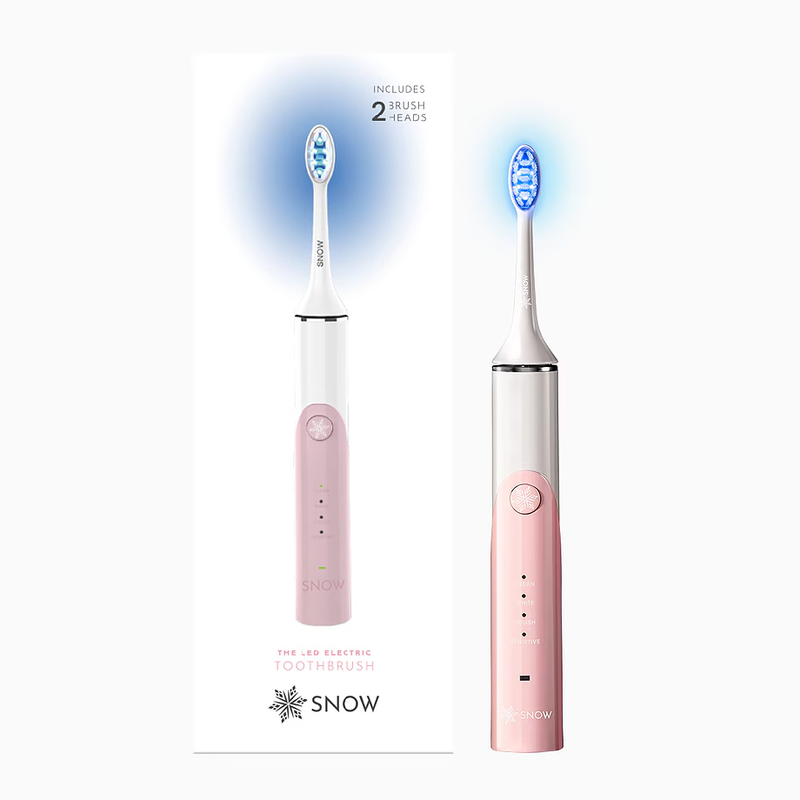
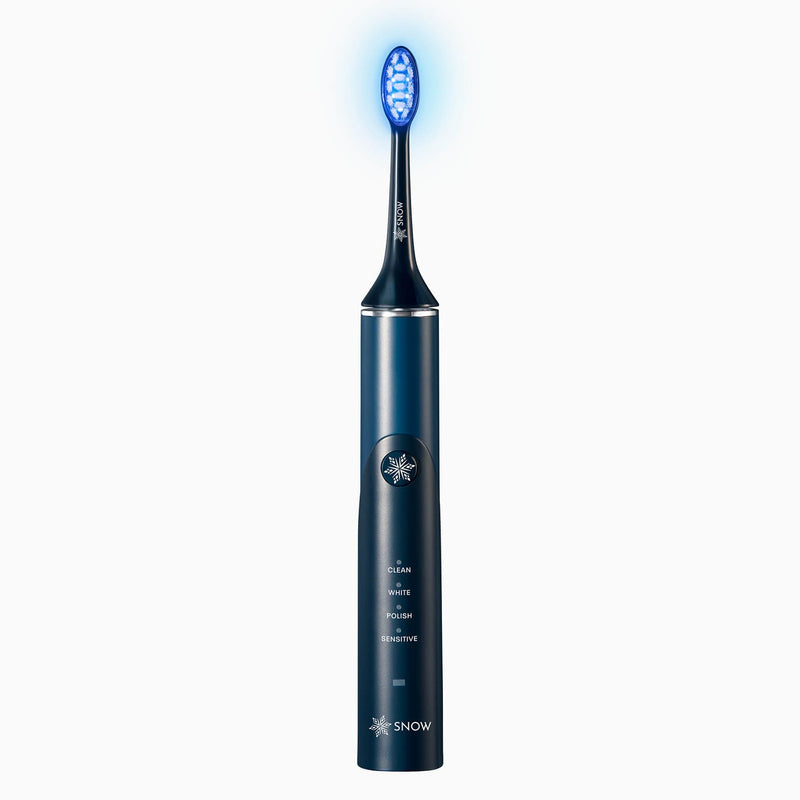
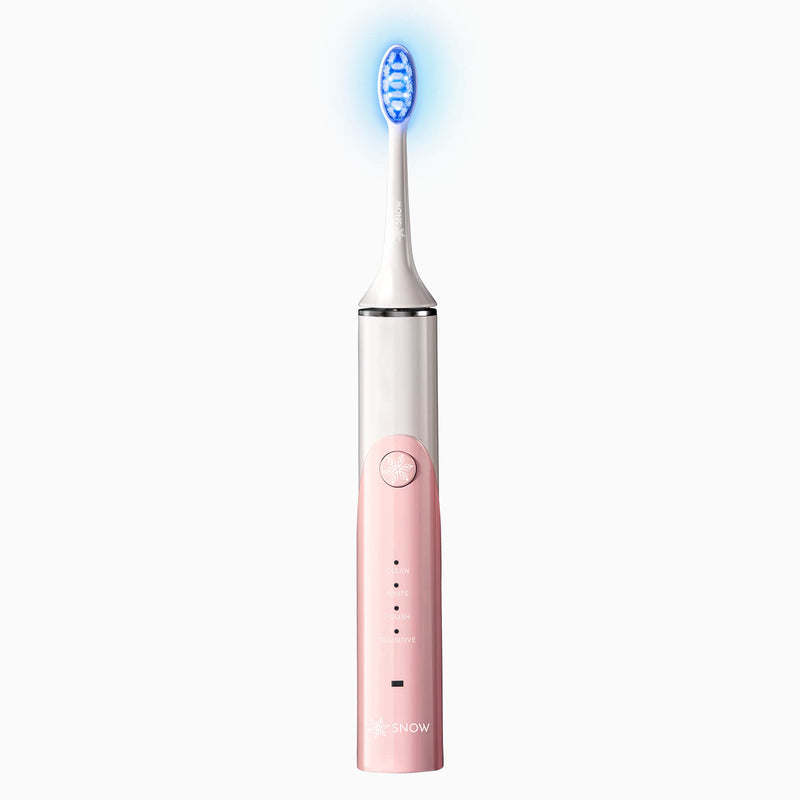
At SNOW, we’ve perfected the balance of professional-grade results and enamel safety. Our doctor-formulated whitening products are designed to strengthen your teeth while lifting stains, ensuring your glow-up is as healthy as it is beautiful.
Explore the SNOW Teeth Whitening Collection
Frequently Asked Questions
How soon can I eat or drink after using whitening strips?
Wait at least 30–60 minutes before consuming anything besides water. Your enamel is more receptive to stains immediately after treatment, so avoid coffee, red wine, or berries for the first 24 hours.
Do whitening strips work on crowns, veneers, or fillings?
No. Whitening strips only affect natural enamel and will not change the color of porcelain or composite restorations. Using them on visible dental work can lead to a mismatched, uneven smile.
Can teenagers use whitening strips safely?
Most dentists recommend waiting until age 12–14 when permanent teeth are fully erupted. While generally safe, younger users are more prone to temporary sensitivity, so parents should prioritize lower-concentration formulas.
What should I do if my teeth become very sensitive during a whitening strip course?
Stop the treatment immediately. Give your teeth a week to recover, switch to a remineralizing toothpaste, and consult a dentist if the discomfort persists before you use whitening strips again.
Can I use whitening strips while pregnant or breastfeeding?
Due to a lack of high-quality research, most professionals suggest postponing cosmetic whitening until after pregnancy. It is always best to prioritize a cautious, healthy smile approach during this time.


