




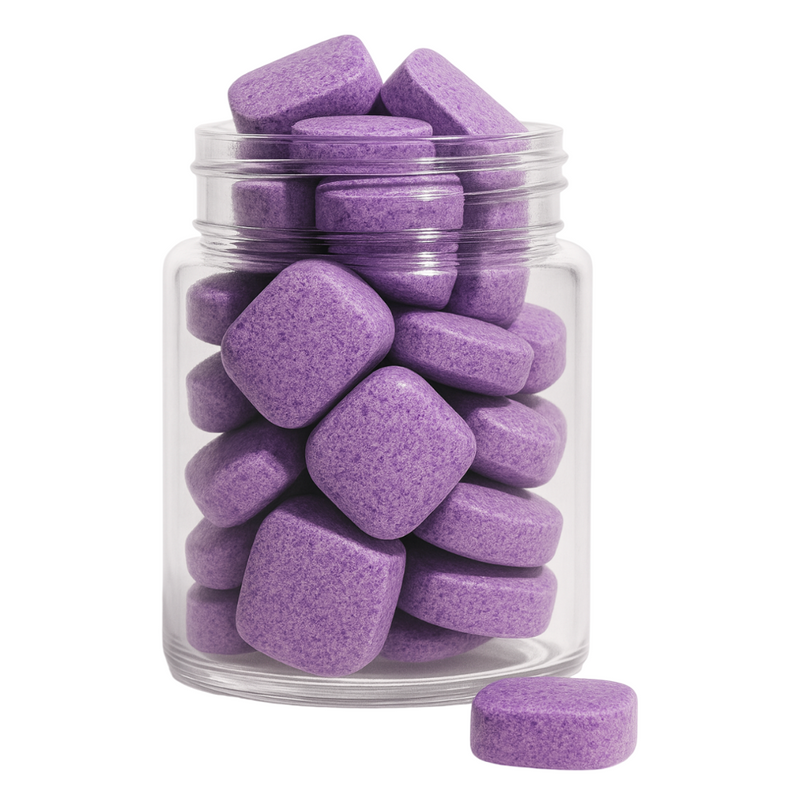

Teeth whitening is generally safe for teens aged 14 and older, provided all permanent teeth have erupted and the enamel has fully matured.
However, because teen teeth have larger nerves and more porous enamel, they are more susceptible to sensitivity.
This guide explains the recommended age, safe whitening methods, and dangerous DIY hacks to avoid.
Key Takeaways
-
Teeth whitening is generally safe for teens aged 14 and up, but it’s important to wait until all permanent teeth are in and enamel is fully developed. Always check with a dentist before starting.
-
There are many ways to whiten teeth safely, like whitening toothpaste, custom trays, or professional treatments with a special light. Avoid DIY hacks that can cause enamel damage or do more harm than good.
-
Whitening can give teens a real confidence boost, but keeping good habits like brushing, avoiding sports drinks, and going to the dentist helps protect their smile and freshen breath long term.
Is It Safe for Teenagers to Whiten Their Teeth?
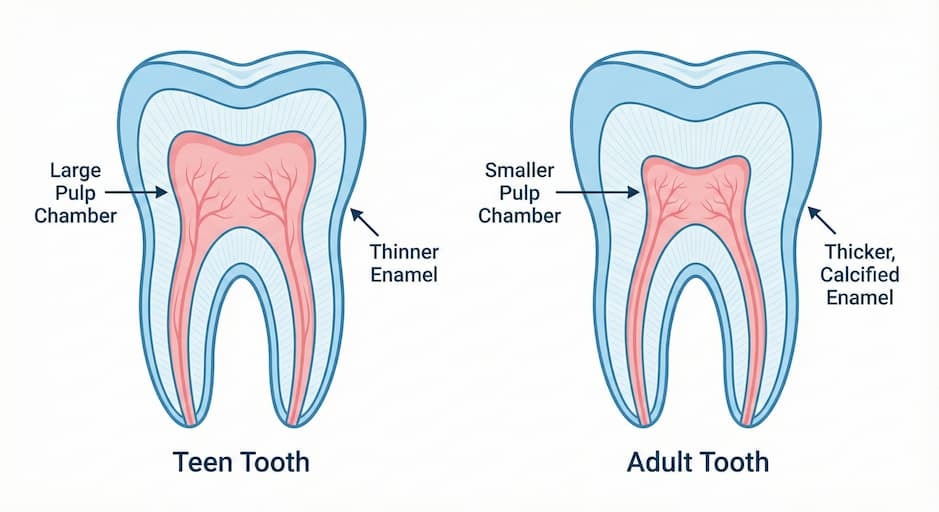
Teeth whitening is safe for most teenagers once their adult teeth have fully emerged and the enamel has hardened. The American Academy of Pediatric Dentistry (AAPD) advises that whitening should only be performed on permanent teeth to avoid irritation to the larger pulp chambers found in younger teeth. Proceeding before this developmental milestone can cause severe sensitivity or uneven coloration between permanent and remaining baby teeth.
A professional dental exam is a mandatory first step before applying any whitening product. A dentist must rule out cavities, gum disease, or exposed roots, which can become intensely painful if exposed to peroxide. This pre-screen ensures that the teen's oral health is robust enough to handle the cosmetic treatment without adverse effects.
Teens with healthy teeth and good brushing habits are better prepared for whitening. Since younger enamel is more absorbent, bleaching ingredients like hydrogen peroxide can affect it more strongly. That’s why it’s important to use safe methods and get professional advice.
The safest options include whitening toothpaste, gentle whitening strips, or in-office whitening treatments. Avoid strong DIY methods or anything not recommended by a dentist.
Prioritizing enamel-safe formulations ensures the teen achieves a brighter smile without compromising long-term oral health.
At What Age Can Teens Start Whitening Their Teeth?
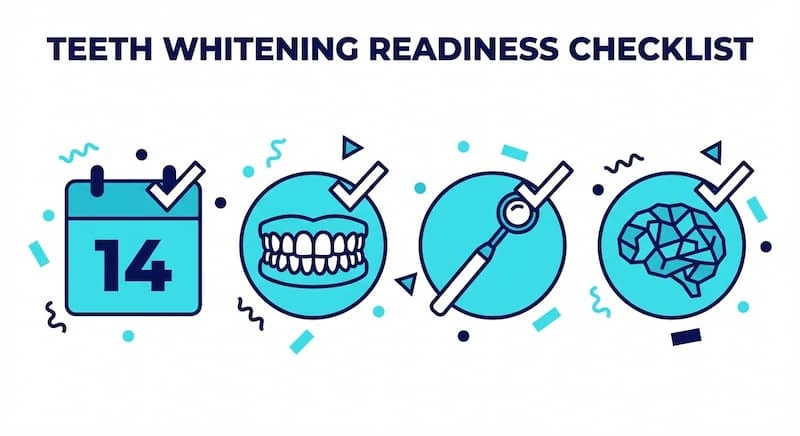
Most pediatric dentists recommend waiting until age 14 to 16 before starting any teeth whitening treatments. By this age, all permanent teeth have typically erupted, and the enamel has calcified enough to withstand bleaching agents without significant damage. Waiting ensures that the whitening results are even and that the teen has the maturity to follow complex usage instructions safely.
1. Make Sure All Permanent Teeth Have Come In
Teeth whitening should only begin after all permanent teeth have erupted. Starting too early can result in uneven whitening as additional teeth come in and may compromise still-developing enamel.
2. Give Enamel Time To Mature
Even once adult teeth appear, the enamel continues to strengthen. Immature enamel is more prone to damage from teeth whitening products, especially those containing hydrogen peroxide. Most dentists recommend waiting until at least age 14 to begin any whitening treatments safely.
3. Get A Full Dental Evaluation First
A dental professional or pediatric dentist should evaluate the teen's oral health before starting any teeth whitening treatments. Conditions like cavities, gum disease, or orthodontic appliances can interfere with whitening and increase the risk of enamel damage.
4. Consider Emotional Maturity And Responsibility
Teens must be able to follow product instructions and maintain consistent oral care. Whether using whitening toothpaste or whitening strips, correct use is necessary to prevent irritation or uneven results.
5. Treat Special Cases With Caution
In rare cases, such as discolored teeth due to injury or medication, teeth whitening may be considered earlier. These situations require customized whitening options and supervision from a qualified dental professional.
What Are the Safest Whitening Options for Teens?
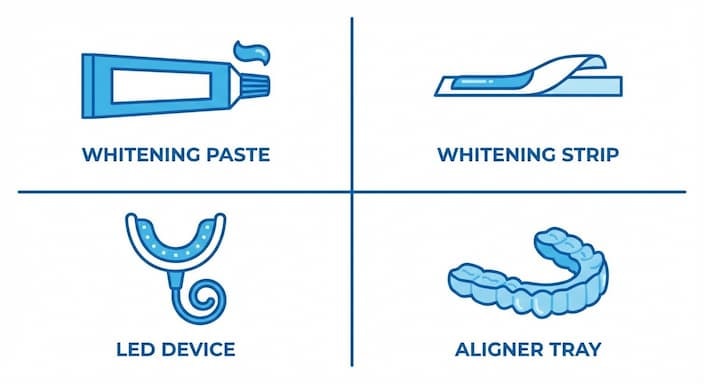
The safest whitening options for teens are whitening toothpastes, low-concentration whitening strips, and dentist-supervised LED kits.
Whitening toothpastes use mild abrasives to remove surface stains, while strips and LED kits use peroxide to treat deeper discoloration.
Starting with the gentlest option allows you to gauge the teen's sensitivity levels before moving to stronger treatments.
1. Whitening Toothpaste: A Safe Daily Starting Point
For teens with mild staining, whitening toothpaste is often the best first step. These toothpastes use gentle polishing agents instead of bleach to lift surface stains without damaging young enamel.
-
How it works: Daily brushing with silica-based toothpaste physically polishes away extrinsic stains caused by soda, berries, and tomato sauce.
-
Best for: Teens just starting to explore teeth whitening for teens and want subtle, gradual results.
This fluoride-powered toothpaste gently whitens while protecting enamel and reducing sensitivity. It’s free from harsh abrasives and safe for daily use, even on young adult teeth. With ingredients like potassium nitrate, it also helps minimize the risk of discomfort common with whitening treatments.
Start Whitening Safely with SNOW Toothpaste
2. Whitening Strips: Easy and More Powerful
Whitening strips are a common upgrade from toothpaste, offering a faster way to brighten teeth at home. Most strips contain hydrogen peroxide to bleach the enamel, but this can lead to irritation if used incorrectly.
-
How it works: Apply directly to teeth for 30 minutes a day over 1–2 weeks.
-
Caution: Improper application or overlapping onto the gums may cause irritation.
SNOW Sensitive Whitening Strips use a proprietary enamel-safe formula that we have found effectively reduces gum contact, a primary cause of irritation in teens. They contain low concentrations of peroxide and adhere well, reducing gum exposure and discomfort. The enamel-safe formula gently lifts stains without causing enamel damage.
3. SNOW LED Whitening Kit: Advanced Results at Home
Once a teen has tried strips or toothpaste, they may be ready for something more advanced — but still safe. That’s where SNOW’s at-home whitening kit comes in.
-
How it works: The LED mouthpiece is paired with whitening serum pens that are applied directly to the teeth.
-
Why it's effective: The LED light boosts stain removal while reducing the time needed for visible results.
SNOW Original Whitening Kit includes SNOW’s signature LED light and enamel-safe whitening wands with a carbamide peroxide formula that’s gentle yet effective. It's a great option for older teens (typically 16+) with guidance from a dental professional. The kit delivers professional-level results without the cost of in-office whitening treatments.
Get Pro-Level Results with SNOW’s LED Kit
4. Custom Take-Home Trays: Dentist-Supervised Whitening
Some teens may benefit from customized whitening trays provided by their pediatric dentist. These trays are molded to the teen’s bite and filled with carbamide peroxide gel in a safe concentration.
-
Best for: Teens with moderate stains and excellent oral hygiene.
-
Important: Always use under dental supervision to avoid teeth bleaching side effects.
SNOW’s wireless system offers a customizable at-home solution with similar benefits. It includes an automatic 10-minute LED mouthpiece and is compatible with their extra-strength whitening serum. Designed to minimize irritation and maximize comfort, it offers advanced convenience with excellent results.
Upgrade to SNOW Whitening System
Which Whitening Methods Should Teens Avoid?
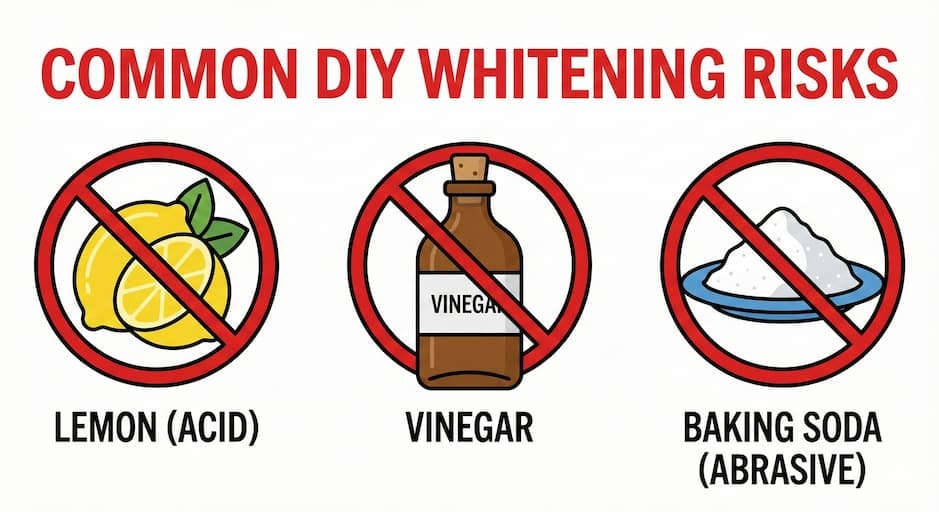
While social media is full of viral hacks for whitening teeth, many of these DIY methods can seriously damage young enamel. For teens with still-developing permanent teeth, these shortcuts often lead to enamel damage, irritation, or worse — long-term oral health problems.
Here’s what to watch out for, and why safer, dentist-approved whitening options are the better path.
Avoid Acidic “Natural” Whitening Tricks
Some teens try lemon juice or vinegar, unaware that these highly acidic ingredients chemically strip calcium from the enamel. In reality, these acids weaken enamel by eroding the outer layer, making teeth more prone to decay and sensitivity.
-
Why it's risky: Acid removes minerals from enamel, and brushing immediately after makes the damage worse.
-
Long-term effect: Once enamel is gone, it cannot be restored, which may lead to discolored or brittle teeth.
Skip Abrasive Scrubs Like Baking Soda or Charcoal
Another common mistake is scrubbing teeth with baking soda or activated charcoal. While these ingredients may lift some surface stains, they’re also highly abrasive.
-
Why it's risky: These scrubs scratch enamel, making teeth more vulnerable to future stains and wear.
-
For teens: Thin enamel is even more at risk of irreversible erosion from repeated use.
Don’t Use Household Chemicals or Unregulated Products
Some online sources suggest using strong hydrogen peroxide or even household bleach to speed up whitening. These are extremely dangerous and should never be used in the mouth.
-
Why it's risky: High concentrations of peroxide can burn gums, cause internal tooth irritation, or result in uneven whitening.
-
Warning: These products are not designed for oral use and can lead to permanent sensitivity or enamel loss.
How Should You Manage Teeth Sensitivity and Side Effects?
Sensitivity is a common and expected side effect of teeth whitening for teens, especially when using hydrogen peroxide-based products. Mild discomfort or tingling may occur during or shortly after treatment and usually resolves within a few days. This type of reaction is generally safe and a sign that the whitening agent is active on the enamel surface.
However, more severe reactions may indicate a problem. If sensitivity escalates into sharp pain, lasts longer than 48 hours, or interferes with eating and sleeping, it could suggest enamel damage or gum irritation. Signs like translucent edges, white spots on teeth, or inflamed gums are red flags that require immediate attention from a dentist.
To minimize discomfort, teens should prepare their teeth before whitening by brushing with fluoride toothpaste formulated for sensitivity. Avoiding acidic foods such as citrus or sports drinks before and after treatment can help protect the enamel. Teens should also follow the recommended frequency and duration of whitening treatments to prevent overuse, which can lead to increased sensitivity and more harm than benefit.
If sensitivity becomes frequent or intense, the teen should pause treatment and consult a dental professional. Proper supervision ensures the safest path forward and helps prevent long-term enamel issues.
How Do You Prepare a Teen for Teeth Whitening?
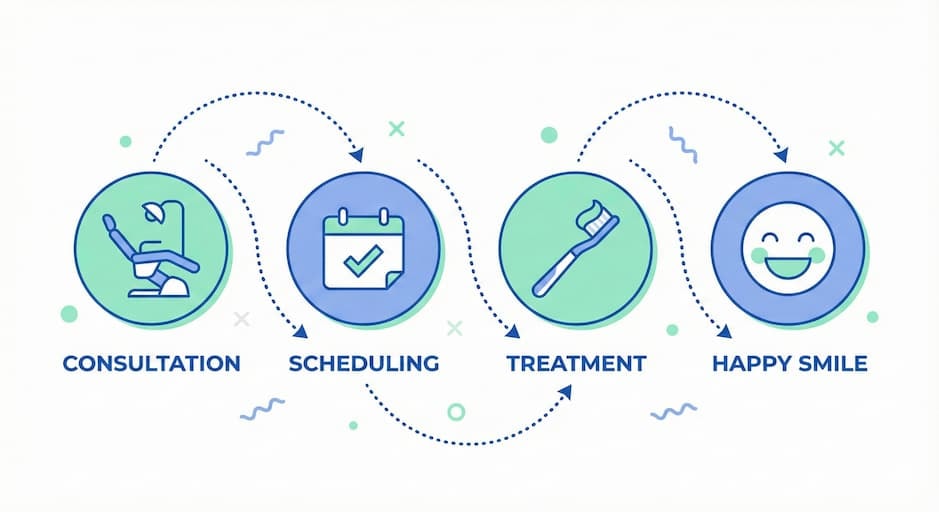
Before jumping into any whitening options, parents and teens should follow key steps to protect dental health, avoid enamel damage, and ensure long-lasting results. Here's how to get started:
-
Schedule A Dental Checkup First: Before starting any teeth whitening treatment, book an exam with a dental professional. They’ll check for cavities, gum issues, or early enamel wear. Whitening on unhealthy teeth can do more harm than good.
-
Make Sure All Permanent Teeth Are In Place: Whitening is generally safe once all permanent teeth have erupted and the enamel has matured. A pediatric dentist can confirm if your teen’s teeth are ready.
-
Discuss Whitening Goals and Expectations: Teens should understand that whitening won’t erase all stains or instantly brighten their smile. Setting realistic goals encourages consistent habits and prevents frustration.
-
Consider Timing With Braces Or Other Dental Treatments: If your teen has braces, wait until after removal. Whitening with brackets on can leave uneven color behind. Talk to your dentist about the best timing.
-
Build Good Oral Hygiene Habits First: Healthy habits come first. Encourage good oral care by brushing with fluoride toothpaste, flossing, and avoiding sports drinks that stain. This supports stronger enamel and better whitening results.
-
Choose The Right Whitening Method: Depending on the level of stains and sensitivity, teens can start with whitening toothpaste or advance to custom trays from a dentist. These trays deliver targeted results while protecting enamel.
-
Set Your Teen Up For Success: Help your teen follow the full treatment plan and report any discomfort, like increased sensitivity. With support and guidance, they can safely achieve a whiter, healthier smile.
Final Word
Teeth whitening for teens can be safe, simple, and worth it when done the right way. With help from a trusted dentist, the right timing, and careful product choices, you can brighten your smile without risking enamel damage or sensitivity.
The key is to take care of your teeth before, during, and after whitening. Keeping good oral habits, eating smart, and going to regular checkups will help your results last longer and keep your smile healthy.
If you're ready to start, SNOW makes it easy with gentle and effective whitening products made for sensitive teeth. From their LED Whitening Kit to toothpaste and whitening strips, SNOW has everything you need to whiten safely at home.
FAQs
Can Teeth Whitening Damage My Teen’s Enamel Permanently?
Teeth whitening usually does not cause permanent enamel damage when done right. But if your teen uses too many whitening products or tries DIY methods, it can hurt the enamel. A dental professional should always help to keep the process safe.
How Long Do Professional Whitening Results Typically Last For Teenagers?
According to a 2024 report by the Cleveland Clinic, professional whitening results typically last between one and three years, though this depends heavily on dietary habits. Brushing regularly, avoiding dark-colored foods and drinks, and going to the dentist for checkups can help the results last longer. If needed, touch-up treatments can help keep the smile bright.
Is It Safe To Whiten Teeth While Wearing Braces Or Retainers?
Whitening with braces is not safe because it can make teeth look uneven after the braces come off. It’s best to wait until braces are removed. Teens with removable retainers should ask their dentist or orthodontist before whitening.
What Should I Do If My Teen Experiences Severe Sensitivity During Treatment?
Suppose your teen has severe pain or tooth sensitivity while whitening, stop the treatment right away. Call the dentist to find out what’s going on. They might suggest a gentler product or other care before whitening again.
Will Whitening Work On Teeth That Have Been Bonded Or Filled?
Whitening does not change the color of fillings, crowns, or bonded teeth. If your teen has dental work on their front teeth, it may need to be redone after whitening to match. A dentist can help decide what’s best.


