





The safest way to whiten teeth without damaging enamel is to use professional carbamide peroxide trays or ADA-approved whitening toothpastes with a low Relative Dentin Abrasivity (RDA) score. These methods avoid the erosion caused by acidic home remedies like lemon juice or abrasive charcoal.
This guide explains how to select enamel-safe products, which ingredients to avoid, and how to manage sensitivity.
Let’s brighten your smile without compromising your oral health.
Key Takeaways
-
Tooth enamel cannot grow back, so whitening must be gentle and enamel safe to avoid permanent sensitivity and damage. Choosing the right whitening methods protects your teeth long term.
-
Professional whitening and dentist guided treatments use controlled peroxide levels, making them safer and more effective for improving tooth color without harming enamel.
-
Whitening toothpaste and peroxide rinses are best for maintenance. When used correctly, they help keep a whiter smile but should not be overused to prevent enamel wear.
-
What you eat affects whitening results. Dairy products and leafy greens support enamel, while red wine and citrus fruits can stain if you do not rinse and time brushing properly.
-
A full enamel safe routine matters most. Combining good oral hygiene, safe whitening habits, and gentle systems like SNOW helps maintain white teeth without sensitivity or damage.
What Is Tooth Enamel and Why Does It Matter
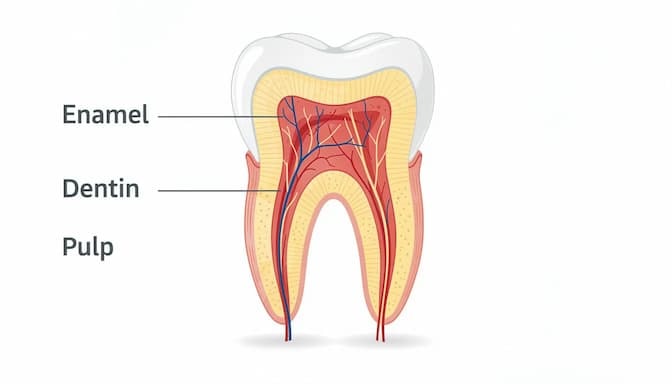
Before you learn how to safely whiten your teeth, it’s essential to understand the role of tooth enamel in protecting your smile.
Tooth enamel is the outermost layer of your teeth and the hardest substance in your body. It acts as a shield, defending your teeth from acidic foods, bacteria, and temperature changes. Enamel also helps give your teeth their natural shine and color, which is why discoloration often appears when enamel becomes worn or stained.
However, once enamel is lost or damaged, it cannot regenerate. Unlike bone or skin, enamel doesn’t contain living cells that can repair themselves. That’s why improper tooth bleaching or harsh whitening habits can cause permanent damage, leading to lasting tooth sensitivity, yellowing, and structural issues.
ou can identify early enamel erosion by monitoring for these three clinical signs:
-
Translucency: The biting edges of the teeth appear see-through or blueish.
-
Hypersensitivity: Sharp pain occurs when consuming hot, cold, or sweet substances.
-
Cupping: Small, rounded indentations form on the chewing surfaces of the molars.
Trying to whiten your teeth when enamel is already compromised can worsen these problems. That's why choosing the right method is critical to protecting both your smile and your overall oral health.
What Are the Safest Ways to Whiten Teeth?
Now that you know why enamel health matters, let’s explore the safest ways to get a brighter smile, without causing long-term damage.
A. Professional Whitening Options
Professional in-office whitening is the safest method for enamel preservation because it utilizes controlled isolation barriers.
Dentists apply a protective gel to the gums before using high-concentration hydrogen peroxide (typically 35-38%) or carbamide peroxide, which ensures the bleaching agent acts only on the tooth structure without leaking onto soft tissues.
This supervised environment allows for higher-strength whitening agents to be used effectively without the risk of chemical burns or unmonitored enamel erosion.
According to a 2023 study in the Journal of Restorative Dentistry & Endodontics, in-office treatments safely utilize hydrogen peroxide concentrations between 15% and 35% to maximize oxidation while managing sensitivity.
Your dentist will first protect your gums with a barrier gel, then apply the whitening solution directly to your teeth. Sometimes, a special light is used to activate the gel for faster results. This is one of the safest and most effective ways to whiten your teeth, especially if you already experience tooth sensitivity.
Another safe and dentist-approved method is custom take-home trays. These trays are made using impressions of your teeth to ensure a perfect fit. They’re paired with a 10% to 22% carbamide peroxide gel, which breaks down more slowly than hydrogen peroxide. This slow-release formula whitens teeth gently and evenly over 1 to 2 weeks, reducing the chance of irritation or enamel damage.
B. Safe At-Home Whitening Options
If professional treatments aren’t within your budget or schedule, you can still safely whiten your teeth at home if you choose the right products.
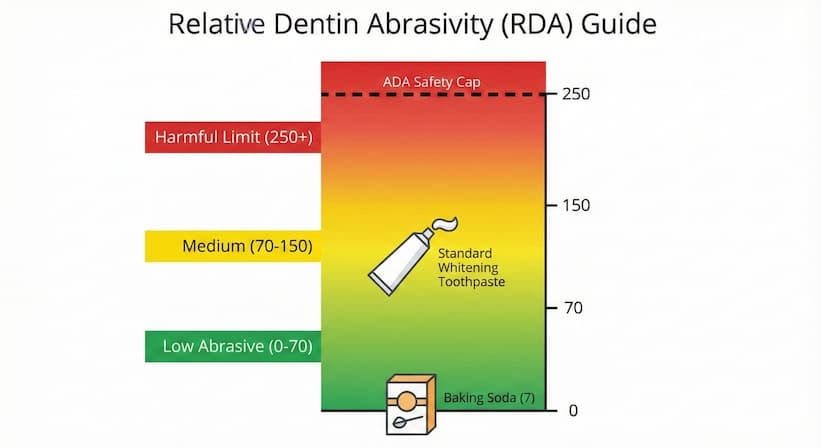
The American Dental Association (ADA) sets the safe limit for toothpaste abrasivity at an RDA of 250, noting that baking soda (RDA 7) is highly effective for stain removal without scratching enamel.
Some also contain potassium nitrate or other desensitizing agents to help manage tooth sensitivity while removing surface stains.
Another gentle option is a hydrogen peroxide rinse. These rinses typically contain 1.5% to 3% hydrogen peroxide and can be used a few times per week to dissolve surface stains. Unlike high-strength whitening gels, peroxide rinses are safer for enamel when used occasionally and rinsed thoroughly with water afterward. Avoid using them daily, as overuse can lead to irritation or enamel softening.
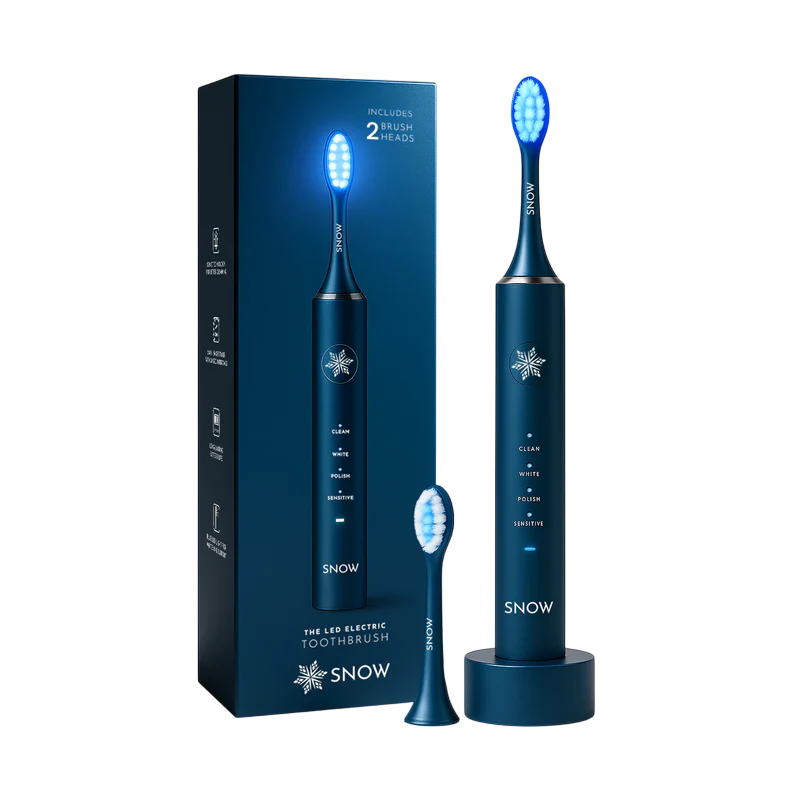
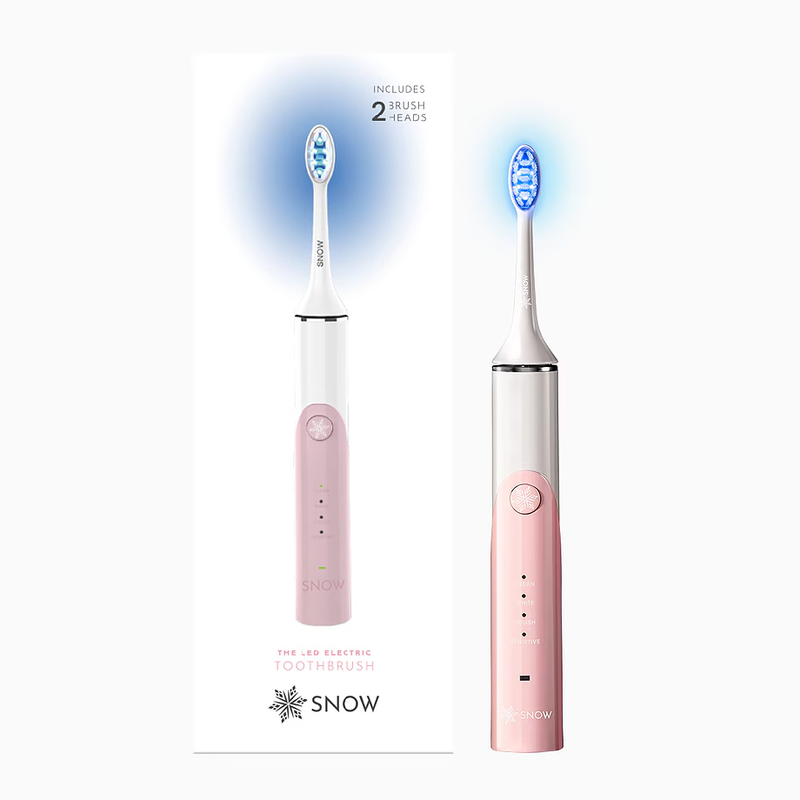
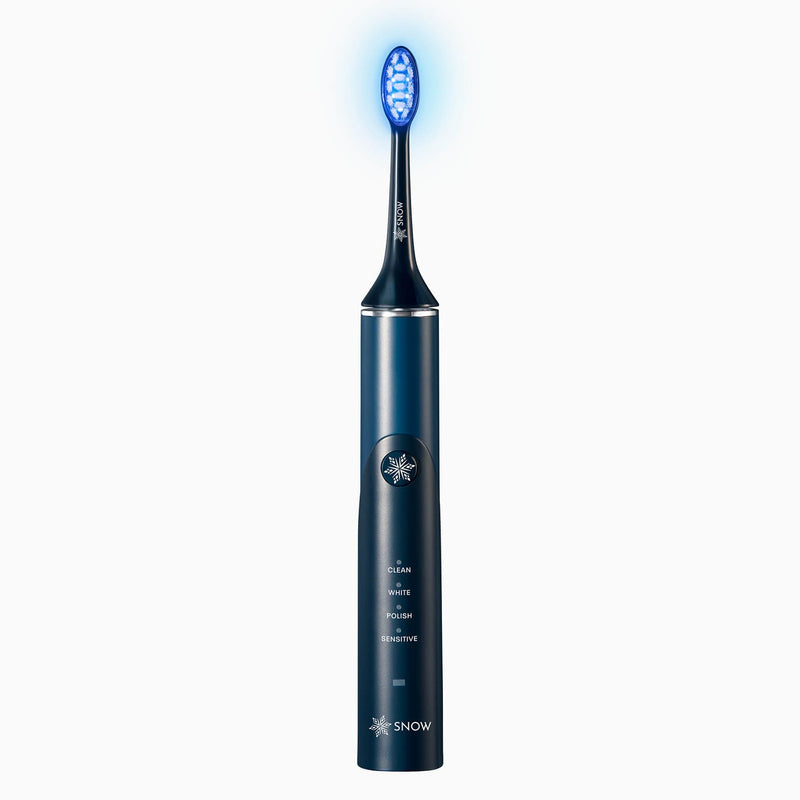
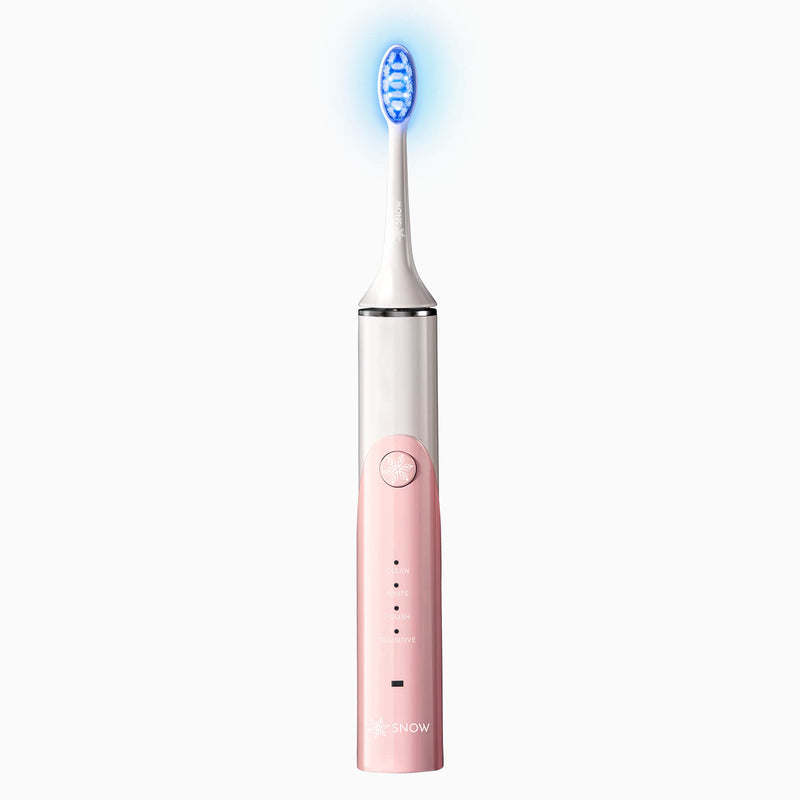
For a more complete at-home system, consider the SNOW Whitening System. SNOW offers an enamel-safe, LED-activated solution that uses lower concentrations of peroxide combined with gentle ingredients to minimize sensitivity.
Their whitening kits are designed for all-day comfort and long-term results, making them a great option for people who want noticeable results without risking damage to their enamel.
Try SNOW’s Enamel-Friendly System Today
Which Whitening Methods Damage Enamel?
While it may be tempting to try fast and cheap ways to whiten your teeth, some methods can seriously harm your enamel. Understanding which techniques to avoid is just as important as knowing the safe ones.
DIY Scrubs and Home Remedies
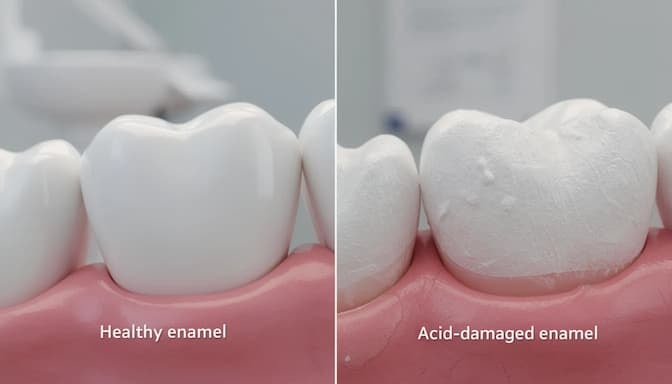
Many home-based whitening tricks seem natural or harmless but can actually cause permanent enamel erosion and worsen tooth sensitivity.
For example, baking soda is highly abrasive. While it can remove some surface stains, frequent scrubbing with it can scratch away the outer layer of your enamel, making your teeth more sensitive and vulnerable to tooth decay.
Acids found in lemon juice and apple cider vinegar (pH 2-3) actively erode the hydroxyapatite crystals that make up tooth enamel. Using these substances to whiten your teeth causes chemical wear that may never heal, especially when combined with abrasive ingredients like salt.
Activated charcoal is another popular ingredient seen online, but its gritty texture can lead to tiny scratches in your enamel. These scratches may trap more stains, making your teeth look worse over time.
Even seemingly harmless mixes like strawberries and baking soda can be harmful. The fruit's acid softens enamel while the baking soda scrubs it away. Over time, this can lead to visible tooth erosion and increased tooth sensitivity.
Overuse of Whitening Products
Even professional-grade whitening products can be dangerous when misused. Over-the-counter whitening strips and whitening gels that contain high concentrations of bleaching agents like hydrogen peroxide or carbamide peroxide may damage enamel when used too often.
Whitening strips are usually meant for short-term use. If you apply them daily or for longer than recommended, they can weaken enamel and lead to permanent sensitivity issues. The same goes for strong bleaching gel formulas.
Signs you may be overdoing it include:
-
Sharp pain while eating hot or cold foods
-
Glassy or translucent edges on your teeth
-
Lingering tooth sensitivity that doesn’t go away
If you notice any of these symptoms, stop the whitening process immediately and consult a dentist.
Using these methods without professional supervision might lead to dental restorations down the line, making your whitening goals more expensive and complicated in the long run.
Do Natural Whitening Strategies Work Safely?
If you want to gently improve the color of your natural teeth without risking enamel damage, there are safer, slower alternatives. These methods don’t deliver instant results, but they support both a whiter smile and long-term oral health.
A. Oil Pulling
Oil pulling with coconut oil is a mechanical cleaning method that may reduce plaque but does not intrinsically whiten enamel.
According to a 2025 review by Clove Dental, while the practice stimulates saliva and reduces surface bacteria, it lacks the bleaching agents (peroxides) necessary to change the natural color of the tooth.
Consequently, while it is safe and improves gum health, it should be viewed as an oral hygiene adjunct rather than a whitening treatment.
Because coconut oil is gentle, it won’t cause enamel wear or trigger sensitive teeth. It's also good for reducing plaque and supporting gum health, which are key to a healthy mouth overall. However, studies are limited on the benefits of oil pulling for teeth whitening and sensitivity.
To try it:
-
Swish 1 tablespoon of coconut oil in your mouth every morning before eating or drinking
-
Spit it into the trash (not the sink, to avoid clogs)
-
Rinse with water and follow with regular brushing
Consistency is important. You may see results after a few weeks of daily use.
B. Whitening Foods
Some natural foods can help clean your teeth while you eat. These aren’t as strong as whitening treatments, but they can help remove surface stains and prevent new ones from forming.
Crunchy fruits and vegetables like apples, celery, and carrots gently scrub your teeth as you chew. They also boost more saliva production, which helps clean the mouth and maintain a healthy pH.
Strawberries, when eaten (not rubbed), contain malic acid and enzymes that can help brighten your tooth color. Just make sure to rinse afterward to avoid acid buildup.
Dairy products like cheese, yogurt, and milk provide calcium and phosphate, which help strengthen enamel. They also raise the pH level in your mouth, making it harder for acidic foods to cause enamel erosion.
Other whitening foods include:
-
Leafy greens like spinach and kale, which protect teeth by forming a protective film
-
Nuts and seeds, which gently clean as you chew
-
Water, which rinses away pigments from red wine, tea, and coffee
Pair these with good oral hygiene habits like regular brushing and flossing to get the best long-term results. Natural approaches work best as part of a full oral health routine, especially if you're trying to whiten without damaging enamel.
Which Foods Support Enamel Health?
Keeping your teeth white and healthy starts with your plate.
Here’s how the right foods and smart eating habits can support your enamel and brighten your tooth color naturally.
Enamel-Friendly Foods That Support a Whiter Smile
Start with foods that protect your enamel and gently whiten your teeth over time:
-
Dairy products like cheese and yogurt help restore minerals to your enamel, reducing your risk of enamel damage and promoting a naturally whiter smile.
-
Leafy greens like kale and spinach are rich in calcium and other minerals that strengthen the outer layer of your teeth while helping prevent enamel erosion.
-
Green tea may stain if overused, but in moderation, its antioxidants help clean your mouth, reduce plaque, and protect gums, which all support overall health.
How to Enjoy Stain-Causing Foods Without Damaging Enamel

Some favorites can dull your tooth color. This is why being mindful of how and when you eat them is key:
-
Red wine and coffee contain deep pigments that stain. Sip with a straw, pair with food, and rinse with water afterward to help prevent stains.
-
Citrus fruits, though healthy, are acidic and soften enamel. Eat them with meals and avoid brushing immediately afterward to reduce enamel damage.
-
Berries and tomato sauce have intense colors that cling to the outer layer. Rinse after eating, and follow with regular brushing to keep your smile clear.
Simple Eating Habits to Boost Enamel and Whiten Naturally
Small changes go a long way. Here’s how to keep your teeth healthy after meals:
-
Space meals apart to give your enamel time to recover between acidic exposures and reduce wear.
-
Chew sugar-free gum after eating to increase saliva flow, which helps neutralize acid and wash away food particles.
-
Drink water throughout the day to naturally rinse stains and support saliva production, especially after consuming certain foods that darken tooth color.
How Can You Manage Sensitivity While Whitening?
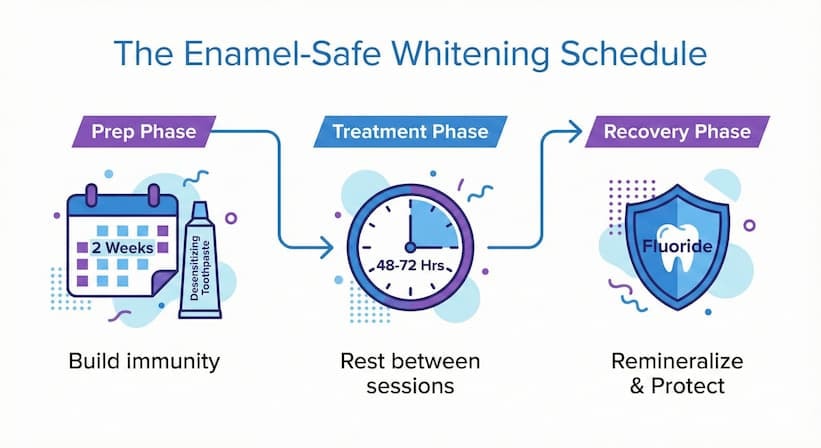
Experiencing sensitivity issues while whitening is common, but avoidable. Here’s how to whiten safely and keep your teeth comfortable.
Prepare Before Whitening to Minimize Sensitivity
Prepping your enamel before whitening can make the process easier on your teeth. Use desensitizing toothpaste with potassium nitrate for 1–2 weeks before starting any whitening methods. It helps block the nerve signals that cause pain. Brush with fluoride toothpaste to build enamel strength and reduce your chances of discomfort during or after treatment.
Try SNOW Fluoride Whitening Toothpaste. This gentle toothpaste helps strengthen enamel while removing surface stains without harsh ingredients.
Whiten Gently with SNOW Toothpaste
Space Out Treatments to Protect Enamel
Not all whitening schedules are safe. Here’s how to give your teeth time to recover:
-
Wait 48–72 hours between sessions, especially with high concentrations of peroxide. This protects your enamel and lowers the chance of sensitivity issues.
-
Watch for signs like sharp pain or see-through edges on your teeth. These could signal enamel damage and mean it’s time to pause.
Use SNOW Sensitive Whitening Strips. With low concentrations of peroxide and enamel-safe ingredients, these strips whiten slowly without causing pain.
Know When to Stop Whitening
If something feels off, trust your body. Here’s when to take a break:
-
You feel strong, with lingering discomfort during or after treatment.
-
Your teeth become extra sensitive to hot or cold foods.
-
The tooth color becomes uneven or translucent.
If these happen, pause whitening and consult a dentist for safer options.
How Do You Maintain White Teeth Long-Term?
Now that you’ve achieved a brighter smile, it’s time to protect it. These everyday habits help maintain both your whitened teeth and long-term oral health.
Stick to a Daily Oral Routine That Supports Enamel
Consistency is key. Here’s what to do every day:
-
Brush twice daily using fluoride toothpaste and a soft-bristled brush to remove stains without scratching enamel.
-
Floss regularly to get rid of plaque and food particles between teeth where stains build up.
-
Use fluoride mouthwash to strengthen enamel and rinse away leftover bacteria that cause tooth discoloration.
Use SNOW Whitening Mouthwash. This refreshing rinse combines fluoride and botanicals to fight stains, support gums, and help protect enamel.
Don’t Skip Dentist Visits
Keeping your smile bright means staying on top of checkups. Visit your dentist twice a year for cleanings and to monitor for signs of enamel damage. Also, ask about office whitening touch-ups if your tooth color starts fading over time.
Regular care prevents problems and helps your whitening last longer.
Adjust Daily Habits for Lasting Results
Protecting your whiter smile is about more than just brushing. Here’s how your habits help:
-
Avoid tobacco. It’s one of the top causes of deep tooth stains and can undo all your whitening efforts.
-
Drink dark beverages with a straw to keep staining liquids like red wine and soda away from the enamel surface.
-
Snack on protective foods like dairy products and leafy greens that nourish your teeth and reduce the effects of acidic foods.
Use SNOW’s Complete Whitening System. From LED kits to whitening pens and mouthwash, SNOW offers full-spectrum care that helps you whiten safely and maintain healthy, bright teeth.
Explore SNOW’s Full Collection
Final Thoughts
Achieving white teeth doesn’t have to come at the cost of your enamel health. The truth is, you can brighten your tooth color, lift tough stains, and enjoy a whiter smile with safe, proven methods that protect your teeth’s outer layer.
By focusing on good oral hygiene, like regular brushing, using fluoride, and remembering to floss regularly, you create a strong foundation for long-lasting results. Professional in-office treatments and at-home options like oil pulling, ADA-approved products, and enamel-safe whitening systems all play a role in supporting a healthy, glowing smile.
If you’re unsure where to start, always look for products supported by the American Dental Association, avoid anything that increases enamel wear, and be sure to remove plaque daily to prevent future discoloration.
SNOW Whitening offers a complete, enamel-safe system designed to lift stains, protect your enamel, and give you visible results without sensitivity. Whether you choose their LED kits, fluoride toothpaste, or mouthwash, it’s all crafted for healthier, brighter teeth.
FAQs
How long should I wait between whitening treatments to protect my enamel?
You should wait 48–72 hours between individual whitening sessions and 3–6 months between full treatment cycles. This gives your enamel time to remineralize and reduces the risk of enamel damage.
Is it normal for my teeth to feel sensitive after whitening, and when should I be concerned?
Yes, mild sensitivity for up to 48 hours is common after whitening. If the pain is sharp, lingers beyond two days, or worsens, stop treatment and see your dentist.
Can I use multiple whitening products together, such as whitening toothpaste and strips?
No, using multiple whitening products at once can damage your enamel and increase sensitivity. Stick to one method at a time to avoid overexposure to bleaching agents.
What should I do if I notice my enamel becoming thin or transparent after whitening?
If your enamel looks thin or your tooth edges turn glassy, stop whitening immediately. Schedule a dental visit for evaluation and enamel-strengthening options like fluoride or bonding.
Are there any medical conditions that make teeth whitening unsafe for enamel health?
Yes, conditions like gum disease, enamel defects, or acid erosion from eating disorders can make whitening unsafe. Always consult your dentist before starting treatment if you have any underlying oral health concerns.


