

Wondering which teeth whitening products for veneers actually work? While traditional methods brighten natural teeth, they are ineffective on dental veneers, especially porcelain veneers. Understanding teeth whitening approaches for different age groups can also help you choose solutions tailored to your specific smile needs.
With procedures up 250% and 8% of Americans now choosing veneers, this cosmetic trend is booming. The dental veneer market reached $2.47 billion in 2024. Veneers last 5 to 15 years, and 90% of patients report a better smile. In this article, you’ll learn which whitening treatments are safe, what products to use, and how to keep your smile bright.
Key Takeaways
-
Dental veneers are custom-made shells that enhance both the appearance and functionality of teeth, protecting against imperfections and discoloration, while safe whitening methods for natural teeth work differently on the surrounding enamel.
-
Traditional teeth-whitening products are ineffective on veneers due to their non-porous nature, necessitating alternative maintenance methods, such as gentle cleaning solutions and avoiding staining foods.
-
Regular dental check-ups, professional cleaning, and the use of non-abrasive products are essential for maintaining the brightness and longevity of veneers.
What Are Dental Veneers?
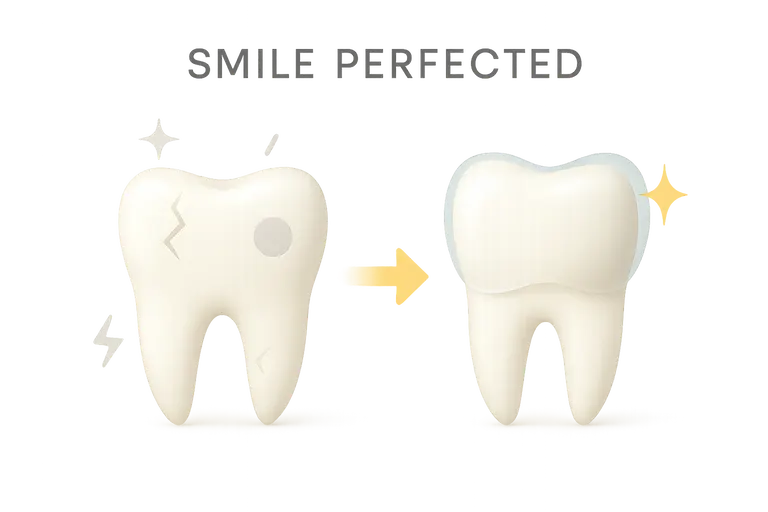
Dental veneers are thin, tooth-colored shells placed on the front of your teeth to improve appearance. They are a popular cosmetic treatment used to reshape, resize, and brighten smiles with minimal dental work.
Veneers are often chosen to correct:
-
Chips, cracks, or worn enamel
-
Gaps between teeth
-
Discoloration that does not respond to whitening
-
Uneven or misshapen teeth
There are two common types of veneers:
-
Porcelain veneers offer a natural look and are highly resistant to surface stains
-
Composite veneers are more affordable and easier to apply, though they may be slightly more prone to staining over time
Each set of veneers is custom-made to match your natural teeth, helping them blend seamlessly with your smile. They feel smooth, look realistic, and improve the overall balance of your facial features.
Many people choose veneers because they provide noticeable cosmetic improvements without extensive dental procedures. If you are curious about how veneers are applied, this guide to getting veneers explains the whole process step by step.
Learning what veneers are and how they function is the first step toward caring for them properly and keeping your smile looking its best.
Why Traditional Whitening Products Don’t Work on Veneers?
If you’re trying to brighten your smile with veneers, using standard toothpaste, whitening gels, or bleaching treatments may not produce visible results. That’s because veneers are made from non-porous materials like porcelain and composite resin. These surfaces do not absorb whitening agents as readily as natural tooth enamel does.
Most whitening products are designed to penetrate the porous structure of natural teeth. Veneers, however, act as smooth, sealed shells. As a result, whitening treatments cannot reach beneath the surface or alter the material's shade.
Here’s what science and dental experts confirm:
-
Porcelain veneers resist stains due to their dense, glass-like ceramic structure. While they can maintain color for many years, their surface does not respond to bleaching.
-
Composite veneers are more prone to developing surface stains, but studies show that bleaching agents do not effectively lighten them either. These materials absorb stains instead of releasing them during whitening.
-
Research indicates that once discoloration has settled into the composite, especially after exposure to coffee or wine, bleaching has limited impact. The layered structure creates weak points where stains lodge, making actual whitening ineffective.
Attempting to whiten veneers often leads to uneven results, especially when paired with natural teeth that respond to treatment. This contrast can result in mismatched tones across the smile.
Because veneers aren't made from the same material as natural enamel, traditional whitening treatments aren't suitable for them. The products cannot interact with the surface in a meaningful way, which is why results are minimal or nonexistent when used on veneered teeth.
What Professional Options Exist for Stained or Mismatched Veneers?
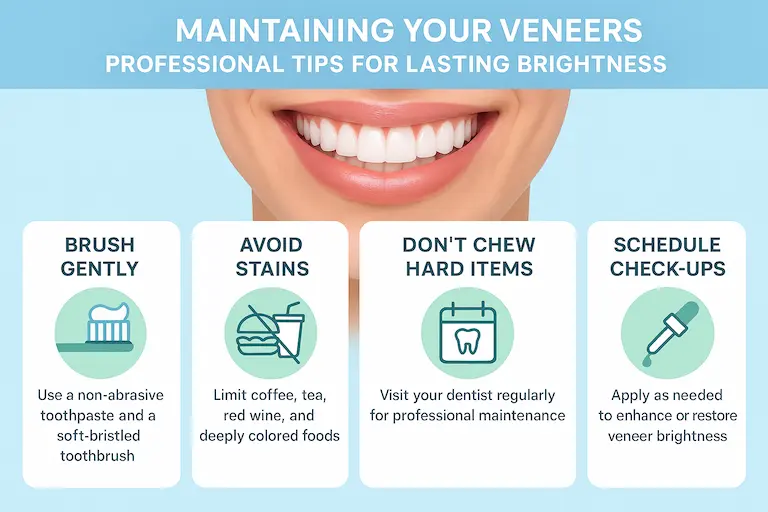
Veneers require a gentler routine than natural teeth. Since whitening gels and bleaching agents do not work on non-porous materials like porcelain and composite, at-home care focuses on preserving brightness, avoiding stains, and keeping your smile polished and healthy.
Here are some professional treatments to consider.
1. Use Non-Abrasive Toothpaste
To protect the surface of your veneers and maintain their brightness, always use a non-abrasive toothpaste. Gritty ingredients like baking soda or charcoal can dull the smooth outer layer, making veneers more prone to surface stains.
When shopping for toothpaste, choose formulas labeled safe for veneers or designed for sensitive teeth. These are made to clean gently without damaging porcelain or composite materials.
Try SNOW’s Magic Whitening Toothpaste Booster Powder, made with hydroxyapatite and xylitol to support enamel while keeping your smile polished.
2. Switch to a Soft-Bristled Toothbrush
A soft-bristled toothbrush is essential for daily brushing with veneers. Stiff bristles can scratch the surface, leaving room for stains to build up. Brushing too aggressively may also wear down the edges of veneers over time.
Use gentle pressure and small circular motions, especially near the gumline and around bonding areas. Pair with a veneer-safe toothpaste for the best results.
SNOW’s LED Whitening Electric Toothbrush is a smart option that combines sonic power and LED tech to clean thoroughly and safely.
3. Avoid Staining Foods and Drinks
Certain foods and drinks can leave stains on veneers and surrounding teeth. Common culprits include coffee, red wine, tea, soy sauce, and tomato-based products. These can cause uneven coloring over time, especially if consumed often.
To reduce the risk of stains, rinse your mouth with water after meals and drink dark liquids through a straw when possible.
4. Maintain a Consistent Oral Hygiene Routine
Routine brushing and flossing keep your veneers clean and your natural teeth healthy. Brush twice a day using a soft brush and non-abrasive toothpaste. Focus on the edges of veneers, where plaque tends to build up and cause discoloration.
Daily flossing removes food particles and bacteria from between teeth and supports healthy gums, which play a role in your smile’s overall appearance.
5. Choose Products Designed for Veneers
Veneers require careful product selection. Most whitening kits on the market are made for natural enamel and may not be suitable for composite or porcelain materials. Using the wrong formula can result in mismatched shades and damage your veneers' finish.
Instead, use color-correcting or enamel-safe solutions made for mixed smiles. SNOW’s Purple Serum brightens instantly with optical technology, while their Diamond Dissolving Whitening Strips work safely around veneers.
Try SNOW’s Veneer Safe Whitening Solutions
What Is the Best Daily Routine for Maintaining Veneers?
Keeping your veneers in top shape comes down to consistency. While they are designed to be strong and stain-resistant, their appearance can still change over time without proper care. A few simple habits can help you maintain their original look and extend their lifespan.
Below are three essential ways to protect and preserve your veneers for years to come.
Practice Thoughtful Brushing and Flossing
Maintaining the appearance of veneers starts with how you care for them each day. Brushing twice daily helps keep plaque from the surface, especially near the edges where the veneer meets your natural tooth. This helps prevent buildup that could dull their brightness or irritate the gums.
Equally important is flossing once a day. Veneers do not decay, but the surrounding teeth and gums still need to stay healthy. Flossing removes particles and bacteria between teeth, helping to support the entire smile's structure.
Choose a soft-bristled toothbrush and a non-abrasive toothpaste to protect the smooth outer layer of your veneers. Abrasive formulas or harsh brushing can cause surface wear that reduces shine.
Visit Your Dentist for Regular Checkups
Visiting your dentist every six months is essential for maintaining your veneers in excellent condition. During these visits, your dentist can monitor for signs of damage, discoloration, or plaque buildup that may not be visible at home.
Professional cleanings help preserve the shade and surface clarity of your veneers. If any staining or wear is detected, your dentist can recommend solutions before more noticeable changes develop. Early care often prevents the need for replacements or repairs.
Routine exams also help ensure that both your veneers and the surrounding natural teeth stay healthy, stable, and supported by strong gum tissue.
Stick to Products That Support Veneer Longevity
Not all oral care products are designed with veneers in mind. To maintain their condition, it’s best to avoid anything overly abrasive or whitening-focused unless specifically marked as safe for cosmetic dental work.
Products labeled as enamel-safe or designed for sensitive teeth are typically the best choice. They clean effectively without compromising the appearance of porcelain or composite materials. Consistently using suitable products protects the veneer surface and helps maintain a smooth, natural-looking smile.
What Are the Most Common Myths About Whitening Veneers?
There are many misconceptions about veneers, especially regarding whitening teeth or keeping your smile bright. Understanding the truth behind these common myths can help you make informed choices about your oral hygiene and long-term dental health.
Myth 1: You Can Whiten Veneers With Whitening Products
Many people believe that whitening products such as whitening gels, toothpaste, or whitening strips can be used to whiten veneers the same way they brighten natural teeth. In reality, this is not true.
Veneers are made from materials like porcelain or composite resin, both of which are non-porous. Unlike natural enamel, they do not absorb whitening agents such as hydrogen peroxide. As a result, standard teeth-whitening treatments will not change the color of your veneers. This applies to both composite veneers and porcelain veneers.
While some whitening strips work to lift stains from natural enamel, they are ineffective on the surface of veneers. Attempts to whiten veneers may also result in uneven color between your natural teeth and the restorations.
Myth 2: Veneers Are Only for People With Perfect Teeth
Another common belief is that veneers are meant only to enhance already-perfect smiles. In fact, veneers were developed to correct a wide range of cosmetic issues, including chips, gaps, discoloration, or misshapen teeth.
Because veneers are thin shells that cover the front of the teeth, they can mask surface stains, create a uniform smile, and correct irregularities without the need for braces or more invasive procedures. They are a highly adaptable cosmetic solution for people with a variety of concerns.
Myth 3: Veneers Are Fragile and Break Easily
Many patients worry that veneers are too delicate for everyday use. The truth is that porcelain veneers are specifically designed to be stain-resistant and durable under regular use. When appropriately bonded and maintained with good oral hygiene, they can last for years without cracking or chipping.
Regular habits like brushing, using non-abrasive toothpaste, and avoiding baking soda help preserve their polished finish. Veneers can handle everyday tasks like chewing and speaking with ease, and they rarely break when correctly cared for.
If surface stains or discoloration appear over time, a professional cleaning or polishing can often remove surface stains effectively. In some cases, your dentist may recommend professional treatments to maintain your appearance.
Myth 4: The Veneer Process Is Painful and Invasive
Many assume that getting veneers is an intense and painful experience. However, the process is typically smooth and requires minimal preparation. A thin layer of enamel may be removed, but this step is painless and allows the veneers to sit flush with the rest of the tooth surface.
Most patients report little to no discomfort during or after the procedure. In fact, with proper placement and care, veneers feel natural and blend seamlessly with the rest of your teeth.
Ongoing maintenance involves regular brushing, non-abrasive toothpaste, and regular dental checkups to keep both your veneers and natural teeth in good condition.
Understanding the realities behind these myths helps you care for your veneers with confidence. With the proper oral hygiene habits and support from your dentist, you can maintain a clean, balanced, and brighter smile for years to come.
Final Thoughts
Caring for veneers isn’t complicated, but it does require the proper habits. Because veneers differ from natural teeth, maintaining their brightness requires a selective approach to your oral care routine. Daily use of non-abrasive toothpaste, a soft-bristled brush, and wise food choices can go a long way in preserving their smooth surface and consistent color.
In addition to regular dental checkups, occasional professional cleaning helps keep your veneers polished and natural-looking over time.
For those looking to support their smile with science-backed products for both natural teeth and cosmetic dental work, SNOW offers gentle, enamel-safe solutions that fit into any routine.
Explore SNOW’s Veneer-Friendly Oral Care Line
Frequently Asked Questions
Still have questions about caring for veneers? Here are quick answers to the most common concerns, from whitening options to daily maintenance.
Can traditional teeth whitening products be used on veneers?
Traditional teeth-whitening products cannot be used on veneers, as they are non-porous and do not absorb whitening agents. It's best to consult a dental professional for appropriate whitening options for your veneers.
What type of toothpaste should I use for my veneers?
For your veneers, choose a non-abrasive toothpaste that is specifically labeled as safe for veneers or designed for sensitive teeth. This will help preserve the integrity and appearance of your dental work.
How often should I visit the dentist to maintain my veneers?
To maintain your veneers, it is recommended to visit the dentist at least twice a year for regular check-ups. This helps ensure both their health and appearance.
Can veneers be replaced if they become damaged or discolored?
Yes, veneers can be replaced if they become damaged or discolored beyond cleaning. It’s essential to consult your dentist to assess the situation and determine the best course of action.
Are veneers only for cosmetic purposes?
Veneers are not solely for cosmetic purposes; they also address minor dental imperfections while enhancing the overall appearance of your smile. Thus, they provide both aesthetic and functional benefits.


