

A bright smile can get complicated when crowns, veneers, or bonding enter the picture. The short answer is clear. Purple strips can brighten natural teeth. They cannot change the shade of dental work.
At SNOW, we want to set clear goals before you start. This guide explains what may change and what will stay the same. It also shows when a dentist should step in.
Key Takeaways
-
Purple whitening strips do not change the shade of crowns, veneers, fillings, or dental bonding.
-
Violet pigments can hide some yellow tones on natural teeth for a short time.
-
Natural teeth may look brighter while nearby dental work keeps its original shade.
-
That contrast can make an old or off-shade restoration stand out more.
-
A dentist can assess stains, rough edges, damage, or a lasting shade mismatch.
The Quick Answer for Crowns, Veneers, and Bonding
Purple whitening strips work on the look of natural teeth. They do not recolor dental work. That includes crowns, veneers, composite fillings, and bonded areas.
The American Dental Association states that only natural teeth can whiten. Tooth-colored restorations keep their set shade. This rule applies to standard whitening and to the cosmetic effect of purple products.
Purple pigment sits on the surface and offsets yellow tones. Think of it as a quick filter for your smile. Natural teeth can look brighter. A restoration will keep its set color.
A 2024 randomized study tested one use of a violet serum. It found temporary shade changes on natural teeth. It did not test strips on dental work. The results support color correction, not a change to restorations.
How Purple Color Correction Differs From Whitening
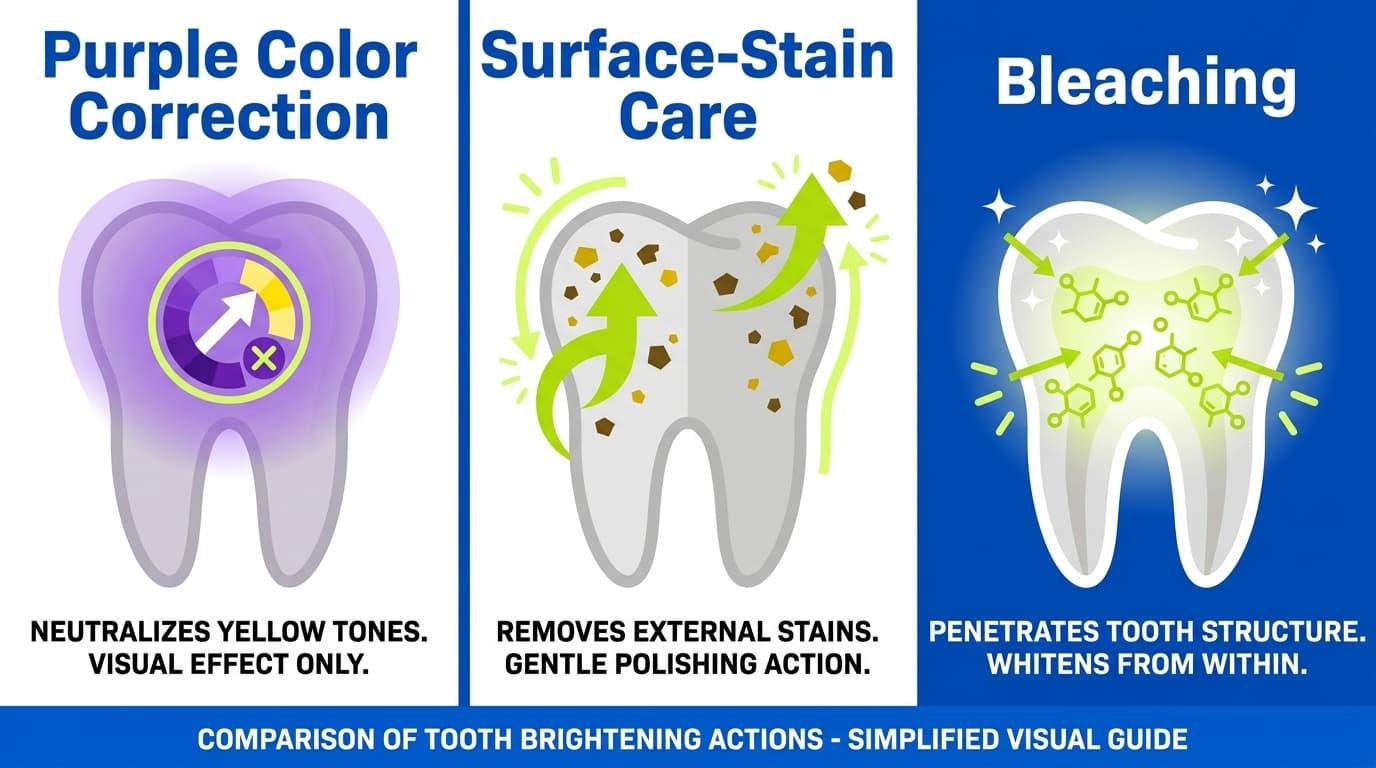
The word “whitening” can describe more than one cosmetic effect. That can make product labels hard to read. Purple color correction, surface-stain care, and bleaching do different jobs. Knowing the difference helps you judge a result fairly.
Purple Color Correction
Purple and yellow sit across from one another on the color wheel. Violet pigment can cover some yellow tones when it rests on a tooth. The tooth may look brighter right away. This is an optical effect, so it can fade after the pigment wears away.
Color correction works best when yellow tones are the main concern. It cannot change the material under the pigment. It cannot erase a deep mark or repair dental work. It also cannot reset a crown’s shade.
Surface-Stain Care
Coffee, tea, wine, tobacco, and dark foods can leave marks on natural teeth. Some strip formulas include ingredients made to lift surface stains. This is different from hiding yellow tones with purple pigment. It also depends on the full formula, not the purple color alone.
Dental work can collect marks on its surface too. Yet an at-home strip is not a polishing tool for a crown or veneer. A dentist can tell if a mark sits on the surface or signals another issue.
Bleaching
Bleaching changes color within natural teeth. The ADA explains that hydrogen peroxide and carbamide peroxide are common bleaching agents. These agents can move through dental hard tissue. Tooth-colored restorations do not respond in the same way.
This difference matters even when a purple product has more than one action. A formula may offer quick color correction and surface-stain care. The crown, veneer, filling, or bonded area will still keep its set shade.
What Purple Strips Can Change in a Mixed Smile
A mixed smile has natural teeth and dental work in one visible area. A strip may cross both surfaces. The result will not be the same. This table sets clear limits.
Shade balance matters across the visible smile.
|
Smile Area |
What May Look Different |
What Stays the Same |
|---|---|---|
|
Natural teeth |
Yellow tones may look less visible |
The effect is cosmetic and may fade |
|
Crowns |
Nearby natural teeth may look brighter |
The crown keeps its set shade |
|
Veneers |
Natural teeth around them may look brighter |
Porcelain or composite keeps its shade |
|
Bonded teeth |
Nearby enamel may look brighter |
Bonding keeps its set color |
|
Tooth-colored fillings |
Natural enamel may look brighter |
The filling does not whiten |
Why Dental Restorations Hold Their Shade
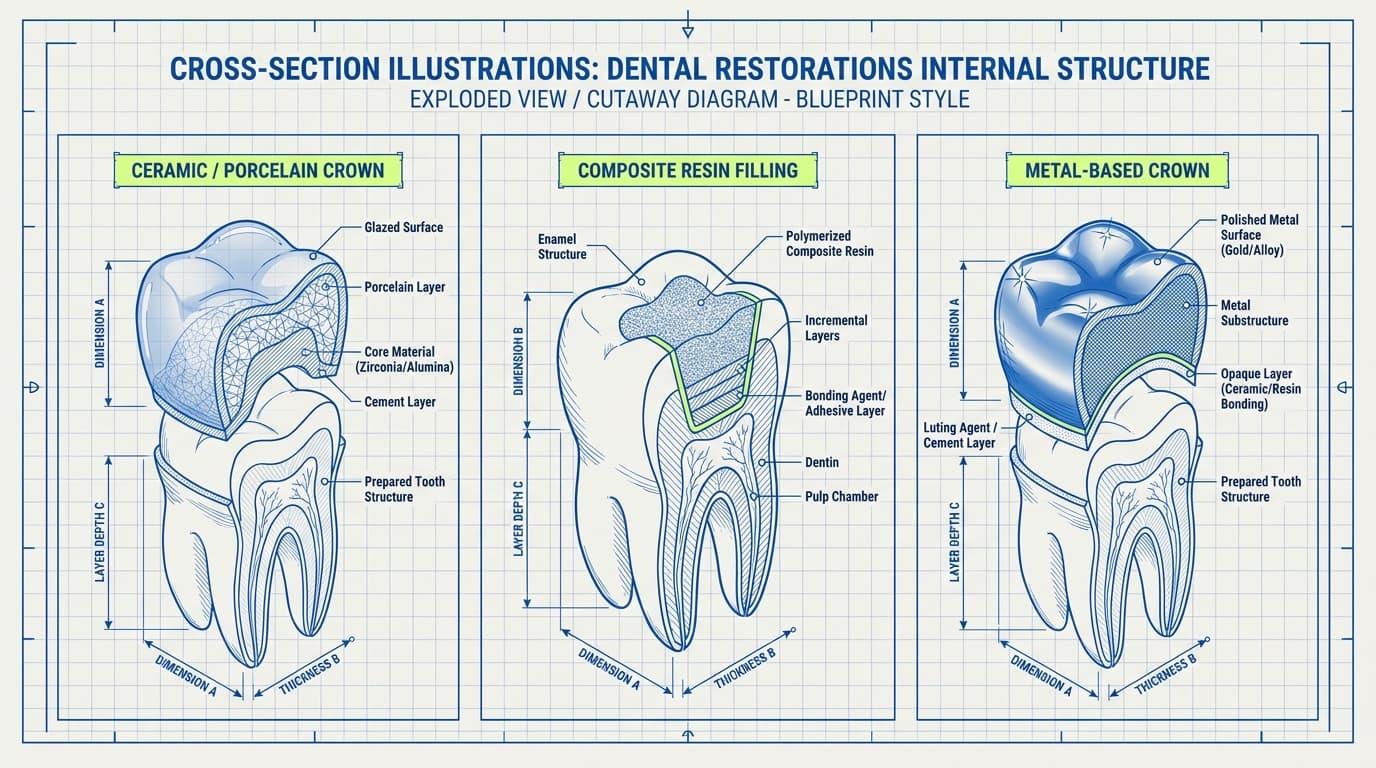
Natural teeth and dental restorations are built in different ways. A natural tooth has enamel over dentin. A restoration uses a material chosen and shaped by a dentist or dental lab. Its color is selected before or during placement.
That chosen shade is meant to stay stable. A whitening strip cannot make the material lighter. The strip may rest on the surface. The restoration will not change with nearby enamel.
Ceramic and Porcelain
Many crowns and veneers use ceramic or porcelain. Porcelain veneers are non porous and stain-resistant, so these materials can look glossy and natural and keep their shade unlike natural teeth, even with staining foods or consuming staining foods. Purple pigment may touch the surface.
It does not whiten veneers or change internal discoloration because porcelain veneers are chemically stable and do not respond to whitening.
A crown may look dull due to buildup or surface marks. Nearby teeth can also change how it looks. A veneer may show a dark edge near the gumline. Those issues need a dental check.
More strip time will not solve them.
Composite Resin
Bonding, tooth-colored fillings, and some veneers use composite resin. This material can collect surface marks as it ages. It may also lose some shine. Purple strips still cannot bleach it to a new shade.
A dentist may polish some light surface marks. Polishing removes or smooths material at the surface. It does not make the composite lighter. A deep color change may call for new bonding.
Metal-Based Crowns
Some crowns have metal under an outer tooth-colored layer. The visible part may be porcelain or another ceramic. A dark line can appear near the gum as the area changes over time. Purple strips cannot hide or change that metal edge.
This kind of line is not the same as a yellow tone on natural enamel. It also is not a surface stain that a strip can lift. A dentist must look at the crown and the gumline to explain the cause.
Do Purple Whitening Strips Work on Crowns?
No. A purple strip cannot change the set shade of a crown. This applies to common crown materials, including ceramic and porcelain. The whitening agents cannot penetrate dental crowns because they are non-porous and do not absorb bleaching agents.
The natural teeth beside the crown may look brighter. The crown will stay the same. If the shades matched before, the change may look small. If the crown was already darker, the contrast may be easier to see. That difference happens because traditional whitening treatments affect surrounding natural teeth, not the restoration itself.
The crown’s location makes a big difference. A back crown may not show when you speak or smile. A crown on a front tooth sits in direct view. Even a small shade gap can stand out there, mainly in daylight or flash photos, which can change the overall appearance.
Age can matter too. Natural teeth may change color over the years. The crown keeps its chosen shade. Many last about 10 to 15 years with proper care, so an older one may no longer match as nearby teeth shift over time. A crown that once blended well can start to look different.
Learn more about whitening crowns and veneers before working around visible dental work. A dentist can check a dull crown. It may need cleaning, professional polishing, repair, or replacement. Extra strip time will not change its shade.
Use a simple goal before applying a strip near a crown. Aim to refresh the natural teeth, not to make the crown lighter. If the crown already looks off, deal with that concern first. Common causes include surface stains, wear over time, and lifestyle habits that affect color. Brightening the rest of the smile may make the gap more clear.
Do Purple Whitening Strips Work on Veneers?
No. Purple strips do not alter the shade of porcelain or composite veneers. The veneer was matched to a chosen color at veneer placement.
Porcelain tends to hold its color well. Unlike natural teeth, standard whitening products do not whiten veneers or change bonding materials at the margins. Composite may collect surface stains as it ages. Even then, an at-home strip does not reset the material to a new shade. A dentist may be able to polish some surface marks after checking the veneer.
The main concern is contrast. Nearby whitening treatments may brighten surrounding natural teeth while the veneers stay the same color. Front veneers can make this difference easy to notice in photos or bright light.
The number of veneers also shapes the result. A full row of veneers may control most of the visible smile color. One or two veneers leave more natural teeth around them. That mix creates more room for a visible shade gap.
Check where your veneers end before you use a strip. Look at nearby teeth and the gumline. A dark edge, rough spot, or new color change needs a dentist. Purple pigment may hide yellow on enamel.
It cannot explain a change in a veneer.
A good match can still look polished after a quick boost. The key is a small starting gap. Well-matched veneers can help the full smile look even.
Do Purple Whitening Strips Work on Bonded Teeth?
No. Dental bonding uses tooth-colored composite resin. Purple strips do not bleach the resin or move it to a lighter shade.
Bonding can collect marks from coffee, tea, wine, or tobacco. Those marks may sit on the surface. A dentist can decide if polishing could improve the look. Deep color change, chips, or rough edges may call for repair or new bonding.
The same limit applies to whitening strips on bonded teeth. The natural enamel can look brighter while the bonded part stays fixed. That split result is why a shade check matters before you start.
Bonding often covers only part of a tooth. That makes it different from a full crown. The enamel may look brighter. The bonded corner will stay the same.
A line between them may become easier to spot.
Look at bonding from more than one angle. Bathroom light can hide small shade gaps. Daylight and phone flash can reveal them. A quick photo before use gives you a fair point of comparison.
Do not scrub, scrape, or polish bonding at home. Composite can lose its smooth finish. A dentist can check the surface and suggest the next step.
Do Purple Whitening Strips Work on Fillings?
Purple strips do not change the shade of tooth-colored fillings. Composite fillings are matched to the tooth when they are placed. They keep that color while nearby natural enamel may look brighter.
A filling on a back tooth may stay out of view. A front filling is easier to notice. Size matters as well. A large filling creates a wider block of fixed color.
Old fillings may collect marks at the edges. A dark line can also have more than one cause. Do not assume it is a simple stain. A dentist can check the filling and the tooth under it.
A well-matched filling may still blend after a small optical change. A darker filling has more risk. It may stand out after the natural tooth looks brighter.
Why Dental Work Can Look Darker After Whitening
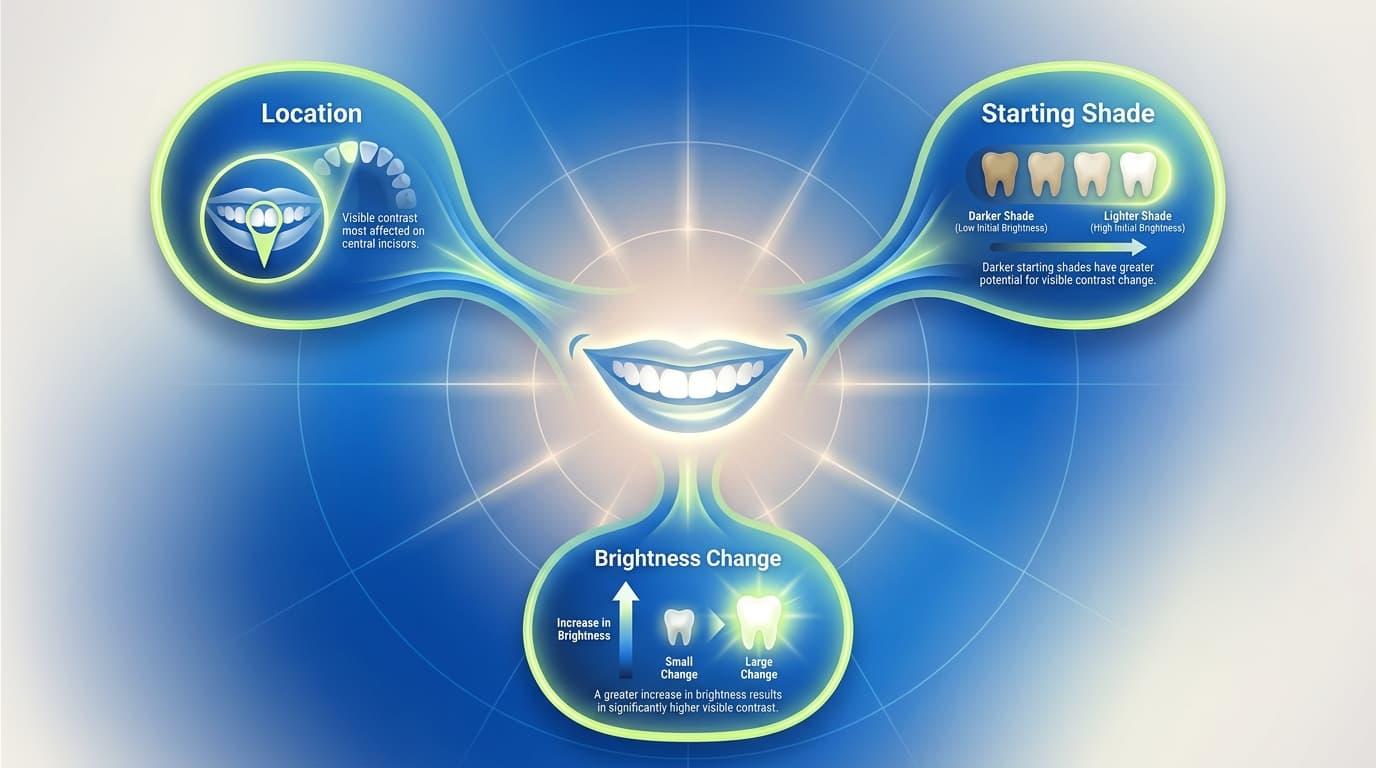
The crown, veneer, or bonding does not turn darker. It only looks darker beside brighter natural teeth. Your eye notices the new contrast.
The size of that contrast depends on three details. Check them before you whiten.
-
Location: Front dental work is easier to see than work on a back tooth.
-
Starting shade: An old or darker restoration has less room for a seamless match.
-
Brightness change: A greater change in natural teeth can reveal a larger shade gap.
A simple phone photo can help. Take one in daylight before you use the strips. Take another photo in the same place after use. Compare the natural teeth and the dental work, not just the smile as a whole.
Four Color Problems That Look Similar
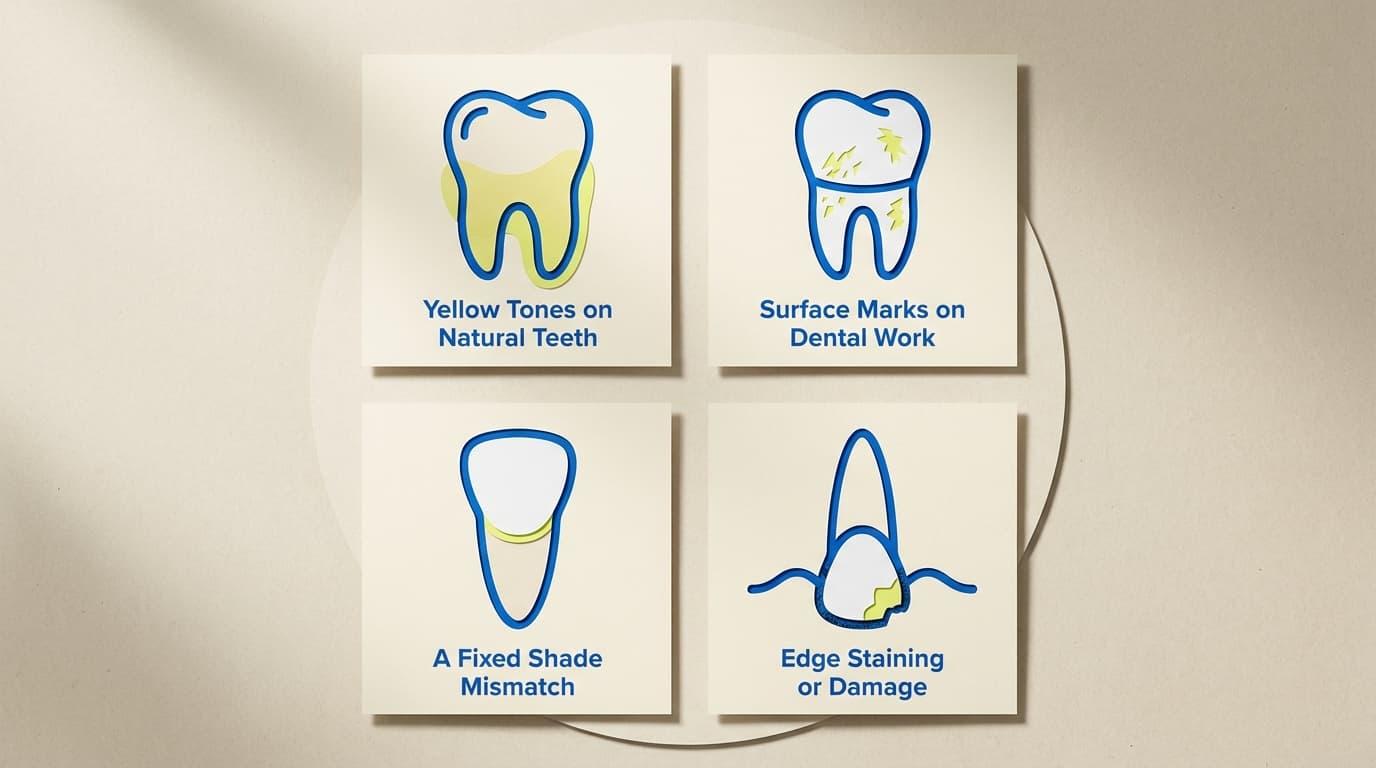
A dark spot does not always mean the same thing. Before you reach for a strip, work out what kind of change you can see. This keeps a cosmetic concern from turning into guesswork.
1. Yellow Tones on Natural Teeth
Natural teeth can look warmer after coffee, tea, wine, or normal aging. Purple pigment may make some of that yellow look less clear. This is the main job of color correction.
2. Surface Marks on Dental Work
A crown, veneer, or bonded area may collect a film or light surface mark. After a dentist checks the material and cause, professional polishing may help remove minor surface stains on some crowns or veneers. An at-home strip cannot tell if that option is right for the material.
3. A Fixed Shade Mismatch
A restoration may simply have a different base shade. It may have been placed years ago. Your natural teeth may have changed since then. Purple strips cannot bring two fixed colors into line. In cases like this, crown replacement is usually the only way to permanently change the color of a crown or veneer.
4. Edge Staining or Damage
A dark edge needs more care than a broad yellow tone, and common causes include edge staining, wear, or gum recession, which can expose margins and change the restoration’s appearance. It may sit where the restoration meets the tooth. A chip, gap, rough edge, or loose feeling makes a dental visit more important.
Can You Use SNOW Purple Strips With Dental Work?
Dental work does not always rule out purple strips. The key is to set the right goal. You are brightening the look of natural teeth, not changing the restoration.
Our dissolving purple strips pair violet color correction with hydroxyapatite and P3 Technology. They offer fast optical brightness and easy wear. There is no strip to peel off at the end. The product page shows a 4.8 rating from over 600 reviews as of August 2026.
Get SNOW Purple Whitening Strips
Ask a dentist before use if your dental work is new or loose. The same applies if it feels cracked, sore, or rough. Talk to a dentist if the nearby gum feels irritated. A strip cannot assess or fix those issues.
When SNOW Purple Strips Are a Good Match
SNOW Purple Strips fit a simple cosmetic goal. You want natural teeth to look less yellow before a photo, event, date, or meeting. Your visible dental work already matches well. You also want a strip that dissolves during wear.
They can also suit dental work outside the main smile line. The visible effect then stays on natural front teeth. A starting photo can confirm the match.
When Another Option Makes More Sense
Choose a dental visit first when the restoration is the problem. Signs include a dark crown or dull veneer. Chipped bonding, a rough filling, or a stained edge also count. A strip cannot change those parts.
See a dentist first when you want a lasting shade change. Natural teeth and dental work may need different cosmetic steps. A clear plan can prevent more contrast.
How to Use Purple Strips When You Have Dental Work
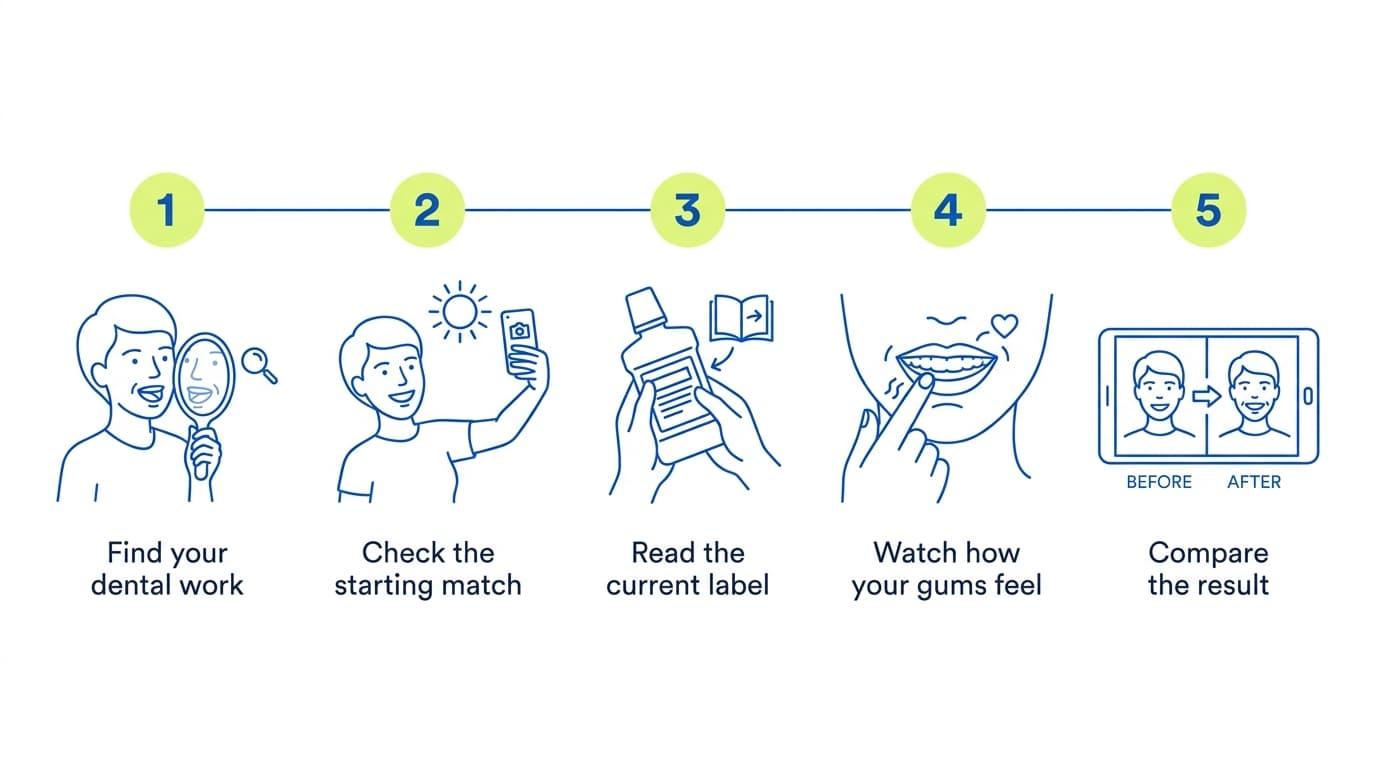
A quick check can prevent an unwelcome shade surprise. Follow these steps before an event, photo, or night out.
-
Find your dental work. Look at the teeth that show when you smile. Note any crowns, veneers, bonding, or tooth-colored fillings.
-
Check the starting match. Take a clear photo in daylight. Look for dental work that already seems darker, duller, or more yellow than nearby teeth.
-
Read the current label. Use the product only as directed. Do not add wear time to force a stronger result.
-
Watch how your gums feel. Stop if you notice pain, burning, or ongoing discomfort. Contact a dentist if the feeling does not settle, especially to protect gum health around crowns or veneers.
-
Compare the result. Check your natural teeth and dental work in the same light. A new contrast means the restoration did not change with the rest of the smile.
Plan the Timing Before an Event
A last-minute smile boost should still leave room for a check. Do not try it an hour before an important photo. Test the product early. See how the natural teeth and dental work look together.
Run a Test Before the Big Day
Use the strips on a normal day and follow the pack. Check the result in daylight, indoor light, and a phone photo. This test shows if a crown, veneer, filling, or bonded area starts to stand out.
A test gives you time to speak with a dentist. You can address a shade gap before the event.
Keep the Lighting Consistent
A smile can look different under warm restaurant lights, bright office lights, and flash. Compare before and after photos in the same place. That makes the change easier to judge.
Planning Whitening Before New Dental Work
New crowns, veneers, bonding, and fillings are matched to a chosen shade. That makes timing important. If you want brighter natural teeth, discuss professional whitening or professional bleaching before veneer placement or crown work so the new restoration can be matched to the planned shade.
A dentist can help plan the order. Natural teeth may be brightened first, but professional whitening is supervised for patients with porcelain veneers and does not change the veneer material itself. The shade can then settle before the dentist chooses the final restoration color. This approach gives the lab or dentist a clearer target, and professional bleaching only affects natural enamel rather than crowns, which do not have enamel.
Why the Order Matters
A finished crown or veneer cannot be lightened later with a strip. A cosmetic dentist can help patients plan the right order if they want whitening before veneers or crowns. If you whiten after placement, the natural teeth may move away from the chosen shade. That can turn a good match into a visible gap.
Allow Time for a Final Shade Check
Color can look different right after a whitening step. Your dentist may want to wait before making the final match. Follow the timing they give you. Do not rush the shade choice around an event date.
Bring a Clear Goal to the Visit
Tell the dentist how bright you want the natural teeth to look. Share photos taken in neutral light. Mention any strips or other cosmetic products you use. These details help the dentist plan a shade that fits the whole smile.
When a Dentist Is the Better Next Step
Purple strips have a clear cosmetic role. Even with regular dental care, crowns and veneers can keep their appearance longer, but their set shade cannot be changed at home if a mismatch develops. They are not the answer for damaged or mismatched dental work. Book a dental visit when you notice one of these signs.
-
A crown, veneer, or bonded area looks much darker than nearby teeth.
-
A restoration has a chip, crack, rough edge, or loose feeling.
-
Staining sits around the edge of a crown, veneer, or filling.
-
Your gum feels sore or irritated near the dental work.
-
You want a lasting shade change across natural and restored teeth.
-
You plan to get new cosmetic dental work and want a better shade match.
If new dental work is in your plan, ask about the order. A dentist may brighten natural teeth first. The final restoration can then match that shade. The right order can make matching easier.
What to Share at the Dental Visit
Bring the before and after photos from your shade check. Tell the dentist when you noticed the mismatch. Point out the products used and how long the change lasted. This gives the dentist a clear view of the cosmetic goal.
Also mention the age of the crown, veneer, filling, or bonding if you know it. Share any new roughness, soreness, or loose feeling. These details help explain the discoloration, and the dentist may also consider the restoration’s age, material, and lifestyle habits when assessing the mismatch. They can also flag dental work that needs a closer look.
A Brighter Smile Starts With the Right Expectation
Purple whitening strips on crowns, veneers, and bonded teeth have one firm limit. Realistic expectations help protect a radiant smile, since strips may brighten nearby natural teeth but cannot recolor dental work. Check your starting shade and follow the label.
Speak with a dentist if the match looks off.
For a quick cosmetic lift, SNOW Purple Strips make the routine simple. The dissolving format fits easily before photos, plans, or an event. Your natural smile gets the spotlight without a messy strip to remove.
Brighten Your Natural Smile With SNOW
FAQs About Purple Strips and Dental Work
These quick answers cover the questions that matter after the main shade check.
Can Purple Whitening Strips Damage Crowns?
Do not use a strip to fix or test damaged dental work. Ask a dentist first if a crown feels loose, cracked, rough, or sore. Follow the label and stop if you feel pain or burning. The crown will keep its shade while nearby natural teeth may look brighter.
Can Bonded Teeth Turn Yellow?
Bonding can look yellow or dull as surface marks build up. The composite may also age in a different way from nearby enamel. Purple strips will not recolor the bonding. A dentist can check whether cleaning, polishing, repair, or replacement is the best cosmetic option.
Can a Dentist Whiten a Crown or Veneer?
Unlike professional whitening, which works on natural tooth enamel, whitening does not change the set color of a crown or veneer. A dentist may recommend cleaning or professional polishing for minor surface marks after an exam, but a permanent shade change usually means replacement. The restoration may still look darker than nearby teeth. Replacement can provide a new shade when other options fall short.
Should You Whiten Before Getting Veneers or Bonding?
Often, yes, if a brighter natural shade is part of your plan. The dentist can then match new veneers or bonding to that shade. Timing matters because natural teeth may shift again after whitening. Ask your dentist to plan the order and shade check for your smile.
Do Purple Strips Create Permanent Whitening?
Violet color correction creates a cosmetic effect that can fade. Some purple products also target surface stains. Formulas do not all work the same way. Read the current label and product page. No purple strip can make dental work lighter.


