
Wetting your toothbrush before brushing does not clinically impact plaque removal or cavity prevention. However, how you rinse after brushing is critical.
Research indicates that while pre-wetting is a matter of preference, rinsing with water immediately after brushing removes up to 92% of the fluoride, significantly reducing enamel protection.
The reality is simpler. Research and clinical guidance consistently show that brushing technique, toothpaste choice, and how much water you use afterward matter far more than whether the toothbrush is wet.
This guide examines the science of toothpaste dilution, fluoride retention rates, and the 'Spit, Don't Rinse' protocol recommended by the NHS and Oral Health Foundation.
Key Takeaways
-
There’s no strong clinical evidence that wetting or not wetting your toothbrush changes cavity risk or plaque removal when brushing is otherwise done correctly.
-
Neither the American Dental Association nor the NHS mandate pre-wetting; instead, both organizations prioritize the 2x2 rule (brushing for 2 minutes, twice daily) using fluoride toothpaste
-
Using lots of water after brushing clearly reduces fluoride protection, while a small splash before brushing only slightly dilutes the paste and is unlikely to matter much.
-
A practical rule of thumb: use a pea-sized amount of fluoride toothpaste, brush for two minutes, spit, and don’t rinse (or rinse with very little water), regardless of whether you wet the brush.
-
People with sensitive gums may prefer pre-wetting for comfort, while those focused on maximum fluoride may prefer a dry toothbrush plus minimal post-brush rinsing.
Does It Really Matter If You Wet Your Toothbrush? (Quick Answer)
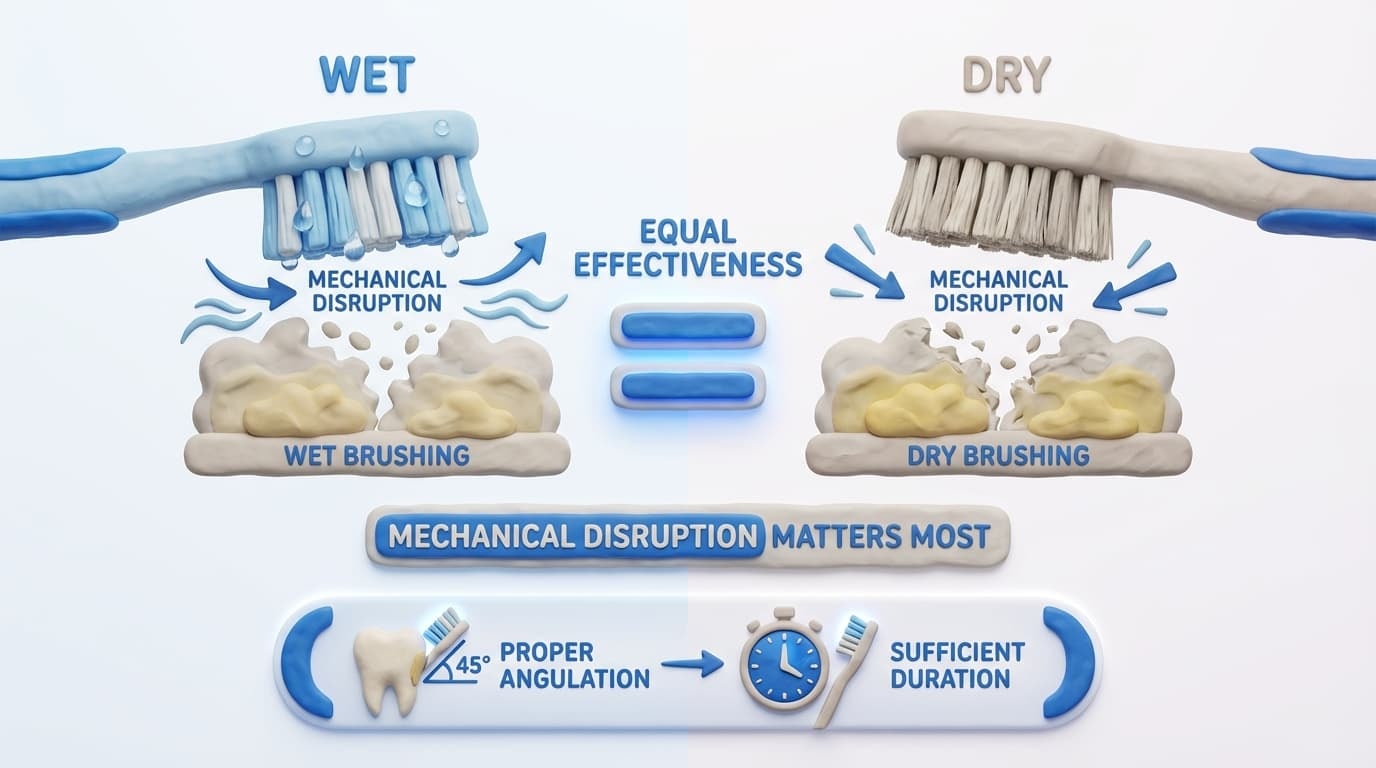
Wetting a toothbrush before application has no meaningful impact on clinical dental outcomes such as caries prevalence or gingival health. The primary factor determining efficacy is the mechanical disruption of plaque biofilms through proper angulation and duration, not the initial moisture level of the bristles.
What matters far more is how you brush your teeth properly. A consistent brushing routine, using fluoride toothpaste, brushing gently for two minutes, and not rinsing away the remaining toothpaste too quickly all play a much bigger role. Whether you wet your toothbrush before putting toothpaste on it is mostly about comfort and habit, not results.
If wetting your toothbrush helps brushing feel easier, that is fine. If you prefer it dry, that works too. Focus on what actually protects your teeth long term.
What Happens When You Wet Your Toothbrush? (Comfort vs Dilution)
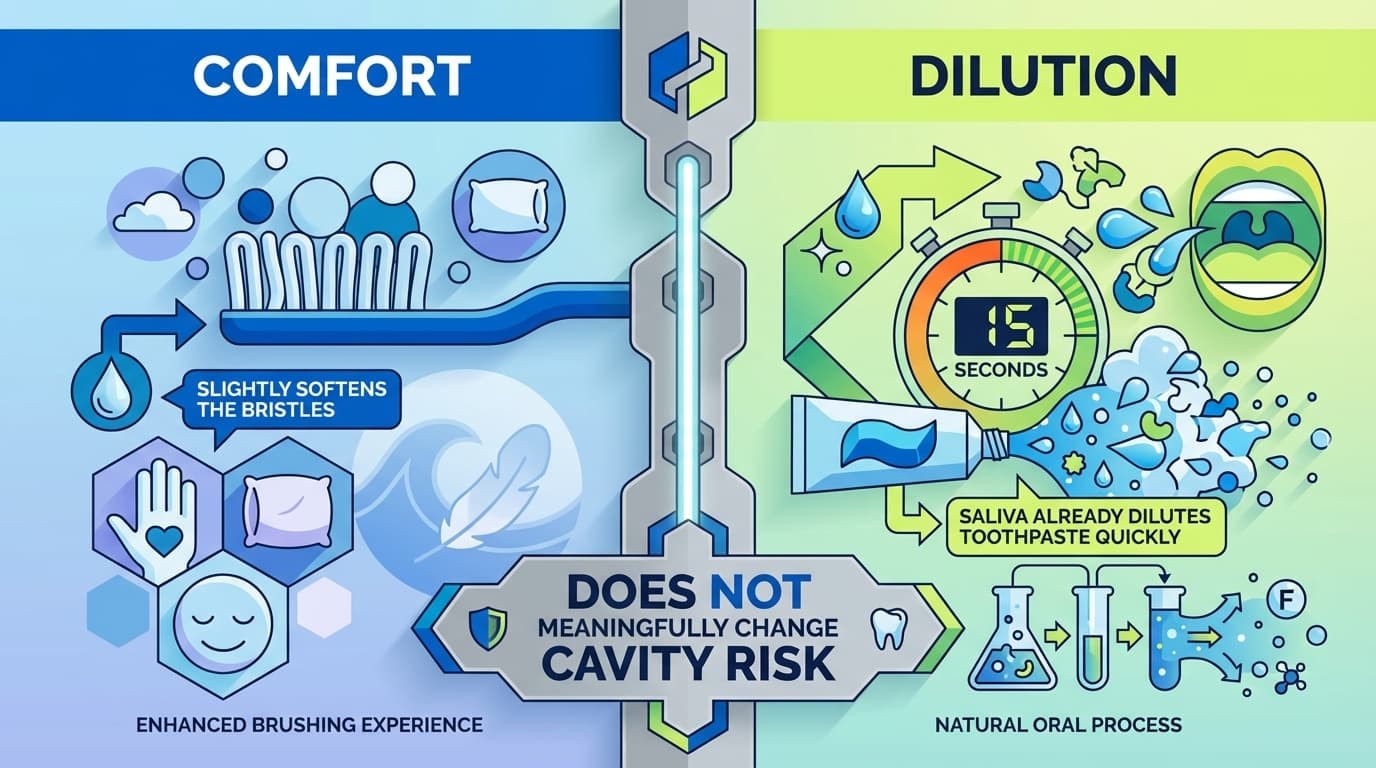
Wetting your toothbrush changes how it feels to brush, not how well it works. The effects are subtle, but understanding them helps you build a brushing routine that supports long-term dental health without overthinking small details.
Comfort and Bristle Feel
A wet toothbrush slightly softens the bristles, which can make toothbrushing feel gentler, especially if your gums are sensitive or inflamed. This is true for both manual and electric toothbrushes. When brushing feels more comfortable, people are more likely to brush teeth properly for the full two minutes, which matters far more for healthy teeth than whether the brush was wet.
Dilution and Toothpaste Mixing
When you wet your toothbrush, add a small amount of water before applying toothpaste. This slightly thins the paste once brushing teeth begins. In practice, saliva already dilutes toothpaste quickly, so the difference is minor. The remaining toothpaste still spreads across the teeth within seconds, even without added water.
What This Means for Dental Health
So, where does this leave your real-life brushing routine?
-
Pre-wetting does not meaningfully change cavity risk or gum disease outcomes
-
It does not replace good technique, timing, or fluoride exposure
-
It does not affect whether you should use fluoride mouthwash later
The takeaway is simple. Wet your toothbrush if it helps you brush comfortably and consistently. Skip it if you prefer a drier feel. Either way, brushing teeth gently with soft bristles and maintaining a solid routine are what protect dental health over time.
Is Brushing with a Dry Toothbrush Better for Fluoride?
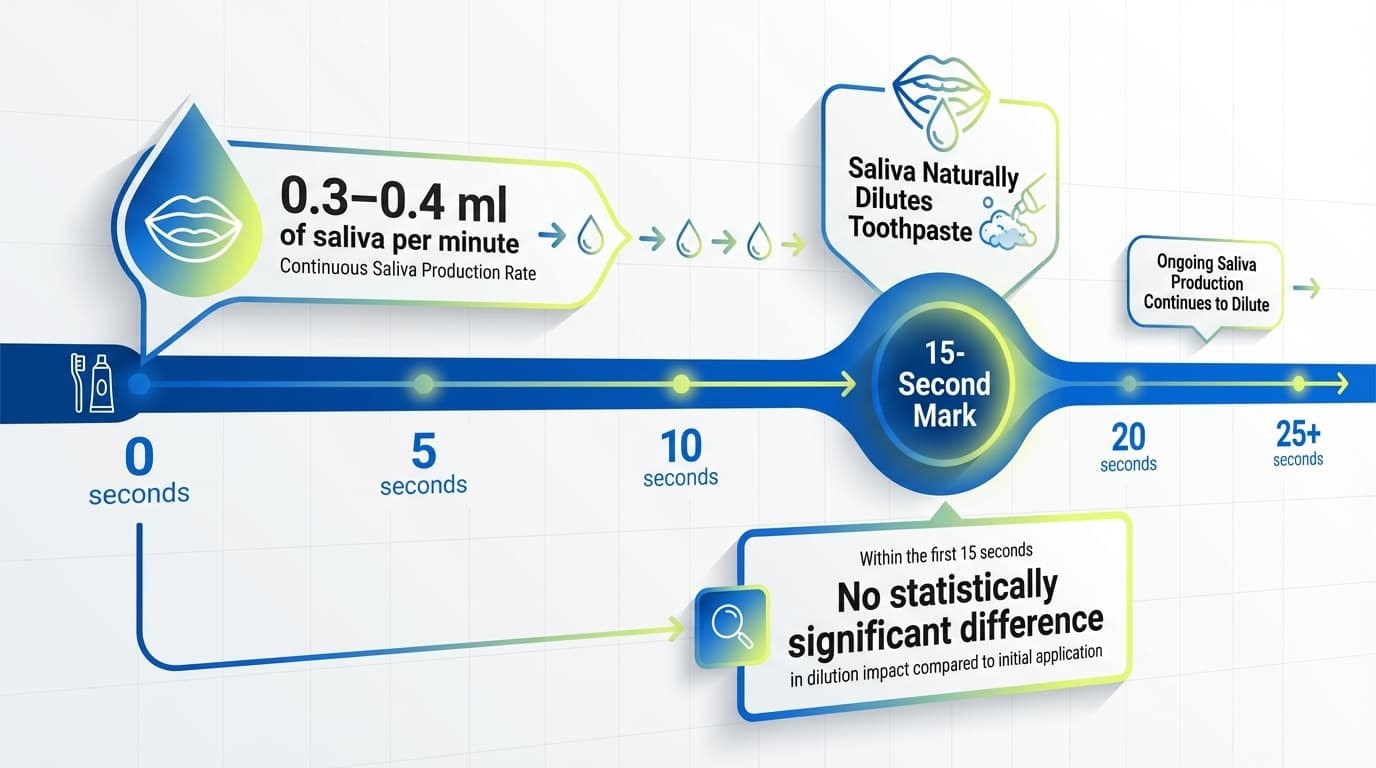
Advocates of dry brushing argue that minimizing water prevents premature toothpaste dilution. However, the average adult produces 0.3–0.4 ml of saliva per minute upon stimulation, which mixes with toothpaste almost instantly.
Because saliva naturally dilutes the paste within the first 15 seconds of brushing, clinical studies show no statistically significant difference in fluoride concentration on enamel between starting with a wet or dry brush.
The argument for dry brushing is simple. Less water at the start means the toothpaste begins thicker, so fluoride feels more concentrated at first contact.
Some dentists also note that toothpaste is already pre-moistened, and adding water mainly creates foam. When brushing feels foamy too quickly, people sometimes stop before fully cleaning their teeth.
In reality, saliva mixes with toothpaste almost immediately once brushing begins. That natural dilution happens whether the brush starts wet or dry. Because of this, studies have not shown a clear fluoride or cavity-prevention advantage to dry brushing.
A few practical points matter more than the wet versus dry debate:
-
Dry bristles can feel uncomfortable for people with sensitive gums or recession
-
Comfort affects whether you brush gently and long enough
-
Research has found no meaningful difference in plaque removal between wet and dry brushing
At SNOW, this is something we see often. People want to do things “right,” but small technique details rarely matter as much as consistency, comfort, and brushing with intention. If a dry brush feels fine to you, use it. If a quick splash helps you brush calmly and thoroughly, that matters more.
Two full minutes, soft bristles, gentle pressure, and good habits over time are what truly protect your teeth.
Why Post-Brushing Water Matters More Than Pre-Wetting
This is where clarity really helps. If you have ever felt unsure about small brushing habits, this part matters because the evidence is much stronger here than in the wet-versus-dry toothbrush debate.
Decades of research show that what you do after brushing has a far bigger impact on your teeth than whether you started with a wet toothbrush. Specifically, it comes down to how much water you use once you finish brushing.
What the Research Shows
Studies from the 1990s through 2024 consistently point to the same pattern:
-
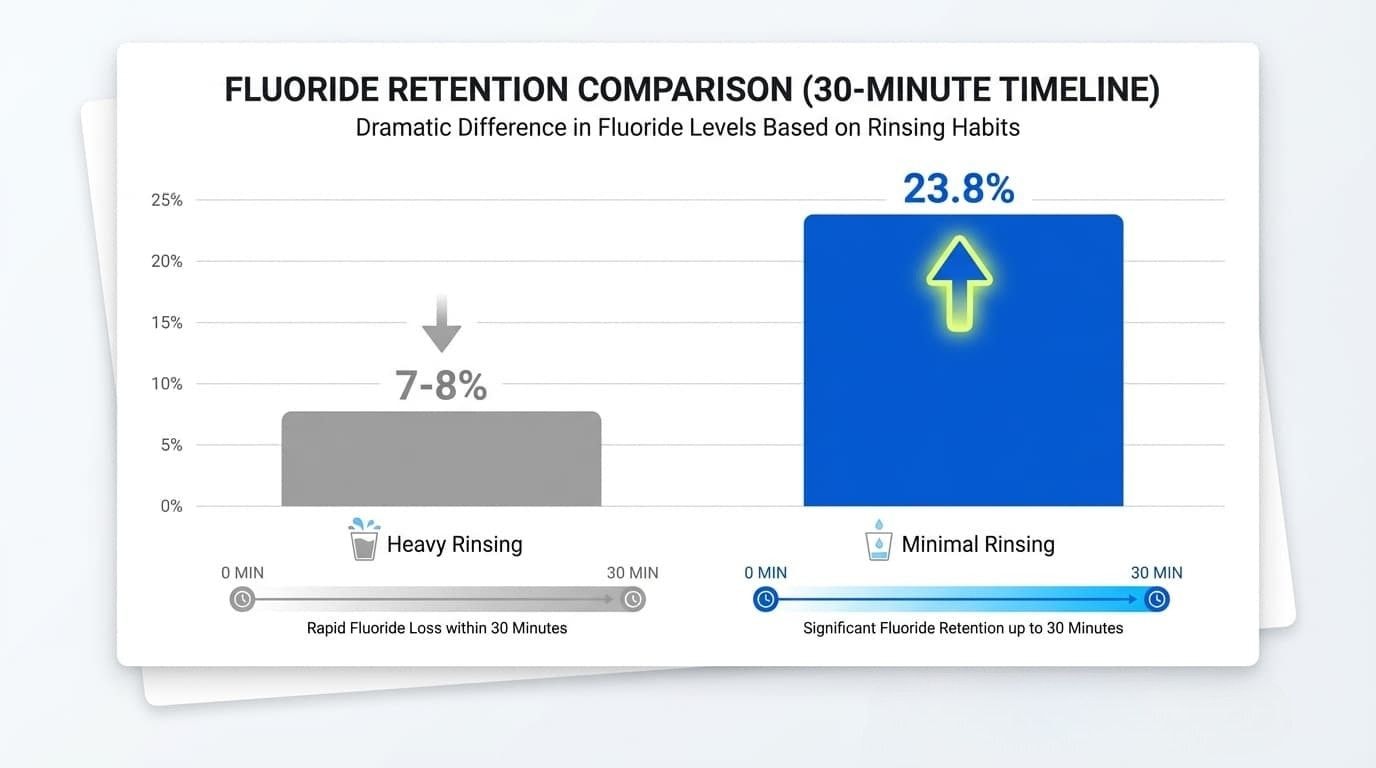
Heavy rinsing with water after brushing leaves only about 7 to 8 percent of fluoride available to protect teeth
-
Minimal or no rinsing increases fluoride retention to around 23.8 percent
-
A 2024 clinical trial found that people who spit without rinsing kept higher fluoride levels in their saliva for up to 30 minutes after brushing
That extra contact time matters. Fluoride strengthens enamel after brushing, not during the foam.
Is “Spit, Don’t Rinse” Safe?
This concern is valid, and many people share it. The same studies measured fluoride levels in blood and urine and found no meaningful difference between people who rinsed and those who did not.
The American Dental Association (ADA) and the National Health Service (NHS) confirm that the 'Spit, Don't Rinse' technique is safe and effective for healthy adults.
-
Reducing water after brushing clearly improves fluoride protection
-
Aggressive rinsing removes the very benefit toothpaste is meant to deliver
-
Whether you wet your toothbrush beforehand has minimal clinical impact by comparison
This evidence-based approach is why science-driven oral care brands like SNOW emphasize education and habits first, not shortcuts or gimmicks. When routines align with how enamel actually responds, results follow naturally.
If you want to change one habit that truly supports long-term dental health, focus on using less water after brushing. Wet or dry bristles come down to comfort. Fluoride contact time is what actually protects your teeth.
When Should You Wet Your Toothbrush—Before or After Toothpaste?
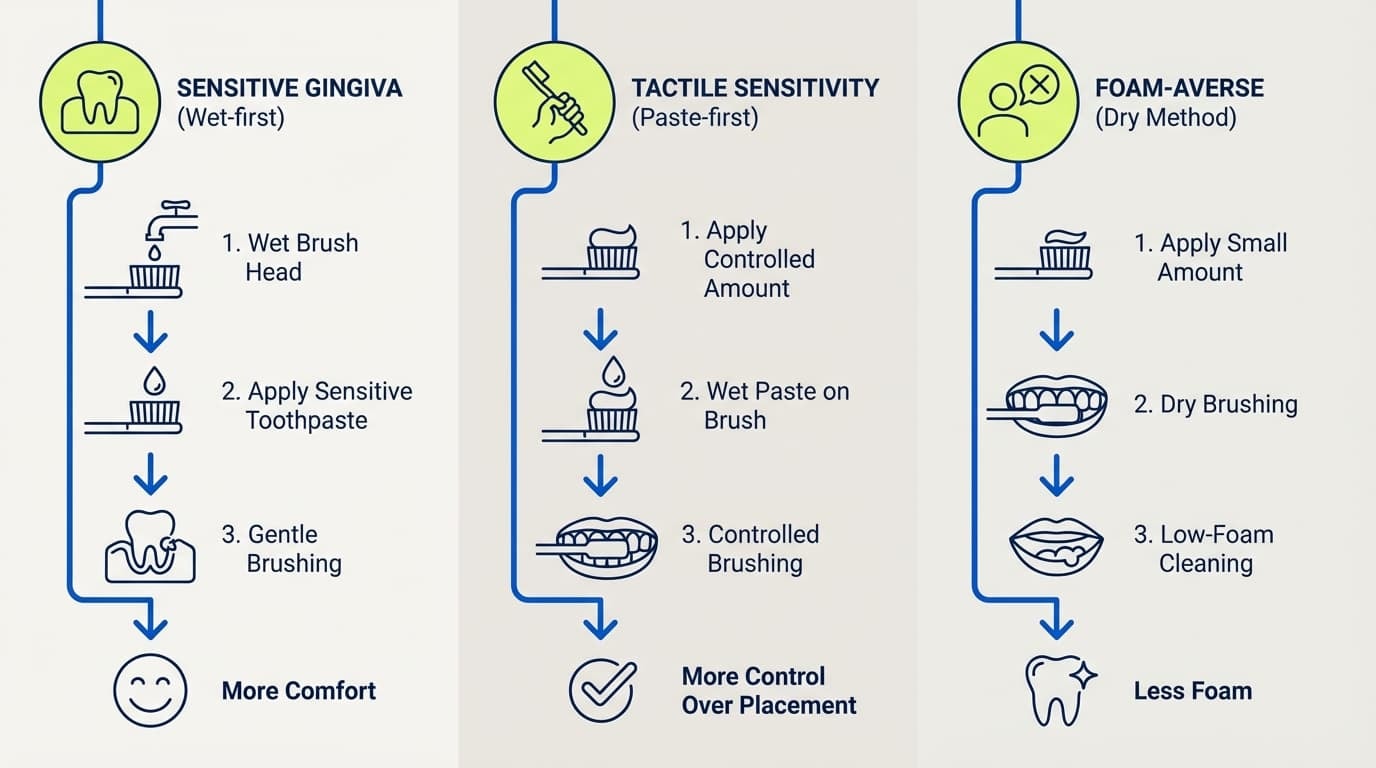
There’s no single “correct” timing. The right choice is the one that helps you brush comfortably, gently, and for a full two minutes. Each approach below works slightly differently, and the differences are mostly about feel rather than effectiveness.
Wet the Toothbrush First, Then Add Toothpaste
This option slightly softens the bristles before they touch your teeth and gums. That can make brushing feel less harsh, especially if you have gum sensitivity or tenderness. Comfort matters here. When brushing feels better, people are more likely to brush thoroughly and reach all areas without rushing.
This approach does not meaningfully change how well you clean your teeth, since saliva quickly mixes with toothpaste anyway. It mainly supports consistency and ease.
Best for people who:
-
Sensitive Gingiva: Individuals with recession or inflammation who require softer bristle impact.
-
Tactile Sensitivity: Users who find dry nylon bristles too abrasive on initial contact.
-
Foam Preference: Those who prefer a rapid lathering effect for better distribution
Add Toothpaste First, Then Lightly Wet
Applying toothpaste to a dry brush helps it stay in place. A quick splash of water afterward adds just enough moisture to help the paste spread without causing heavy foaming. This gives a bit more control and can reduce the urge to stop early.
The key is using very little water. Too much can make the paste slide around and feel less effective.
Best for people who:
-
Want more control over toothpaste placement
-
Prefer light foam, not a soaked brush
Use No Water at All
Some people skip water entirely and start brushing with a dry brush. Toothpaste still becomes moist almost immediately once brushing begins because saliva does the work. This method does not provide proven dental benefits, but it is safe if it feels comfortable.
The only downside is the feel. If dry bristles seem stiff, that discomfort can lead to shorter or less effective brushing.
Best for people who:
-
Dislike foaming
-
Prefer a more concentrated feel
How Much Water Should You Use with Your Toothbrush?
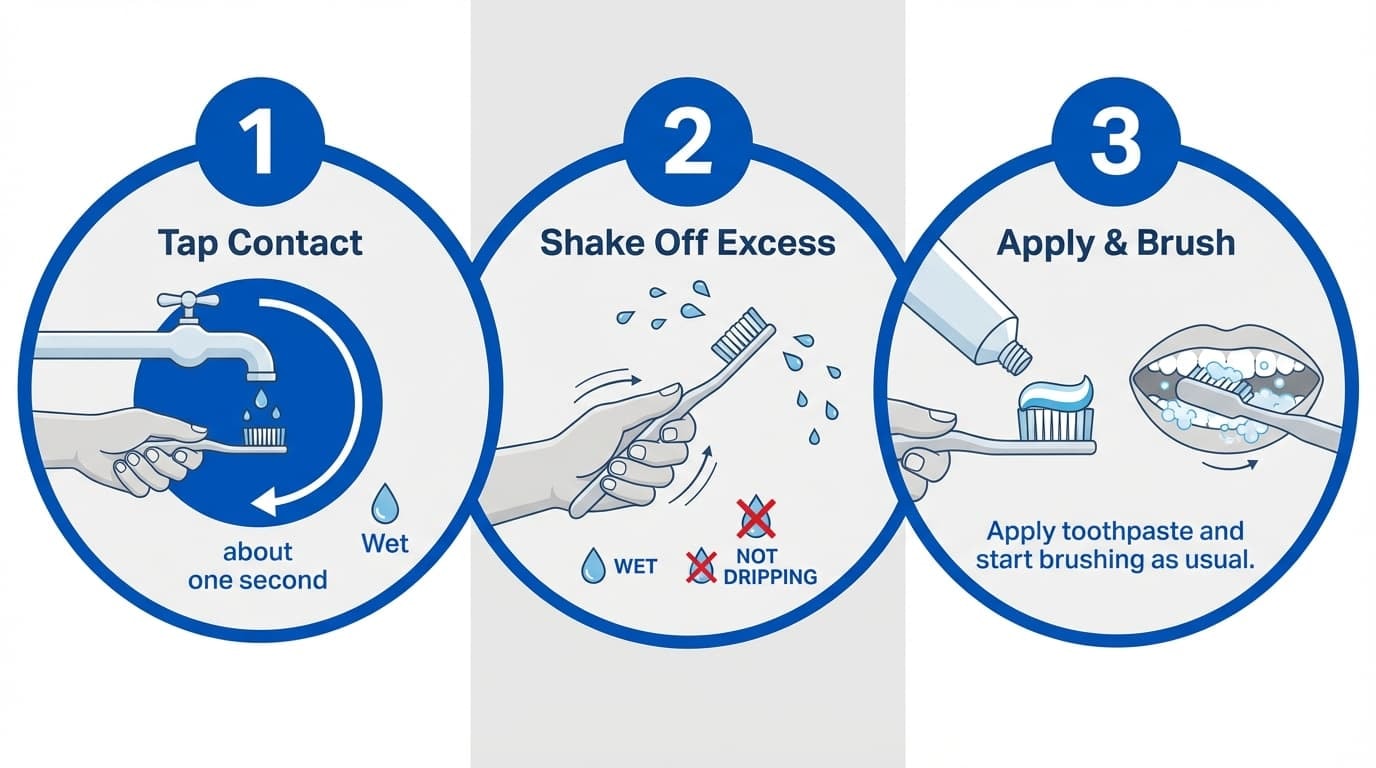
You only need a small amount of water to start brushing. Enough to dampen the toothbrush is fine. Fully soaking it is unnecessary and often counterproductive.
A simple approach that works for most people:
-
Run the toothbrush under the tap briefly, about one second
-
Shake off excess water so the bristles feel wet, not dripping
-
Apply toothpaste and start brushing as usual
Using too much water can cause toothpaste to slide off the brush, which leads to excess toothpaste use without improving how well you remove plaque from your teeth. More foam does not mean better cleaning.
The bigger issue is rinsing after brushing. Washing or rinsing the mouth immediately with a lot of water reduces fluoride contact and weakens its preventative effects. Using less water after brushing helps fluoride stay on the teeth longer and supports better long-term dental health.
Think of water as a comfort aid, not a cleaning tool. Use just enough to make brushing comfortable, and stick with a routine that helps you brush consistently and effectively.
Other Brushing Habits That Matter More Than Wet vs Dry
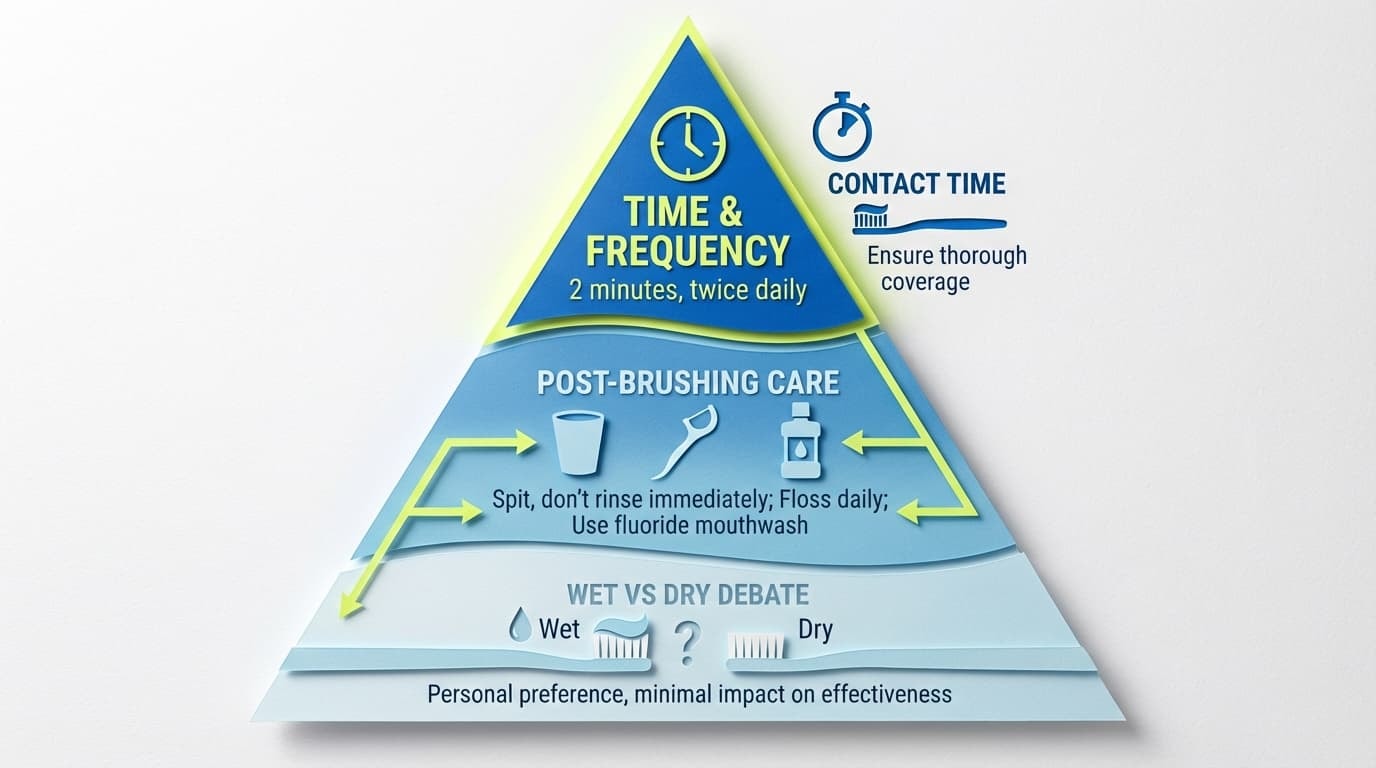
Whether you start with a wet or dry toothbrush has very little impact compared to the habits you repeat every single day. Long-term dental health is shaped by how consistently you brush, how gently you care for your teeth and gums, and how well you maintain fluoride contact over time.
Time and Frequency Matter More Than Technique Debates
Brushing twice a day only works if you actually give your teeth enough time. A rushed 30-second brush leaves plaque behind, especially near the gumline and the back teeth, where cavities and gum irritation often start.
At night, this matters even more. Saliva flow slows during sleep, which gives bacteria more time to cause damage if plaque is left behind. Tools that quietly support consistency can help here. For example, the SNOW® LED Whitening Electric Toothbrush (Gen 2) includes built-in timing cues so brushing feels paced and complete rather than rushed.
Shop SNOW® LED Whitening Electric Toothbrush (Gen 2)
Toothpaste Amount and Contact Time
Using more toothpaste does not mean cleaner teeth. Excess toothpaste mainly creates more foam, which often makes people stop brushing early or scrub harder than necessary. A pea-sized amount works because it spreads gradually and stays on the teeth longer.
What matters most is contact time. Toothpaste needs to remain on the enamel to be effective. For people who want a gentler daily option that supports enamel while avoiding harsh abrasion, SNOW® Hydroxyapatite Whitening Toothpaste fits well into a balanced routine.
Get SNOW® Hydroxyapatite Whitening Toothpaste
Brush Type and Pressure
One of the most common brushing mistakes is applying too much pressure. Teeth and gums respond better to light, steady contact than aggressive scrubbing. Soft bristles flex along the gumline, cleaning effectively without causing unnecessary wear.
Brush heads also wear down faster than most people notice. Once bristles lose shape, people tend to press harder without realizing it. Replacing brush heads regularly helps maintain gentle pressure. SNOW® LED Whitening Electric Toothbrush Replacement Heads are designed to keep that softness consistent over time.
Get SNOW® LED Whitening Electric Toothbrush Replacement Heads
What You Do After Brushing
Many people brush well, only to undo the benefit by rinsing too aggressively. Washing the mouth with lots of water immediately after brushing removes protective ingredients before they have time to work.
A better habit is simple:
-
Spit thoroughly
-
Avoid heavy rinsing for about 20–30 minutes
Some people also layer their routine carefully for cosmetic support without encouraging over-rinsing. When used lightly, SNOW® Magic Whitening Toothpaste Booster Powder can be incorporated without overwhelming the brushing experience.
Explore SNOW® Magic Whitening Toothpaste Booster Powder
Cleaning Between Teeth Still Matters
Even perfect brushing cannot reach between teeth. This is where plaque quietly builds and gum issues often begin. Daily interdental cleaning helps protect areas that brushing alone cannot reach.
For people who struggle with string floss or want a gentler option, SNOW® Water Flosser is an example that supports between-tooth cleaning while staying easy to use consistently.
Who Might Prefer a Wet vs Dry Toothbrush? (Personalization)
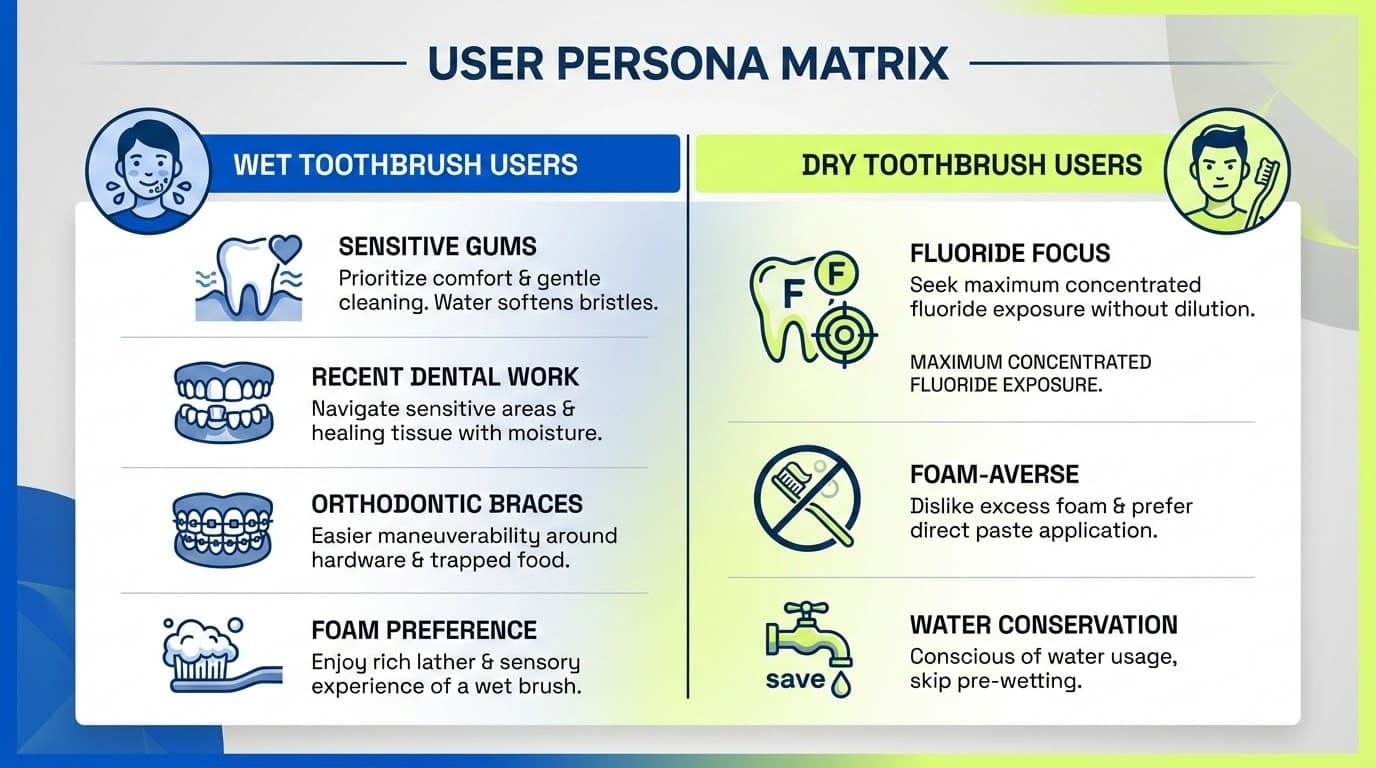
Personal preference and comfort are legitimate reasons to choose one method, as long as your overall technique is solid. Neither approach is wrong.
A wet toothbrush may suit:
-
People with sensitive gums
-
Those with recent dental work or orthodontic braces
-
Anyone who dislikes the feel of stiff bristles on first contact
-
People who prefer more foam during brushing
A dry toothbrush may suit:
-
Adults focused on maximum concentrated fluoride exposure
-
Those who dislike excessive foam
-
People are trying to reduce unnecessary water use in their brushing routine
-
Anyone who tends to spit sooner when there’s lots of foam
For caregivers brushing a child’s teeth, a light pre-wet can make the experience more comfortable. Just remember to limit post-brush rinsing so kids keep some fluoride on their teeth, and supervise to ensure they don’t swallow large amounts of paste.
Choose the option that helps you brush regularly and thoroughly. You are not “doing it wrong” if your habit differs from what you see in social media debates.
Who Might Prefer a Wet vs Dry Toothbrush?
There is no single “right” answer here. What matters most is choosing a habit that helps you brush your teeth properly for two minutes, remove plaque from all tooth surfaces, and do it consistently. From a hygienist’s perspective, comfort and follow-through matter just as much as technique.
When a Wet Toothbrush Makes Sense
A wet toothbrush can help soften the first contact with the teeth and gums, which is why many people naturally prefer it.
It often works well for:
-
People with sensitive gums or early gum irritation, where comfort helps prevent brushing too gently or stopping sooner
-
Anyone with recent dental work or braces, for whom a dry brush can feel too harsh
-
Caregivers brushing a child’s teeth, since a slightly damp brush can make the routine calmer and easier to maintain
Using a small amount of toothpaste and teaching kids to spit rather than rinse helps keep fluoride working against bacteria that cause cavities.
When a Dry Toothbrush May Feel Better
Some people prefer a dry brush because it helps the toothpaste feel less diluted at the start.
This can suit:
-
Adults focused on maintaining fluoride contact and clean tooth surfaces
-
Those who dislike heavy foam and tend to stop brushing sooner when it builds up
-
People are trying to simplify habits and reduce unnecessary water use
As long as you brush gently, use the right amount of toothpaste, and cover all surfaces for at least two minutes, this approach is completely fine.
Final Thoughts
The wet-versus-dry toothbrush debate sounds complicated, but the answer is fairly straightforward. You do not need to change your routine necessarily to get clean, healthy teeth. What matters more is brushing long enough, using the right amount of toothpaste, managing foam, and keeping fluoride on your teeth after you post-brush.
If a little moisture helps you brush more comfortably, that is fine. If you prefer a drier feel, that works too. Set a timer, brush gently, and focus on consistency rather than perfect technique or chasing trends.
If you want to simplify your routine even more, discover the SNOW oral care collection designed to support everyday brushing habits without overcomplicating them. Thoughtful formulas, smart tools, and routines that fit real life.
Explore The SNOW Oral Care Collection
FAQs
Quick, clear answers to the brushing questions people actually worry about.
Does using warm vs cold water on my toothbrush make a difference?
Temperature does not meaningfully change fluoride effectiveness. However, very hot water can warp bristles and shorten brush life, so lukewarm or cool tap water is best if you choose to soften the brush with a quick wet. People with sensitive teeth might prefer slightly warm water for comfort, but this is purely about how it feels, not for any clinical benefit to dental health.
Should I wet my toothbrush when brushing my child’s teeth?
A quick pre-wet can make brushing more comfortable for children, especially under age 7, when parents still help or supervise. Use only a smear of fluoride toothpaste for children under 3, or a pea-sized amount for ages 3-6. Brush for 2 minutes and teach children to spit rather than rinse their mouths out with lots of water afterward. The preventative effects of fluoride work better when it stays on their teeth.
Is “dry brushing” without toothpaste a good idea?
Brushing without toothpaste can mechanically remove some plaque, but it does not provide the proven anti-cavity benefits of fluoride. Some people advise this as a supplement, but it shouldn’t replace your regular routine. Reserve true dry brushing (no paste) for occasional situations when toothpaste is unavailable, like when traveling, and return to fluoride toothpaste twice daily as soon as possible.
Can I rinse with mouthwash instead of water after brushing?
Using a fluoride mouthwash immediately after brushing can actually dilute the more concentrated fluoride from your toothpaste. It’s better to use mouthwash at a different time of day, such as after lunch or mid-afternoon, so both toothpaste and mouthwash can deliver maximum benefit separately. If you’re looking to post straight to bed after brushing, skip the mouthwash until another time.
How soon after brushing is it okay to drink water or eat?
Waiting about 20-30 minutes after brushing before eating or drinking (including plain water) gives fluoride more time to contact the enamel. If you must drink sooner, don’t stress too much; the most important things are still the twice-daily two-minute fluoride brush and minimizing heavy rinsing right after brushing. An olive or snack 10 minutes after brushing won’t undo everything, but waiting when possible is a fine habit to adopt.