

For smokers, flashing a smile isn’t always so simple. Yellow tobacco stains have a way of stealing the spotlight in every close-up.
Purple teeth whitening strips offer a quick, temporary way to make those stains look less noticeable right after use, giving your smile a more camera-ready look without actually removing the discoloration.
The catch is simple: the effect is optical and temporary. Purple pigment can refresh the look, but it can’t promise a permanent shade change or handle brown, gray, patchy, or hardened discoloration.
For many smokers dealing with stubborn stains, however, the impact of these innovative strips is still well worth the investment.
At SNOW, we made Dissolving Purple Teeth Whitening Strips for the moments when your smile needs a quick pick-me-up without the peel-off mess.
If you smoke and want a realistic, U.S.-based read on what these strips can and cannot do—especially before photos, events, or everyday close-ups—this guide walks through how they work, what results you can expect, how different tobacco stains respond, and how to use and track results without overdoing it.
Key Takeaways
-
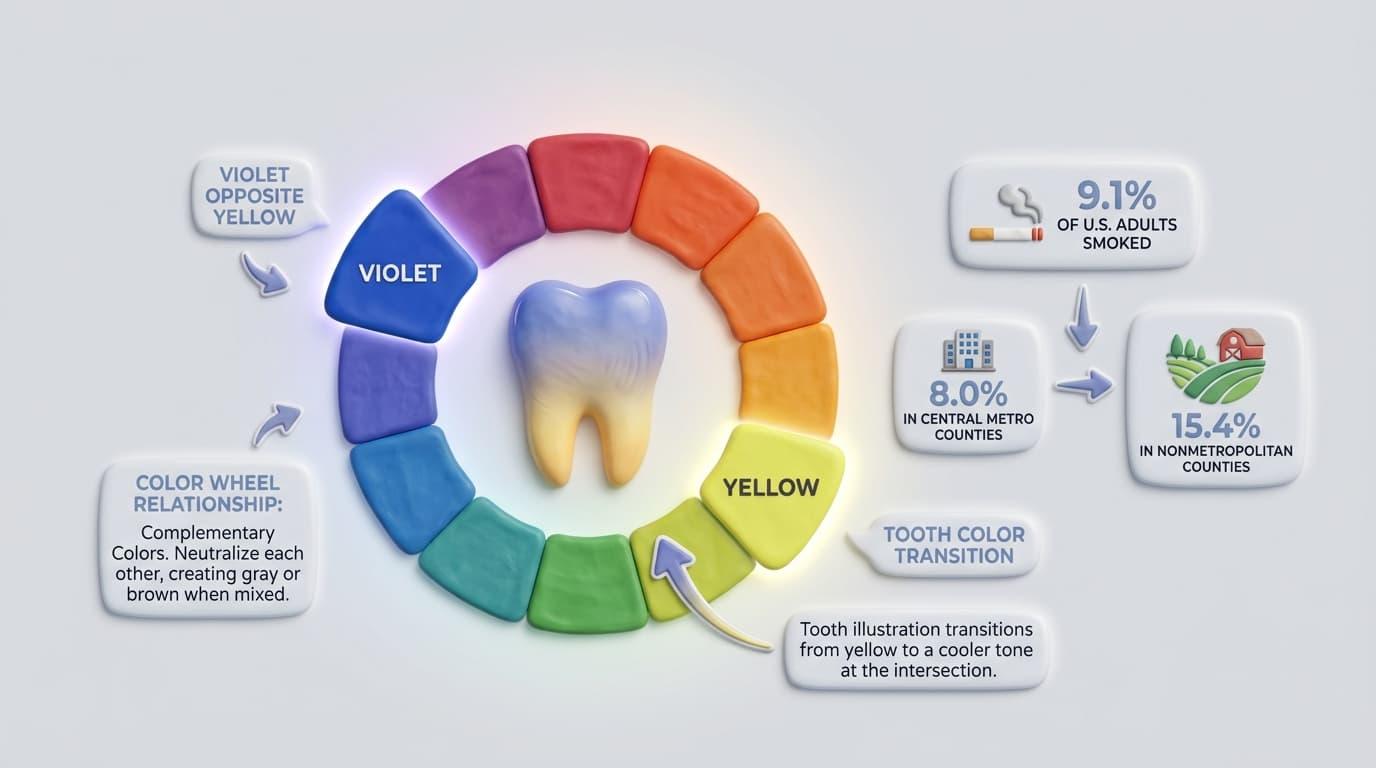
Purple sits opposite yellow on the color wheel, so violet pigment can make yellow stains look less noticeable.
-
The first result may appear quickly, but purple color correction is temporary.
-
Smoking, coffee, tea, and wine can bring warm tones back, even after a brighter-looking moment.
-
Brown, gray, patchy, or hardened discoloration may need a dentist to identify the cause.
-
Consistent lighting and photos give you a more honest view of your results.
Do Purple Whitening Strips Work for Smokers?
Yes, if your goal is a fast cosmetic shift in visible yellow tones.
Purple teeth whitening strips use violet color to balance yellow, much like purple shampoo cools brassiness in blonde hair. Your smile may look brighter with the tint on, but the underlying color hasn’t necessarily changed.
The newest national estimate comes from the 2025 National Health Interview Survey. Released in May 2026, it found that 9.1% of U.S. adults smoked. That’s the latest full-year figure available as of August 2026.
The latest detailed urbanization study, published in March 2026, uses 2024 data. It found that cigarette use ranged from 8.0% in central metro counties to 15.4% in nonmetropolitan counties. These figures show the size and reach of the audience, not a guaranteed whitening result.
The newest research also supports keeping expectations realistic. A 2025 systematic review evaluated the current in vitro and clinical evidence for peroxide-free color correctors. It didn’t establish a smoker-specific timeline or a result for SNOW strips, so this article avoids turning broad research into a product promise.
What Purple Can Change in One Step
Purple color correction has one clear job: make yellow look cooler. That makes it useful before a date, an interview, a photo, or an event.
Think quick filter, not permanent makeover. Because stains caused by smoking are deeper than those caused by other everyday habits like drinking coffee, true lasting results can’t be achieved through purple strips alone.
You may notice more dramatic immediate results, though, making these a perfect tool to have on-hand for last-minute smile touch-ups.
The same expectation is reflected in the 2025 systematic review of color correctors, which examined current peroxide-free formulas.
The evidence supports discussing the visible color change carefully, without promising permanent stain removal or an exact timeline for smokers.
Why Smoking Stains Don’t All Look Alike
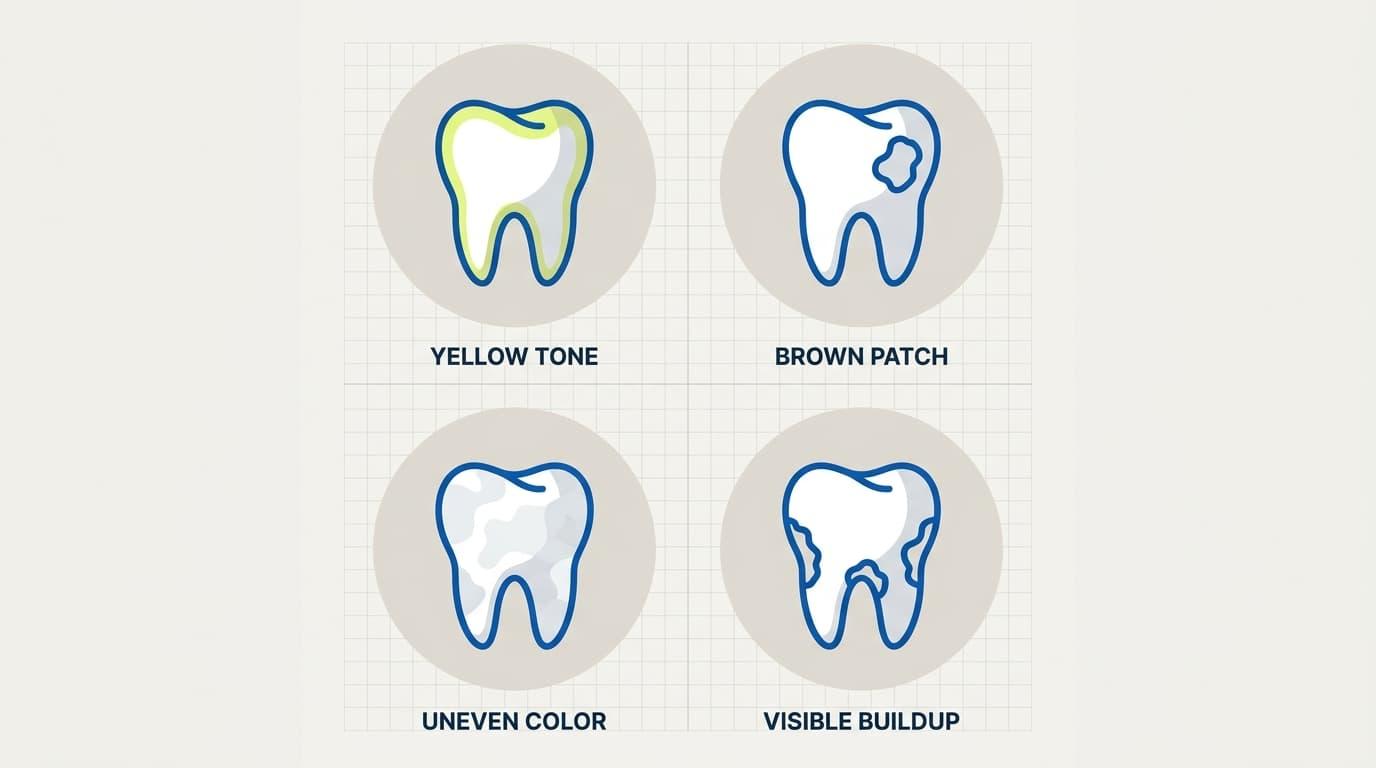
Smoking discoloration is rarely a single shade. Yellow may lead the lineup, while brown areas, uneven color, and visible buildup add extra layers.
Coffee, tea, and wine can deepen the warm look, so two people with the same smoking habit may see very different results.
Tobacco contributes to surface stains, but not every dark area is caused by it. That’s why a purple strip can create a visible pop on one smile and barely move the needle on another.
Yellow Tones Get the Best Purple Payoff
Yellow stains are the natural target because purple sits across from yellow on the color wheel. When violet pigment coats the visible tooth surface, the eye reads a cooler tone. That is the fun, camera-ready moment purple whitening is built to deliver.
If the color looks brown, gray, patchy, or raised near the gums, do not keep adding strips. More product won’t turn a color mismatch into a better result. Talk to a dentist about what you’re seeing before trying another whitening kit.
Daily Habits Can Bring Warm Tones Back
Continued smoking can cause teeth to look stained again after whitening. Coffee, tea, and wine can also add new color. A quick purple boost may still be worth it, but set your timing around the moment you want to enjoy the effect.
For a wider look at routines and expectations, see our guide to teeth whitening for smokers. It helps you separate a fast touch-up from a longer whitening plan.
A Realistic Purple Whitening Timeline
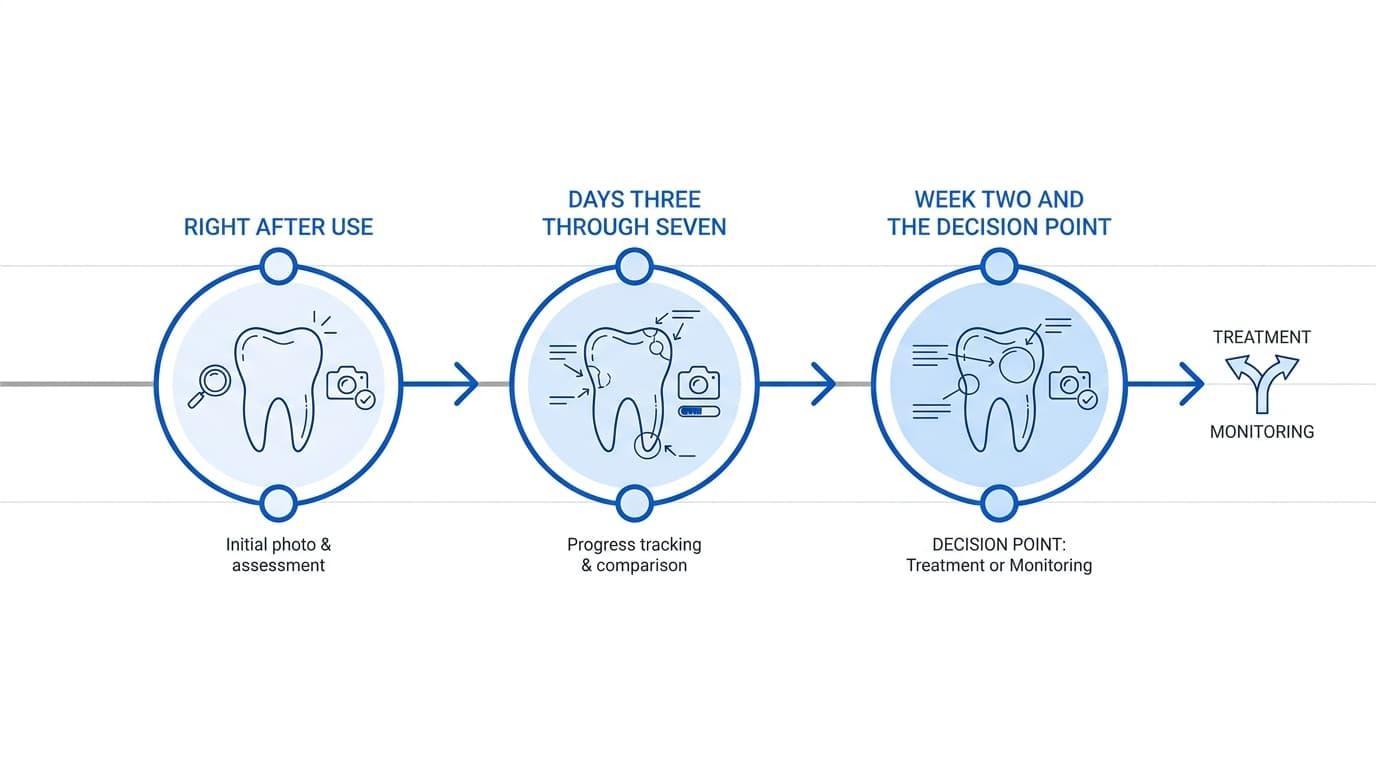
Forget the fantasy of waking up with a totally different smile. The best timeline tracks what you can actually see, under the same light, without adding extra applications. Use the label as your guide and let consistency do the talking.
Right After Use
Look for a cooler yellow tone right after the strips dissolve. Take a before photo, then use the same room, angle, distance, and camera settings for the after photo. Warm bathroom light can make teeth look more yellow, while cool light may exaggerate the purple effect.
If your smile looks fresher, the strip did its cosmetic job. If nothing changes, do not apply another strip right away. Check the light, confirm that yellow is the main shade, and follow the directions in the pack.
Days Three Through Seven
No current peer-reviewed study establishes a 3-to-7-day result for purple whitening strips in smokers. Use the first week to track your own repeatable, brighter-looking moment instead. Your goal is to determine whether the same quick result occurs when your setup remains consistent.
A short photo log makes this easy. Take one photo before use, one right after, and one later. You will quickly see whether purple whitening strips belong in your event-day care routine.
Week Two and the Decision Point
By week two, you should know whether the optical boost fits your goal. If the immediate result keeps showing up, save the strips for planned touch-ups. If the baseline color does not change, do not chase it with extra time or extra strips.
A bigger or longer change may call for a different teeth whitening approach. Professional whitening or a product with verified whitening ingredients may suit a different goal, but a dentist can recommend an option that fits your smile.
What Purple Whitening Strips Cannot Do: Deep Stain Power Removal Limitations
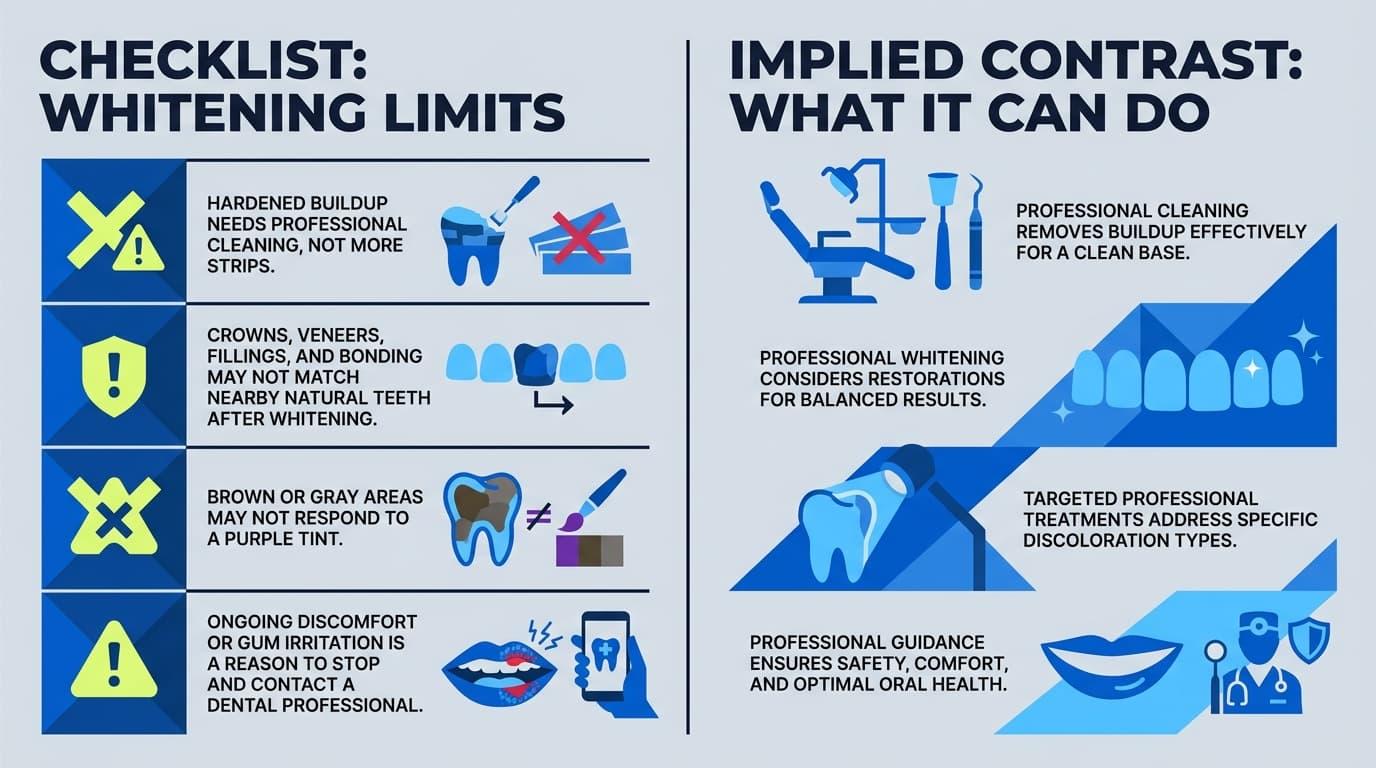
Purple is clever, but it isn’t magic. Color correction cannot promise the removal of deep stains, hardened buildup, or the recoloring of dental work, nor can it explain why one tooth looks different. It also cannot stop smoking from adding new color later.
Keep these limits clear before you add a box to your cart:
-
Hardened buildup needs professional cleaning, not more strips.
-
Crowns, veneers, fillings, and bonding may not match nearby natural teeth after whitening.
-
Brown or gray areas may not respond to a purple tint.
-
Ongoing discomfort or gum irritation is a reason to stop and contact a dental professional.
When a Dentist Is the Better Next Step
Book a dental visit if discoloration is dark, uneven, painful, or gathered around visible buildup. The same applies if you have loose dental work, sores, or an area that has suddenly changed. A dentist can identify the cause and help you avoid wasting time and money on the wrong products.
A professional cleaning can also provide a cleaner starting point for heavy-smoker stains. After that, it is easier to judge whether purple color correction adds the quick cosmetic lift you want at home.
How to Use and Track Your Results
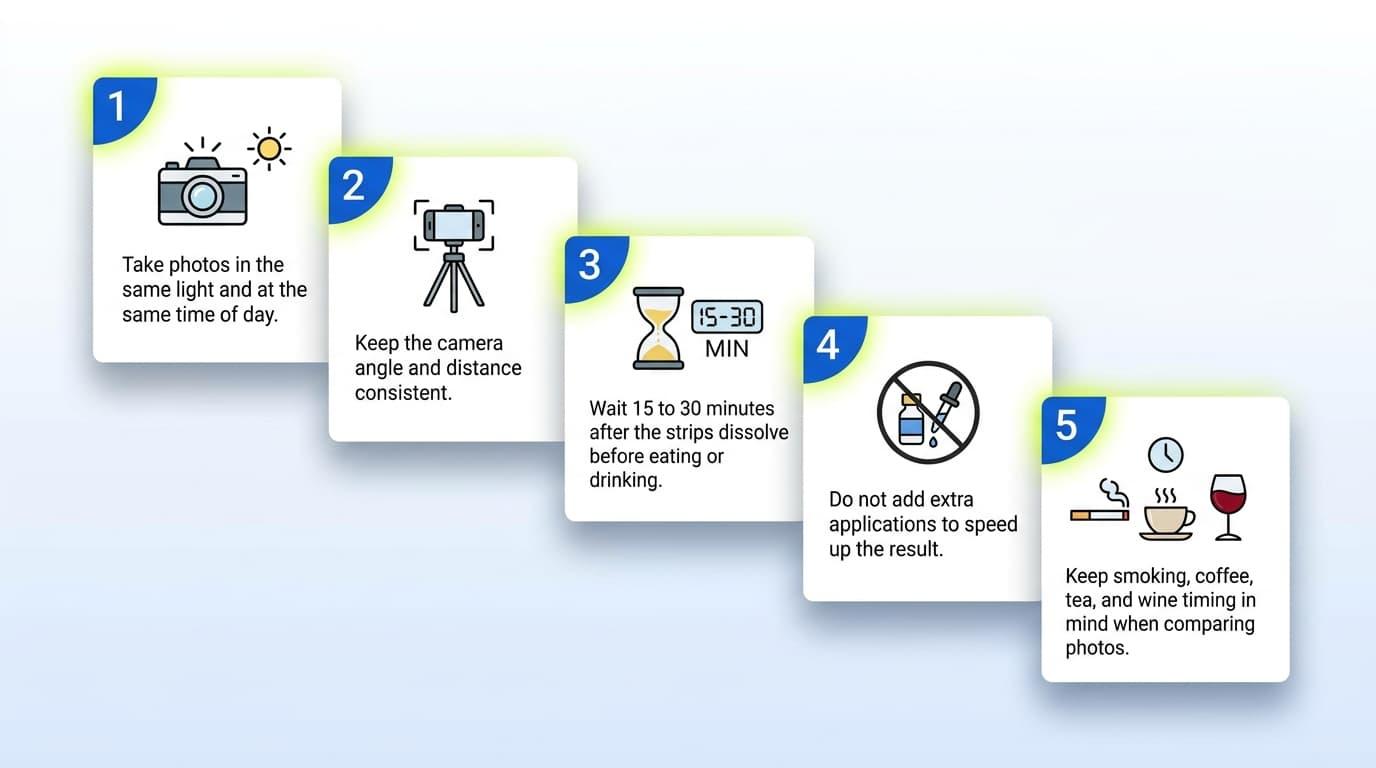
Good technique is simple. Read the label, apply the strips with clean hands, and keep the rest of your routine steady. Purple whitening strips rarely cause acute tooth sensitivity or gum irritation, but never swallow whitening strips, and stop use if you notice discomfort or irritation.
Hydroxyapatite-infused strips are often positioned as enamel safe for sensitive teeth.
Use this easy checklist to keep your comparison honest:
-
Take photos in the same light and at the same time of day.
-
Keep the camera angle and distance consistent.
-
Wait 15 to 30 minutes after the strips dissolve before eating or drinking, based on SNOW guidance.
-
Do not add extra applications to speed up the result.
-
Keep smoking, coffee, tea, and wine timing in mind when comparing photos.
A Gentle, Enamel Safe Routine Still Needs Boundaries
People with sensitive teeth often look for a gentler routine that helps protect enamel, but comfort varies. No whitening product should promise a change in sensitivity, and Enamel Safe does not mean you should overuse whitening. If use causes discomfort, stop and ask a dental professional before trying again.
Keep whitening simple and label-led. More time, more strips, or a longer course does not ensure better results. To avoid stressing enamel, safe use starts with restraint, not a speed run.
Why SNOW Purple Strips Fit Quick Moments
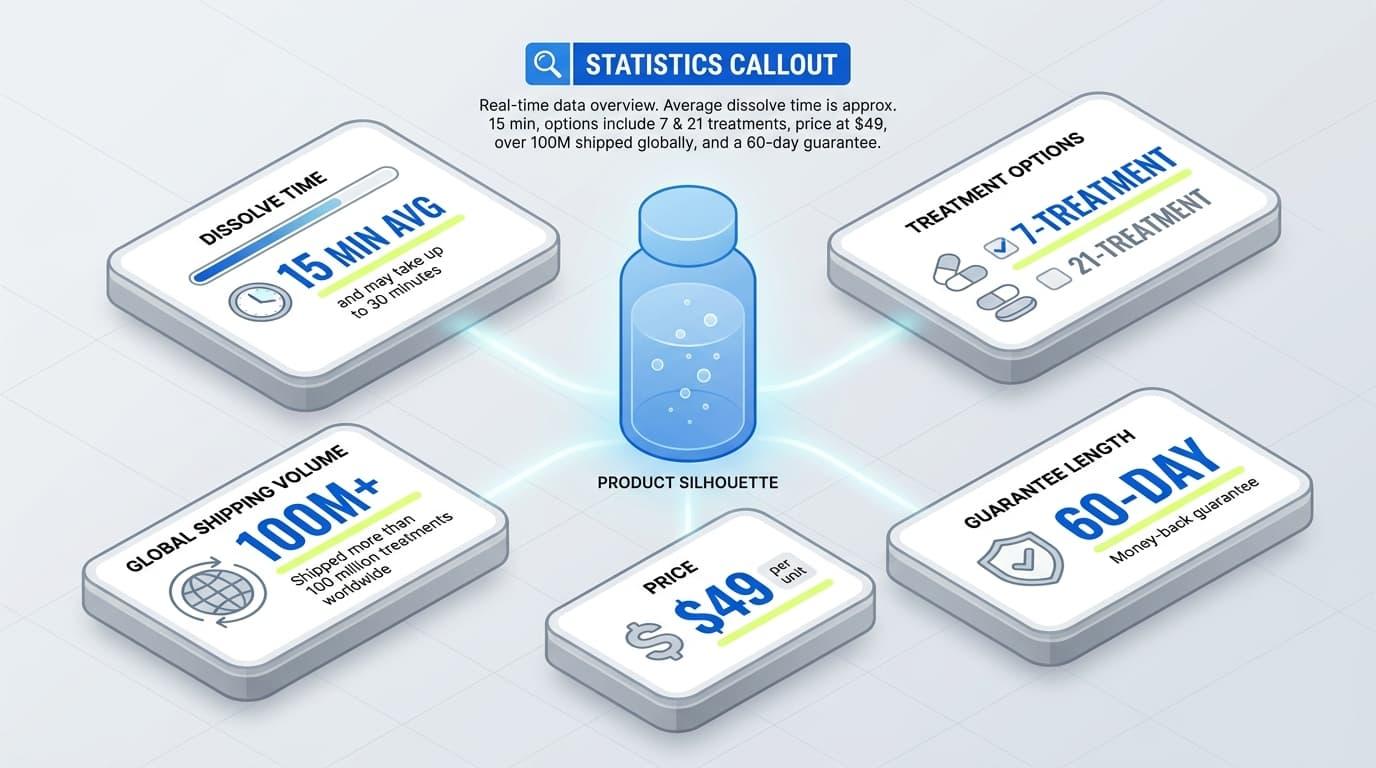
At SNOW, our Dissolving Purple Teeth Whitening Strips deliver instant optical brightening without the need to peel away a plastic strip.
They dissolve in about 15 minutes on average and may take up to 30 minutes. That makes them easy to use at home before plans, and the formula is enriched with peppermint and coconut oil to support stain removal and long-lasting fresh breath.
The product page currently shows 7-treatment and 21-treatment options, plus hundreds of customer reviews.
The listed price is $49, but price, tax, shipping, stock, and subscription offers can change, so confirm the live page before checkout.
Some offers also list shipping at $19.99 for any order, so verify current delivery costs before checkout. SNOW has shipped more than 100 million treatments worldwide, and your order is backed by our 60-day money-back guarantee.
Shop SNOW Dissolving Purple Whitening Strips
Turn Yellow Tones Into a Cooler Moment
Purple whitening strips for smokers can quickly make yellow tones look cooler and brighter. The temporary cosmetic effect is ideal for photos, events, or a last-minute confidence boost. Keep expectations grounded: Purple color correction is not a permanent fix for tough stains.
At SNOW, we make the moment easy with dissolving Purple Strips and no peel-off mess. Use them as directed, compare results in consistent light, and let a dentist handle anything outside cosmetic brightening.
Frequently Asked Questions
These fast answers cover the questions smokers often ask before using purple whitening strips.
How Fast Do Purple Whitening Strips Work?
Purple strips may make yellow tones look cooler soon after use because violet pigment creates an optical shift. Results vary with your starting shade, lighting, and formula. A fast, brighter-looking moment does not prove that smoking discoloration was permanently removed.
Can You Smoke While Wearing Whitening Strips?
No. Do not smoke while whitening strips are on your teeth. Let the strips dissolve, then follow the product directions before smoking, eating, or drinking. Continued smoking can add new color, so the bright-looking effect may not last as long.
Are Purple Strips Good for Tough Smoking Stains?
Purple strips work best when yellow is the main visible tone. Brown, gray, uneven, or hardened discoloration may need professional cleaning or a dental assessment. Purple color correction is a quick cosmetic option, not a special nicotine-removal treatment.


