
Brushing teeth with salt is generally not recommended for daily oral care due to its high abrasiveness and lack of fluoride.
While salt has mild antibacterial properties that can reduce inflammation, using it as a primary toothpaste substitute can erode enamel and increase cavity risk.
This guide explores the history of the practice, the specific risks to your gums, and safer, dentist-approved alternatives for whitening.
Key Takeaways
-
Salt brushing offers limited antibacterial benefits but lacks essential cavity-fighting ingredients like fluoride.
-
Salt’s abrasive nature can damage tooth enamel and gums if used too frequently or improperly.
-
Occasional saltwater rinses are safer and provide mild benefits for oral wounds and gum health.
-
Salt brushing should never replace a daily oral hygiene routine with fluoride toothpaste and flossing.
-
Professional products like SNOW's fluoride-based whitening toothpaste provide better plaque removal, tooth whitening, and enamel protection.
Why Do People Brush with Salt? The History Behind the Practice

Brushing teeth with salt is one of the oldest oral hygiene practices in human history. Long before the invention of modern toothpaste, people relied on simple, natural materials to clean their mouths, prevent tooth decay, and maintain oral health. Among these, salt’s abrasive nature and natural cleansing properties made it a widely used and trusted remedy.
Salt’s use in oral hygiene dates back thousands of years. Ancient civilizations recognized the importance of maintaining a clean mouth and sought ingredients that could remove plaque, freshen breath, and support tooth enamel.
Examples from Ancient Cultures:
-
Ancient Egyptians used a mixture of coarse salt, mint, and dried iris flowers to clean their teeth and reduce oral bacteria.
-
Greek and Roman societies developed early tooth powders made from crushed salt, herbs, and ashes to scrub teeth and remove plaque buildup.
-
Traditional Chinese and Ayurvedic medicine have long recommended salt mixed with oil or herbs to treat gum irritation, bad breath, and plaque buildup.
In all these cultures, salt was valued for more than just its cleansing power. It was believed to have healing properties, particularly for minor gum irritation and oral wounds, and was often used in both preventive care and treatment.
Why Do Some People Think Salt Is Good for Teeth?
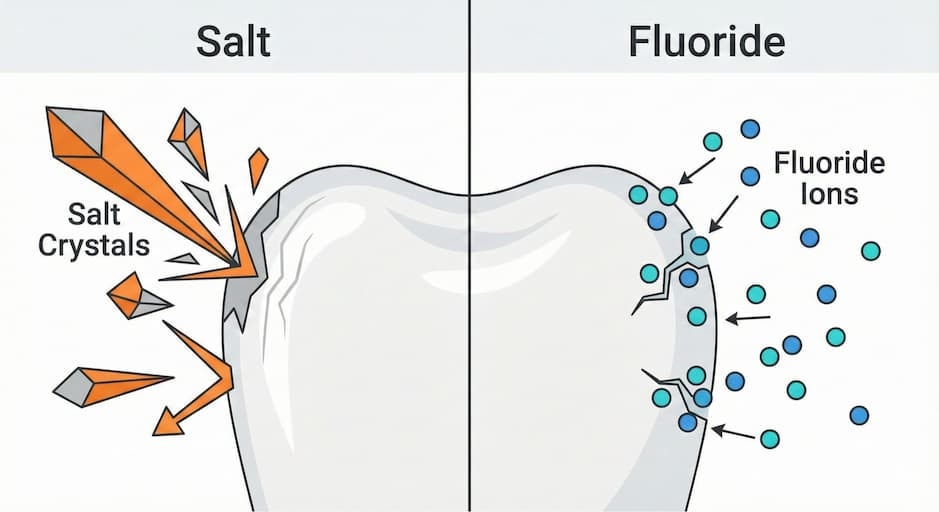
Salt can seem helpful for cleaning your mouth, but it’s important to know what it really does and what it doesn’t do.
-
Kills Some Bacteria: Table salt (sodium chloride) can dry out harmful bacteria in your mouth, which may help reduce them temporarily.
-
Helps with Acid Levels: Salt can neutralize acid in your mouth after eating sweet or starchy foods, which may help protect your teeth.
-
Scrubs the Surface: Salt has a rough texture that can help remove food and stains from your teeth, making them look cleaner.
Despite these perceived benefits, salt is fundamentally flawed as a toothpaste substitute because it lacks fluoride. Fluoride is the only ingredient clinically proven to remineralize enamel and halt early decay; salt merely scrubs the surface. Consequently, relying solely on salt leaves teeth vulnerable to demineralization, negating any superficial cleaning benefits.
What Are the Hidden Risks of Brushing with Salt?
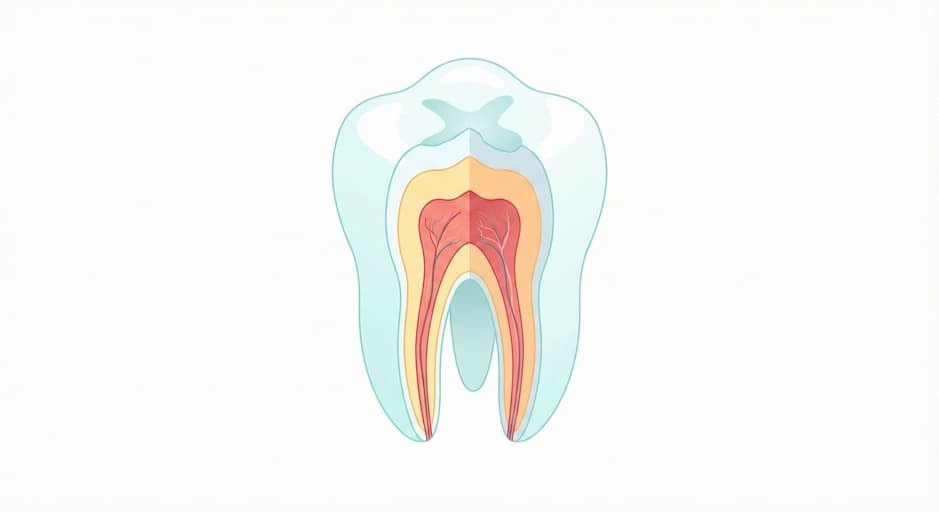
Despite some natural benefits, frequent salt brushing can cause more harm than good, mainly when used as a daily substitute for regular toothpaste.
-
Enamel Erosion: Salt’s abrasive nature can erode tooth enamel over time. Once enamel wears away, it doesn’t regenerate, leaving teeth vulnerable to decay and sensitivity.
-
Tooth Sensitivity: Exposed dentin from enamel erosion leads to sensitive teeth, especially when consuming hot, cold, or sweet foods.
-
Gum Irritation: Coarse salt particles can irritate and damage oral tissues, leading to gum irritation, bleeding gums, and even gum recession.
-
Oral Health Complications: Without fluoride, salt brushing leaves teeth vulnerable to cavities. In those with existing dental conditions, brushing with salt may worsen the symptoms.
These risks outweigh the modest benefits for most people, especially when safer, more effective alternatives are available.
Can Salt Replace Toothpaste?
Many people view brushing teeth with salt as a natural, affordable alternative to modern toothpaste. But can it actually do the job? Let’s take a closer look at how salt compares to fluoride toothpaste, including professional-grade options like SNOW Whitening Toothpaste.

Salt may offer natural antibacterial properties, but it lacks fluoride, which is essential for preventing tooth decay, strengthening tooth enamel, and protecting against plaque buildup. Modern toothpaste like SNOW is designed with proven ingredients that help fight harmful bacteria, support gum health, and preserve long-term oral hygiene.
By contrast, salt's abrasive nature can damage enamel over time. While it may help remove surface stains, it does not offer the same level of protection or long-term benefits as fluoride toothpaste. For those who want safe and effective plaque removal, cavity defense, and gentle whitening, fluoride-based products remain the best choice.
When Does Salt Cause More Harm Than Good?
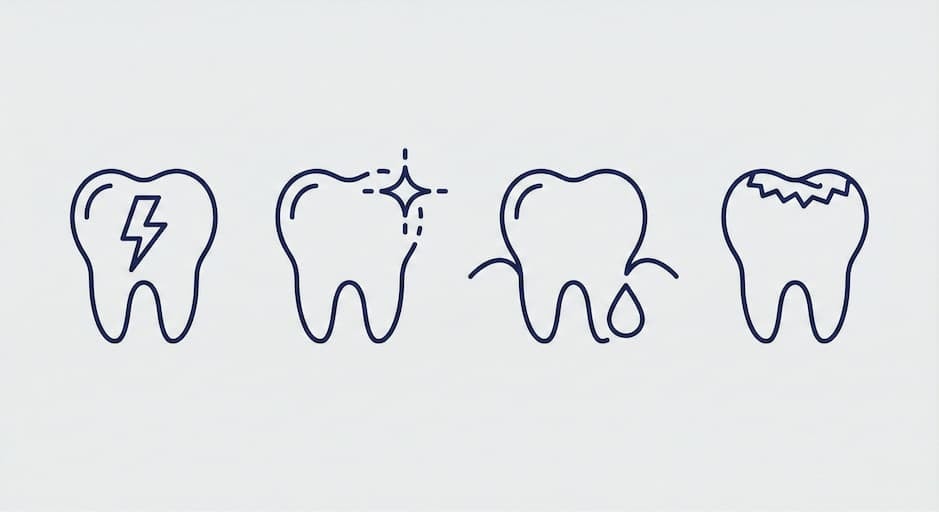
Salt might seem like an effective cleaner, but frequent salt brushing can cause real and lasting damage to your teeth and gums. Pay attention to these red flags that often indicate your brushing habits are harming your oral health.
-
Tooth Sensitivity: A sharp reaction to hot, cold, or sweet foods is often a sign of enamel erosion. Salt can wear down enamel, exposing the dentin underneath.
-
Yellowing Teeth: As enamel thins, the underlying dentin shows through. This creates a yellow appearance that brushing with salt cannot fix.
-
Gum Irritation or Bleeding: The rough texture of coarse salt can damage oral tissues, leading to bleeding gums or inflammation. If this occurs regularly, salt is likely the cause.
-
Rough or Uneven Tooth Surface: When your tooth surface feels rough or pitted, it may indicate that enamel has been permanently worn down.
If you notice any of these symptoms, stop brushing with salt immediately and consult your dentist. Long-term use can lead to increased tooth sensitivity, gum disease, or tooth damage that may require restorative dental care.
How Can You Use Salt Safely for Oral Care?
If you are committed to trying salt brushing, you must do so very cautiously to avoid causing more harm than good. Salt should never replace your daily oral hygiene routine, and it must be used with care.
-
Use Fine Salt Only: Avoid coarse salt or Himalayan salt, which can scratch enamel. Choose finely ground table salt to reduce the risk of enamel damage.
-
Mix Properly with Warm Water: Never apply dry salt directly to your teeth. Instead, mix half a teaspoon of salt with warm water to create a mild paste or rinse.
-
Limit Frequency: Do not brush with salt more than once or twice per week. Frequent use increases the chances of enamel erosion and tooth sensitivity.
-
Brush Gently: Use a soft-bristled toothbrush and apply light pressure. Avoid aggressive scrubbing to protect your tooth enamel and gum health.
-
Rinse and Follow Up with Fluoride: After brushing, rinse thoroughly and follow with fluoride toothpaste, like SNOW Whitening Toothpaste, to restore protection and support optimal oral health.
When to Avoid Salt Entirely
If you have sensitive teeth, existing enamel damage, gum disease, or recent dental work, do not brush with salt. These conditions can be made worse by salt’s abrasive nature, even when diluted. Instead, consider safer options like baking soda toothpaste, coconut oil pulling, or dentist-approved whitening treatments.
What Are the Best Dentist-Backed Alternatives to Salt?
Brushing your teeth with salt may seem like a natural alternative, but most dental professionals agree it's not worth the risk. Fortunately, there are safer, more effective methods that not only protect your enamel but also help maintain a whiter, healthier smile.
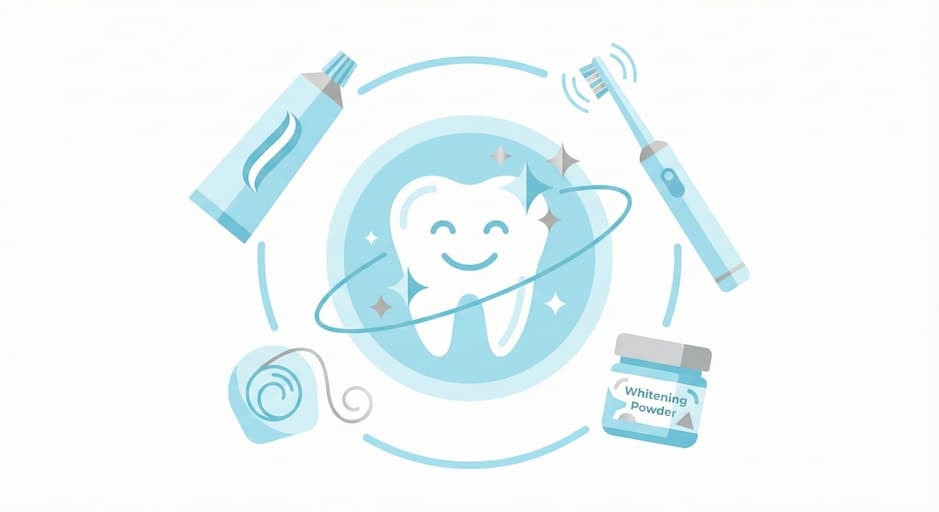
Here are dentist-approved ways to enhance your oral hygiene routine without turning to salt:
1. Use Fluoride Toothpaste Daily
Fluoride is one of the most studied and proven ingredients in oral care. It strengthens tooth enamel, helps remineralize early signs of decay, and protects against cavities. Fluoride toothpaste also cleans more effectively than salt, offering a balanced approach to oral health.
Try SNOW's fluoride-powered Whitening Toothpaste. It's formulated to whiten gently while reinforcing enamel and preventing tooth decay.
2. Consider Baking Soda Toothpaste
For those seeking a natural whitening touch, baking soda is a much milder abrasive than salt. It can help lift surface stains without causing enamel erosion.
Many SNOW products combine baking soda with fluoride, making them ideal for people who want effective yet gentle cleaning.
3. Use an Electric Toothbrush for Better Cleaning
Electric toothbrushes help improve plaque removal and ensure even brushing pressure. They are especially useful for people who tend to brush too hard manually.
SNOW's LED Electric Toothbrush uses sonic technology and a built-in timer to promote thorough brushing without damaging the gums or enamel.
4. Rinse With Hydrogen Peroxide Occasionally
Diluted hydrogen peroxide can reduce harmful bacteria and brighten teeth when used sparingly. It should be used only in low concentrations and not as a daily rinse.
5. Try Coconut Oil Pulling
This ancient Ayurvedic method involves swishing coconut oil in your mouth to reduce oral bacteria. It’s gentle on teeth and gums, but should be used as a supplement, not a replacement for brushing.
6. Stick to Proven Daily Habits
Dentists consistently recommend the following for maintaining optimal oral health:
-
Brush your teeth twice a day for two full minutes with fluoride toothpaste
-
Floss daily to remove plaque and food particles between teeth
-
Avoid brushing immediately after acidic foods to prevent enamel erosion
-
Limit sugary snacks and drinks that feed harmful bacteria
-
Visit your dentist regularly for cleanings and exams
7. Maintain Whitening With Safe Products
For those concerned about yellowing or stains, using professionally developed whitening products is much safer than abrasive substances like salt.
SNOW Whitening Powder and other enamel-safe options help remove surface stains while protecting your teeth. These are especially helpful between professional cleanings or whitening treatments.
Salt brushing might feel like a simple home remedy, but it often causes more harm than good. The good news? With modern products and dentist-approved techniques, you can safely whiten, strengthen, and protect your smile—without compromising enamel or gum health.
Try SNOW’s Full Line of Oral Care Products
Final Thoughts
While salt brushing has a long history and offers minimal short-term benefits, modern science and dental research reveal that it’s not safe or effective for daily use. The abrasive nature of salt can erode tooth enamel, cause gum irritation, and lead to tooth sensitivity or worse.
Salt brushing simply cannot compete with the comprehensive benefits of fluoride-based, enamel-protecting oral care products. If you want a whiter, healthier mouth, focus on evidence-backed solutions like SNOW’s oral care line, which offers smart, enamel-safe alternatives for enhancing your smile.
FAQs
Have questions? We at SNOW is ready to help you navigate the following questions:
Does rinsing with salt water damage teeth like brushing with salt does?
No, you should not use salt daily instead of toothpaste. Salt lacks fluoride, which is essential for preventing cavities and strengthening enamel, and its abrasive nature can lead to enamel erosion and sensitivity. Over time, this can result in higher dental costs than using regular toothpaste.
Will brushing with salt whiten my teeth faster than whitening toothpaste?
No, brushing with salt does not whiten teeth faster in a safe way. While it may remove some surface stains, it does so through harsh abrasion that can damage enamel and make teeth look more yellow over time. Whitening toothpaste is designed to lift stains gently without harming tooth structure.
Is it safe to mix salt with my regular toothpaste for extra cleaning power?
No, mixing salt with toothpaste is not safe or helpful. It increases abrasiveness and can irritate gums while wearing down enamel. Toothpaste is already balanced for effective cleaning, so adding salt disrupts that balance.
What type of salt is safest for occasional dental use, table salt, sea salt, or rock salt?
Finely ground table salt is the safest option if salt is ever recommended by a dental professional. Coarse sea salt and rock salt are more abrasive and increase the risk of enamel and gum damage. Any salt use should be infrequent and properly diluted.
How can I tell if salt brushing is damaging my teeth before it’s too late?
Signs include increased tooth sensitivity, teeth looking more yellow, bleeding gums, or a rough tooth surface. These symptoms suggest enamel or gum damage and mean you should stop using salt immediately. A dental professional can check for early erosion before it becomes permanent.